


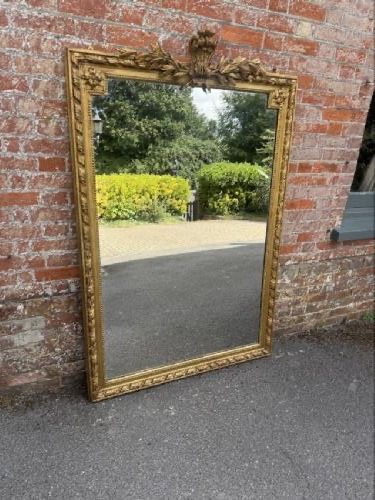
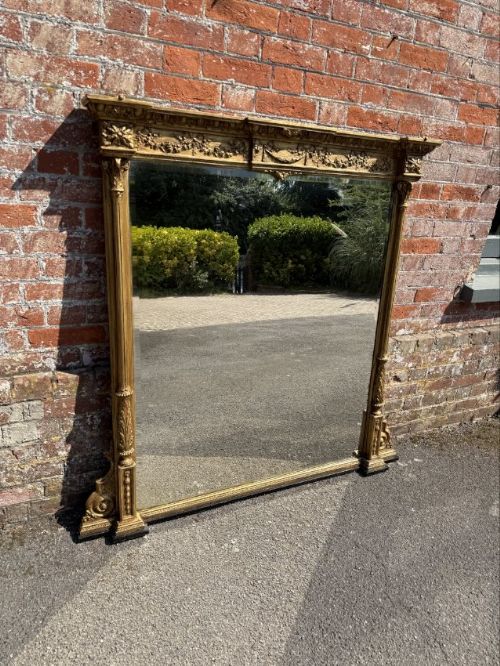
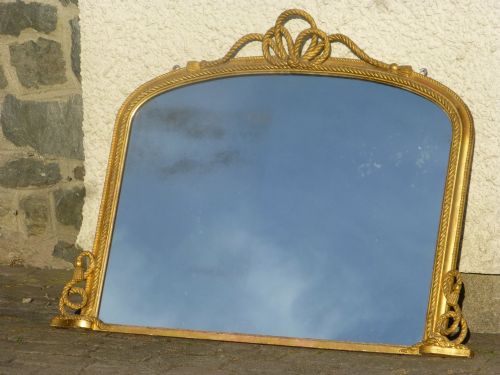
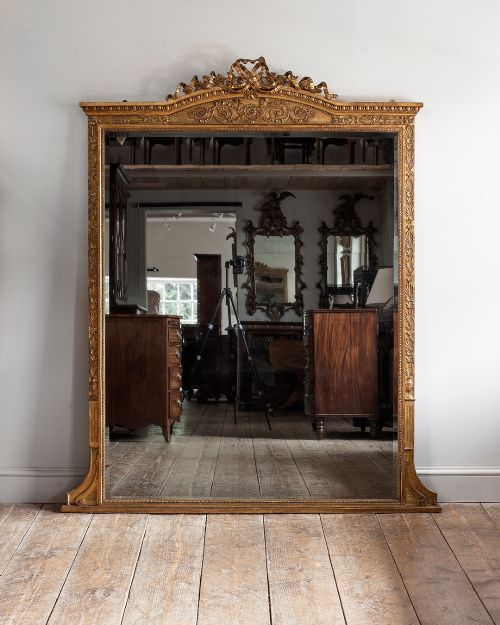
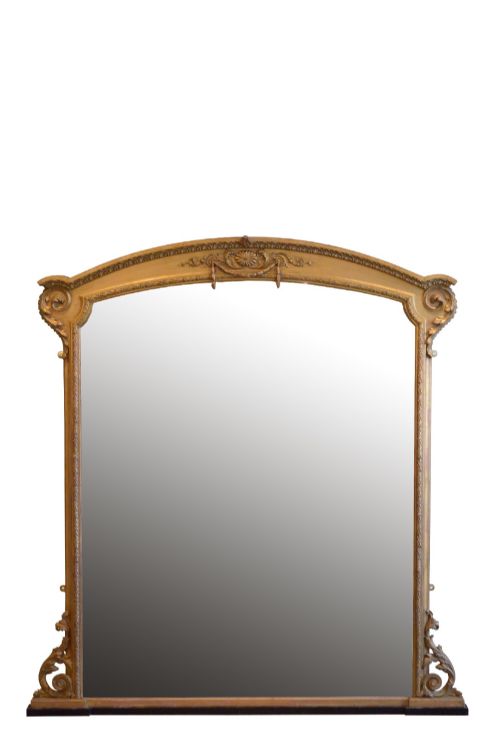

Traditional Gilt Overmantel Mirror
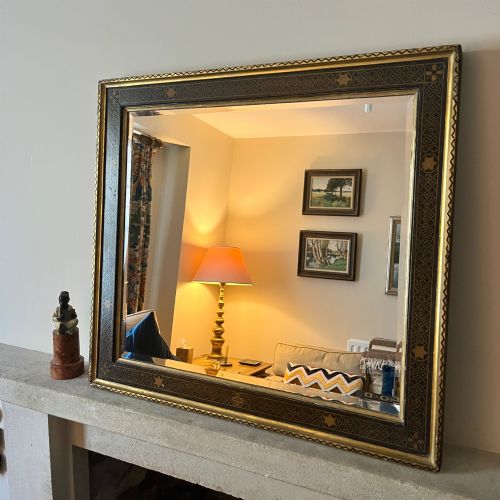
Traditional gilt overmantel mirror pieces are large framed looking glasses designed to hang above a fireplace, bringing light and scale to a room.
Traditional Gilt Overmantel Mirror
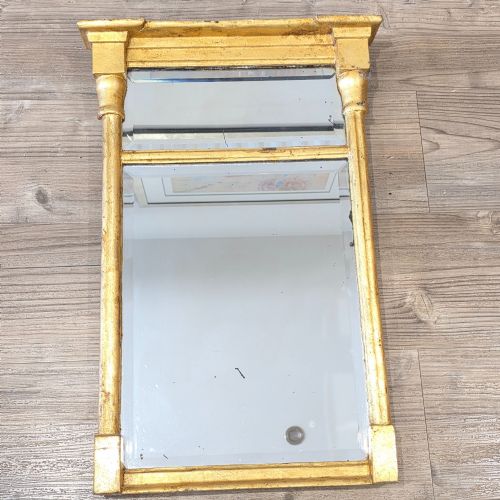
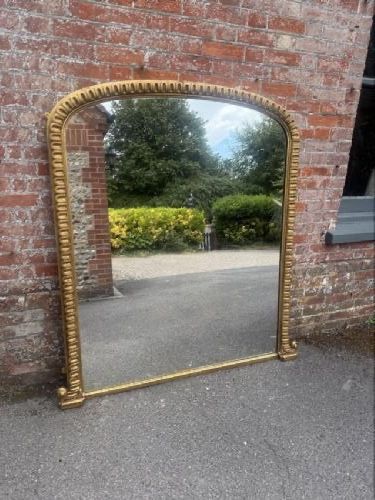
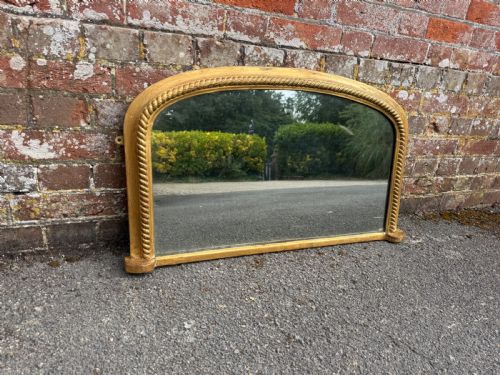
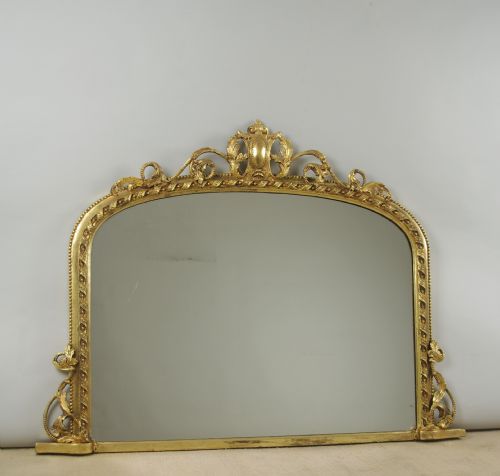
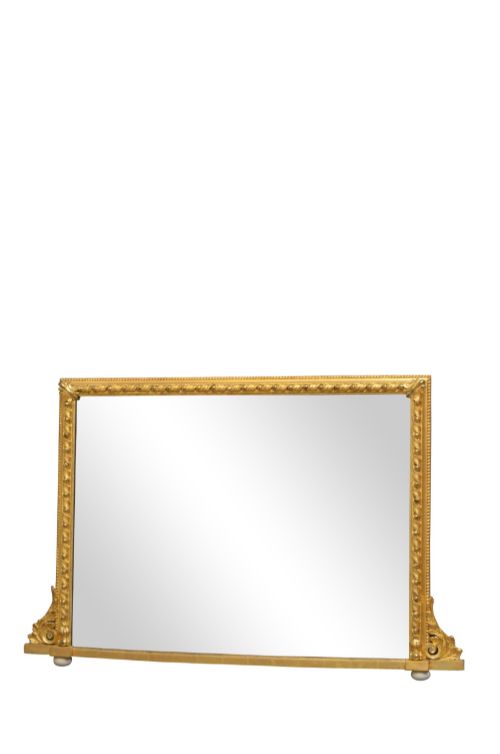
When you search for a traditional gilt overmantel mirror, you encounter large rectangular and arched formats designed specifically to sit above a mantelpiece. These pieces originate predominantly from the nineteenth century, including Victorian and Regency eras, with occasional Edwardian examples.
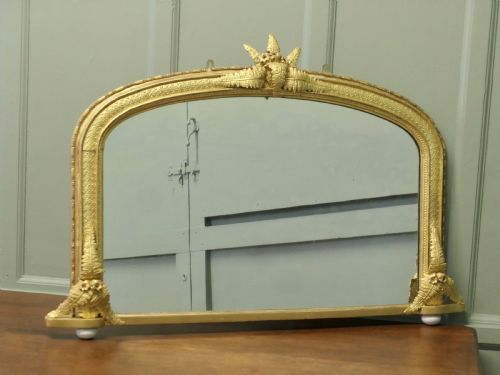
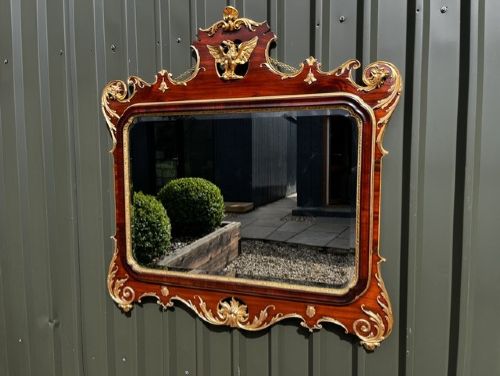
The selection includes English and French variants spanning styles such as French Rococo Revival, Chippendale, and classical column frames. Many incorporate large proportions intended to reflect light and dominate chimney breasts in period interiors.
Materials and construction methods
Makers constructed the structural frames using carved wood, timber, and mahogany, layering composition and gesso over the wooden base to build up intricate decorative mouldings. Artisans then applied gold leaf, gilt, or paint to achieve the characteristic metallic surface.
Mirrors utilise glass plates, some retaining original foxing or appearing with new glass replacements. Frame details include rope twists, columns, floral motifs, and arched tops shaped by hand.
Current listings span periods from the Regency era through Victorian decades to Edwardian times, using wood, gesso, and gold leaf.
Distinctions in craftsmanship and materials
The refinement of the carved wood and gesso ornamentation dictates the distinction between standard decorative frames and exceptional examples. Crisp relief work in the foliage, rope twists, and architectural columns signals superior hand-craftsmanship.
The integrity of the original gilt surface and the preservation of the antique mirror glass, including authentic foxing, differentiate pieces that retain their untouched period character from those extensively restored.
The Traditional Gilt Overmantel Mirror Glossary
- Overmantel
- A mirror or decorative panel specifically proportioned to hang on the wall directly above a fireplace mantel.
- Gesso
- A plaster-like mixture applied to wooden frames and carved or moulded into relief decoration before gilding.
- Giltwood
- Timber that has been coated with gold leaf or gilt finish, forming the primary golden surface of the frame.
- Foxing
- Age-related spots and discoloration within the silvering of antique mirror glass that create a mottled reflective pattern.
- Rococo Revival
- A nineteenth-century design style drawing on eighteenth-century French motifs, featuring asymmetrical curves, scrolls, and floral ornamentation.
Traditional Gilt Overmantel Mirror: Frequently Asked Questions
Where should an overmantel mirror be hung?
These mirrors are traditionally positioned centrally on the wall directly above a fireplace mantelpiece, where their proportions reflect room light and balance the hearth.
Because of their substantial weight and scale, they require secure wall fixings anchored directly into structural masonry or studs.
How do I identify a Victorian overmantel mirror?
Victorian examples frequently display arched tops, substantial timber frames covered in gesso, and classical details like columns or rope twists.
Check the reverse of the frame and the condition of the glass for signs of nineteenth-century construction methods and materials.
What is foxed mirror glass?
Foxing refers to the natural oxidation and age-related spots that occur within the silver backing of old glass over decades of exposure to air and moisture.
Many collectors value original foxed glass because it confirms the genuine antique age of the mirror plate.
Can these mirrors be placed on top of a mantel instead of hanging?
Large overmantel mirrors are heavy and traditionally designed to be wall-mounted securely for safety, even when resting partially on a shelf.
It is essential to use appropriate wall brackets to support the substantial weight of carved wood and gesso frames.