

Vintage Gentlemans Watch
A vintage gentlemans watch is a mechanical timepiece spanning the Victorian era to the mid-twentieth century, valued for horological history and timeless personal wear.
Vintage Gentlemans Watch
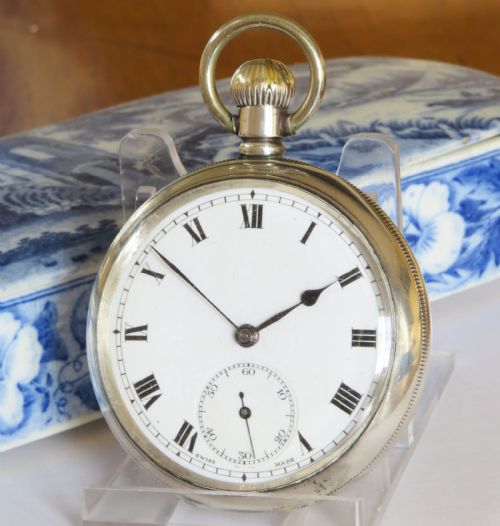
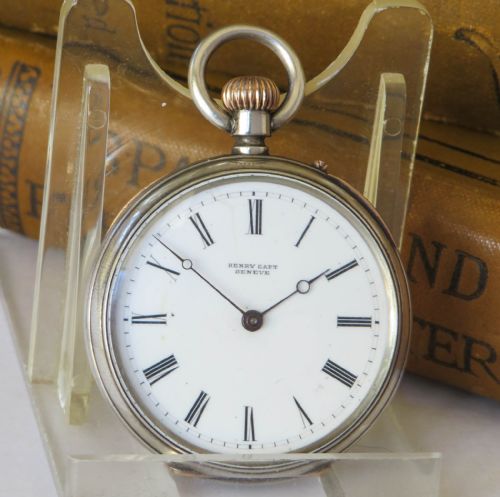
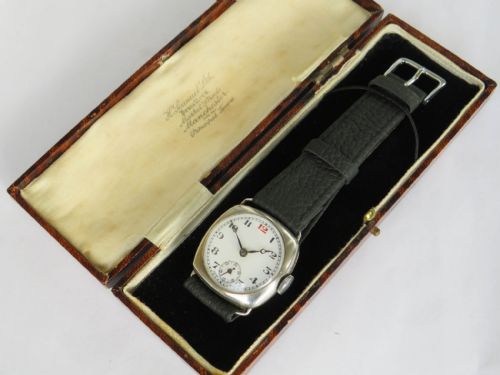
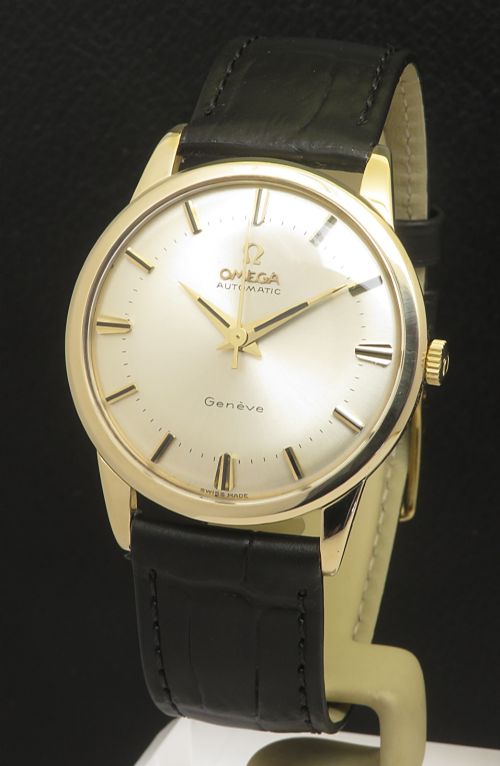
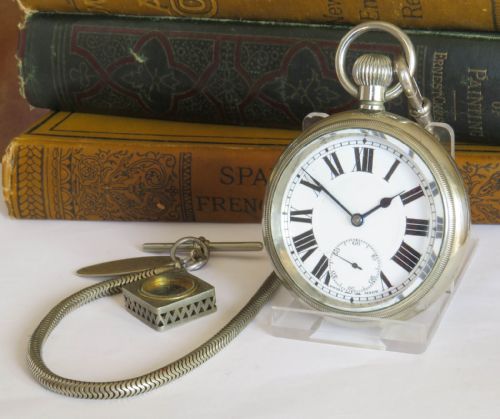
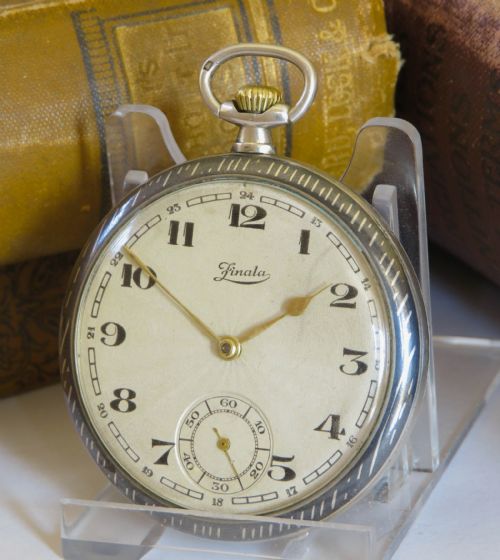
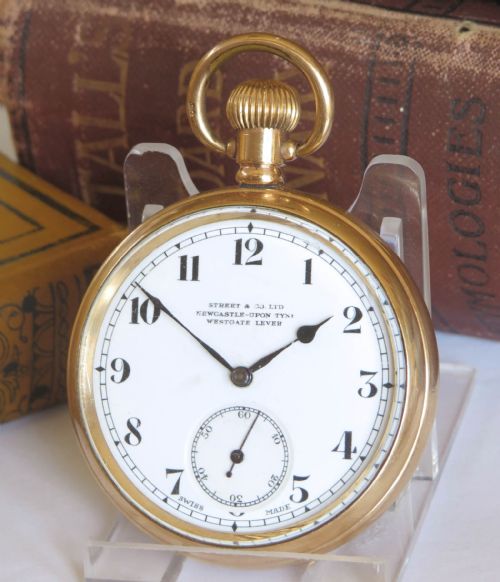
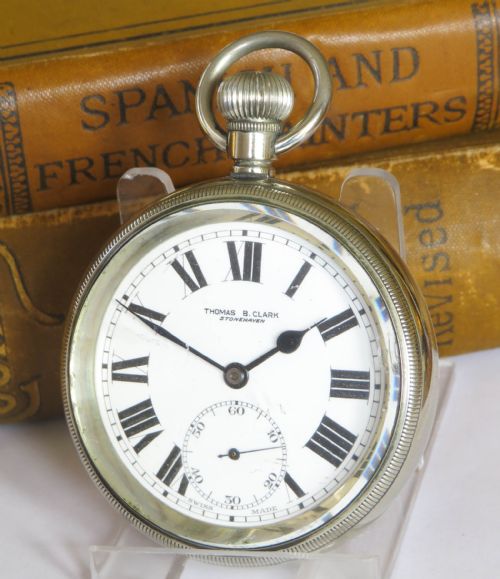
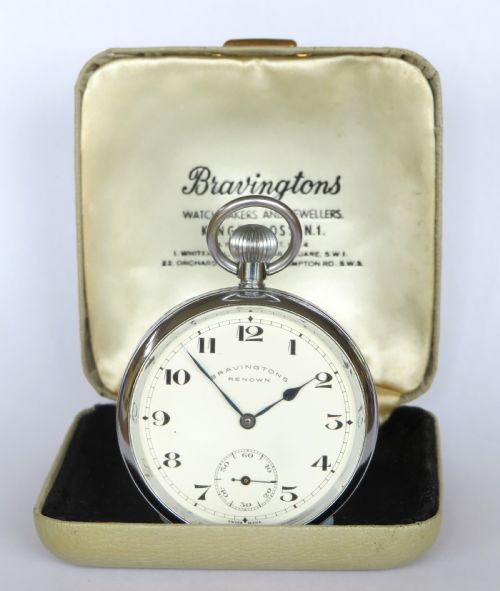
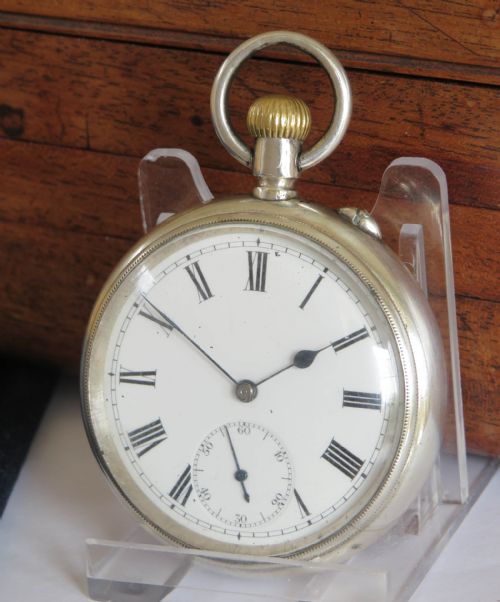
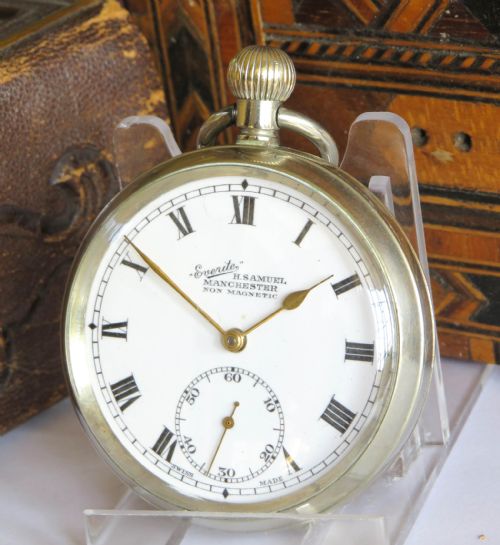
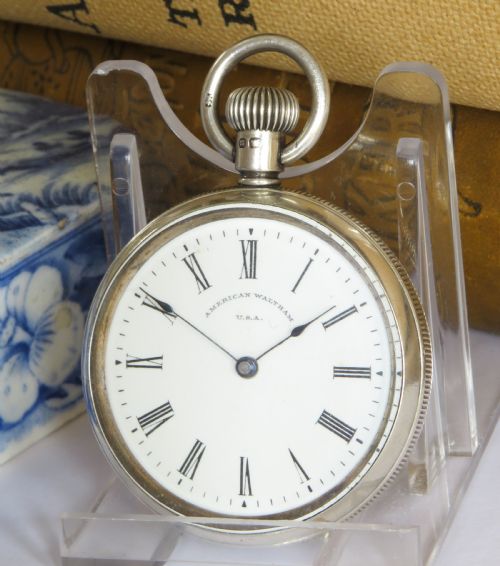
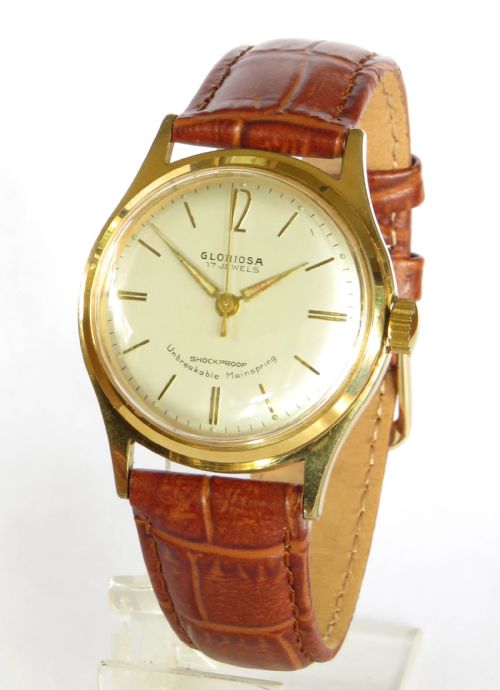
A vintage gentlemans watch encompasses both pocket watches and wristwatches originating from periods like the Victorian era, the 1920s, and the 1950s. The selection ranges from open-faced pocket watches with albert chains to wristwatches styled in Art Deco or mid-century designs.
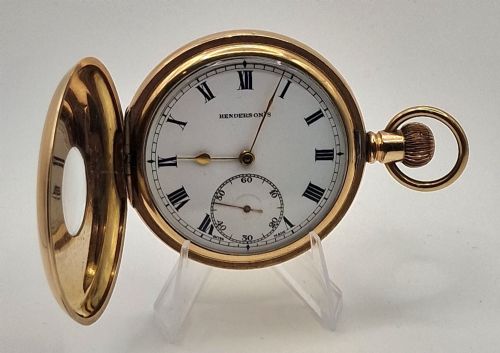
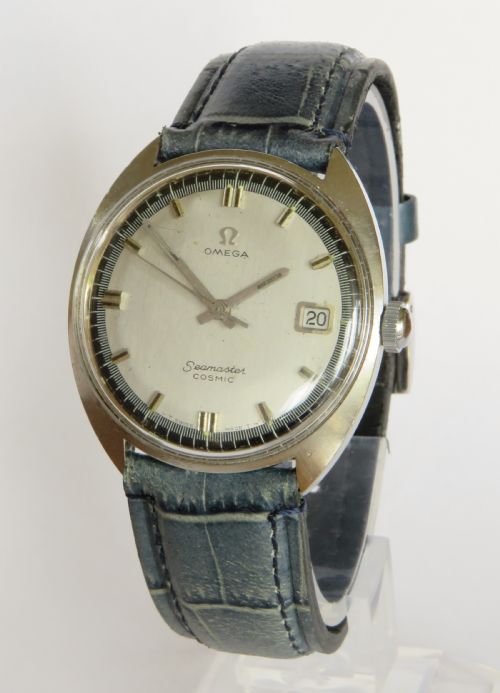
Pocket watches dominate the earlier decades, featuring stem-winding movements and half hunter cases alongside names such as Omega, Waltham, and Zenith. Wristwatches emerge more prominently by the 1940s and 1960s, showing styles like the Seamaster Cosmic and simple manual wind mechanisms.
The materials used across these pieces include solid gold, gold plate, silver, stainless steel, and chrome casings fitted with glass crystals. Additional items such as walking sticks with inset watches and compass fobs also appear within the selection.
How they were made
Cases are formed from solid 9ct gold, 14k white gold, silver, stainless steel, and chrome, frequently housing glass crystals over enamel or metallic dials. Engine-turned patterns decorate metal surfaces on select pocket watch covers.
Movements rely on mechanical gear trains driven by mainsprings, wound either by a crown or a stem-winding mechanism. Leather straps accompany many wristwatches, while pocket watches pair with metal albert chains or specialised items like snakewood walking sticks.
Horological makers represented across the inventory include Omega, Waltham, Zenith, Revue, and Hamilton.
What varies in quality
The grade of materials shapes the hierarchy of these timepieces, distinguishing solid gold and 14k white gold cases from chrome-plated or base metal alternatives. Maker reputation also influences standing, with established names like Omega, Hamilton, and Waltham commanding distinct interest.
Internal preservation and the complexity of the movement, such as half hunter designs or automatic calibres, separate standard utility pieces from advanced horological examples. Original packaging, boxes, and accompanying papers further differentiate the historical completeness of individual watches.
Omega·Waltham·Zenith·Cyma·Elgin·Smiths
The Vintage Gentlemans Watch Glossary
- Half hunter
- A pocket watch case with a small glass-covered aperture in the outer lid, allowing the time to be read without opening the case. This design protected the dial from damage during daily use.
- Stem winding
- A mechanism where the mainspring is wound via the crown at the twelve o'clock position rather than by a separate key. This became the standard method for pocket watches by the late nineteenth century.
- Albert chain
- A chain attached to a pocket watch, designed to be secured through a buttonhole to a waistcoat or jacket. Named after Prince Albert, these often hold fobs, compasses, or medals.
- Calibre
- The specific internal movement design and manufacturer's reference number used in a watch. Collectors use this to identify the exact mechanical generation of the movement.
- Niello
- A black metallic alloy used as an inlay on engraved metal surfaces to create contrasting decorative patterns. It is frequently seen on nineteenth and early twentieth-century watch cases.
Vintage Gentlemans Watch: Frequently Asked Questions
How do I wind a vintage mechanical watch?
Mechanical vintage watches require manually turning the crown clockwise until slight resistance is felt. Care must be taken not to overwind the mainspring.
Automatic models rely on the movement of the wrist to tension the spring, though manual setting of the time is still performed via the crown.
What is an albert chain used for?
An albert chain secures a pocket watch to a garment such as a waistcoat or jacket to prevent accidental drops. The T-bar fastens through a buttonhole while the watch rests in a pocket.
These chains often display decorative fobs, compasses, or personal seals alongside the timepiece.
How do I identify the date of a watch?
Dates are determined through interior movement serial numbers, case hallmarks, and stylistic elements like Art Deco geometry or mid-century numerals. Hallmarks on gold and silver cases provide assay office marks and year ciphers.
Maker archives and reference guides match movement serial numbers to specific production years.