



1940s Mens Watch
A 1940s mens watch offers functional mid-century horology and distinct period character for daily wear.
1940s Mens Watch
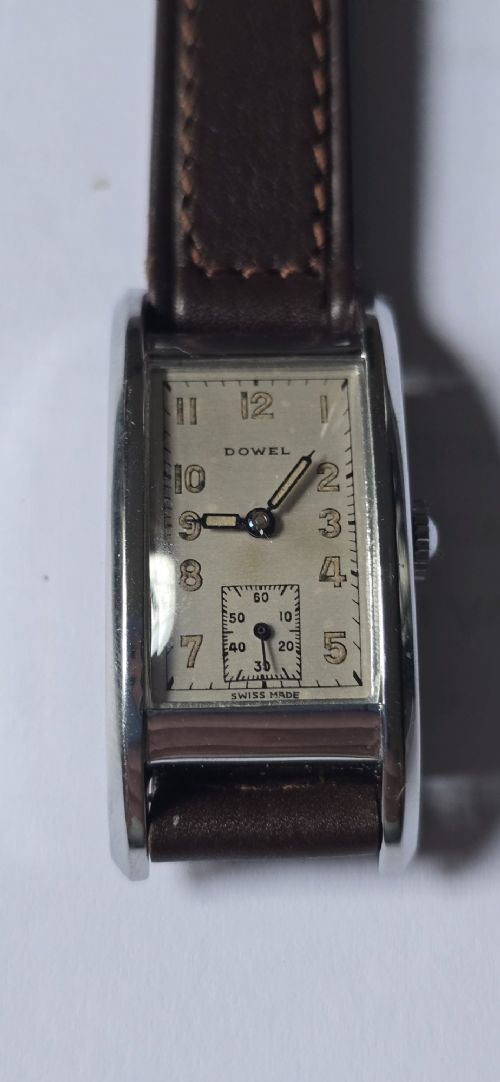
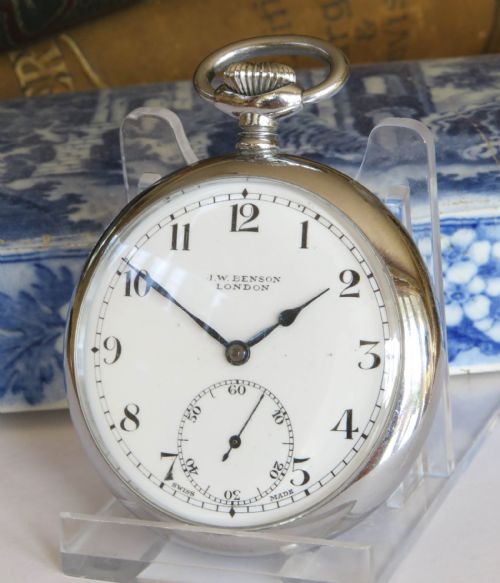
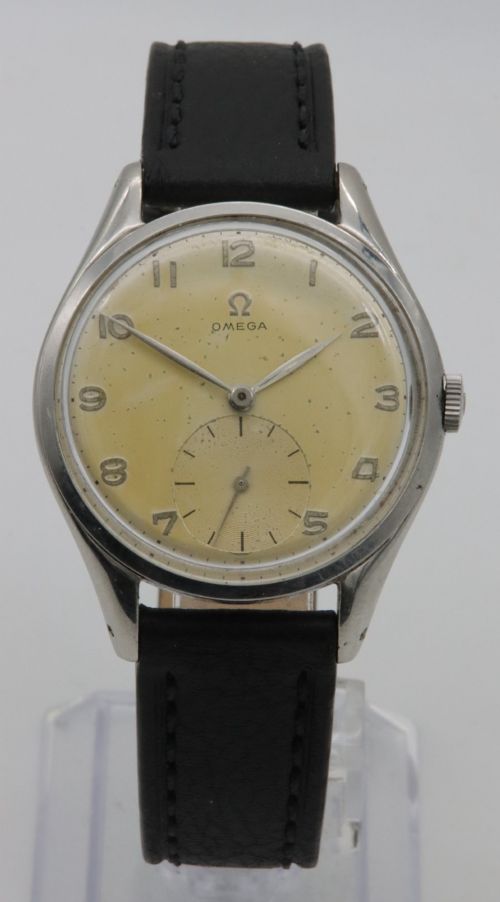
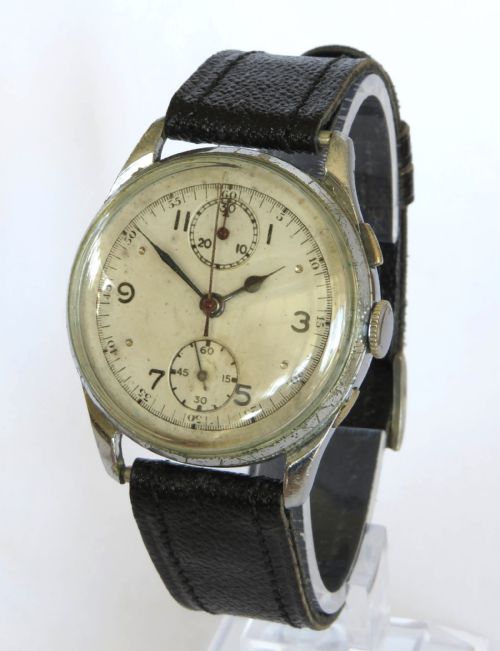
A 1940s mens watch encompasses mechanical wristwatches and pocket watches originating primarily from the nineteen-forties, alongside related items from the adjacent decades. These timepieces display distinct forms such as jumbo cases, chronographs with multiple dials, and military-issue designs created for practical service.
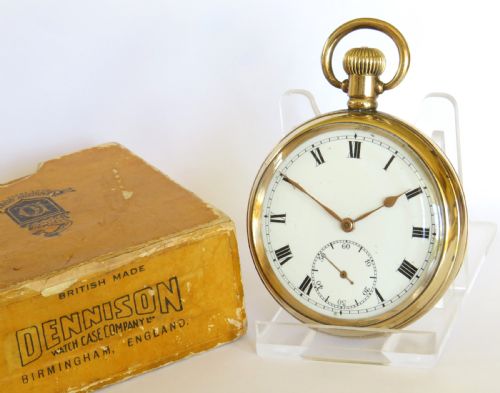
The selection on this page relies heavily on wristwatches with manual or automatic movements, complemented by occasional pocket watches supplied with original boxes. Buyers encounter varied aesthetic influences ranging from sharp Art Deco geometry to straightforward mid-century utility.
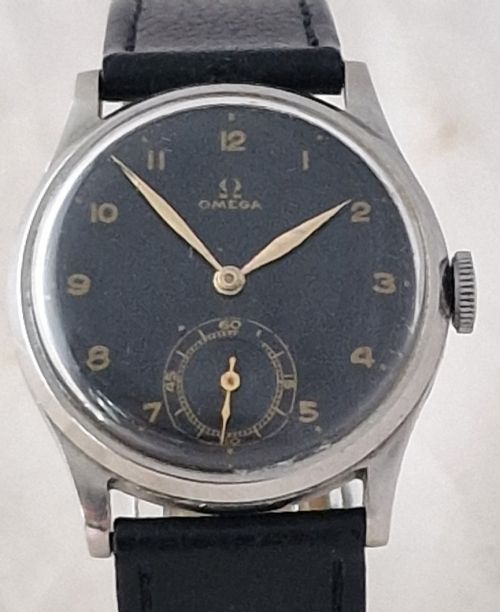
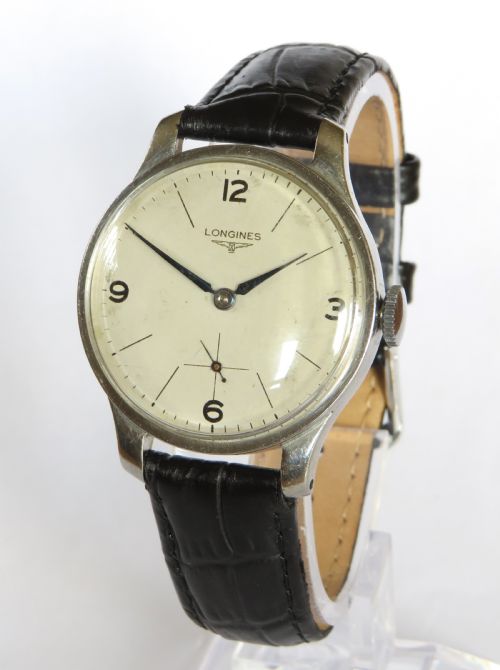
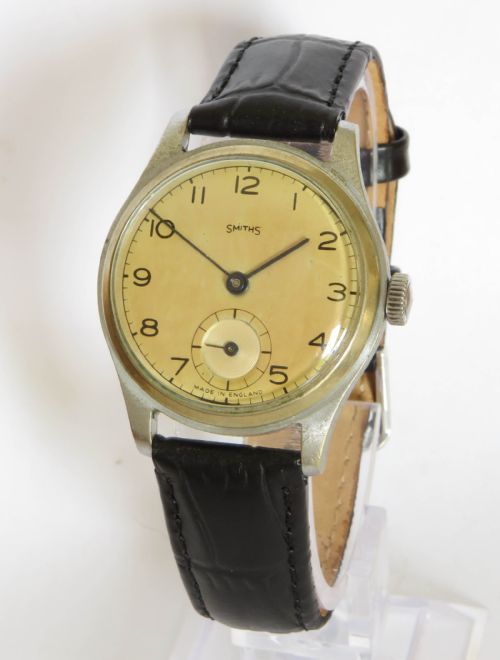
Makers represented in these listings span Swiss houses like Omega and Longines alongside British production by Smiths and continental manufacturers. The underlying forms reflect both civilian elegance and utilitarian military requirements of the period.
Materials and construction methods
Cases combine metals like stainless steel, chrome, gold plate, gold filled compositions, and solid gold, paired with protective glass or acrylic crystals over dials. Straps commonly utilise leather, while individual examples incorporate specialised details such as enamel or mother-of-pearl on the dial face.
Movements rely on traditional mechanical engineering, utilising precision components like automatic bumper mechanisms and chronograph complications to measure time. Structural protection varies from standard builds to shock-resistant configurations designed to withstand robust physical use.
Cardboard appears among the material records, likely surviving as part of original vintage presentation boxes.
Factors influencing quality and desirability
The standard of a 1940s mens watch depends heavily on the preservation of the dial, case definition, and the mechanical integrity of the movement. Examples retaining original factory finishes and unpolished metal surfaces command stronger attention from collectors.
Horological complexity also dictates distinction, separating standard time-only pieces from sophisticated chronographs or military-issued pieces with documented provenance. Inclusion of original packaging, such as dedicated boxes, adds further completeness to a watch.
Omega·Venus·Smiths·Longines·Roamer·Helvetia·Marvin·Enicar·Sperina·Cyma·Ebana·Benrus·Le Coultre·Mundus·Elgin·Breitling
The 1940s Mens Watch Glossary
- Chronograph
- A watch equipped with a stopwatch function alongside the standard time-displaying hands. These complications allow the wearer to measure elapsed intervals using independent sub-dials.
- Calibre
- The specific internal movement designation used by a manufacturer to identify a particular watch mechanism design. Knowing the calibre helps determine the exact mechanical lineage of the piece.
- Bumper automatic
- An early type of self-winding mechanical movement where the oscillating weight swings back and forth against springs rather than rotating fully. This movement style gives a distinct physical pulse to the wrist.
- Gold filled
- A construction method where a layer of solid gold is bonded to a base metal core under heat and pressure. This technique provides the appearance and wear resistance of solid gold at a different structural weight.
- New old stock
- Unused vintage inventory discovered in original condition long after production ceased. These pieces typically display minimal handling wear from past decades.
1940s Mens Watch: Frequently Asked Questions
Are 1940s watches waterproof?
Most watches from this decade lack modern rubber gaskets and screw-down crowns, meaning they offer minimal resistance to moisture and accidental submersion. It is wise to keep them entirely away from water.
Even military-specified pieces from the era have aged seals and should be treated as strictly non-waterproof today to protect the internal metal components.
How do I wind a vintage watch?
Gently turn the crown clockwise between your thumb and forefinger until you feel firm resistance, stopping immediately before forcing it further. Overwinding can snap the delicate mainspring inside.
For automatic models, gentle wrist movement powers the mechanism, though an initial manual twist helps start the movement if the power reserve has fully depleted.
Can I wear one daily?
Many collectors wear these timepieces regularly, provided the movement has been recently serviced by a qualified professional to ensure reliable timekeeping.
Daily wear requires mindfulness regarding vintage fragility, avoiding heavy impacts, magnetic fields, and exposure to moisture during routine activities.
What is a jumbo watch?
The term refers to watches featuring cases significantly wider than the typical standard dimensions prevalent during the nineteen-forties. These larger diameters offer a more substantial presence on the wrist.
Such proportions are particularly sought after by modern collectors who prefer wider case profiles over smaller traditional sizes.