

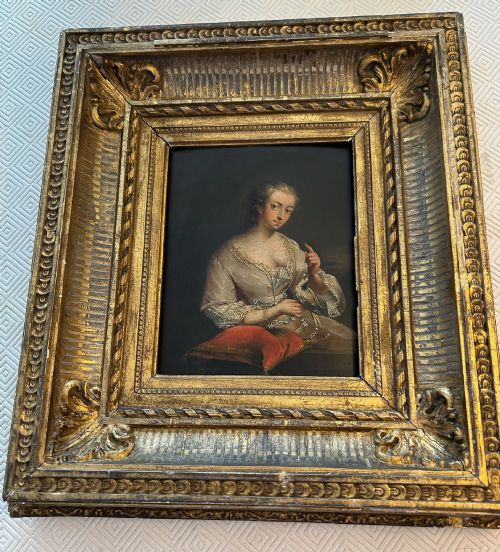
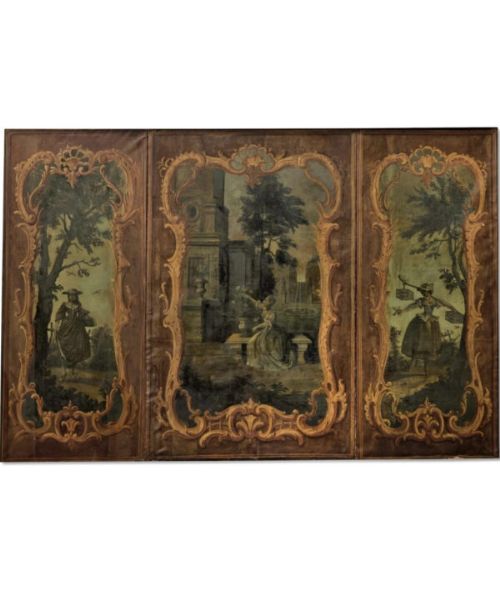
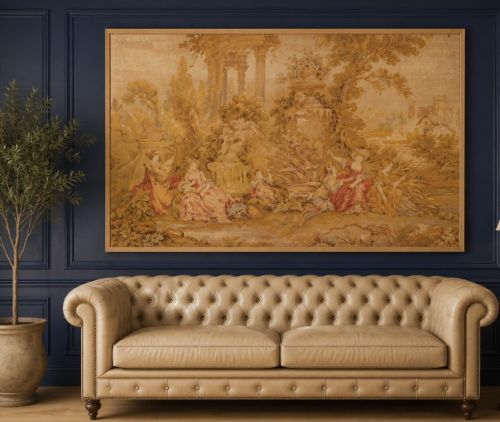
Vintage French Wall Panels
Vintage french wall panels range from carved wood and trumeau mirrors to tapestries and oil paintings that transform interior spaces with historical character.
Vintage French Wall Panels
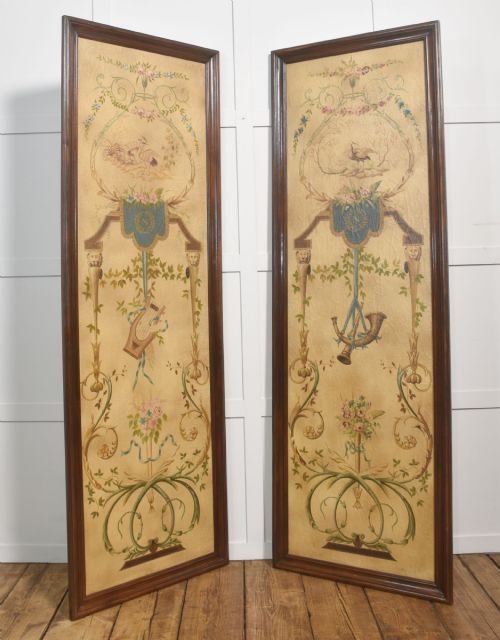
Vintage french wall panels encompass a diverse selection of decorative items designed for interior vertical display, including carved wooden panels, trumeau mirrors, and textile wall hangings. These pieces bridge architectural salvage and fine art, bringing distinct continental styles into domestic settings.
The items found within vintage french wall panels span multiple centuries, originating from the seventeenth century through to the art deco period of the nineteen twenties and thirties. Buyers encounter everything from provincial oak carvings and pastoral needlework tapestries to gilt framed trumeau mirrors and painted canvas panels.
Stylistic variety runs from baroque and french rococo grandeur down to simpler provincial interpretations and neoclassical designs. This breadth allows collectors to source items suited for grand formal rooms or more understated interior schemes.
How they were made
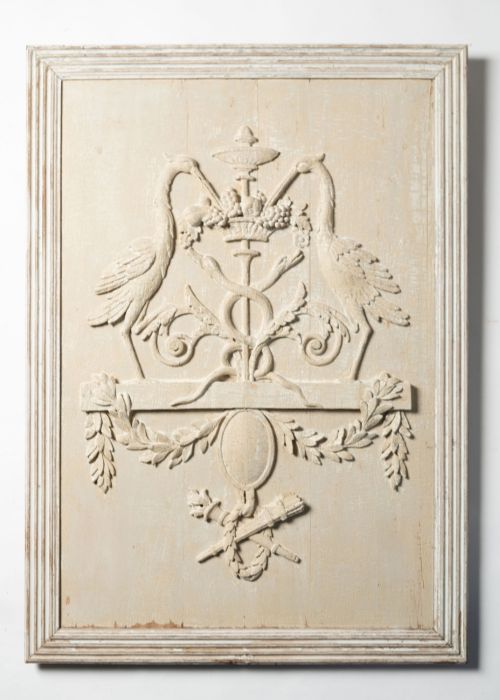
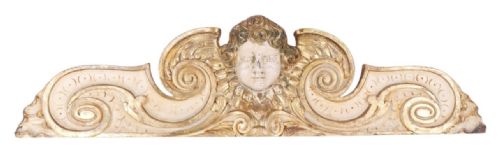
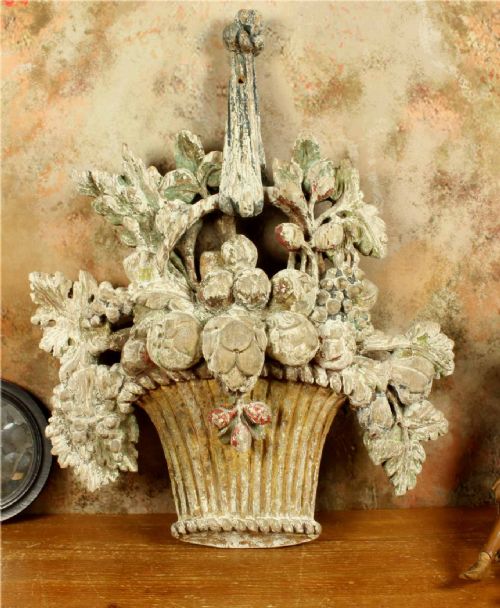
Makers utilised traditional woodworking techniques, carving detailed reliefs, floral baskets, and cherubs directly into timber such as oak and painted wood. Gesso and paint layers were often applied to wooden panels and trumeau frames to achieve finished decorative surfaces.
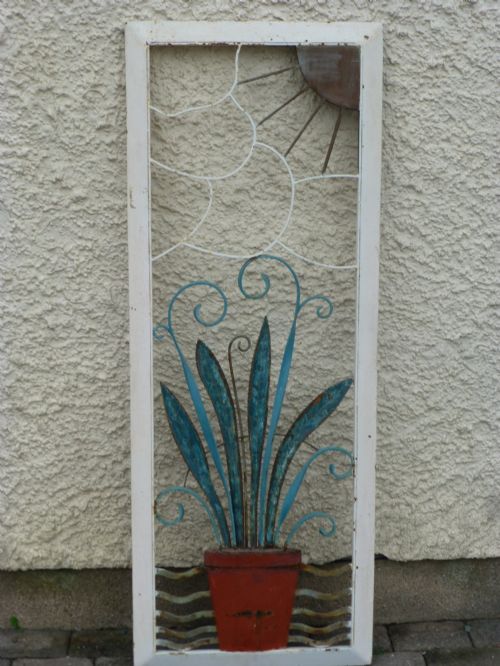
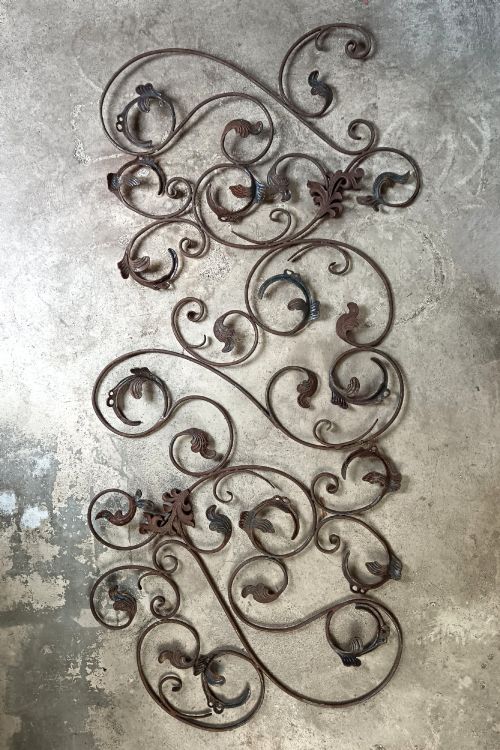
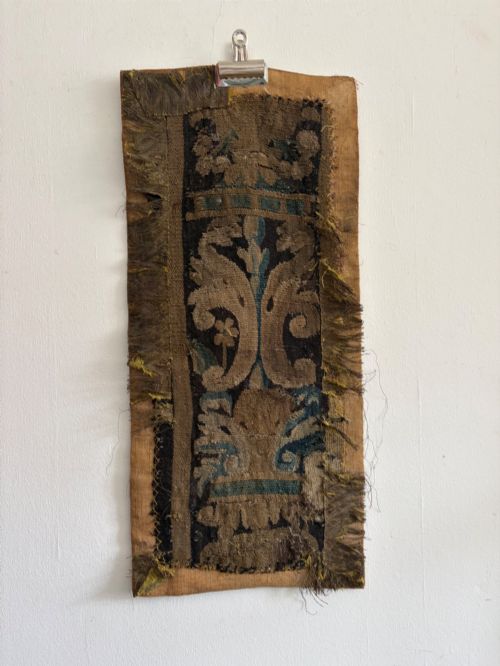
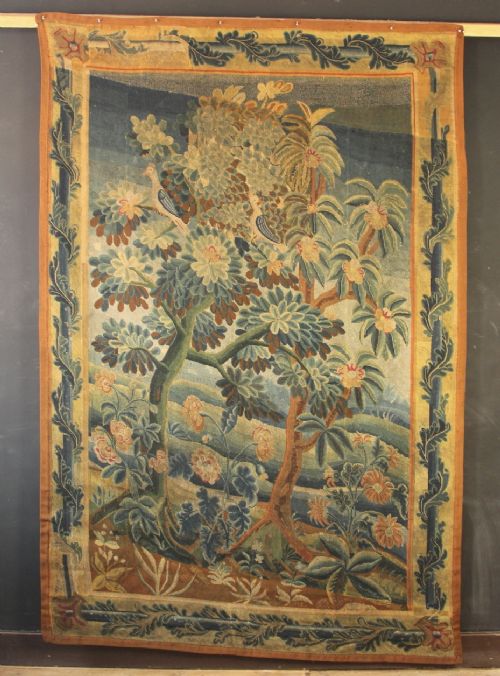
Textile works rely on wool, silk, cotton, and needlework, often mounted to linen or structured as woven tapestries and verdure fragments. Metal elements also appear, incorporating wrought iron, bronze, brass, and copper into architectural scrolls and screens.
Styles span french chateau, french rococo, french provincial, art deco, baroque, neoclassical, and victorian.
What varies in quality
The refinement of the carving or painting dictates the visual strength of each piece, distinguishing skilled artistic handiwork from standard decorative production. Intricacy in wooden reliefs, the handling of oil on panel, and the density of textile needlework set superior examples apart.
Material integrity and the survival of original surface treatments also govern the tier of an item. Original gilt, untouched paint finishes, and well-preserved fibres on antique tapestries retain higher degrees of historical authenticity.
Raymond Subes·Paul-Élie Gernez·Edouard Julien·Jean-Baptiste van Loo·Longwy
The Vintage French Wall Panels Glossary
- Trumeau
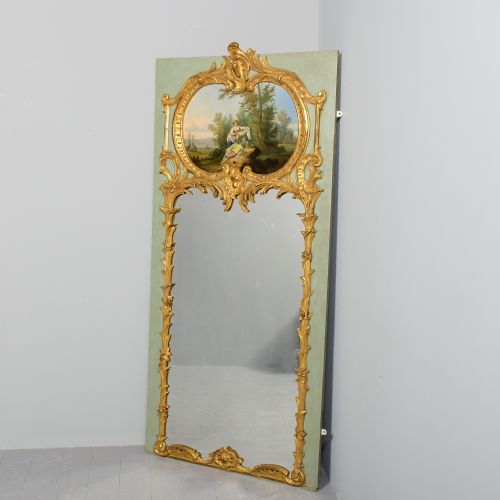
- A decorative wall mirror or panel set into the architecture of a room, often featuring an oil painting or carved relief above the glass.
- Verdure tapestry
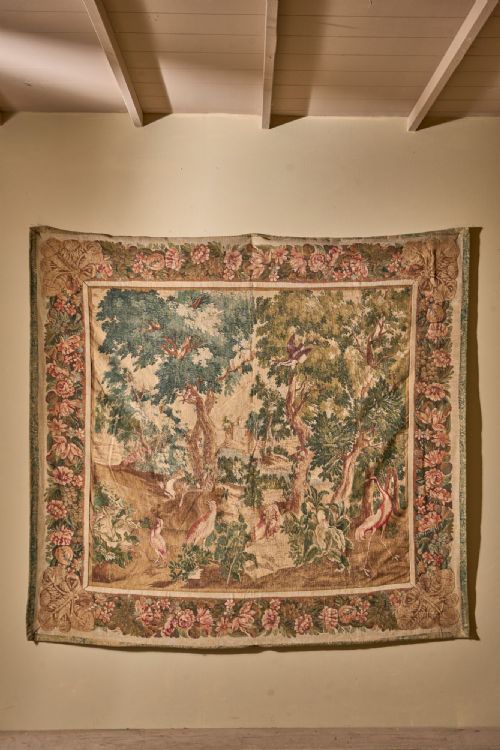
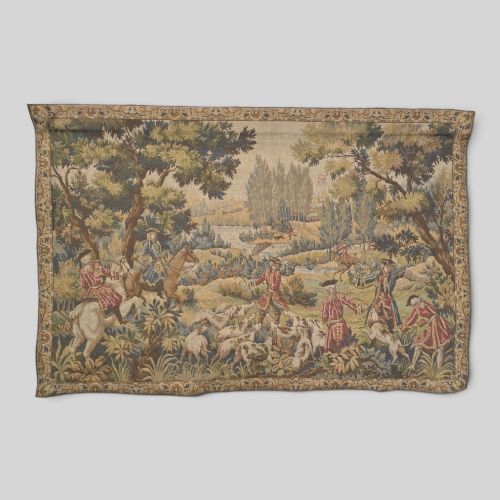
- A woven textile depicting lush foliage, trees, and occasionally animals, frequently dating from the seventeenth or eighteenth centuries.
- Gesso
- A plaster mixture applied to wood or canvas as a base for moulding and gilding.
- Needlework
- Hand-stitched textile work using wool or silk threads on a canvas or fabric ground.
- Toile
- A type of fabric featuring printed pastoral or figurative scenes.
- Cartouche
- An ornamental tablet or panel frame, often enclosed in a scroll-like border.
Vintage French Wall Panels: Frequently Asked Questions
What are vintage french wall panels?
Vintage french wall panels comprise a wide assortment of decorative architectural elements, carved wooden panels, framed mirrors, and textile hangings originating from France.
They serve as focal points for interior decoration, bringing period charm and craftsmanship into modern spaces.
How were antique tapestries displayed?
Antique tapestries were traditionally hung on stone or panelled walls to add warmth and decorative narrative to large rooms.
Today, they are mounted directly to walls or supported on backing linen to preserve the historic textiles.
What is a trumeau mirror?
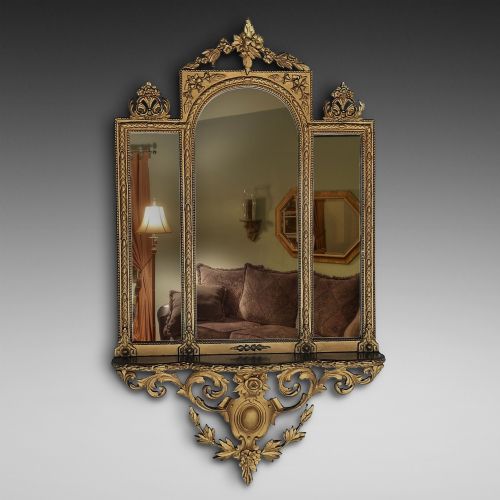
A trumeau mirror is a decorative wall mirror that incorporates an upper panel containing either an oil painting or a carved wooden relief.
Originating in French interior design, they were designed to sit flush between windows or above mantelpieces.
How do I date wooden panels?
Dating wooden panels involves examining the tool marks, timber species, joinery methods, and the style of the carved motifs.
Periods range from seventeenth century provincial oak to nineteenth century gilt carvings and twentieth century art deco works.