
Antique French Cabinet Doors
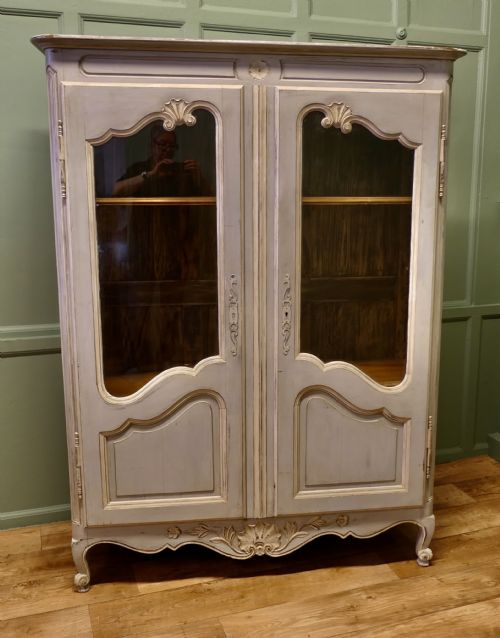
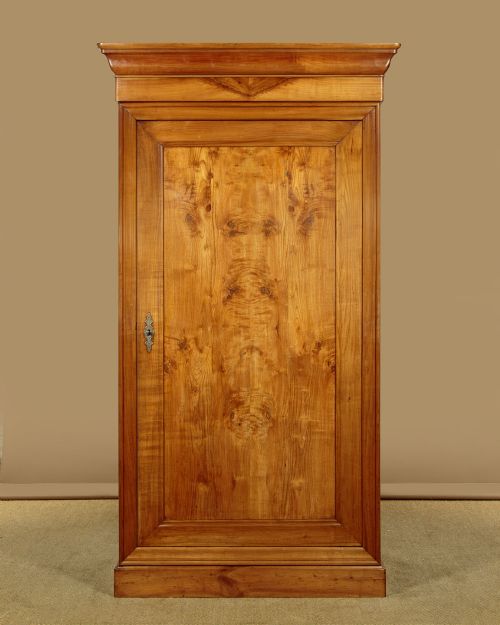
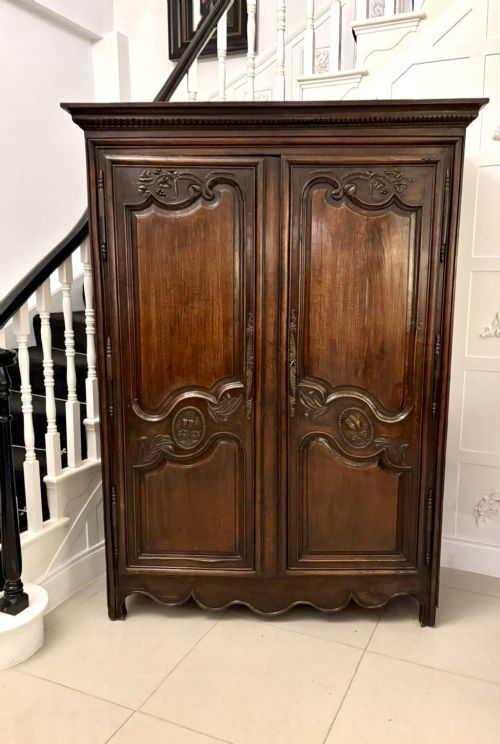
These antique french cabinet doors are the surviving panels of armoires, bookcases and vitrines that bring period character to interiors.
Antique French Cabinet Doors
When you search for antique french cabinet doors, you encounter architectural fragments and timber panels salvaged from large storage furniture such as armoires, enfilades, bookcases and vitrine display cabinets. These pieces originate from various periods including the seventeenth, nineteenth and early twentieth centuries, reflecting regional workshops and metropolitan cabinet-makers alike.
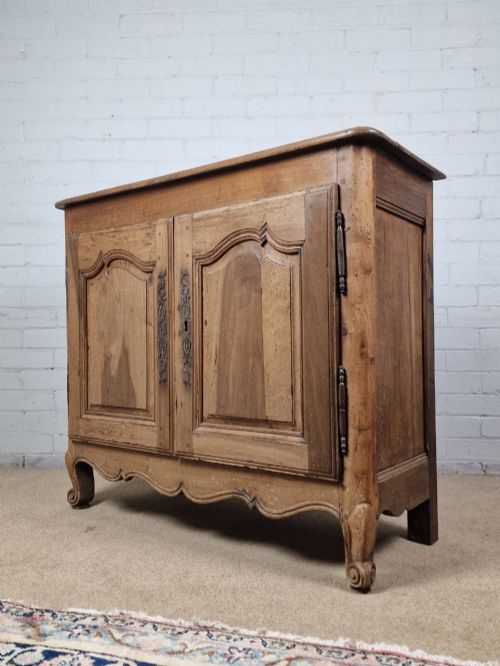
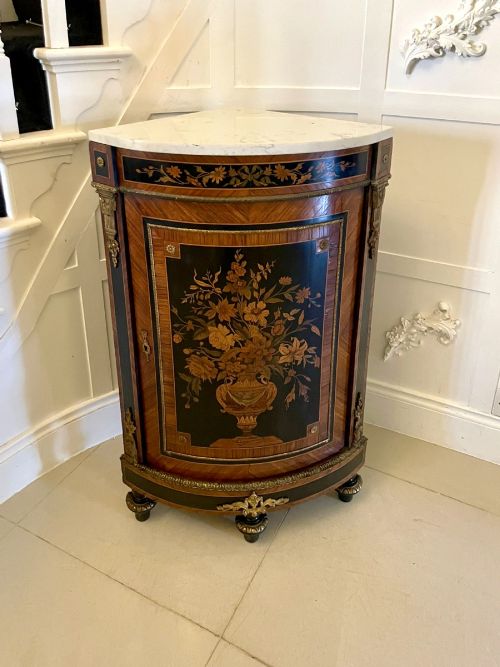
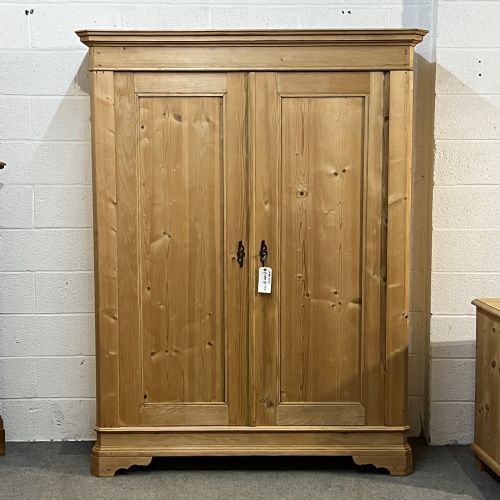
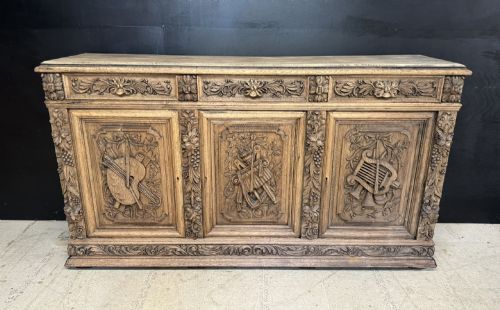
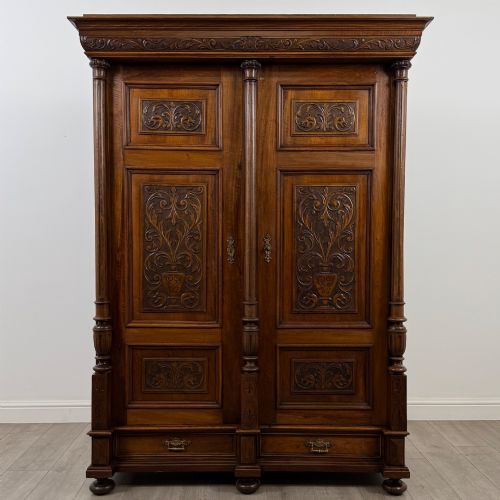
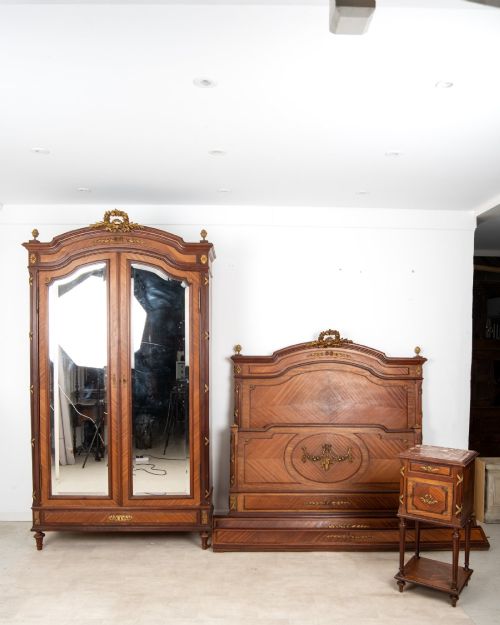
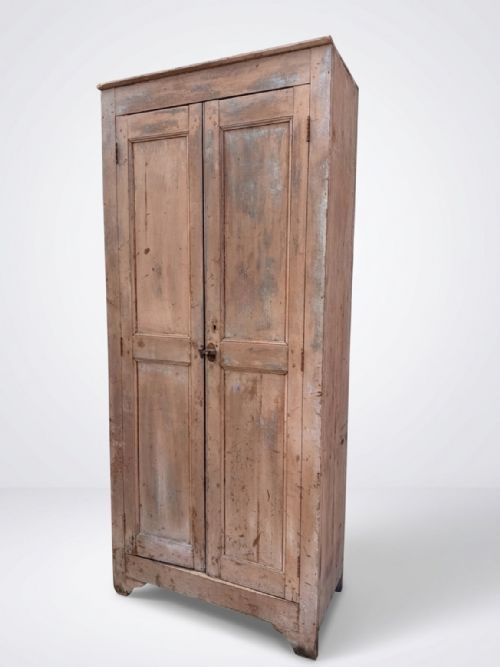
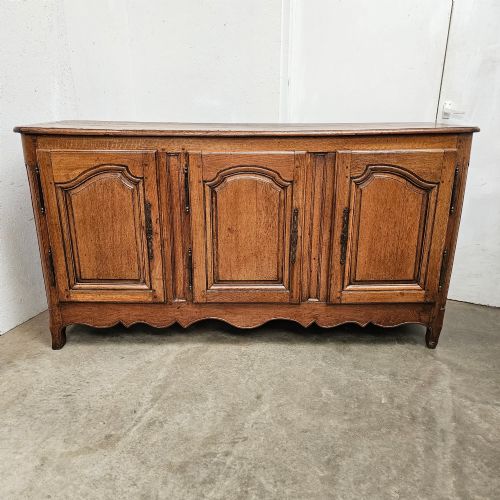
The versions you meet most frequently on this page stem from nineteenth-century walnut, oak, cherry and pine furniture, often displaying styles ranging from French Provincial and Louis Philippe to Louis XVI Revival and Napoleon III. They range from simple fielded panels on country housekeepers cupboards to glazed frames and heavily carved double doors.
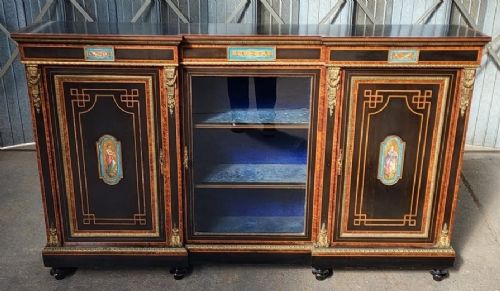
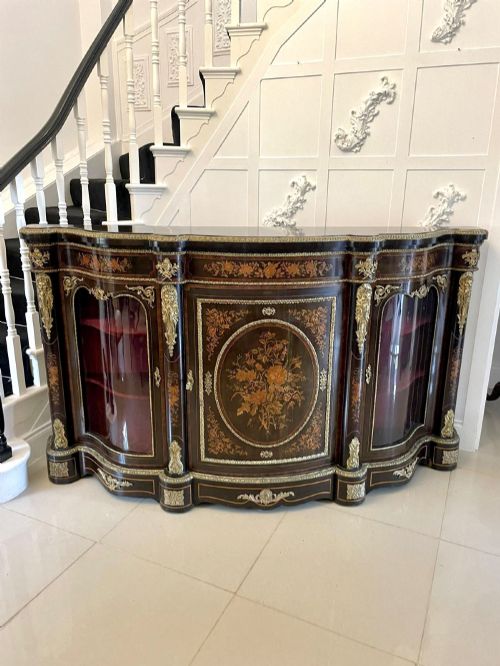
Many of these items preserve original hardware such as brass mounts, iron hinges and ormolu details, connecting them directly to the larger sideboards, wardrobes and cabinets from which they were separated.
How they were made
Cabinet-makers constructed these panels using solid timbers such as French oak, walnut, cherry and pine, frequently applying veneers of kingwood, mahogany, burr walnut or rosewood over supportive carcases. Joinery relied on traditional mortise and tenon frames surrounding raised or flat panels, accommodating the natural movement of timber over decades.
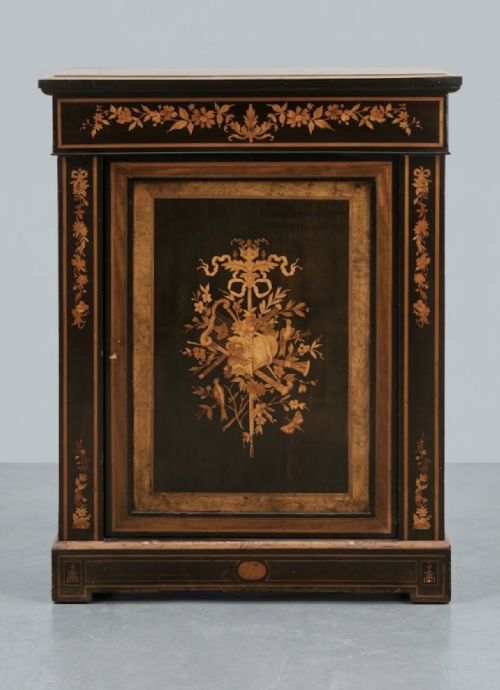
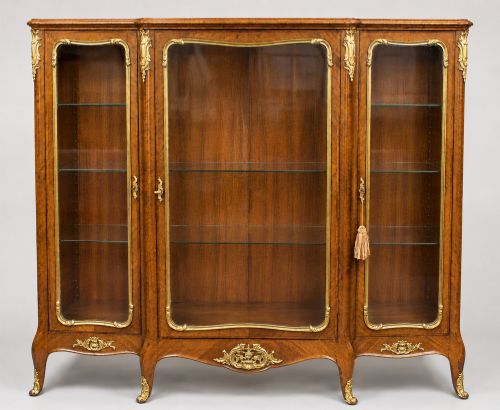
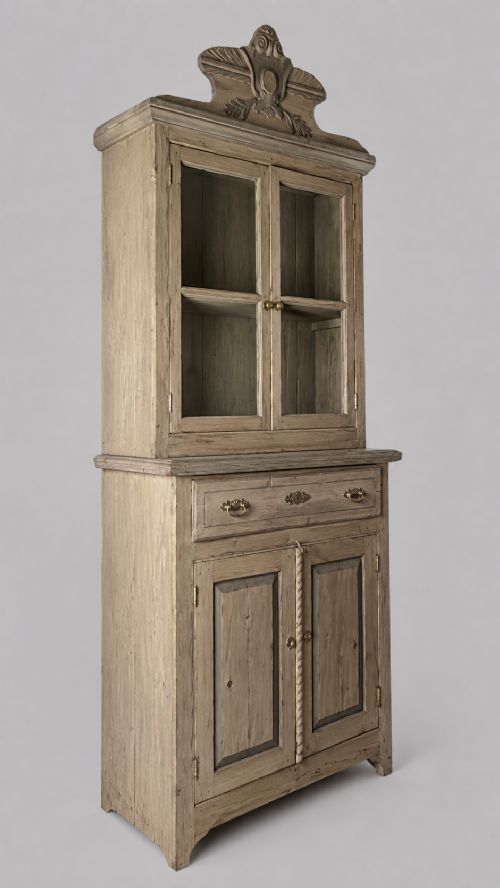
Surface decoration involved meticulous floral marquetry, ebonising, painted finishes and hand-carved mouldings, occasionally accented with cast ormolu mounts, brass banding and gilt-bronze elements fixed with small pins. Glazed variants incorporated timber glazing bars framing individual panes of glass for bookcases and display cabinets.
Listings span periods from the seventeenth century through to the 1930s, featuring walnut, oak, mahogany, pine and brass.
What varies in quality
The distinction between standard utility joinery and exhibition quality work lies in the selection of timbers and the precision of the hand-cut joinery. Dense, highly figured veneers, intricate floral marquetry and heavy cast ormolu mounts indicate workshop production intended for grand salons rather than domestic utility.
Depth of carving and refinement in proportion also separate ordinary provincial pieces from sophisticated revival items. Panels exhibiting crisp mouldings, retained original hardware and balanced timber grain demonstrate superior craftsmanship from their period of origin.
H. J. Hatfield And Sons·Gillows
The Antique French Cabinet Doors Glossary
- Ormolu
- Gilt-bronze mounts applied to furniture for decoration. This technique involves coating bronze in a finely ground gold-mercury amalgam before heating.
- Marquetry
- Decorative patterns formed by fitting together thin veneers of different coloured woods. It appears frequently on nineteenth-century cabinet surfaces.
- Enfilade
- A long sideboard or buffet featuring a sequence of doors along the front. These large storage pieces often provided architectural timber doors for salvage.
- Vitrine
- A glass-fronted display cabinet designed for porcelain and curiosities. Their glazed doors allow light to pass through the front elevation.
- Provincial
- Furniture made in the regions outside major metropolitan centres. These items utilise local timber species like oak, cherry and fruitwood.
Antique French Cabinet Doors: Frequently Asked Questions
What were antique french cabinet doors used for?
These panels originally served as the functional entry points to large case furniture, including wardrobes, bookcases, enfilades and corner cabinets. They protected stored textiles, books and domestic goods from dust while displaying the decorative style of the maker.
Today, they are frequently repurposed for interior architectural projects, wall hanging, or as bespoke cupboard fronts in kitchen and library installations.
How do I date antique french cabinet doors?
Dating relies upon timber selection, construction methods, and stylistic cues such as hardware and surface finishes. Seventeenth-century examples typically feature heavy, hand-sawn oak, whilst nineteenth-century pieces often display machine-planed timber, burr veneers, or distinct revival motifs like Louis Philippe or Napoleon III styling.
Examining the hinge marks, screw types, and joinery behind the frame provides further physical evidence of the decade or century in which the timber was worked.
How should I live with antique french cabinet doors?
Integrate these panels into a room by mounting them directly onto walls as decorative art or incorporating them into custom cabinetry and architectural joinery. Their patinated wood surfaces and carved details add immediate historical depth to modern or traditional interiors.
Keep them away from direct heat sources and sudden humidity changes to prevent the timber panels from warping or the historic veneer from lifting.
What is the difference between provincial and revival doors?
Provincial pieces originate from regional workshops and typically utilise local woods such as oak, cherry, fruitwood and pine with simpler, sturdy construction. They prioritise utility and straightforward fielded panels suited to country houses and farmhouses.
Revival pieces, such as those in the Louis XVI style, reflect metropolitan workshop standards with exotic veneers, symmetrical marquetry, and refined ormolu mounts designed to emulate earlier royal aesthetics.