



Louis XVI Style Panels
Louis xvi style panels bring classical symmetry and refined French ornament into a room, offering an immediate sense of architectural poise.
Louis XVI Style Panels
These items encompass architectural elements, mirror frames, clock housings, and furniture components created within the Louis XVI style and its later revivals. Buyers seeking louis xvi style panels typically encounter decorative wall mirrors, room dividers, painted doors, and cabinet sections originating from the nineteenth century.
The aesthetic draws heavily on classical antiquity, using rectilinear framing, urn motifs, and restrained ornamentation rather than the heavy curves of earlier periods. Pieces on this page span from the 1870s through the early twentieth century, reflecting sustained nineteenth-century French taste for neoclassical revivalism.
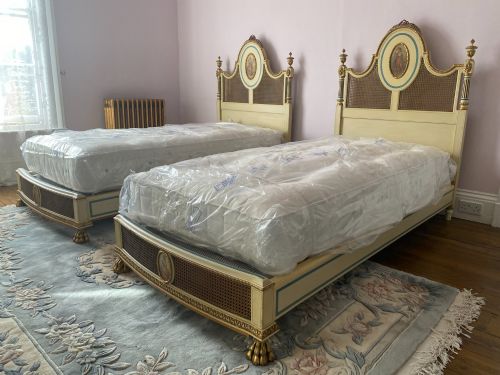
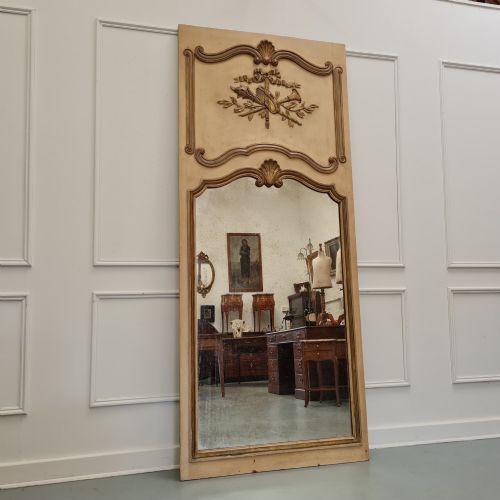
Forms vary from large trumeau wall mirrors to multi-panel folding screens and inset furniture doors. Many incorporate painted surfaces, carved wood, or applied porcelain plaques alongside traditional gilt bronze mounts.
Materials and Construction
Wood serves as the primary structural base, frequently enhanced with paint, gold leaf, or parcel gilt finishes. Artisans applied hand carving and polychrome decoration to timber surfaces to achieve the characteristic neoclassical finish.
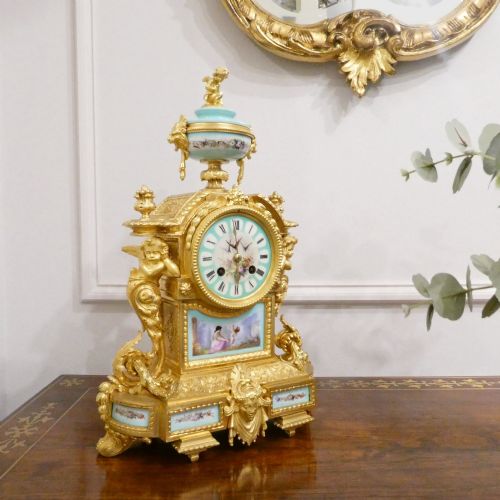
Decorative hardware relies on gilt bronze, ormolu, and enamel elements, often framing porcelain panels or glass plates. These metal mounts and ceramic inserts require specialist casting and firing techniques typical of high-end nineteenth-century French workshops.
Louis XVI Style Panels Retail Price Guide 2026
Typical asking prices for louis xvi style panels among the pieces listed under this phrase on Sellingantiques today, from the lower quarter to the upper quarter. They describe what is for sale here now, not the wider market.
One persistent nineteenth-century craftsman clearly decided that clocks simply must wear porcelain portraits while keeping time.
Quality and Craftsmanship
Differentiation in these pieces rests upon the precision of the hand carving and the finesse of the painted or gilded surfaces. Superior examples display crisp detail in the wooden mouldings and finely executed hand-painted portrait or floral panels.
The integration of materials also dictates standard, with high-grade items using properly fitted ormolu mounts and genuine porcelain plaques rather than mass-produced substitutes. The structural integrity of the underlying timber frame determines longevity and enduring presentation.
JP Delettrez
The Louis XVI Style Panels Glossary
- Trumeau
- A decorative wall mirror or panel featuring an upper painting or carving above a glass plate. These architectural elements originated in French interiors during the eighteenth century.
- Ormolu
- Gilded bronze mounts applied to furniture, clocks, and architectural woodwork. The technique involves applying a mercury-gold amalgam to a bronze base, though later nineteenth-century pieces often used electroplating.
- Parcel Gilt
- A surface treatment where only specific carved details or mouldings are highlighted with gold leaf. This technique creates contrast against a painted or natural wood background.
- Polychrome
- Decoration employing multiple colours, frequently seen in hand-painted floral or portrait panels. It requires careful brushwork to achieve depth and realism.
Louis XVI Style Panels: Frequently Asked Questions
What defines louis xvi style panels?
These pieces are characterised by classical symmetry, straight lines, and restrained neoclassical ornament. They typically date from nineteenth-century revival periods.
Craftsmen used carved wood, paint, gold leaf, and porcelain inlays to achieve an architectural and balanced appearance.
How were trumeau mirrors used?
Trumeau mirrors were designed to be mounted directly onto walls, often positioned above mantelpieces or between windows. They combined glass plates with decorative painted or carved panels above.
This arrangement reflected light around the room while serving as a permanent architectural fixture in formal interiors.
Where do these pieces originate?
The items originate predominantly from French workshops operating during the nineteenth and early twentieth centuries. They reflect the revival of eighteenth-century neoclassical aesthetics.
Cabinetmakers and specialist gilders produced these works to satisfy demand for classical French interior decoration.
How do I care for gilded wood?
Gilded and painted wooden surfaces require gentle dusting with a dry, soft cloth. Avoid using liquid cleaners or abrasive materials that can damage delicate gold leaf.
Keep pieces away from direct sunlight and moisture fluctuations to preserve the underlying timber and finish.