





French Chateau Cabinet Doors
These french chateau cabinet doors bring architectural character and substantial weight to an interior, salvaged from period properties.
French Chateau Cabinet Doors
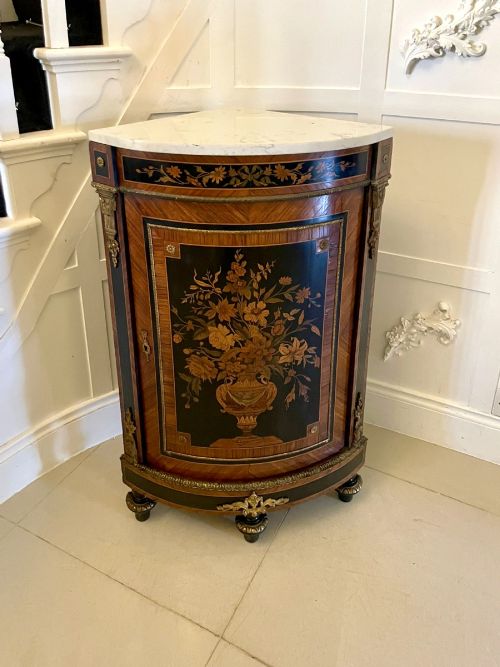
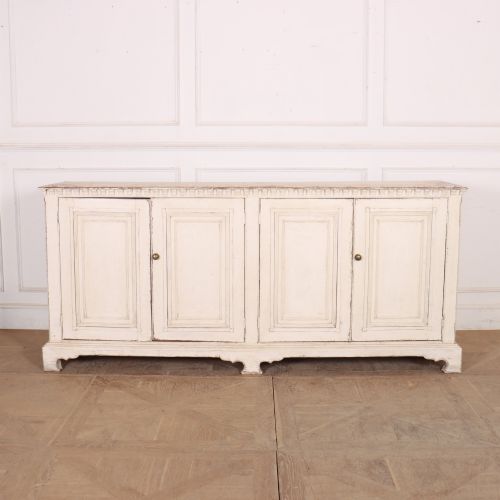
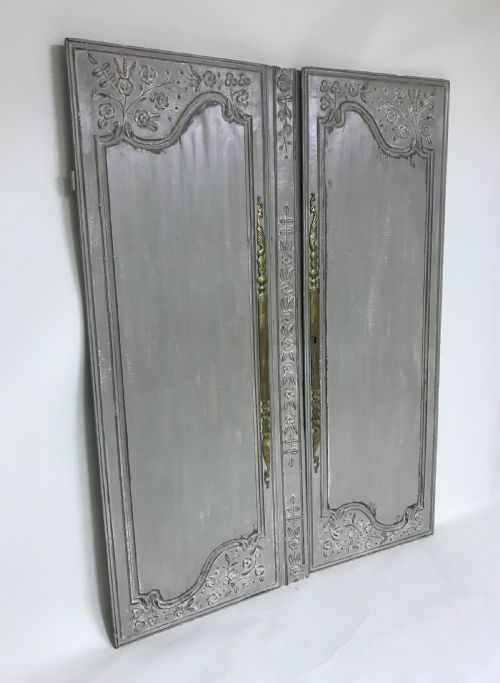
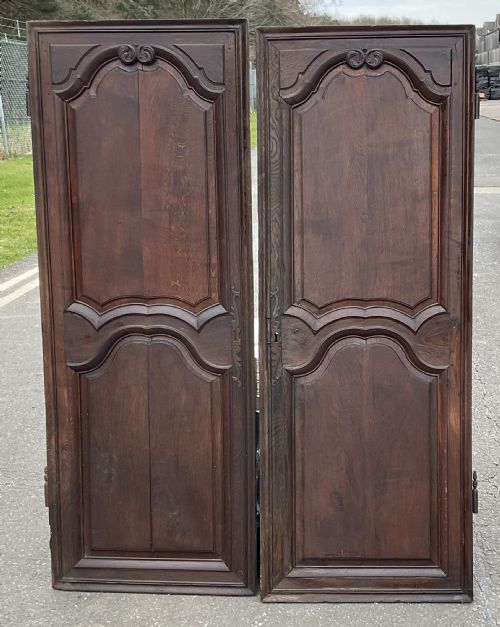
When you search for french chateau cabinet doors, you are looking at architectural salvage and furniture elements rooted in European country houses and town residences. The items appearing under this heading range from dedicated wooden doors in walnut and painted finishes to complete cupboards, corner cabinets, and armoire fronts dating across several centuries. You are most likely to encounter substantial pairs of wooden doors and cabinet panels originating from the nineteenth century alongside eighteenth-century examples.
The objects span formal styles such as Louis XVI and Italian Neoclassical alongside rustic French Provincial forms. Pieces include hand-carved woodwork, painted surfaces, and mounted brass or bronze hardware that reflect the domestic architecture of their period. Whether designed as standalone cupboard fronts or integrated into sideboards and enfilades, these pieces retain the original proportions and construction methods of historic French joinery.
How They Were Made
Construction relies heavily on solid walnut and pine, shaped through traditional joinery techniques and hand carving. Carpenters utilised mortise and tenon framing to build sturdy door structures capable of holding heavy timber panels without warping over decades of use.
Surface treatments vary between natural timber finishes, painted wood, and delicate wood veneer marquetry. Metal elements such as brass door handles, iron hinges, and bronze mounts were cast and fitted by hand to complement the carved woodwork.
French Chateau Cabinet Doors Retail Price Guide 2026
Typical asking prices for french chateau cabinet doors among the pieces listed under this phrase on Sellingantiques today, from the lower quarter to the upper quarter. They describe what is for sale here now, not the wider market.
Several listings include matched pairs of brass and china door handles ready to turn after more than a century of waiting.
What Varies in Quality
Quality rests primarily in the depth and crispness of the hand carving and the selection of timber. Superior examples exhibit finely detailed floral or geometric motifs cut directly into the solid wood rather than applied decorative compo.
The integrity of the original hardware and the survival of early painted or polished surfaces also dictate the standing of a piece. Substantial thickness in the timber panels and untouched historical joinery separate standard architectural salvage from exceptional examples.
The French Chateau Cabinet Doors Glossary
- Walnut
- A dense, hard timber prized for its rich dark grain and stability in traditional furniture making. It was frequently used for high-status French doors and cabinets.
- Marquetry
- The art of applying decorative pieces of veneer to a structural structure to form intricate pictures or geometric patterns. This technique appears on finer cabinet doors.
- Louis XVI Style
- A neoclassical design movement characterised by straight lines, symmetry, and classical architectural motifs such as fluting and ribbanry. It emerged in France during the eighteenth century.
- Enfilade
- A suite of formally aligned rooms or a long sideboard designed to serve a dining room or salon. These large pieces often incorporate grand cabinet doors.
- Provincial
- Pertaining to the regions of France outside Paris, denoting furniture and architectural elements that adapt high-style designs with local materials and simpler execution.
French Chateau Cabinet Doors: Frequently Asked Questions
How were these cabinet doors originally used?
These doors served as closures for architectural wall cupboards, armoires, and built-in storage in European houses. They separated rooms or concealed domestic provisions while adding decorative presence to an interior.
Over time, many panels and doors have been salvaged from dismantled furniture or demolished buildings to be repurposed as wall decoration or fitted into modern cabinetry.
How do I clean and maintain antique wood doors?
Dust the timber regularly with a soft, dry cloth to prevent grit accumulation in the carved recesses. Avoid commercial silicone polishes, which can build up on historic wax or oil finishes.
Maintain stable indoor humidity levels to prevent the solid wood panels from splitting or warping. Treat painted surfaces with particular care to preserve the original pigment layers.
How can I tell an eighteenth-century door from a nineteenth-century one?
Eighteenth-century pieces typically show hand-hewn tool marks, pegged joinery, and patinated timber surfaces developed through centuries of handling. The carving tends to be deeper and softer in edge.
Nineteenth-century pieces often reflect revival aesthetics, such as Louis XVI styling, with machine-assisted preparation combined with hand finishing in the detailed carvings and mouldings.
Can these doors be installed in modern door frames?
Historic doors can be adapted for modern architectural openings, though their metric dimensions rarely match standard contemporary doorways. A skilled joiner can adjust the framing or add matching timber extensions.
Consider the weight of solid walnut or panelled construction when selecting modern hinges and hanging systems to support the load safely.