





French Chateau Panel Doors
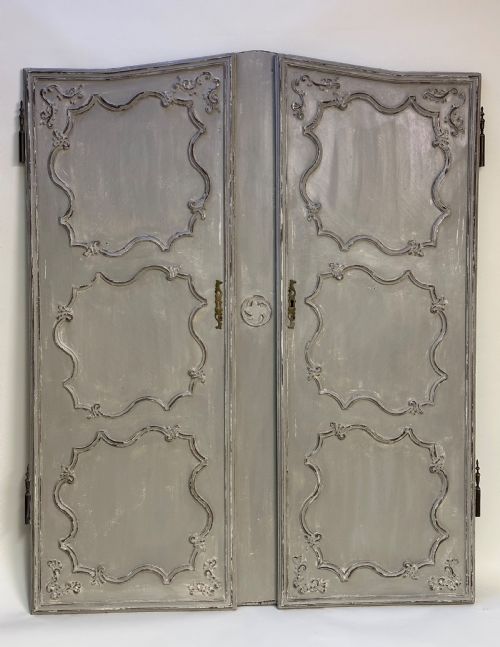
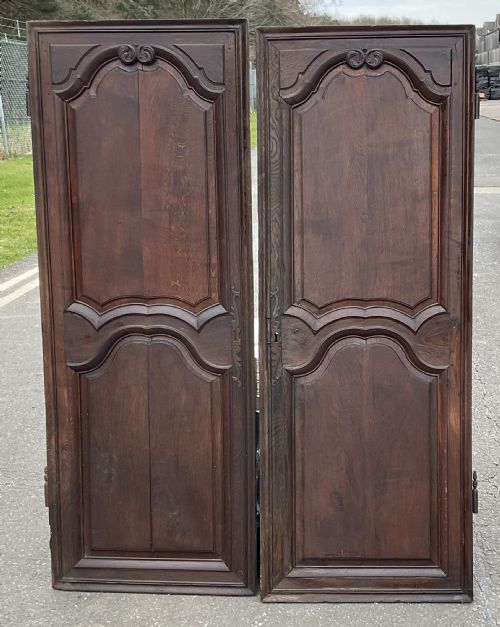
French chateau panel doors bring authentic historic architectural character into a room, offering substantial timber forms and intricate hand-carved detailing.
French Chateau Panel Doors
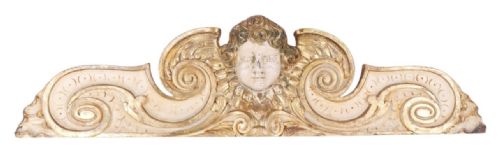
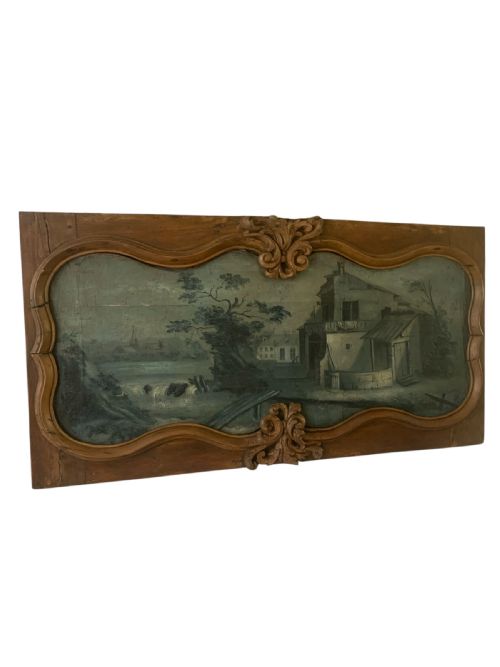
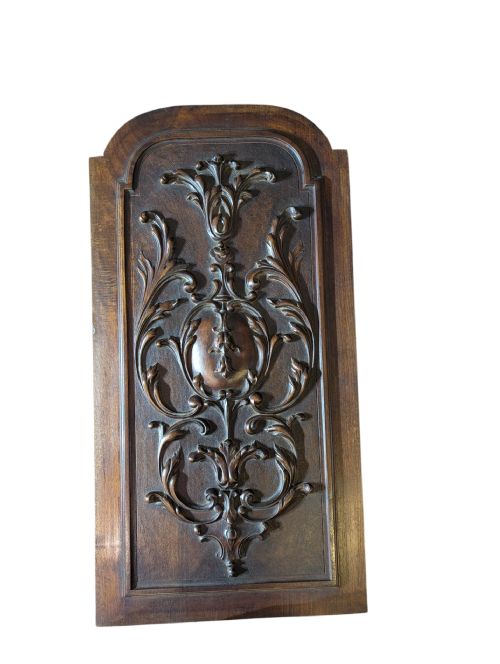
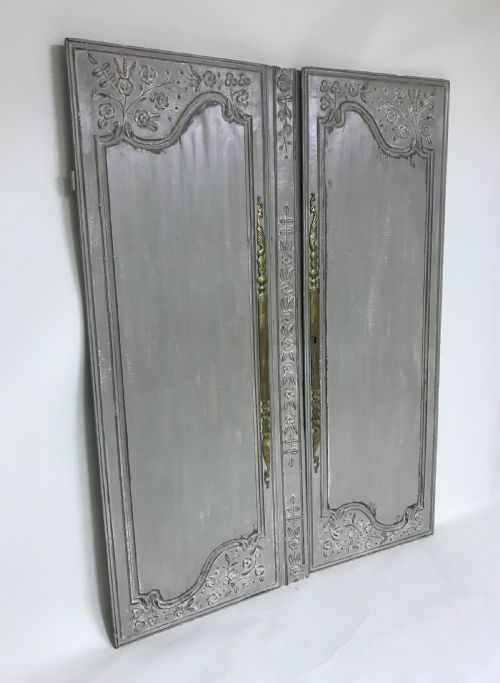
These pieces encompass architectural salvage, cabinet doors, wall reliefs, and overdoor panels that originate from historic French interiors. When searching for French chateau panel doors, a buyer encounters substantial architectural elements designed to divide spaces or adorn grand rooms.
The selections on this page span the eighteenth and nineteenth centuries, featuring periods such as seventeen-fifty, eighteen-ninety, nineteen-hundred, and nineteen-twenty. Forms range from individual carved wooden overdoors and antique wall panels to complete pairs of doors and matching sets.
Originating from French provincial and chateau contexts, the inventory includes specific regional styles like French Rococo, Baroque, and Louis XVI. Cabinets, armoires, and wardrobes also appear, demonstrating how these panels function within larger architectural and furniture traditions.
Construction and materials
Makers utilised dense hardwoods such as walnut and oak as the foundational structure for these panels and doors. These timbers provided the durability required for heavy architectural use and large-scale furniture construction.
Surface decoration relies heavily on hand carving directly into the wood, supplemented by paint, gesso, and gold leaf applications. Iron and brass components frequently complete the hardware and structural assembly of the doors.
French Chateau Panel Doors Retail Price Guide 2026
Typical asking prices for french chateau panel doors among the pieces listed under this phrase on Sellingantiques today, from the lower quarter to the upper quarter. They describe what is for sale here now, not the wider market.
Listings incorporate walnut, oak, paint, gesso, gold leaf, iron, and brass across eighteenth and nineteenth-century forms.
Assessing quality and craftsmanship
The depth and precision of the hand carving distinguish finer examples from simpler provincial work. Reliefs depicting specific motifs, such as cherubs or elaborate Rococo scrolls, demonstrate superior sculptural skill.
The integrity of the original surface finish, whether aged paint, exposed walnut, or traces of gold leaf, marks the distinction between untouched historic pieces and heavily altered surfaces.
The French Chateau Panel Doors Glossary
- Architectural salvage
- Building components rescued from demolition or renovation for reuse in interior design. These items preserve historic craftsmanship.
- Overdoor
- A decorative panel or painting positioned directly above a doorway, often elaborately carved. These architectural elements elevate the grandeur of a room.
- Gesso
- A plaster-like mixture applied to wood surfaces to prepare them for painting or gilding. It provides a smooth base for fine decorative work.
- Louis XVI
- A neoclassical French design style characterised by straight lines and classical motifs. It succeeded the more flowing Rococo aesthetic.
- Armoire
- A large wardrobe or cupboard with doors, often constructed with panelled timber. These pieces share stylistic traits with architectural doors.
French Chateau Panel Doors: Frequently Asked Questions
How were overdoor panels used?
Overdoor panels were mounted directly above interior doorways to add decorative emphasis and visual height to grand rooms. They often featured carved figures or painted scenes.
In historic settings, they served to unify the architectural language of high ceilings and formal salons.
How do I identify Louis XVI style?
Louis XVI pieces display a shift away from curved Rococo lines toward more restrained, symmetrical, and classical geometric forms. Carving often includes architectural mouldings and classical motifs.
This style dates predominantly to the later eighteenth century and appears on both furniture panels and architectural woodwork.
Can I use cabinet doors as wall decor?
Cabinet doors and architectural wall panels function well as mounted wall art or decorative reliefs. Their substantial timber frames and carved details provide immediate focal points.
Many examples retain original paint, gold leaf, or natural walnut finishes suited for interior display.