

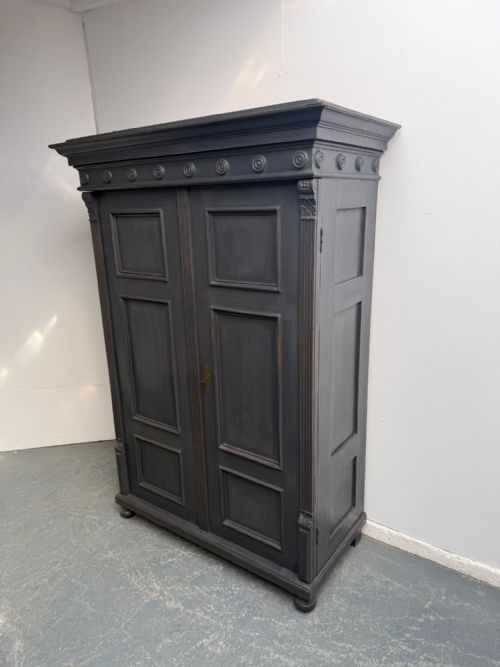


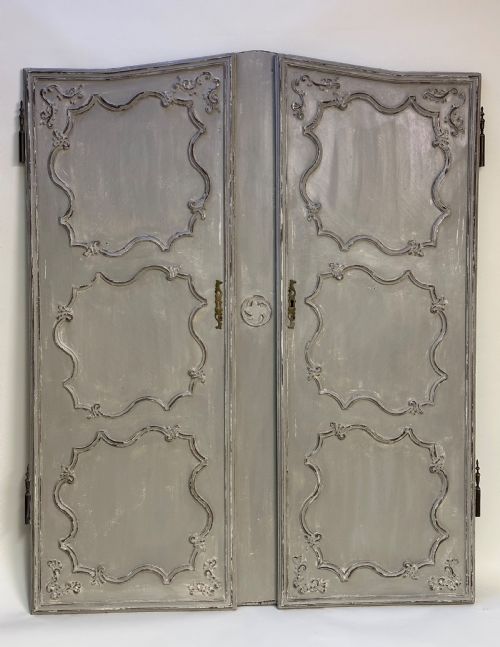


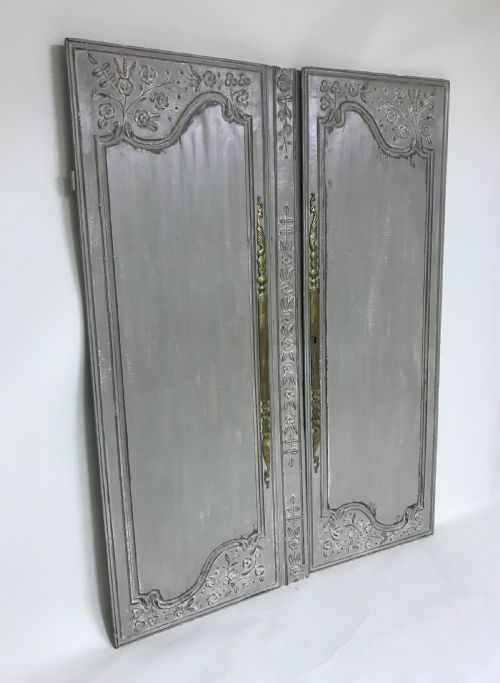


Grey Painted Wooden Doors
Grey painted wooden doors bring architectural character and painted patina to an interior, offering practical division of space with historic charm.
Grey Painted Wooden Doors
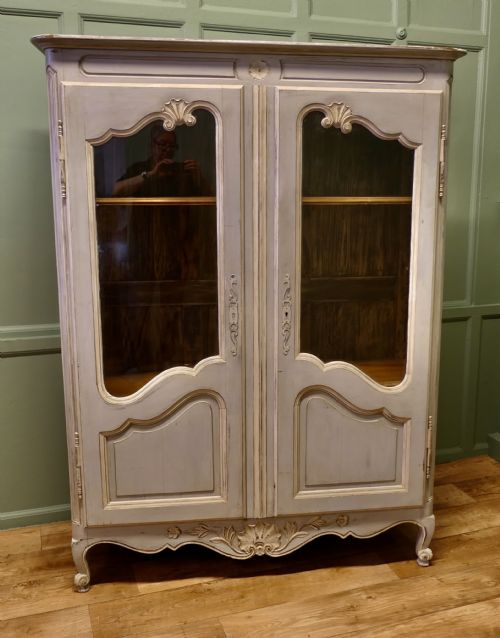
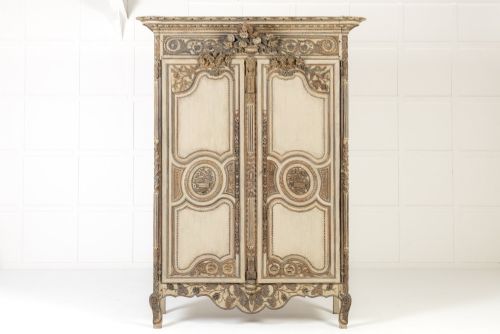
When you search for grey painted wooden doors, you encounter architectural salvage and architectural elements sourced from continental Europe, spanning the eighteenth century through to the twentieth century. These pieces include pairs of timber doors designed for room divisions or cupboards, often retaining their original or layered historical paint finishes.
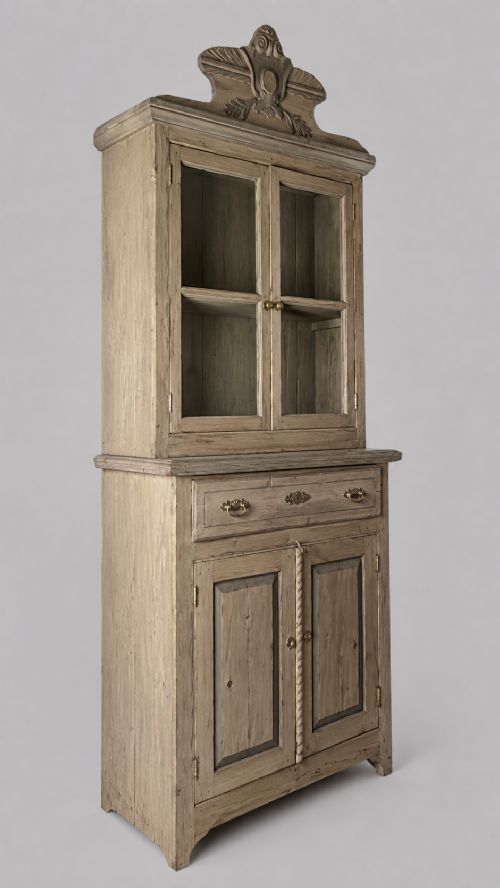
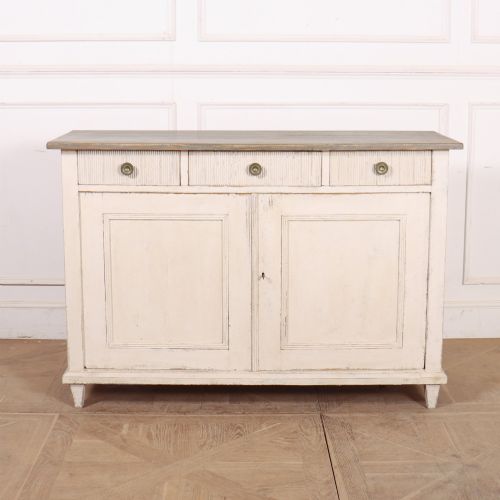
The selection here draws heavily from French, Scandinavian, and Italian traditions, encompassing specific regional styles such as French Provincial, French Country, and Scandinavian Country. Alongside standalone pairs of doors, the inventory reflects related painted cabinetry and architectural fragments that share the same material palette and decorative finishes.
Makers and joiners constructed these items from sturdy domestic timbers, applying paint layers that have aged into soft grey tones over decades of use. Buyers turn to these items to introduce genuine period texture, height, and architectural depth into domestic or commercial interiors.
How they were made
Makers built these pieces primarily using solid woods such as pine, oak, walnut, and cherrywood, joined using traditional cabinet-making and carpentry techniques appropriate to their period of origin. Carpenters shaped timber panels and frames by hand, often incorporating hand-carved details that reflect regional joinery workshops.
Surfaces received layers of lead-based or oil paints, which over time weathered into muted grey hues such as downpipe grey. Iron and brass hardware, including hinges, locks, and detailing, were integrated into the wooden structures to provide both structural support and functional operation.
Some doors carry the quiet ghosts of forgotten theatre sets, built to deceive the eye before finding a second life indoors.
What varies in quality
The integrity of the underlying timber frame and the originality of the surface finish distinguish examples across the range. Pieces retaining their original hand-applied paint layers without excessive modern intervention demonstrate greater historical authenticity.
The refinement of hand-carved woodwork and the weight and quality of associated brass or iron hardware indicate the standard of craftsmanship invested in the construction. Well-preserved joinery that maintains structural stability despite centuries of environmental exposure represents the higher tier of these architectural items.
The Grey Painted Wooden Doors Glossary
- Architectural salvage
- Building elements and fittings rescued from historic structures for reuse in modern interiors. This includes doors, pelmets, and shutters that retain their original physical character.
- Painted patina
- The accumulated surface texture and colour resulting from age, wear, and multiple layers of historical paint. It provides visual depth that modern synthetic finishes cannot replicate.
- Pelmet
- A wooden architectural framing board mounted above a doorway or window opening. In European joinery, these often feature hand-carved ornamentation matching nearby woodwork.
- Provincial
- Denoting furniture and architectural fittings produced in regional areas rather than capital cities. These items often display robust construction and practical local designs.
Grey Painted Wooden Doors: Frequently Asked Questions
How are antique doors hung in modern walls?
Carpenters typically adapt historic doors to standard modern frames using heavy-duty concealed or surface-mounted brass hinges. Adjustments to the timber edges ensure smooth clearance within contemporary door openings.
For decorative rather than functional use, pairs of doors can be surface-mounted directly to walls as architectural wall panels or headboards.
Can these doors be used outdoors?
These items use historic softwoods and hardwoods finished with traditional paint, making them primarily suited for interior environments. Exposure to harsh weather and persistent moisture can degrade the historic timber and accelerate paint flaking.
Protecting them beneath covered outdoor porches requires careful maintenance and breathable sealants to preserve the underlying wood.
How do I care for the original paint?
Maintenance requires gentle dusting with a dry microfibre cloth to remove debris without disturbing fragile paint layers. Liquid cleaners and chemical solvents should be avoided to prevent stripping the historic pigment.
Wax or specialist conservation products can be applied sparingly if the painted surface shows signs of excessive dryness.
What woods were used for these pieces?
Construction relies heavily on regional timbers including pine, oak, walnut, and cherrywood. Pine served widely for painted cupboard doors and architectural salvage due to its steady availability across Europe.
Hardwoods like walnut and cherry were chosen for pieces requiring finer carved detailing and greater structural density.