


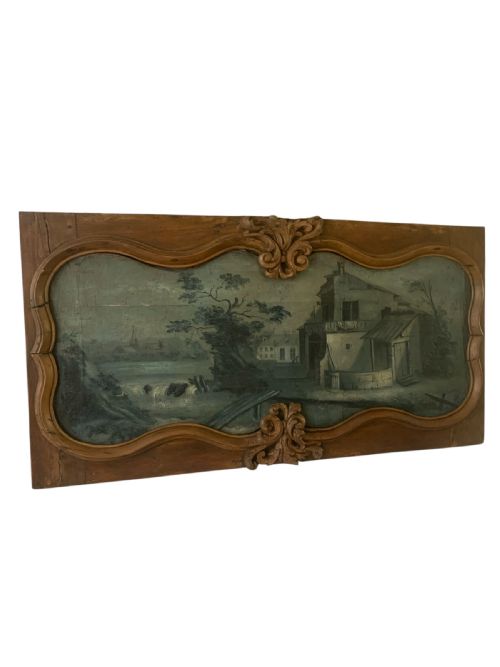


Louis XV Carved Panels
Louis xv carved panels bring genuine French Rococo character to an interior through organic woodwork and fluid lines.
Louis XV Carved Panels
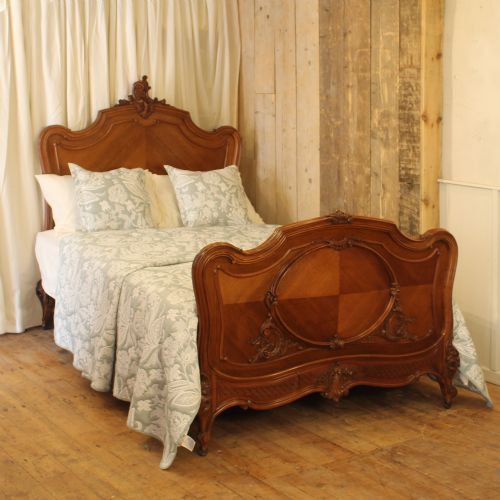
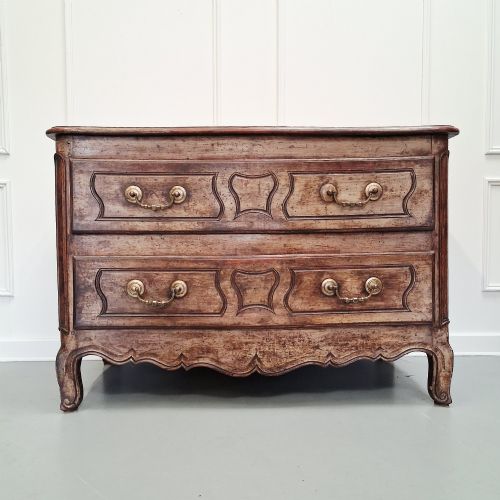
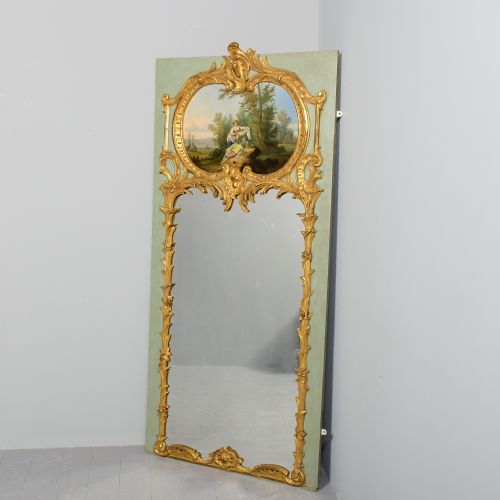
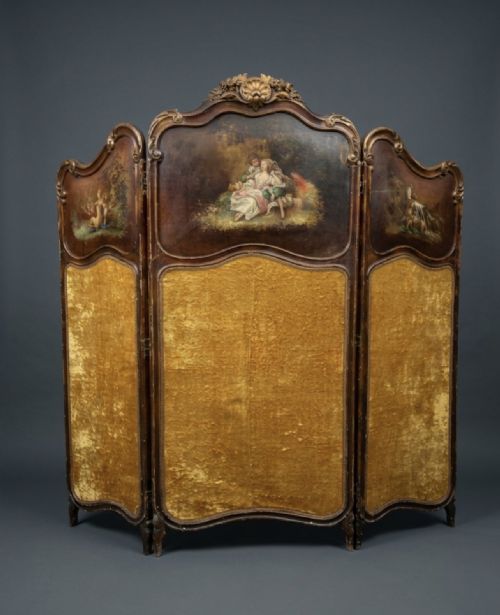
When you search for louis xv carved panels, you encounter architectural elements and decorative furnishings originating from the eighteenth century onwards. These pieces span structural fittings like doors and overdoor panels to decorative trumeau mirrors, boiserie wall sections, and folding screens.
The selection on this page relies heavily on nineteenth-century revivals alongside true eighteenth-century pieces. You will frequently find walnut and oak doors, painted decorative wall panels, and giltwood screens that echo the ornate tastes of French chateaux and provincial interiors.
Forms vary from large architectural salvage elements to smaller furniture components such as modesty screens and bed panels. Each item demonstrates the characteristic asymmetric curves and naturalistic motifs typical of the Rococo style.
Materials and construction methods
The construction of these pieces relies on traditional timber framing using walnut, oak, and cherrywood. Artisans shaped these domestic hardwoods through hand carving, creating deep relief motifs such as scrolling foliage and floral garlands.
Many surfaces feature applied decorative treatments including gesso, giltwood leaf, and hand-painted finishes. Trumeau mirrors and panels often incorporate integrated oil paintings or Vernis Martin varnish work alongside glass plates.
The listings combine foundational woods like walnut and oak with decorative giltwood, brass, and painted finishes.
Judging quality in carved panels
Quality rests primarily on the crispness and depth of the hand carving rather than the mere presence of decoration. Superior examples show fluid, undercut foliage and balanced asymmetry without mechanical uniformity.
The integrity of the original surface finish defines the upper tiers of the range. Retained original paint, undisturbed gilding, and period timber patination elevate a piece significantly above later alterations or heavy over-restoration.
Paul Sormani
The Louis XV Carved Panels Glossary
- Boiserie
- Carved wooden panelling applied to the interior walls of a room. This technique formed an integral part of French interior design schemes.
- Trumeau
- An architectural mirror or painted panel designed to fit the space between two windows or above a fireplace. These frequently incorporate decorative oil paintings.
- Vernis Martin
- A type of decorative lacquer finish developed in eighteenth-century France. It mimics Asian lacquerwork using translucent varnish layers.
- Rococo Revival
- A nineteenth-century design movement that re-interpreted the curves and shell motifs of the original mid-eighteenth-century French style. It appears frequently in revival furniture and architectural fittings.
Louis XV Carved Panels: Frequently Asked Questions
Are these panels from the eighteenth century?
The evidence shows items spanning from the mid-eighteenth century through to later nineteenth-century revivals and early twentieth-century interpretations.
Authentic period pieces exist alongside revival items made to capture the same aesthetic in subsequent decades.
How were these panels used originally?
Architectural panels and carved doors formed the permanent interior woodwork of grand rooms, chateaux, and townhouses. Movable screens and trumeau mirrors served to divide interior spaces or decorate specific wall elevations.
They provided both functional enclosure and sophisticated interior decoration within wealthy European homes.
What woods should I expect to find?
The listings record sturdy timbers suited to architectural joinery and furniture construction, predominantly walnut and oak. Cherrywood and other painted hardwoods also appear frequently among the doors and decorative panels.
These timbers provided stable foundations for intricate hand carving and subsequent surface decoration.
How do I distinguish between periods?
Distinguishing between eighteenth-century originals and later revivals depends on examining tool marks, timber ageing, and construction joints. Eighteenth-century pieces display period-specific hand joinery and natural wear patterns accumulated over generations.
Revival pieces from the nineteenth century often utilise machine assistance while closely copying earlier Rococo forms.