



Antique Cabinet Door Pair
An antique cabinet door pair delivers matched symmetry and timber character to architectural projects.
Antique Cabinet Door Pair
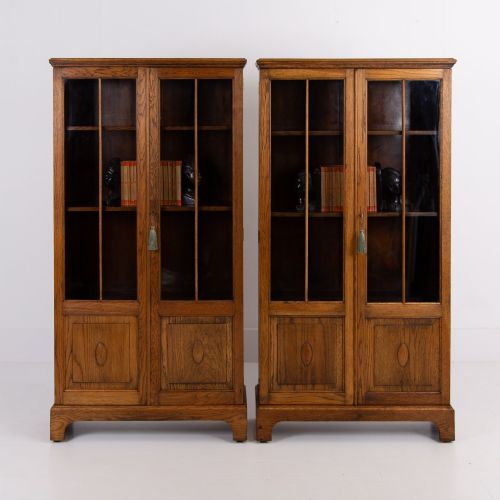
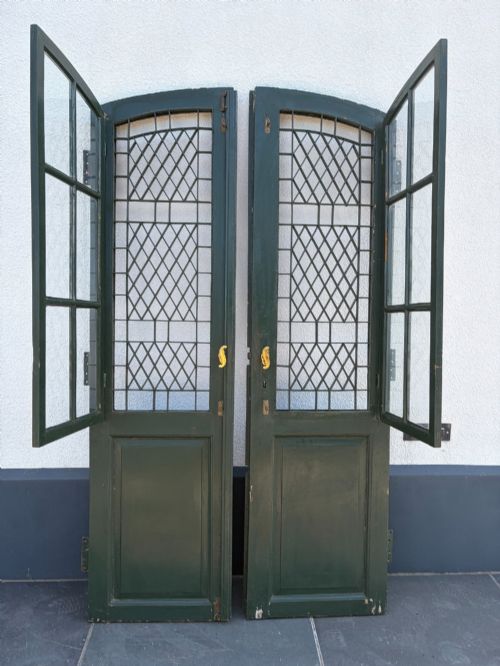
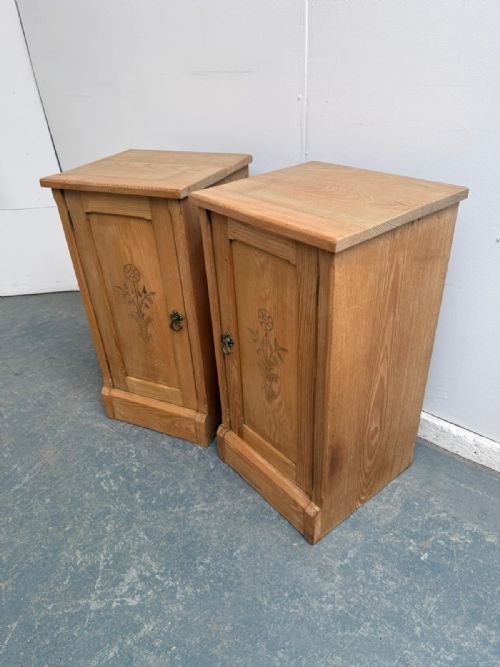
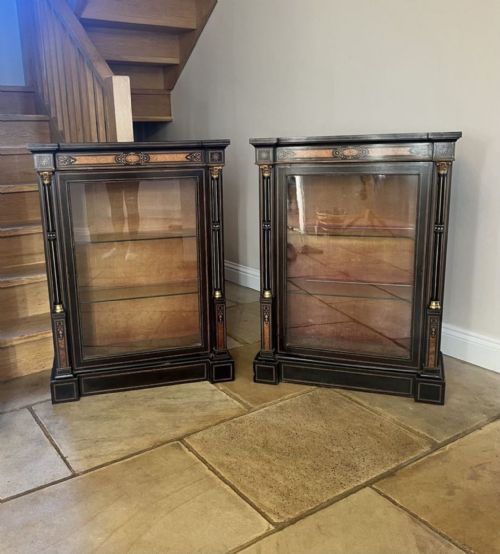
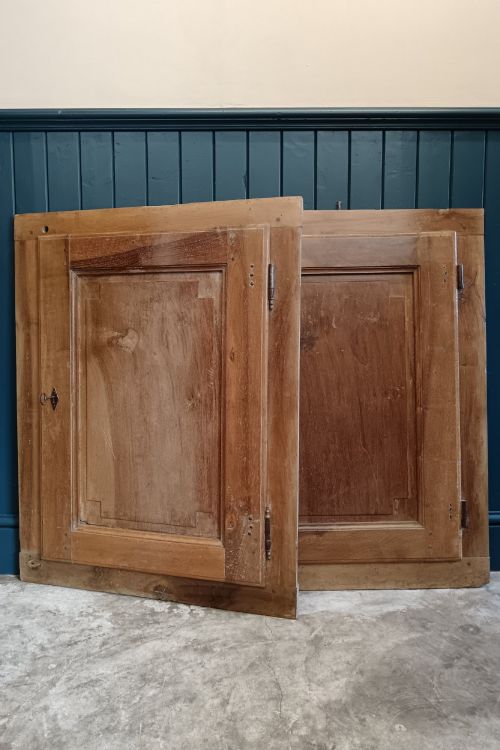
An antique cabinet door pair brings matched symmetry and period timber character to architectural projects and furniture assembly. When searching for an antique cabinet door pair, buyers encounter examples ranging from 18th century Italian walnut cupboard doors to French architectural pine and walnut panels. These matching panels serve to enclose bookcases, side cabinets, and architectural openings with period authenticity.
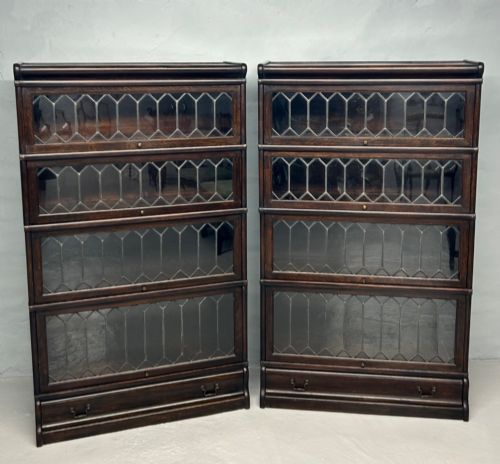
The selections on this page span the 18th, 19th, and early 20th centuries, including Victorian, Georgian, and Regency styles. Buyers frequently meet mahogany, oak, and walnut timbers utilised in these doors, alongside painted rustic finishes and glazed configurations. Such pieces reflect the joinery methods and domestic functions of their respective eras, from country house side cabinets to grand library bookcases.
How they were made
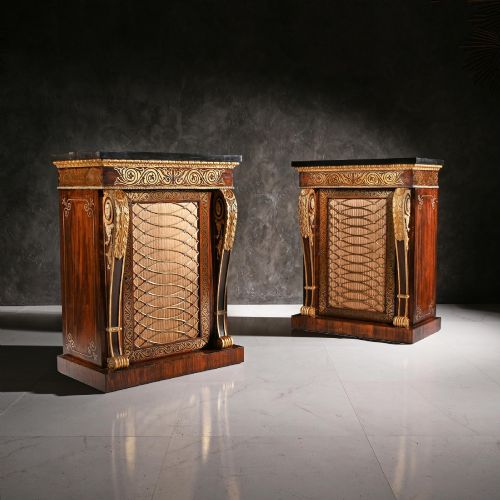
Cabinet makers utilised dense hardwoods such as mahogany, rosewood, walnut, and oak, often selecting figured veneers and contrasting inlay to articulate the timber grain. Brass hardware, including inlaid stringing, hinges, and handles, frequently accompanies these wooden structures. Where glass is present, astragal bars or leaded sections divide the panes within the framework.
Construction techniques rely on traditional mortise and tenon joinery to maintain structural integrity across opposing panels. Surface finishing involves wax polishing or ebonising to seal the wood and enhance its natural tone. Architectural panels show hand-carved detailing and painted finishes suited to French provincial or rustic interiors.
Listings feature woods such as mahogany, oak, walnut, rosewood, ash, satinwood, and amboyna, paired with brass and glass.
What varies in quality
The selection of timber grain sets the visual standard, with highly figured mahogany, amboyna, and book-matched walnut sitting at the upper end of the scale. Craftsmanship reveals itself in the precision of brass inlay, hand-carved mouldings, and the tightness of the joinery corners. Surface preservation also dictates standing, particularly where original wax finishes and patination remain intact.
The integrity of matching pairs depends on whether the panels were conceived together or assembled later as a near pair from similar stock. Superior examples maintain uniform fading and identical timber movement across both leaves. Finer hardware integration, such as original brass hinges and detailed glazing bars, separates standard utility joinery from workshop-attributed pieces.
Louis Constantin Le Gaigneur·Robert Strahan·Gillows·C Hindley And Sons
The Antique Cabinet Door Pair Glossary
- Astragal glazed
- A method of glazing where narrow timber bars divide the glass panes within a door frame. This technique lightened the visual weight of large library bookcases.
- Tambour front
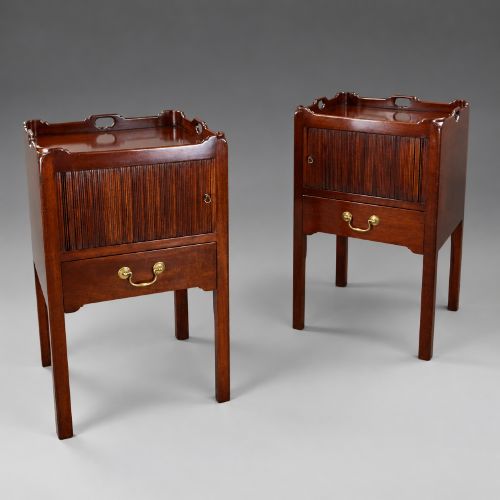
- A series of narrow wooden slats glued to a canvas backing allowing doors to slide around a curved track. This mechanism appears on Georgian commodes and side cabinets.
- Ebonised
- Timber treated with a chemical stain or pigment to imitate ebony. This dark finish gained popularity during the Victorian period.
- Amboyna
- A highly prized burr timber used as a decorative veneer on 19th-century cabinets. Its speckled grain offers strong visual contrast.
- Inlay
- The technique of embedding contrasting materials such as brass, satinwood, or mother-of-pearl into the timber surface to create decorative patterns.
Antique Cabinet Door Pair: Frequently Asked Questions
How do I match antique doors to existing furniture?
Examine the primary timber species, such as mahogany, oak, or walnut, and observe the tone of the aged finish. Grain configuration and polish method guide the selection toward a harmonious pairing.
Consider the period style, ensuring Georgian proportions or Victorian ebonising align with the surrounding interior elements. Minor variations in patina are normal in genuine antique timber.
Can these doors be resized for modern openings?
Altering antique joinery requires careful consideration of the original frame construction and timber movement. Substantial trimming can compromise mortise and tenon joints and disrupt the visual symmetry of panels.
Consult a traditional carpenter experienced in period woodwork before undertaking structural modifications. Preserving the original stile and rail proportions maintains the integrity of the piece.
What is the difference between solid timber and veneered doors?
Solid timber doors consist of a single wood species throughout, offering structural consistency and uniform ageing. Veneered doors apply thin slices of figured wood over a secondary timber core to display decorative grain patterns.
High-quality 19th-century pieces frequently utilise veneers like rosewood or amboyna on stable base woods. Both construction methods represent authentic period manufacturing traditions.
How should I maintain the wood surface?
Apply traditional beeswax sparingly with a soft cloth to nourish the timber and protect the historical finish. Avoid silicone-based sprays and keep wooden panels away from direct heat sources.
Regular dusting with a dry lint-free cloth prevents particulate buildup in carved mouldings and brass inlays. Gentle care preserves the natural patination developed over centuries.