
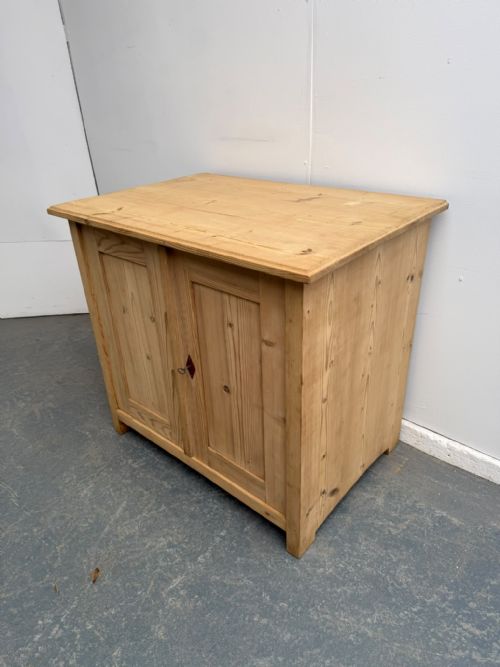
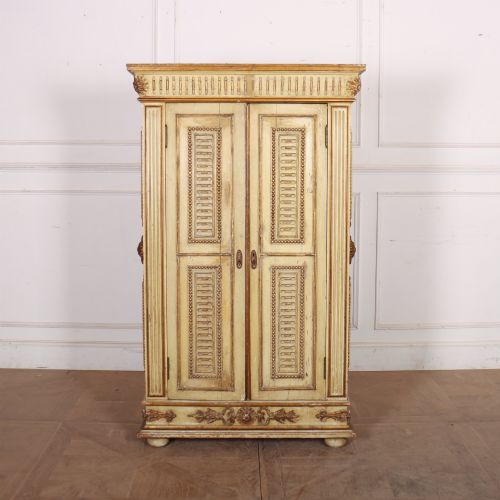
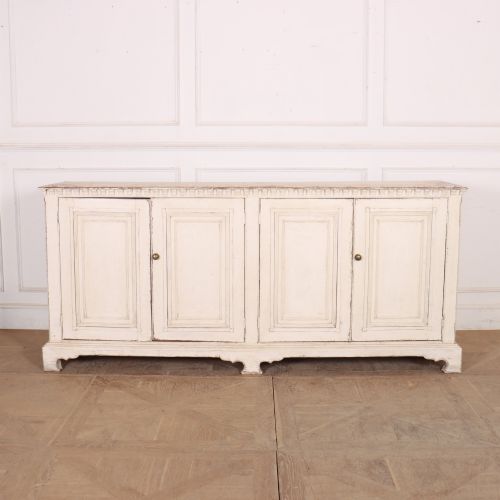
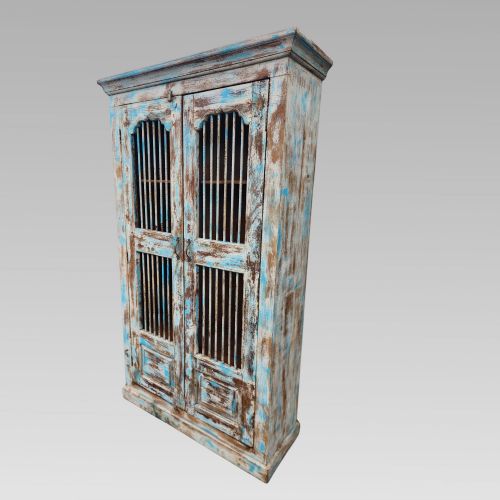


Painted Wooden Cabinet Doors
These painted wooden cabinet doors bring character and colour to interiors through centuries of regional craftsmanship.
Painted Wooden Cabinet Doors
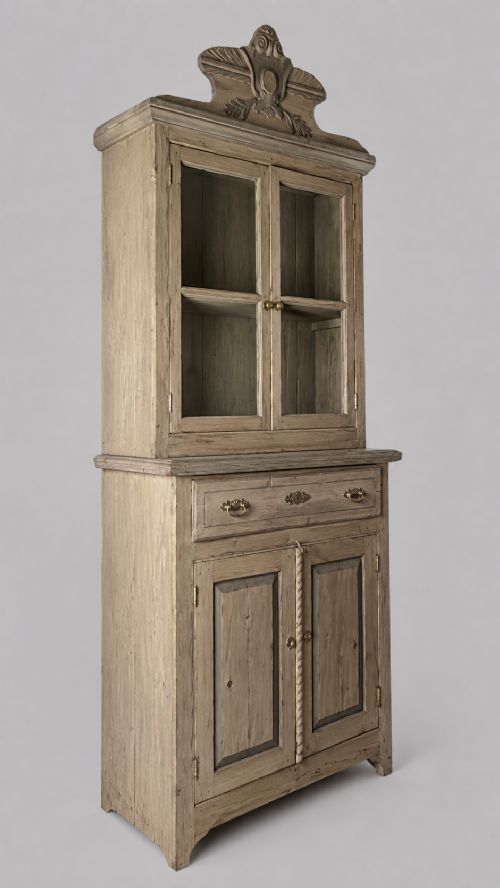
When you search for painted wooden cabinet doors, you are looking at architectural elements and functional panels salvaged or adapted from larger pieces of storage furniture. These items appear across various historical periods, notably the eighteenth and nineteenth centuries, reflecting domestic needs across different regions.
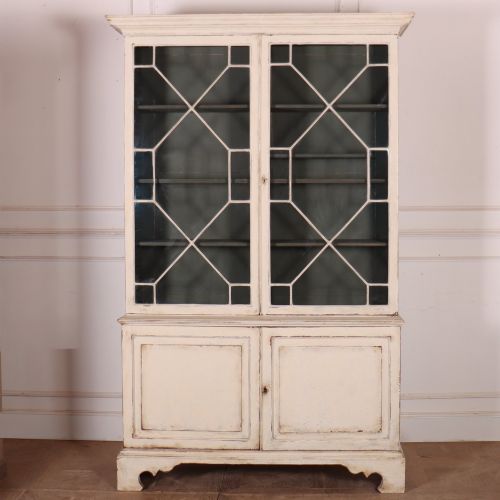
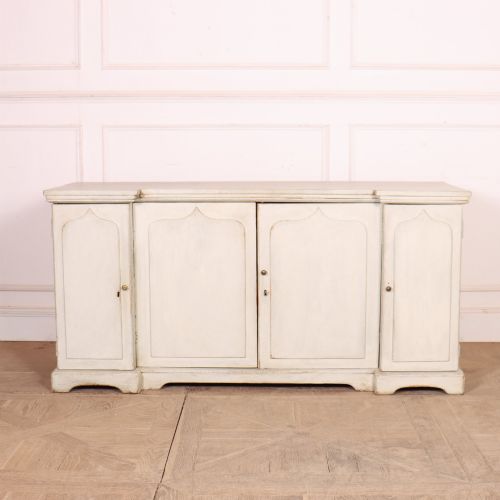
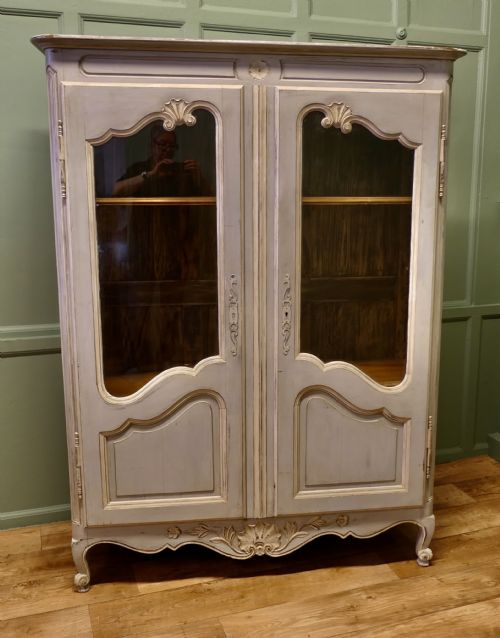
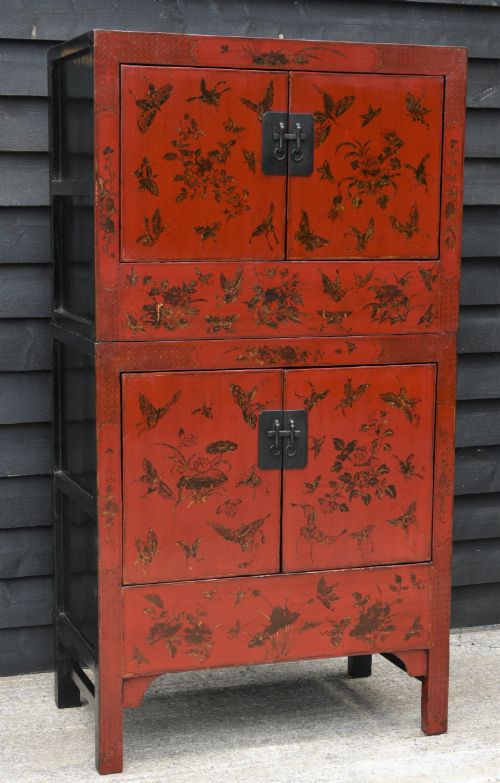
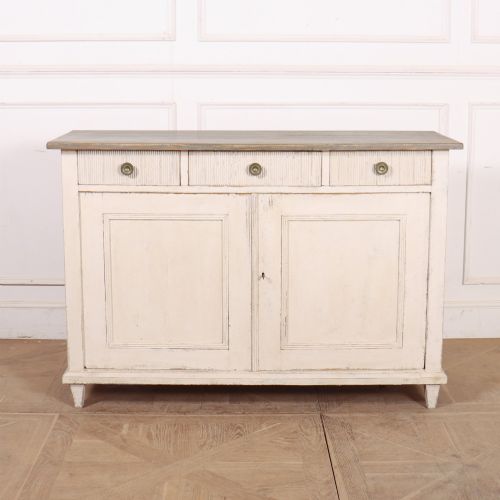
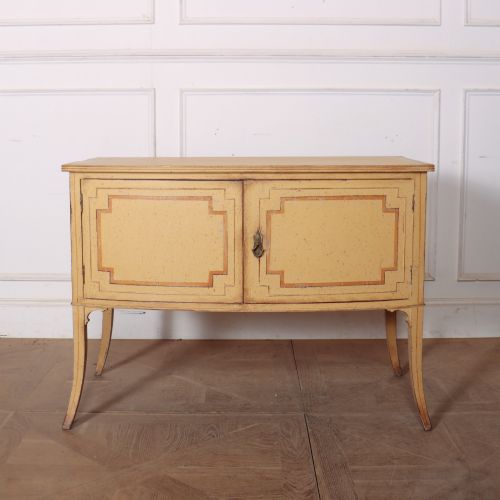
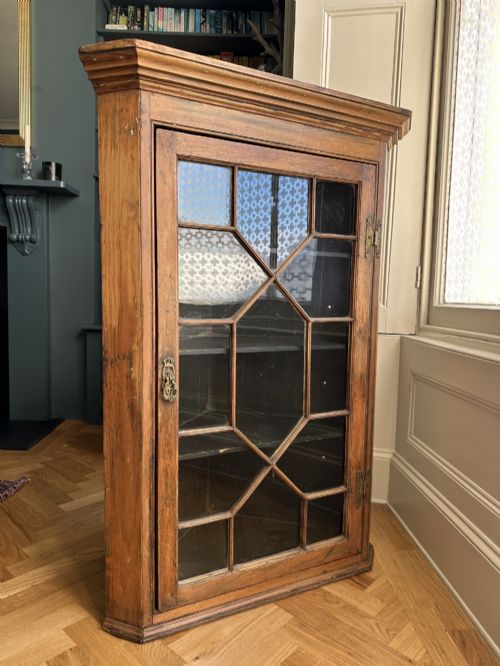
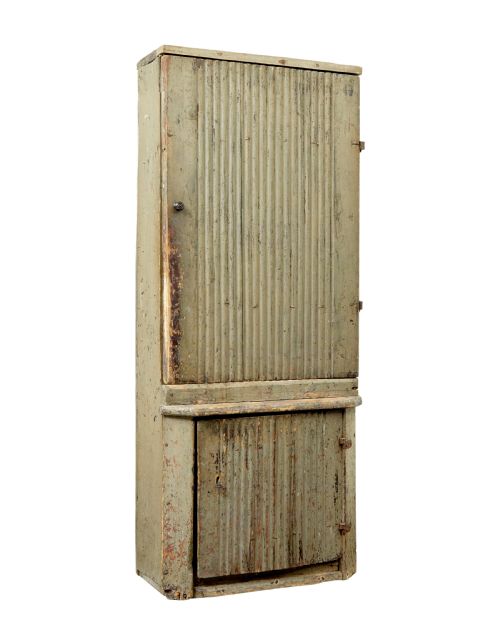
The versions most commonly met on this page originate from European and Asian traditions, including Scandinavian country cupboards, English storage furniture, and French provincial pieces. They range from simple pine panels to glazed bookcases and elaborate marriage cabinets.
How they were made
Makers relied primarily on native timbers such as pine, oak, and walnut, constructed using traditional joinery methods appropriate to the period. Panels were typically framed and panelled to allow for seasonal wood movement without splitting.
Surfaces were prepared and finished with traditional paints, lacquers, or washes, sometimes applied over multiple layers across decades. Iron and brass hardware such as hinges and latches were hand-forged or cast to secure the doors.
Glazed elements, where present, incorporated hand-blown glass panes secured with wooden glazing bars, while carved details were executed directly into the solid timber substrate.
Some nineteenth-century pine cupboards arrived with secret compartments, proving that past generations hid their snacks just as creatively as we do.
What varies in quality
Quality rests in the integrity of the timber framing and the preservation of the original surface finish rather than applied decorative flourishes. Pieces retaining untouched early paint layers command greater interest than those stripped or repeatedly painted over.
The sophistication of the joinery and the weight of the hardware distinguish regional vernacular items from finer formal furniture. Well-balanced proportions and sound structural stability determine whether a door remains functional or serves purely decorative ends.
The Painted Wooden Cabinet Doors Glossary
- Glazed cabinet
- A storage piece featuring glass-fronted doors designed for the display of books or porcelain.
- Enfilade
- A long sideboard or cabinet suite designed to stand against a dining room wall.
- Marriage cabinet
- A traditional dowry piece originating from China, often finished in red lacquer and brass fittings.
- Linen cupboard
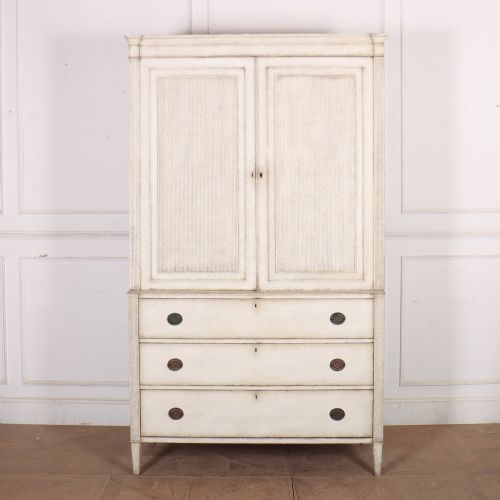
- A tall storage piece traditionally utilised for bedding and household textiles.
- Pine
- A softwood commonly utilised across Scandinavian and English country furniture for its accessibility and stable working properties.
Painted Wooden Cabinet Doors: Frequently Asked Questions
How do I mount a heavy wooden cabinet door?
Heavy wooden doors require robust structural support and appropriate iron or brass hinges capable of bearing the weight of dense timbers like oak or walnut. Professional installation ensures the panel hangs true without pulling away from the wall.
Securing the door to batons or a dedicated frame prevents warping and protects the historic material from undue stress during daily use.
Can these doors be used outdoors?
These historical timber elements are intended for interior display and lack the modern weatherproofing treatments required to withstand exterior moisture and temperature fluctuations. Exposure to rain and direct sunlight will rapidly degrade the historic paint and split the wood.
Keeping them inside preserves the fragile surface finishes and maintains the structural integrity of the pine and hardwood frames.
How should I clean original painted surfaces?
Original paint finishes require gentle dry dusting with a soft brush to remove accumulated dirt without disturbing the fragile pigment layers. Avoid harsh chemical cleaners and excessive moisture which can lift or dissolve nineteenth-century paint.
Consult a conservator if deeper cleaning is necessary to stabilise flaking paint or protect exposed timber substrates.
Are these doors from specific regions?
The inventory reflects distinct regional styles, including Scandinavian country pine, French provincial walnut, and English farmhouse oak. Each area utilised local timber species and specific decorative palettes that define their geographic origin.
Recognising these regional traits helps collectors pair pieces with appropriate interior schemes and historical contexts.