






Distressed Grey Cupboard Doors
These distressed grey cupboard doors bring weathered character and architectural salvage charm into an interior scheme.
Distressed Grey Cupboard Doors
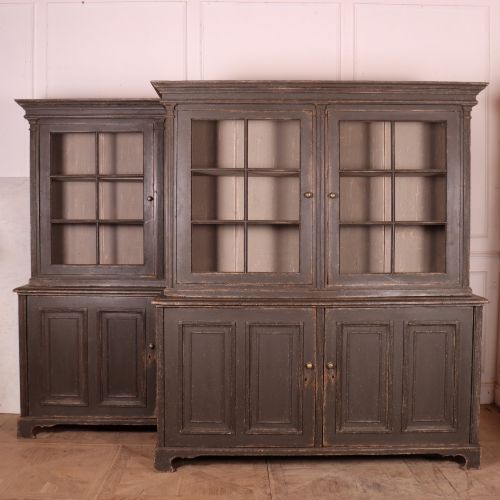
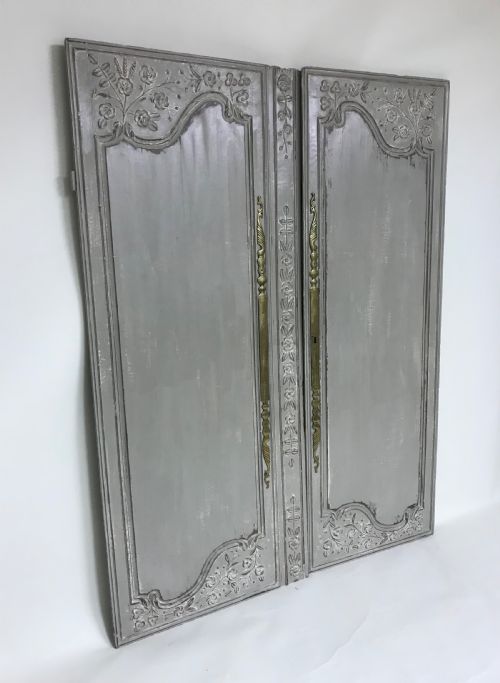
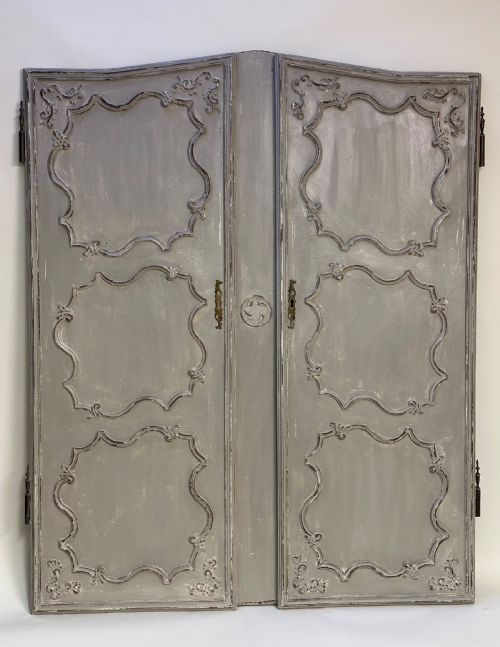
Distressed grey cupboard doors encompass architectural salvage and repurposed panels sourced from periods ranging through the eighteenth and nineteenth centuries. These timber items arrive in various configurations, including paired doors, painted storage cupboards, armoires, and display cabinets.
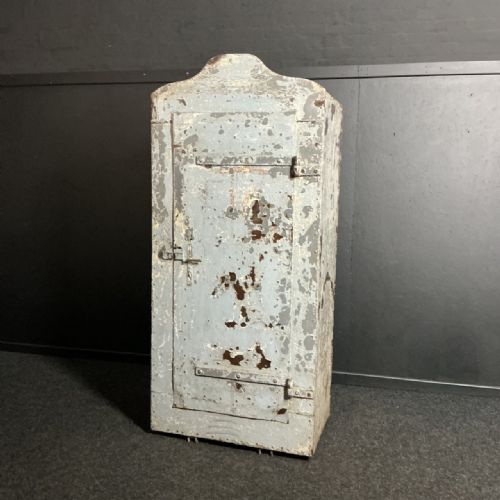
The aesthetic leans heavily towards French provincial, Gustavian, and Scandinavian country styles, alongside industrial painted steel examples. Buyers most commonly encounter nineteenth-century painted pine, walnut, and oak elements carrying aged surface patination.
How they were made
Construction relies upon traditional solid woods such as pine, oak, and walnut, shaped by hand carving and joinery techniques typical of historical cabinetmaking. Selected pieces incorporate iron or brass hardware components alongside glass panels for vitrines.
Surfaces receive layered coats of paint that have weathered over decades to create the signature distressed appearance. Metal variations utilise painted steel construction to achieve an industrial utility look.
Distressed Grey Cupboard Doors Retail Price Guide 2026
Typical asking prices for distressed grey cupboard doors among the pieces listed under this phrase on Sellingantiques today, from the lower quarter to the upper quarter. They describe what is for sale here now, not the wider market.
Several items retain multiple layers of historical paint, offering archaeologists of domestic decor a miniature colour history on a single plank.
What varies in quality
Quality rests in the integrity of the original timber frame and the authenticity of the aged paint surface. Hand-carved detailing exhibits superior craftsmanship compared to simpler utilitarian joinery.
The balance of the proportions and the survival of original brass or iron hardware elevate certain examples. Depth of patination and the natural weathering of the painted finish distinguish finer historical pieces from later adaptations.
The Distressed Grey Cupboard Doors Glossary
- Architectural salvage
- Building elements removed from older structures for reuse in interior design. These pieces retain historical patination and construction methods.
- Gustavian
- The Swedish interpretation of French neoclassical design characterised by restrained decoration and pale painted finishes. This style dominates much of the Scandinavian country furniture found here.
- Vitrine
- A glass-fronted cabinet or bookcase designed for display. These pieces protect delicate objects while offering clear visibility.
- Armoire
- A large freestanding wardrobe or cupboard traditionally used for storing garments. Historical examples feature substantial panelled doors and deep interior capacity.
Distressed Grey Cupboard Doors: Frequently Asked Questions
How do I hang antique cupboard doors?
Hanging salvaged doors requires assessing the weight of the timber and securing appropriate hinges to support the structure. Many pairs benefit from custom mounting frames to ensure correct alignment.
Professional installation is recommended for heavier wooden or steel panels to distribute the load securely against interior walls.
Are these doors suitable for kitchen cabinets?
Salvaged panels and cupboard doors adapt well to modern kitchen cabinetry projects when sized correctly for the space. They introduce substantial historical texture and unique painted finishes.
Consider sealing vulnerable wooden surfaces with appropriate clear coats if placing them in high-moisture kitchen environments.
How do I clean distressed painted wood?
Maintenance requires gentle dusting with a dry microfibre cloth to protect fragile surface layers. Avoid abrasive cleaners and harsh chemical solvents that strip historical paint.
Apply microcrystalline wax sparingly if the underlying timber requires nourishment without altering the matte patinated finish.
What is Gustavian style?
Gustavian design emerged in late eighteenth-century Sweden under the influence of King Gustav III after visiting Versailles. It adapts French neoclassical lines into simpler, brighter aesthetics.
Pieces from this tradition typically feature soft grey or white painted surfaces with subtle carved fluting and restrained detailing.