





Rococo Carved Wooden Doors
These rococo carved wooden doors and associated architectural woodwork bring exuberant French and Victorian styling into modern spaces.
Rococo Carved Wooden Doors
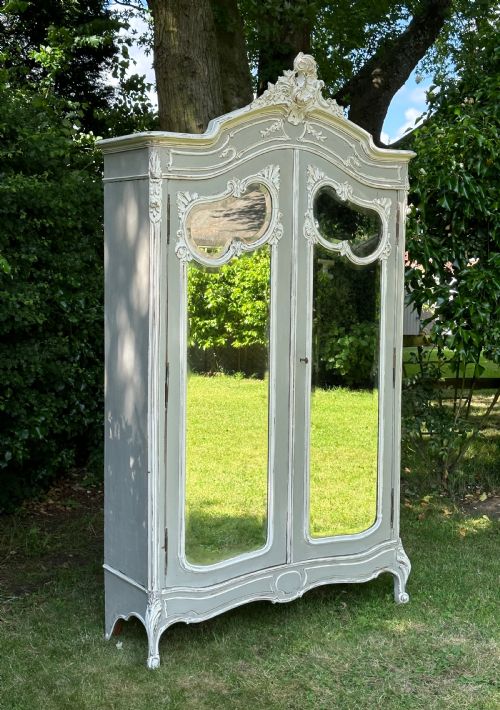
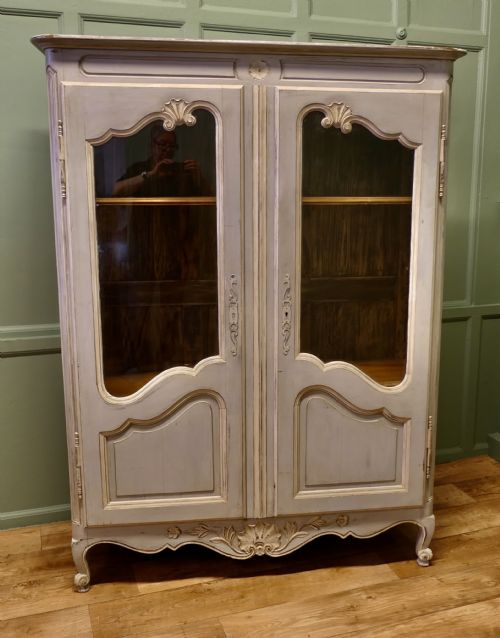
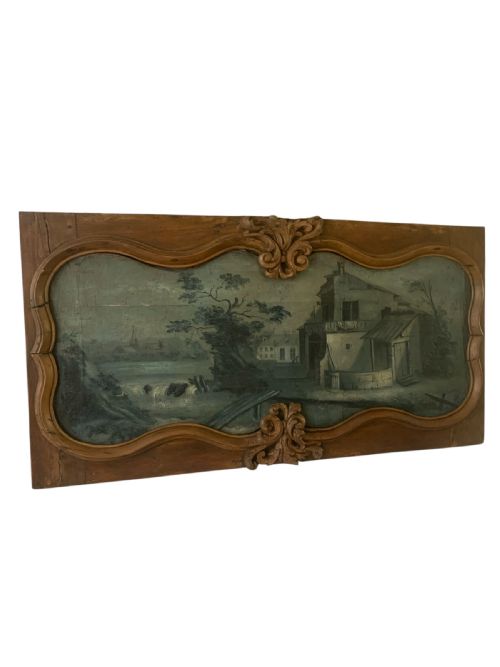
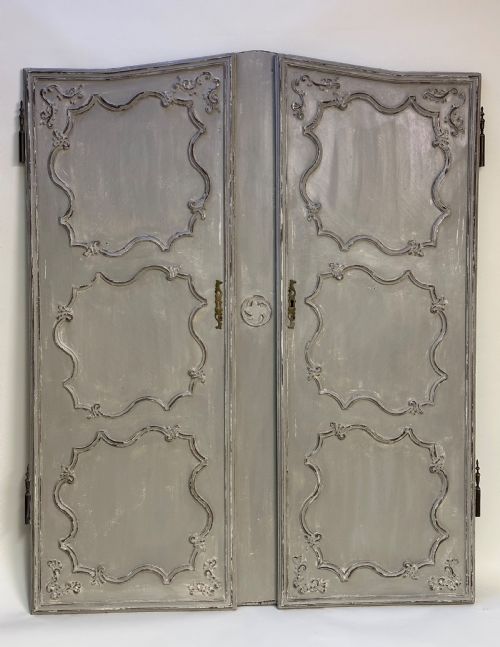
When you search for rococo carved wooden doors, you encounter a selection of architectural salvage, overdoors, panels, and cabinet fronts spanning the eighteenth to the twentieth centuries. The listings show works executed in styles such as French Rococo, Victorian Rococo Revival, and Baroque, reflecting both continental and British craftsmanship.
The most common formats on this page range from complete pairs of carved wooden doors and overdoor panels to armoires, sideboards, and vitrines fitted with carved wooden doors. Materials recorded include walnut, oak, mahogany, and gesso, often paired with brass and glass elements.
How they were made
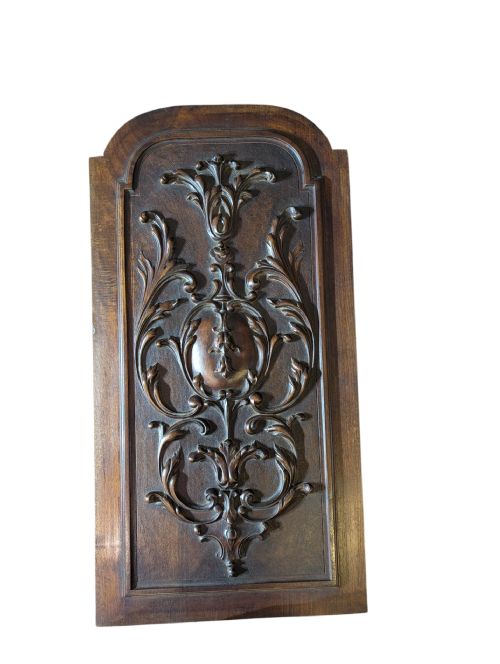
These architectural elements and furniture fronts rely heavily on solid hardwoods like walnut, oak, and mahogany, shaped through traditional hand carving techniques. Artisans deployed gesso foundations on certain panels to build up intricate relief ornamentation before finishing the timber.
Construction methods combine robust joinery for structural doors and armoires with delicate surface embellishments, such as figural cherub carvings and asymmetric foliate scrolls. Additional hardware like brass fittings complements the primary wooden structures.
Rococo Carved Wooden Doors Retail Price Guide 2026
Typical asking prices for rococo carved wooden doors among the pieces listed under this phrase on Sellingantiques today, from the lower quarter to the upper quarter. They describe what is for sale here now, not the wider market.
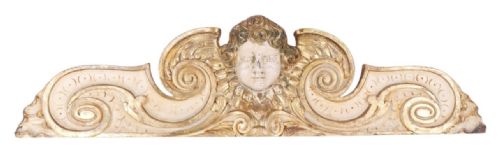
One carved wooden overdoor stubbornly insists on keeping watch over proceedings with a remarkably cheerful cherub.
What varies in quality
The distinction between standard examples and superior pieces rests in the depth and crispness of the hand carving rather than the mere presence of decoration. Pieces featuring complex sculptural elements like cherubs display a higher tier of artistry than simple linear mouldings.
Material selection also dictates overall grade, with dense timbers like walnut and oak commanding attention for their grain and longevity. The integration of period paint or original gesso surfaces further separates basic architectural salvage from exceptional collector pieces.
The Rococo Carved Wooden Doors Glossary
- Rococo
- An eighteenth-century style characterised by asymmetrical ornamentation, C-scrolls, and naturalistic plant motifs. It manifests on these doors through flowing, theatrical carved wooden details.
- Overdoor
- A decorative panel or architectural painting positioned directly above a doorway. These often feature sculptural carvings or figural subjects like cherubs.
- Armoire
- A large wardrobe or cupboard featuring one or two hinged doors. The examples listed utilise grand proportions and heavy carved wooden facades.
- Gesso
- A plaster-like mixture applied to wood as a base for painting or gilding. It allows for sharp relief work beneath surface finishes.
- Architectural Salvage
- Building elements rescued from older structures for reuse in interior design. This category forms a core part of the doors and panels available here.
Rococo Carved Wooden Doors: Frequently Asked Questions
How do I hang antique wooden doors?
Heavy architectural doors require robust hinges and secure frame fixings to bear the substantial weight of dense timbers like oak or walnut. Professional installation ensures proper alignment within older or modern door openings.
Because timber expands and contracts with atmospheric changes, leaving appropriate clearance prevents the doors from binding in their frames during seasonal shifts.
Where do overdoor panels go?
Overdoor panels are traditionally mounted on the wall directly above interior door frames to add architectural height and visual weight to a room. They serve as focal points that draw the eye upward in high-ceilinged spaces.
In contemporary interiors, these panels also function as standalone wall art when hung independently of an actual doorway.
How do I clean carved wooden doors?
Dust intricate hand-carved areas regularly using a soft, dry brush to prevent dirt accumulation in the recesses of the woodwork. Avoid harsh chemical cleaners that strip historic finishes and dried patinas.
Apply a microcrystalline wax sparingly to nourish the timber surface without leaving a sticky residue that attracts dust.
What is Victorian Rococo Revival?
Victorian Rococo Revival is a nineteenth-century design movement that reinterpreted eighteenth-century French motifs with heavier Victorian proportions. It combines exuberant carved wooden scrolls with dense hardwoods like mahogany and walnut.
This style bridges continental decorative flair with nineteenth-century British cabinet-making traditions.