







Pair French Cupboard Doors
These pair french cupboard doors bring architectural character to a room, offering tactile warmth and historic presence.
Pair French Cupboard Doors
When you search for pair french cupboard doors, you are looking at architectural salvage and cabinetry designed to partition spaces or face storage units. These pieces range from rustic painted panels to carved hardwood assemblies.
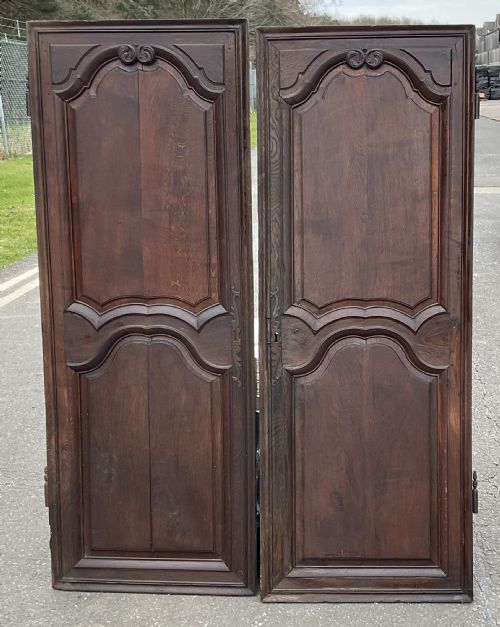
The versions most likely to appear on this page span the eighteenth, nineteenth, and early twentieth centuries. They originate from provincial farmhouses and chateaus, utilising regional timbers such as oak, walnut, cherrywood, and rosewood.
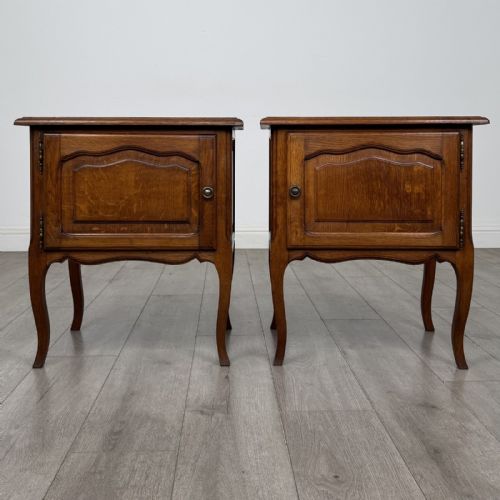
Forms include dedicated cupboard and armoire doors alongside converted side cabinets and bedside cabinets that retain their original door fronts. Each configuration reflects the domestic needs of historic French interiors.
How they were made
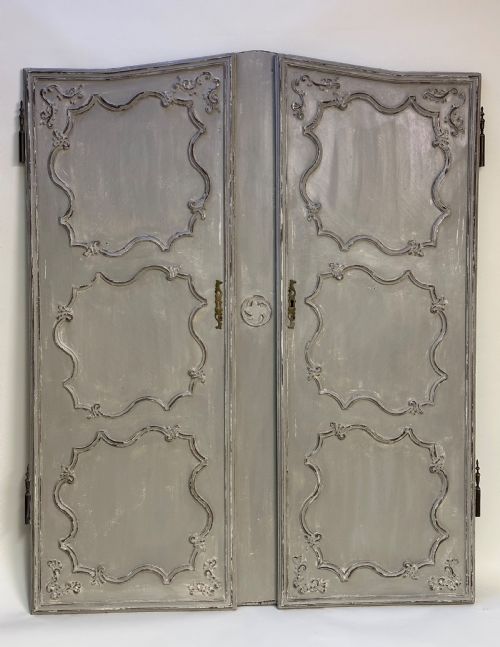
Cabinetmakers and joiners constructed these doors using traditional hardwoods like oak, walnut, and cherrywood, often reinforced with iron and brass hinges, locks, and escutcheons.
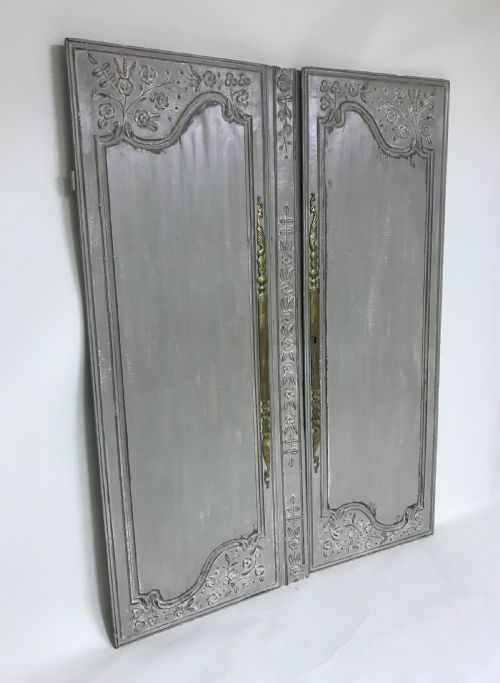
Surface finishes include hand-carved detailing and historic paint layers that reveal the utilitarian or decorative origins of each piece. Some fine nineteenth-century examples incorporate exotic veneers such as ebony and rosewood alongside brass inlay.
Pair French Cupboard Doors Retail Price Guide 2026
Typical asking prices for pair french cupboard doors among the pieces listed under this phrase on Sellingantiques today, from the lower quarter to the upper quarter. They describe what is for sale here now, not the wider market.
Some cabinet doors retain faint chalk markings on their inner edges left by carpenters measuring up in French workshops centuries ago.
What varies in quality
Quality rests upon the selection of timber and the crispness of the hand-carved decoration. Dense hardwoods like walnut and oak hold fine detail better than softer secondary woods.
The integrity of the original hardware, from brass mounts to iron fastenings, distinguishes a piece that retains its historic wholeness from one that has been assembled from disparate parts.
The Pair French Cupboard Doors Glossary
- French Provincial
- A style originating from rural regions outside Paris, prioritising sturdy construction and simpler forms over courtly ornamentation. It defines much of the rustic painted cabinetry seen in this category.
- Armoire
- A large wardrobe or cupboard featuring two doors, providing substantial storage space. Salvaged doors from these grand pieces frequently enter the market as decorative pairs.
- Venerable timber
- Mature wood harvested centuries ago, displaying tight growth rings and a dense grain structure. This material underpins the durability of eighteenth and nineteenth-century panels.
Pair French Cupboard Doors: Frequently Asked Questions
How were pair french cupboard doors used?
These doors served primarily as closures for large storage armoires, wall cupboards, and architectural partitions in French homes. They kept domestic items enclosed while adding decorative texture to the room.
Over time, many of these panels have been repurposed as standalone wall art, room dividers, or incorporated into modern bespoke cabinetry.
How do I hang heavy wooden doors?
Hanging antique doors requires robust structural support within the wall or frame to bear the weight of dense hardwoods like oak and walnut. Professional fitters typically use heavy-duty iron or brass hinges suited to the thickness of the stile.
Ensuring the mounting surface is plumb prevents the doors from sagging or binding along the meeting stiles over time.
How do I clean painted cupboard doors?
Historic painted surfaces require gentle maintenance using a dry or slightly damp microfibre cloth to remove dust without disturbing fragile layers. Avoid chemical solvents and modern detergents that can strip original pigments.
Applying a microcrystalline wax can help protect aged paint finishes from moisture and handling wear.
How can I tell the period?
Dating relies upon examining the tooling marks on the wood, the construction joints, and the style of any hand-carved ornamentation. Earlier eighteenth-century pieces often show hand-planed surfaces and pegged mortise and tenon joints.
Later nineteenth-century examples may incorporate machine assistance alongside revivals of historic French styles such as Louis XVI or Rococo.