



Vintage French Brass Frames
Vintage french brass frames bring warmth and historical weight to interiors, combining sturdy metalwork with decorative charm from the late nineteenth and early twentieth centuries.
Vintage French Brass Frames
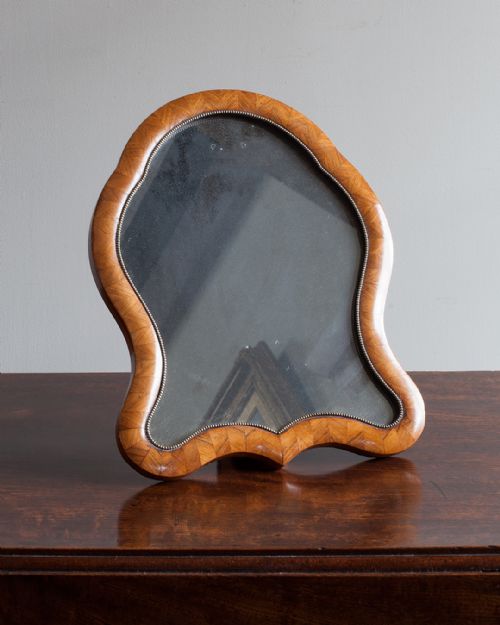
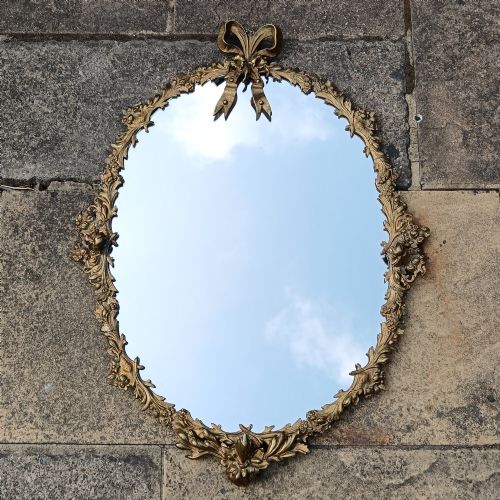
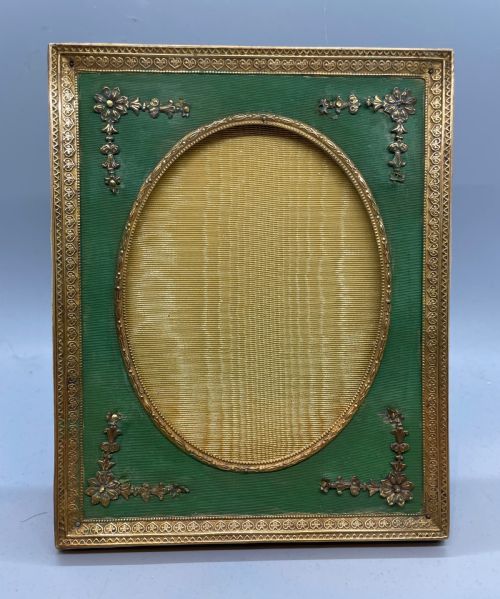
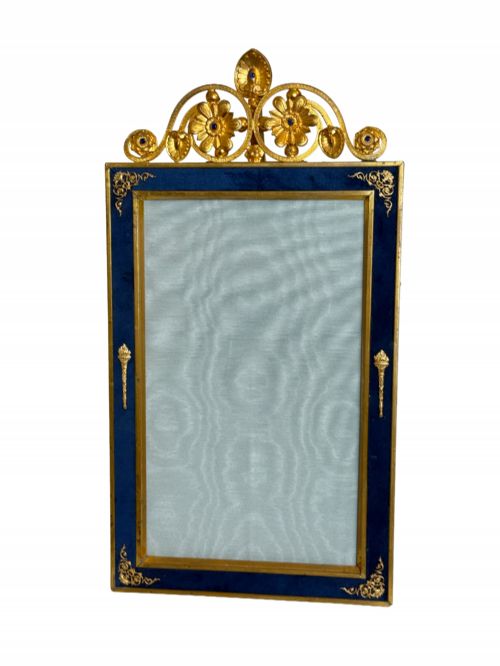
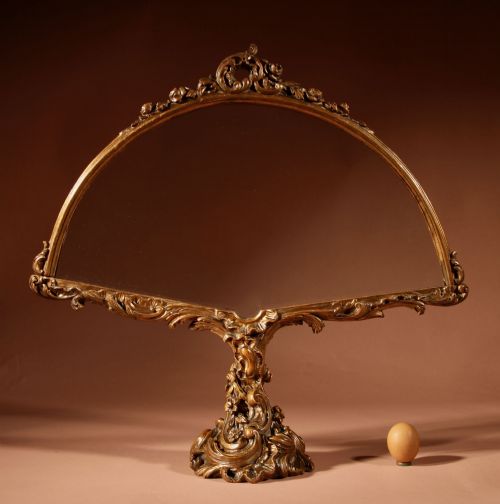
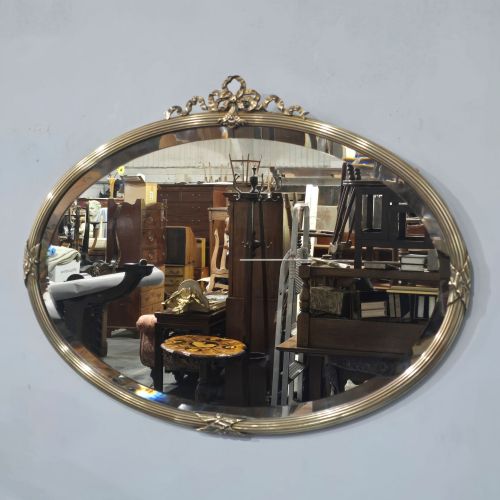
Vintage french brass frames encompass decorative picture frames, table mirrors, and wall mirrors originating from various European periods including the nineteenth century and the Edwardian era. Buyers seeking vintage french brass frames encounter pieces shaped in revived historical modes such as Louis XVI Revival and French Rococo.
Makers and workshops produced these items to suit domestic interiors ranging from simple salon settings to elaborate chateau schemes. The overarching category spans from compact 1880s glazed photo holders to substantial turn-of-the-century display items.
How they were made
The construction relies heavily on cast and sheet brass, often complemented by gilt bronze and ormolu applications to achieve a rich surface finish. Artisans utilised glass panels and crystal beads to create reflective properties within mirrors and picture housings.
Moulding and chasing techniques defined the decorative elements, producing intricate borders, rams heads, and shell details characteristic of French styling. Wood components such as mahogany and satinwood occasionally formed the structural backing or supporting elements for table mirrors.
Some frames incorporate whimsical details like ram heads and floral scrolls, proving that nineteenth-century desks were wonderfully theatrical places.
What varies in quality
Quality differentiates through the crispness of the metal chasing and the depth of the original gilding or ormolu surface. Finer examples display meticulous hand-finishing on decorative motifs rather than smooth, machine-cast uniformity.
The weight of the brass and the integrity of the structural joints dictate the longevity and substantial feel of each piece. Superior items retain intact glass panes, original backing materials, and well-preserved surface patination.
Boin Taburet·Louis Vuitton
The Vintage French Brass Frames Glossary
- Ormolu
- Gilt bronze ornamentation applied to furniture and frames. This technique involves fusing finely ground high-carat gold to a bronze base.
- Gilt Bronze
- Metal alloy coated with a thin layer of gold. It provides a durable and lustrous finish found on premium decorative objects.
- French Rococo
- Artistic style characterised by asymmetry, curves, and natural plant motifs. It creates a flowing, decorative aesthetic on metalwork.
- Beveled Glass
- Glass pane with angled edges cut and polished to a specific angle. This technique adds depth and catches light distinctively.
Vintage French Brass Frames: Frequently Asked Questions
How do I date an antique brass frame?
Dating relies on examining the construction methods, screw types, and stylistic revival cues present in the metalwork. Pieces from the nineteenth century often show hand-finishing marks and heavier cast components compared to later iterations.
Matching the decorative motifs to known periods like Louis XVI Revival or Edwardian production helps narrow the decade of manufacture. Consulting the backings and glass types also provides reliable chronological indicators.
What is the difference between brass and ormolu?
Brass is an alloy of copper and zinc used widely for its durability and warm metallic tone. Ormolu specifically denotes a gilded bronze technique where gold is applied to a bronze base for a richer finish.
Frames described as ormolu typically display a deeper, more luminous golden hue than standard polished brass. This finish was favoured by high-end makers for luxury domestic items.
How should I clean a vintage brass frame?
Maintenance requires gentle dusting with a soft, dry cloth to prevent the accumulation of dirt within the chased details. Avoid harsh chemical polishes that strip away the historic patination and aged character of the metal.
If cleaning is necessary, a mild soap solution applied sparingly and dried immediately preserves the surface integrity. Preserving the natural patina maintains both the visual appeal and historical value.
Where were these frames placed originally?
These items occupied prominent positions on mantelpieces, dressing tables, and salon walls within refined European homes. Smaller glazed holders sat among personal mementos while large mirrors enhanced light distribution in reception rooms.
Their decorative versatility allowed them to transition easily between intimate bedrooms and formal entertaining spaces. Today, they serve similar accent roles in contemporary interiors.