

Vintage Folding Stand
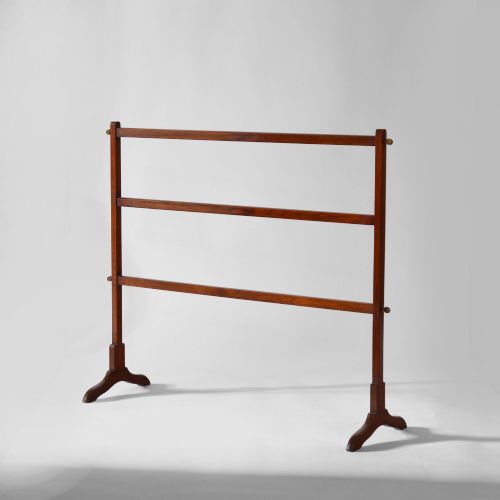
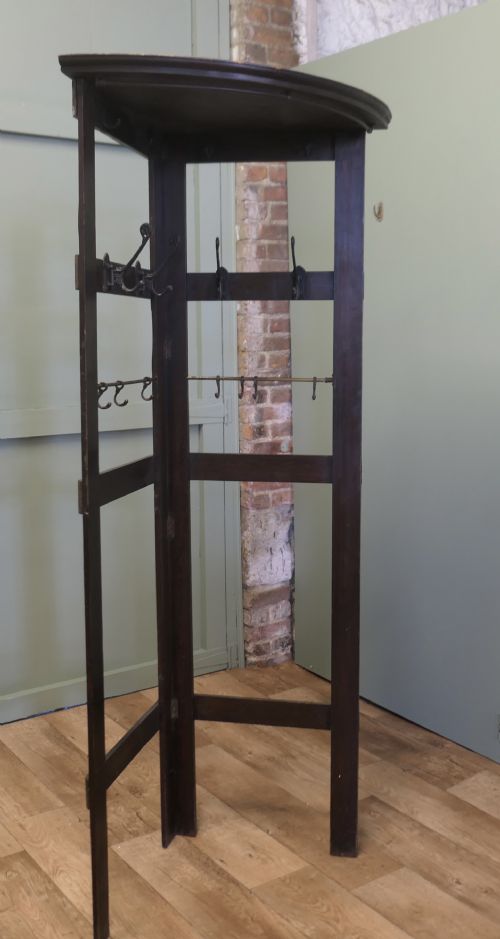
A vintage folding stand offers practical surface space that packs away neatly, combining utility with period charm.
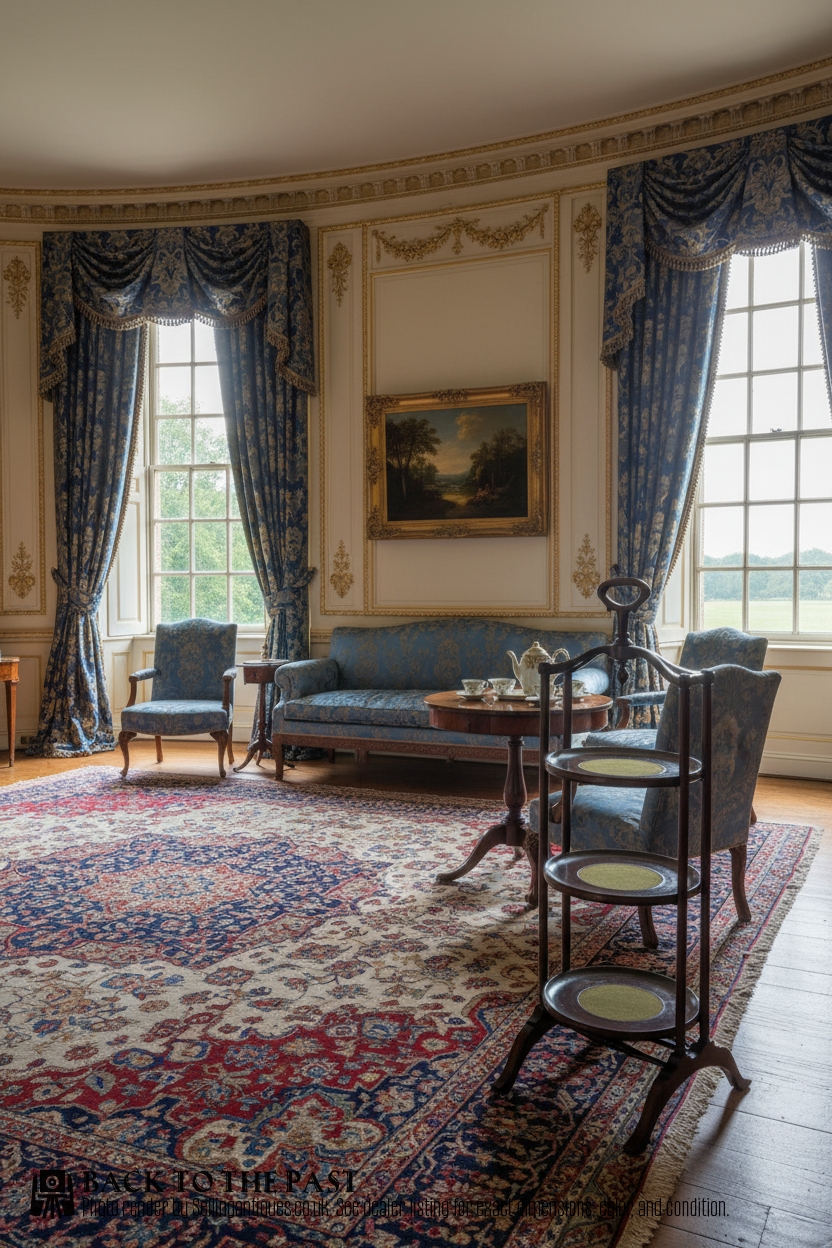
Vintage Folding Stand
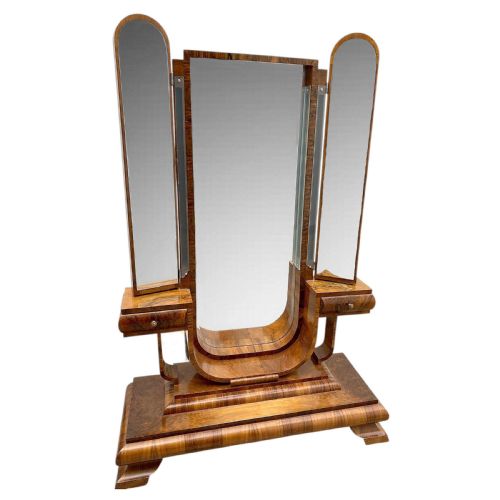
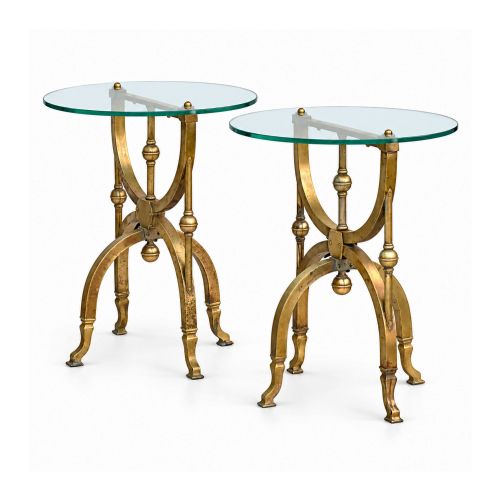
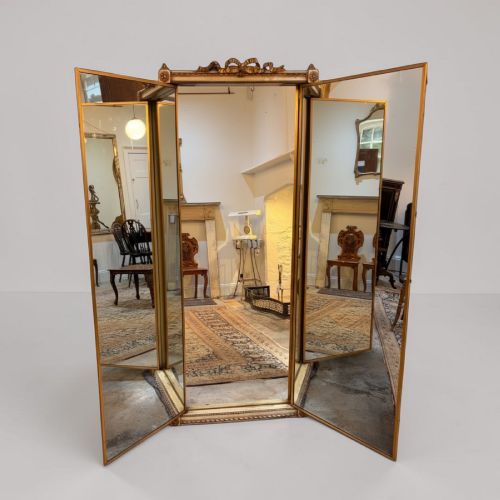
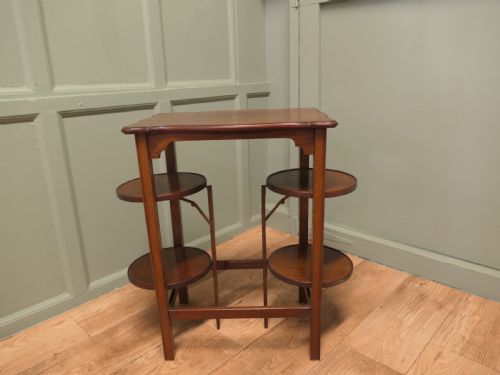
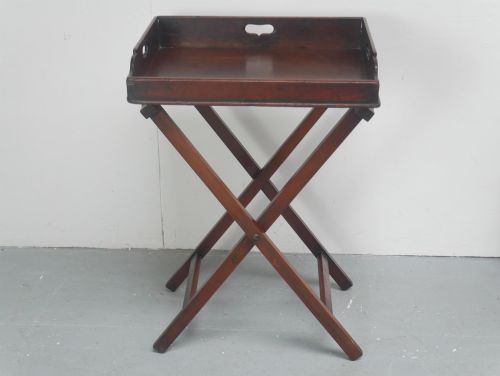
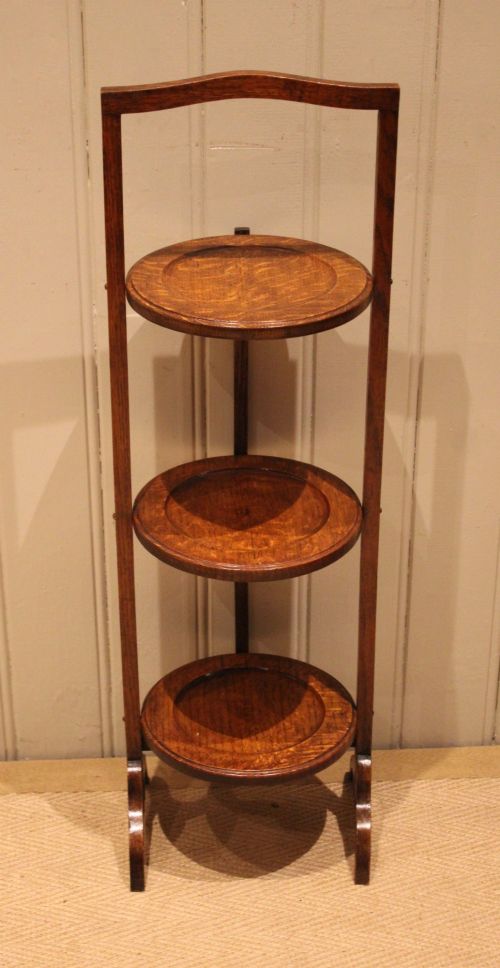
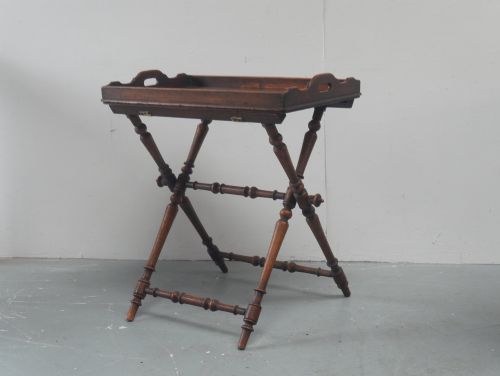
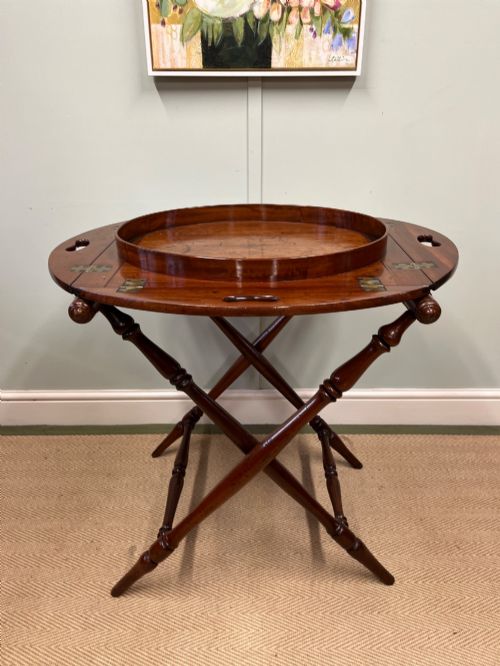
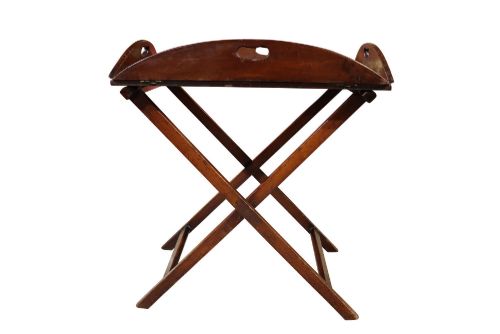
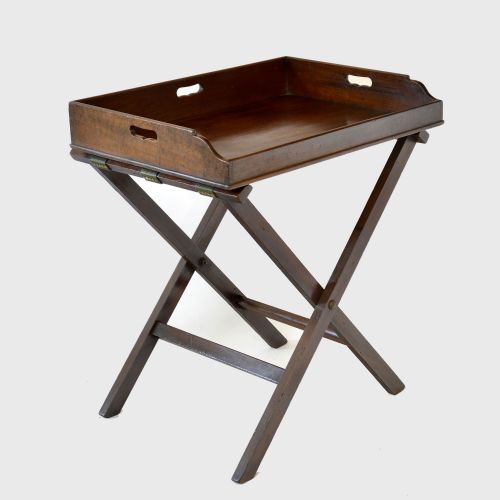
A vintage folding stand spans forms such as tiered cake stands, butler's trays on folding bases, and occasional tray tables designed for easy storage and movement. These items appear across periods including the Victorian and Edwardian eras, utilising woods like mahogany, oak, and teak.
The most common versions met on this page are multi-tiered cake stands and butler's trays from the early twentieth century and the nineteenth century. These pieces reflect domestic habits of serving tea and displaying household items in compact urban or country rooms.
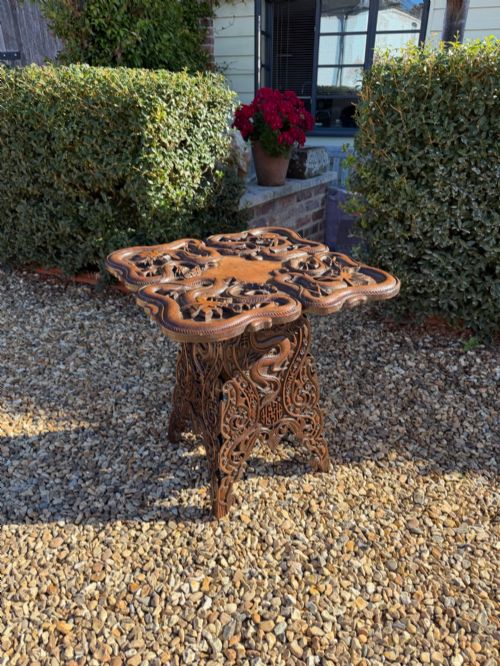
Origins range from English country workshops to Anglo-Indian hubs, bringing varied carving styles and folding mechanisms into domestic use. Buyers encounter everything from simple oak frameworks to inlaid teak octagonal folding tables.
Distinctions in Quality
Quality rests upon the integrity of the folding mechanism and the selection of timber, distinguishing robust, daily-use furniture from lighter decorative items. Tighter joints, balanced tiers, and carefully fitted hinges show superior workmanship.
The refinement of surface decoration, such as intricate brass inlay or deep hand-carving on teak and walnut, separates standard utility items from finer examples produced during the Edwardian period and earlier.
Vintage Folding Stand Retail Price Guide 2026
Typical asking prices for vintage folding stand among the pieces listed under this phrase on Sellingantiques today, from the lower quarter to the upper quarter. They describe what is for sale here now, not the wider market.
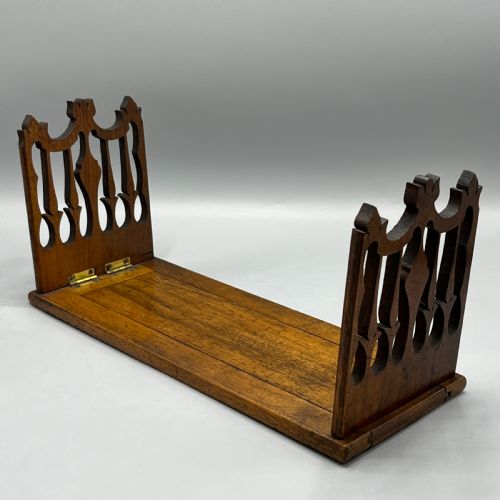
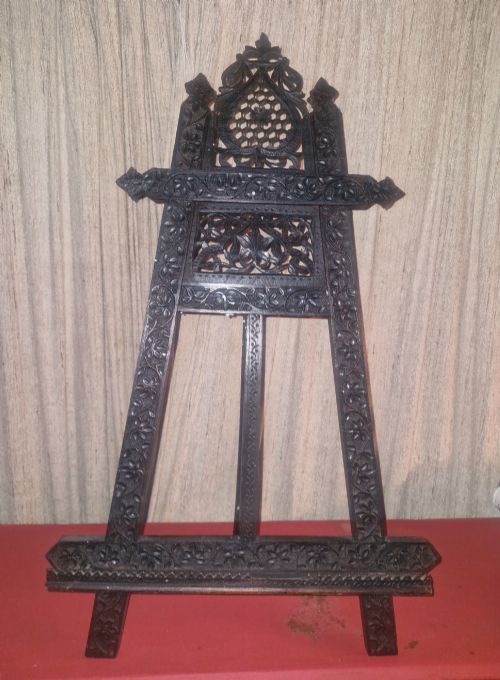
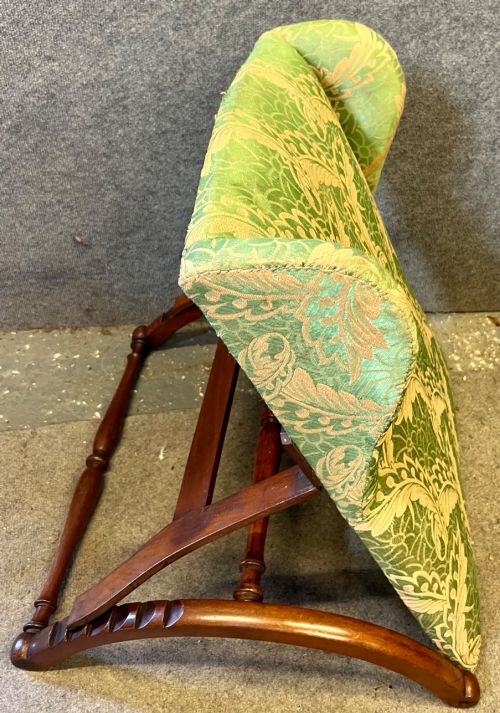
Common object forms span cake stands, butler's trays on folding bases, occasional tables, and book slides.
Mappin & Webb·Benetfink & Co
The Vintage Folding Stand Glossary
- Butler's tray
- A removable tray with panelled sides, often featuring cut-out carrying handles, designed to rest upon a collapsible wooden X-frame stand.
- Cake stand
- A multi-tiered piece of occasional furniture designed to hold plates or food items, engineered to fold flat when not in service.
- Anglo-Indian
- A descriptive term for furniture made in India during the British period, typically featuring dense carved ornamentation and exotic hardwoods like teak or padauk.
- Hoshiarpur
- A specific Indian craft centre known for intricate woodwork involving precise wood carving and delicate brass wire inlay.
- Campaign
- Furniture originally built for military travel, characterised by folding structures, brass corners, and portability.
Vintage Folding Stand: Frequently Asked Questions
What is a vintage folding stand used for?
These pieces serve primarily as flexible surface furniture for serving tea, displaying items, or providing temporary table space in smaller rooms. Their collapsible design allows them to be stored out of sight when floor space is required.
Historically, butler's trays and cake stands were essential for entertaining guests, while modern owners utilise them as occasional side tables or plant stands that retain traditional character.
How do I identify an Edwardian folding cake stand?
Edwardian examples typically date from around 1900 to 1910 and frequently utilise oak or mahogany with turned supports and three folding tiers. Look for lighter framing and occasional inlaid details characteristic of the period.
Earlier Victorian versions tend to be heavier in construction, often built from solid oak or walnut with simpler, purely functional folding mechanisms.
Are Anglo-Indian folding stands sturdy?
Anglo-Indian folding tables and stands are constructed from dense hardwoods like teak and padauk, making them remarkably durable despite intricate surface carving. The joinery is designed to support the weight of objects while allowing the octagonal or circular top to fold.
Care should be taken when moving them to ensure the folding hinges align correctly with the carved wooden pins or slots.
How should I care for a wooden folding stand?
Maintain the wood by applying suitable furniture wax periodically to nourish the surface and protect against dryness. Avoid placing them in areas with direct sunlight or fluctuating humidity to preserve the joints and inlay.
When folding the stand, operate the mechanism gently without forcing tight hinges to prevent strain on the original wooden pivots or brass brackets.