



Traditional Cake Stand
A traditional cake stand is a tiered or revolving tier piece designed for serving, and you will find examples in mahogany and oak.
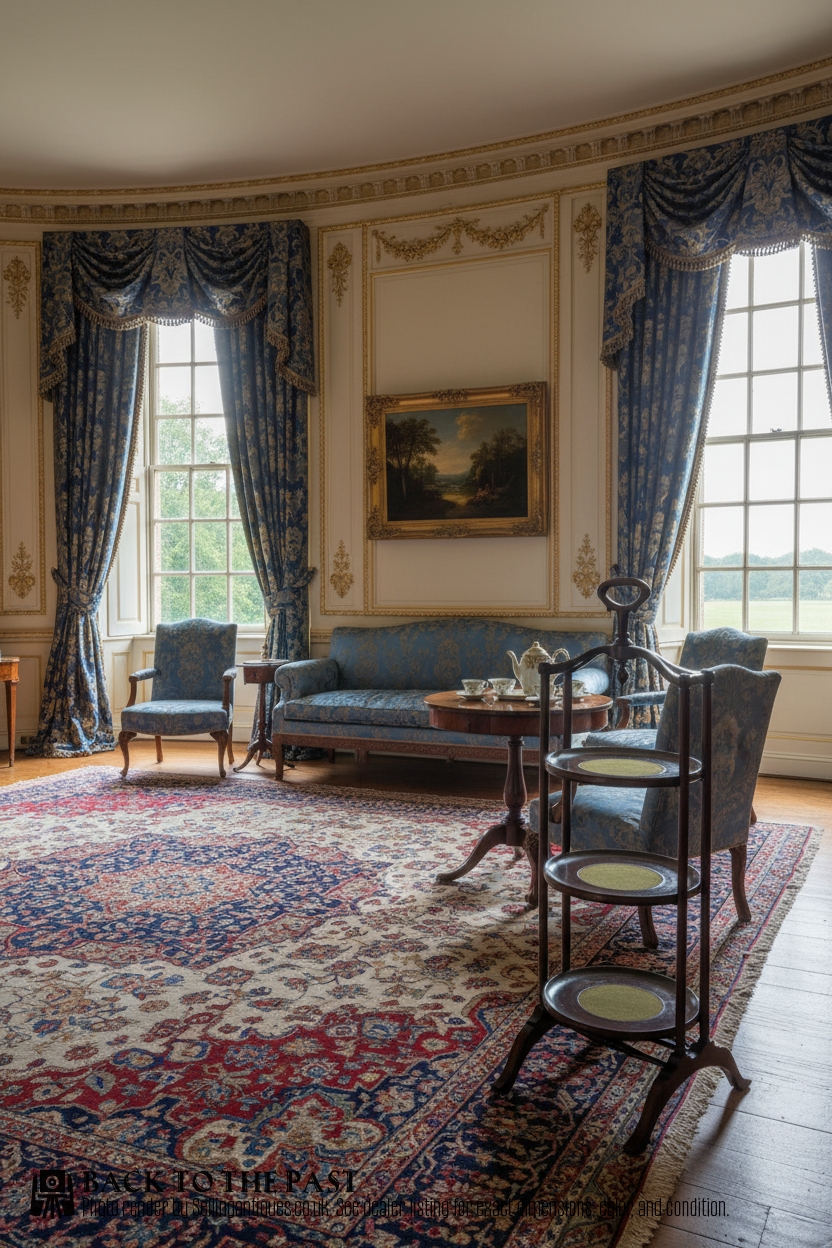
Traditional Cake Stand
When you search for a traditional cake stand, you encounter tiered stands, dumb waiters, display stands, and revolving trays spanning the Victorian, Edwardian, and Georgian periods. These items serve the purpose of presenting cakes, cheese, or small dishes in a domestic setting.
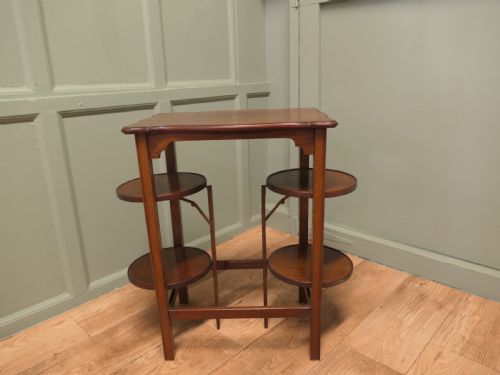
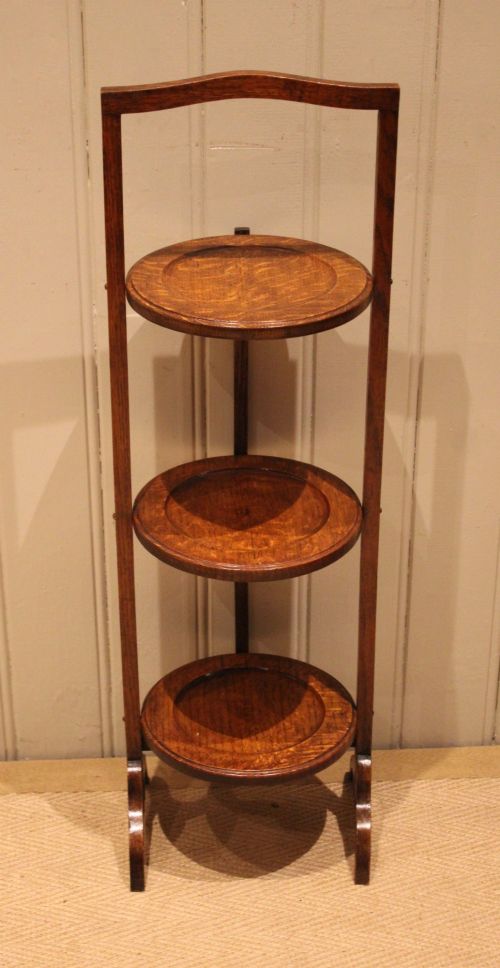
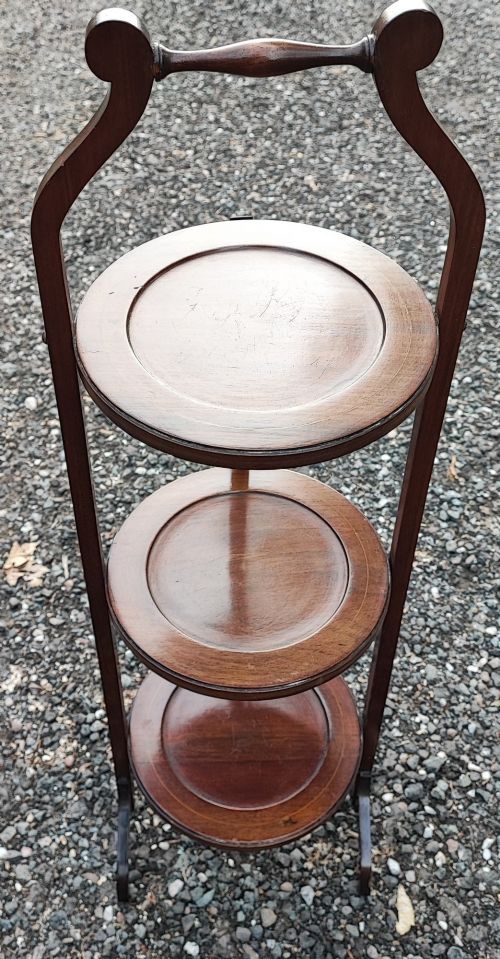
The most common forms on this page include folding three-tier stands in mahogany or oak and early Victorian revolving dumb waiters on tripod bases. Such pieces reflect the styles of their eras, ranging from Sheraton Revival to Hollywood Regency and Edwardian designs.
How they were made
Cabinet makers utilised dense timbers such as mahogany, rosewood, oak, walnut, and boxwood, often shaping them into circular tiers supported by tripod bases or folding frames. Inlaid decoration appears on select mahogany examples to add visual contrast.
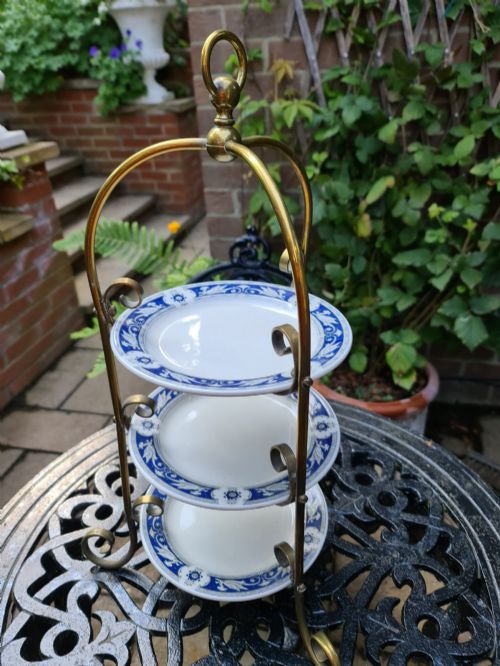
Alternative materials include polished brass, glass, and felt, particularly in twentieth-century display stands and revolving trays. Joinery methods allow tiered structures to fold flat or rotate smoothly on central spindles.
Traditional Cake Stand Retail Price Guide 2026
Typical asking prices for traditional cake stand among the pieces listed under this phrase on Sellingantiques today, from the lower quarter to the upper quarter. They describe what is for sale here now, not the wider market.
Listings feature timbers such as mahogany, rosewood, oak, walnut, and boxwood alongside polished brass and glass.
What varies in quality
The standard of a piece depends upon the selection of timber grain, the precision of any inlay work, and the stability of the folding or revolving mechanism. Solid mahogany and rosewood exhibit a richer depth of colour and finish than simpler utility woods.
Proportion and balance dictate the elegance of the silhouette, especially on multi-tiered items where the diameters of the tiers must graduate correctly from top to bottom.
The Traditional Cake Stand Glossary
- Dumb waiter
- A multi-tiered freestanding piece used for holding food or tableware without the need for servant assistance during a meal. These often feature revolving circular trays on a central column.
- Sheraton Revival
- A late nineteenth-century design style inspired by the furniture of George Sheraton, characterised by light timbers and delicate inlaid details. It frequently appears on mahogany stands from this era.
- Tripod base
- A three-legged support structure designed to provide stability on uneven floors. This configuration is standard for many Victorian and Edwardian tiered stands and dumb waiters.
- Tiered stand
- An item comprising two or more horizontal surfaces arranged vertically above one another. This form maximises display space for cakes and small items.
Traditional Cake Stand: Frequently Asked Questions
What is a traditional cake stand used for?
These items were originally designed to present cakes, pastries, or cheese during afternoon tea and formal gatherings.
Today, they function as decorative display furniture or practical serving tiers for modern entertaining.
How do I care for a wooden cake stand?
Keep wooden pieces away from direct heat sources and strong sunlight to prevent the timber from drying out or splitting.
Apply a light furniture wax occasionally to maintain the polish of the mahogany or oak surface.
Can these stands be folded away?
Several Edwardian and nineteenth-century examples feature hinged mechanisms that allow the tiers to fold flat for compact storage.
Check the stability of the folding hinges carefully before lifting or moving the assembled stand.
How do I distinguish an Edwardian stand from a Victorian one?
Victorian pieces tend to be heavier in construction, often incorporating dark mahogany or walnut with robust tripod bases.
Edwardian equivalents frequently employ lighter oak or Sheraton Revival inlay techniques reflecting changing interior fashions.