

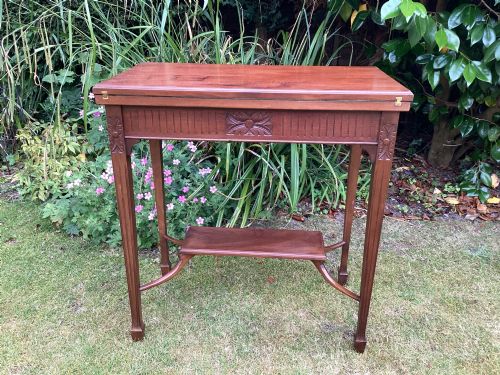
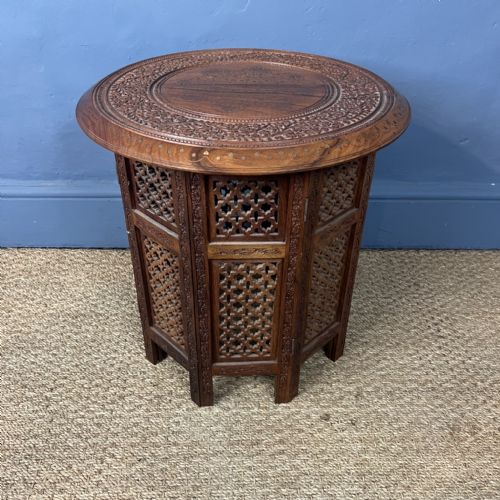
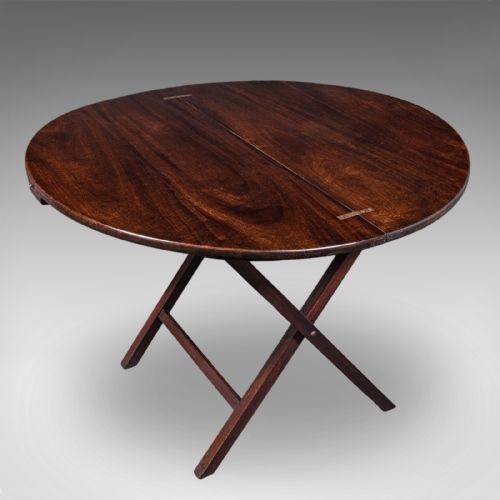
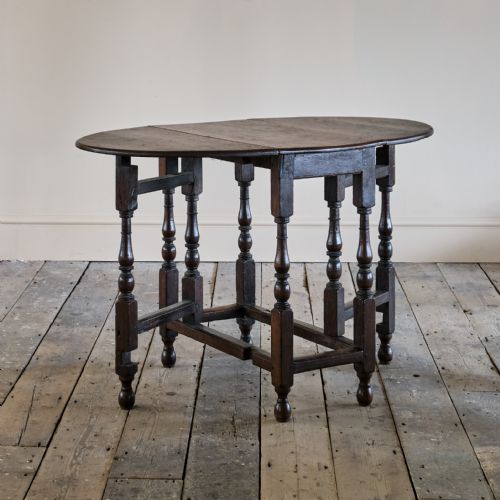
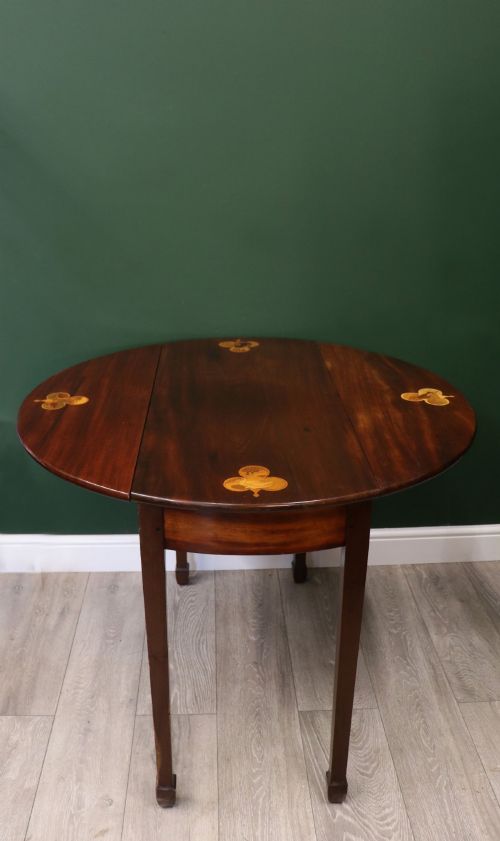
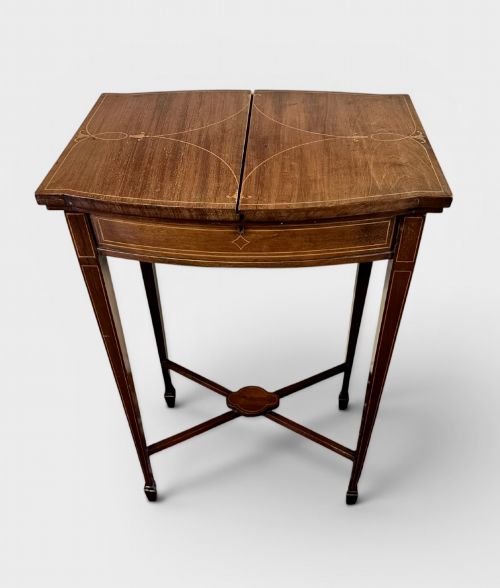
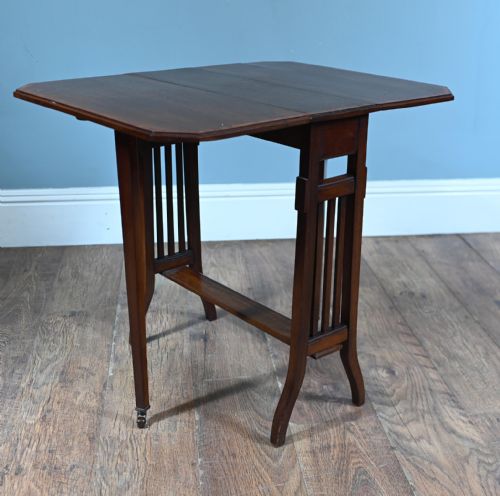
Vintage Folding Occasional Table
A vintage folding occasional table provides a practical surface that packs away neatly when floor space matters.
Vintage Folding Occasional Table
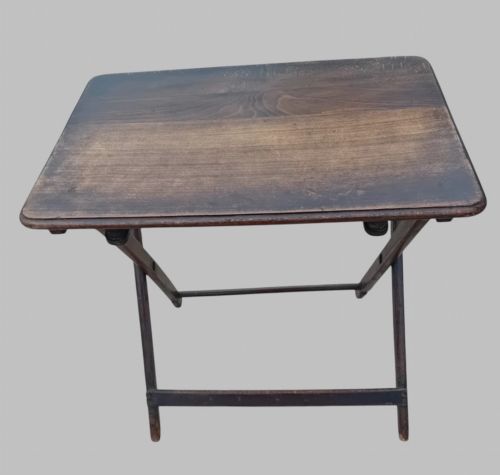
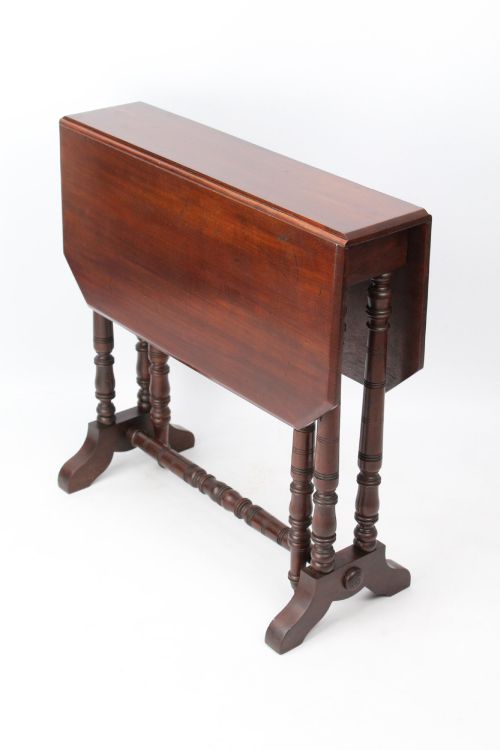
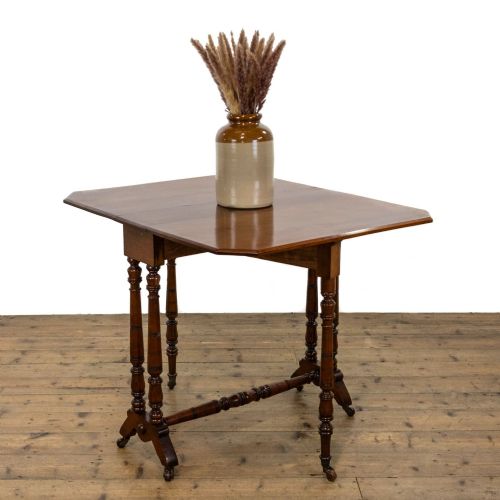
A vintage folding occasional table encompasses a diverse group of movable surfaces designed to collapse or fold for convenient storage. The selection spans compact Edwardian designs, Victorian Butler trays on stands, and drop-leaf variations like the Sutherland table.
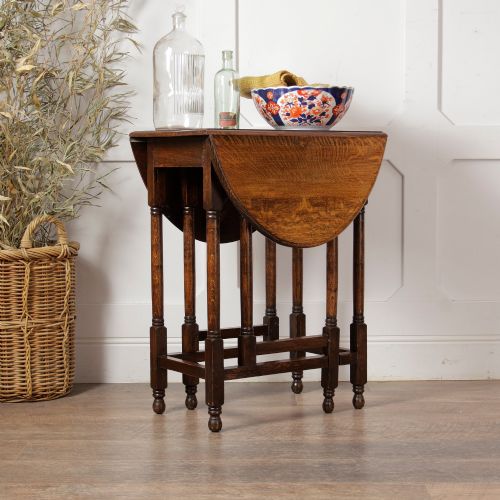
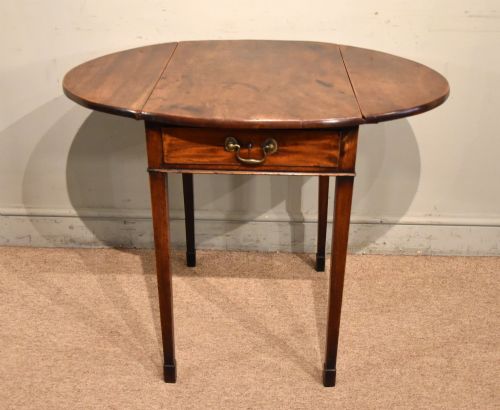
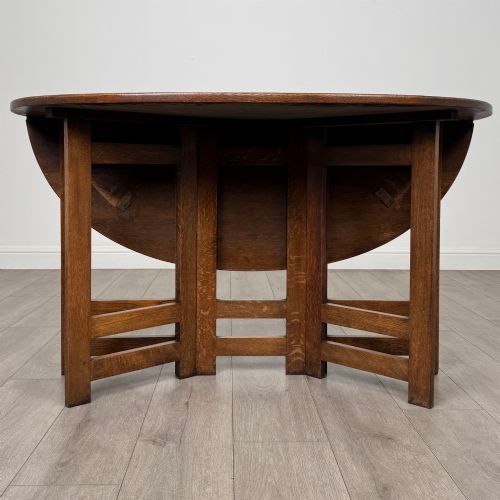
Buyers encountering this phrase frequently find pieces configured as gatelegs, pembroke tables, and campaign furniture from the nineteenth and early twentieth centuries. These forms served various domestic functions, from tea service to card games, operating as flexible additions to period rooms.
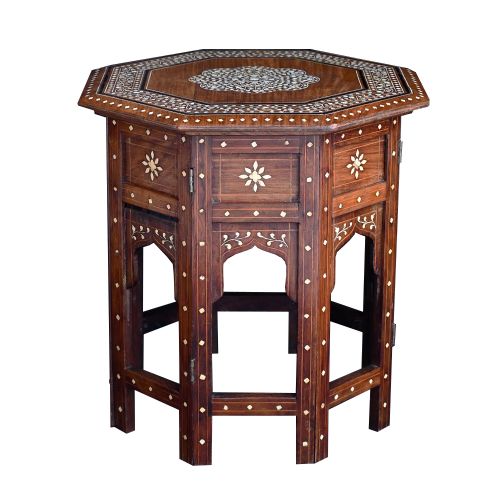
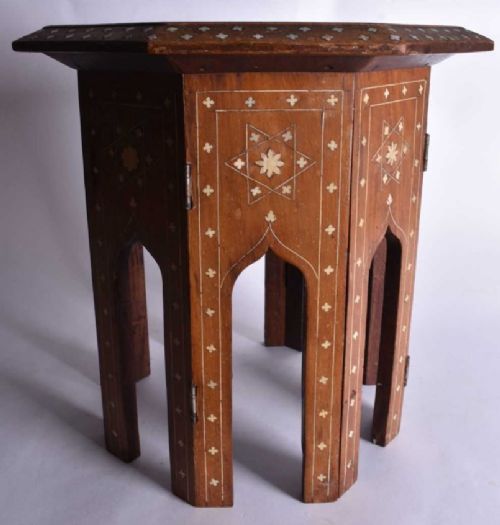
Origins stretch from English workshops to Anglo-Indian hubs, incorporating regional styles such as Hoshiarpur inlay alongside domestic oak and mahogany constructions. Each variation reflects the period requirement for adaptable furniture that adapts to changing social routines.
Materials and construction
Timbers such as mahogany, oak, walnut, and teak form the structural core of these pieces, selected for their durability and grain. Cabinetmakers utilised denser hardwoods alongside lighter exotic woods like padauk and satinwood for specific structural and decorative demands.
Inlay work relied on contrasting materials including bone, brass, and mother of pearl embedded directly into the primary timber. Folding mechanisms depended on sturdy hinges, clever pivoting legs, and drop-leaf brackets engineered to support weight while remaining collapsible.
Several folding tables feature dragon carvings keeping a watchful eye on your evening cup of tea.
Assessing craftsmanship
The division between standard output and finer examples rests on the precision of the joinery and the integrity of the folding mechanism. Superior pieces maintain tight joints and smooth articulation without wobble when fully extended.
Decorative embellishments also drive distinction, where hand-carved details, intricate bone or brass inlay, and matched wood veneers indicate higher workshop investment. Condition of the timber surface and the originality of the hardware influence the overall calibre of the item.
The Vintage Folding Occasional Table Glossary
- Sutherland table
- A narrow drop-leaf table with exceptionally small flaps and folding legs that support them when raised. This form allows the table to stand flat against a wall when closed.
- Gateleg table
- A table with legs on hinged frames that swing outward to support drop flaps on either side. The pivoting gate action provides stable support for an otherwise compact surface.
- Butler tray
- A shallow wooden tray with handles, traditionally lifted off a folding X-frame stand for serving. In domestic settings, the stand folds flat while the tray doubles as a portable tabletop.
- Pembroke table
- A rectangular table featuring two hinged flaps on opposite sides and a drawer beneath the top. Eighteenth and nineteenth-century versions often sat on slender tapering legs with castors.
- Hoshiarpur
- A distinctive style of Indian woodwork originating from Punjab, characterised by dense geometric patterns in bone or shisham wood inlay. These pieces typically feature octagonal or folding table structures.
Vintage Folding Occasional Table: Frequently Asked Questions
What is a vintage folding occasional table used for?
These tables provide supplementary surface space for drinks, books, or lamps in sitting rooms and studies. Their folding design allows them to be stored flat against a wall or in a cupboard when floor space is required.
Historically, they accommodated tea parties, card games, and needlework before being folded away after use. Today, they function well in compact rooms where permanent furniture would crowd the floor.
How do I identify an Edwardian folding table?
Edwardian examples often feature light mahogany frames, subtle string inlay, and tapered spade feet. The construction tends to feel lighter than Victorian equivalents, reflecting changing interior tastes around the turn of the twentieth century.
Many incorporate drop leaves or gateleg actions designed for smaller drawing rooms. Look for clean lines and understated decorative motifs typical of the period from 1901 to 1910.
Are campaign tables sturdy when opened?
Campaign tables utilise robust folding frames engineered for military transport, ensuring stability despite their collapsible nature. The hinges and cross-braces lock securely into position to support heavy loads without shifting.
Made from durable hardwoods like mahogany or teak, these pieces balance portability with structural integrity. Regular use requires checking that the folding pins and brass mounts remain properly secured.
How do I care for inlaid wooden surfaces?
Inlaid surfaces featuring bone, brass, or mother of pearl require gentle cleaning with a dry or barely damp microfiber cloth. Avoid excessive moisture, which can loosen the microscopic glue holding delicate inlay pieces within the timber.
Applying a quality beeswax periodically helps nourish the surrounding wood without harming the embedded materials. Keep these tables away from direct heat sources to prevent the timber from shrinking and displacing the inlay.