





Vintage Flower Vessel
A vintage flower vessel brings form and texture to a room, holding stems in everything from heavy cast copper to delicate moulded glass.
Vintage Flower Vessel
A vintage flower vessel encompasses a wide array of functional items designed to display flora, ranging from tall pedestal vases and broad jardinieres to woven bamboo baskets and low bowls. When searching for a vintage flower vessel, buyers encounter pieces stretching from the Victorian era through the Edwardian years and into the geometric modernism of Art Deco. The selection draws together diverse international traditions, moving from English earthenware potteries and European glasshouses to Japanese bronze work and Chinese cloisonné.
The most common examples on this page date from the late nineteenth century and the early decades of the twentieth century. Arts and Crafts copper vessels and Art Nouveau glass pieces appear frequently, alongside sturdy brass planters and Victorian ceramic flower holders. These objects served domestic display in period interiors, functioning as centrepieces for dining tables or decorative floor urns for long stems.
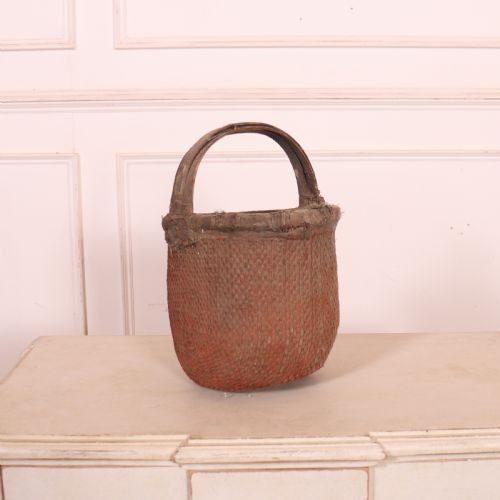
Forms vary significantly according to their intended botanical use. Tall cylindrical shapes suit long-stemmed blooms, whilst wide jardinieres and planters accommodate potted plants or heavier arrangements. Baskets woven from bamboo or painted wicker offer a lighter structure, often utilised for traditional flower arranging.
How They Were Made
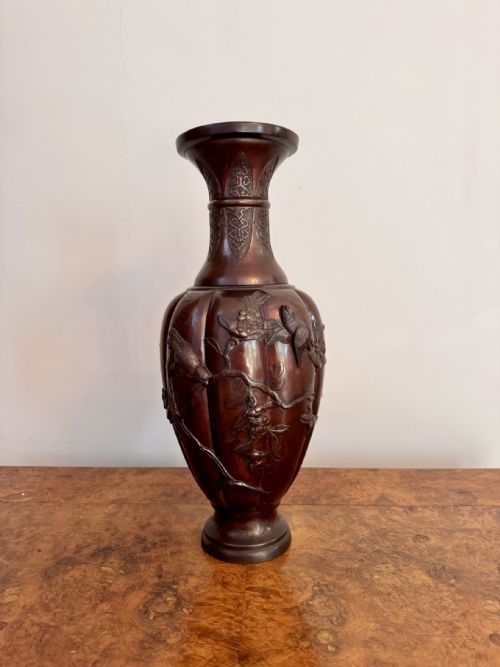
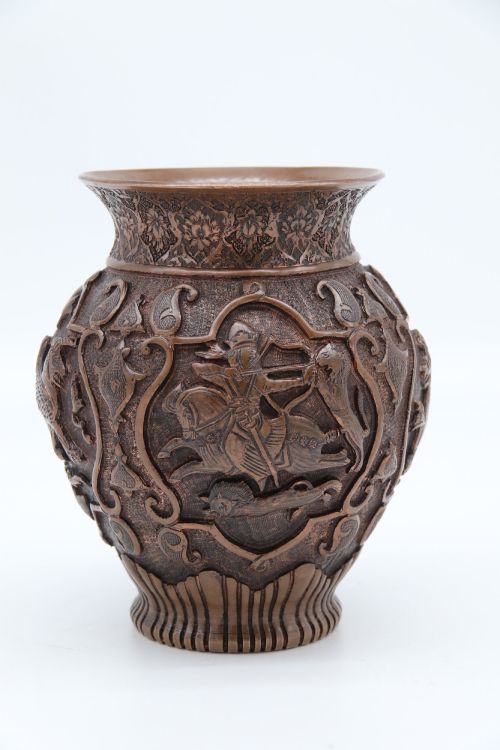
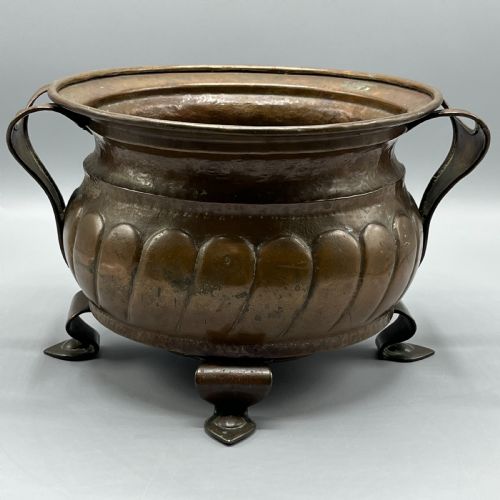
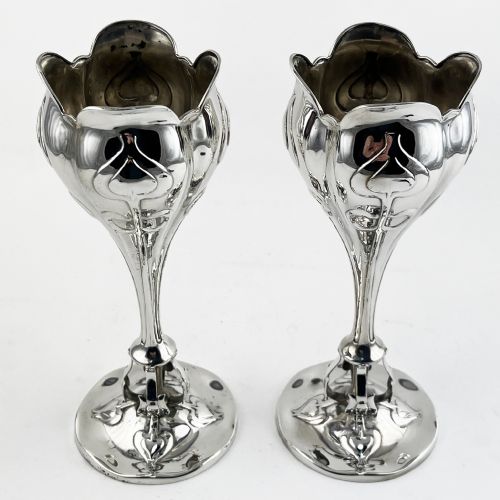
Metal vessels rely heavily on hand-hammered copper, spun brass, and cast bronze, frequently shaped through repoussé techniques where artisans worked the metal from the reverse to create raised motifs. Copper jardinieres and vases from the Arts and Crafts movement display visible hammer marks and patinated surfaces that record the hand of the maker. Silver and pewter pieces utilise casting and plating methods to achieve smooth, reflective finishes suited to formal decorative settings.
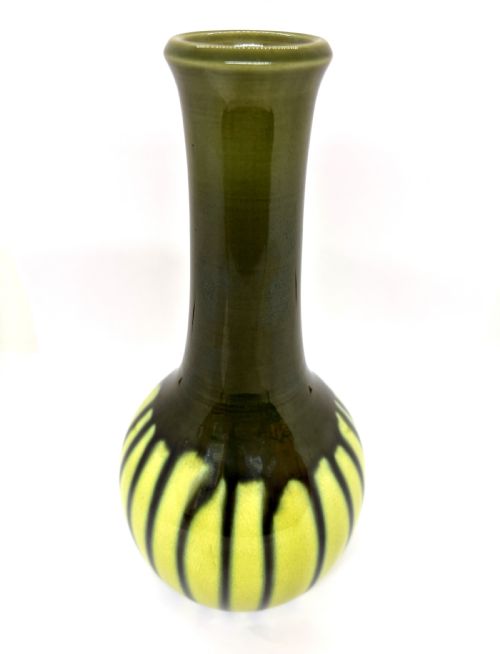
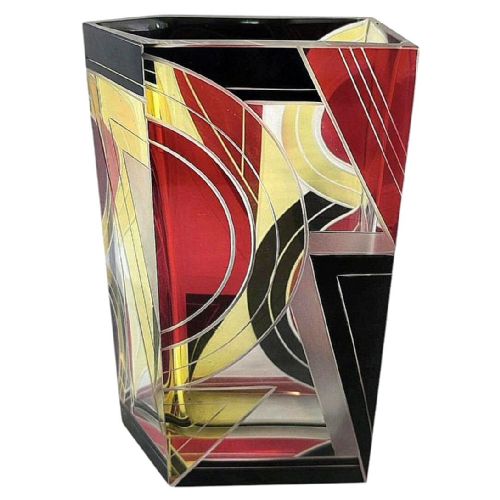
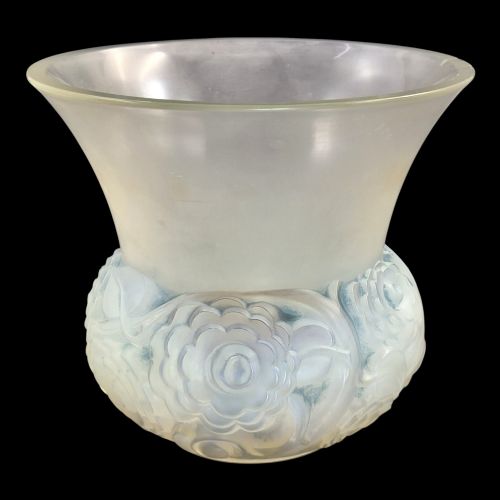
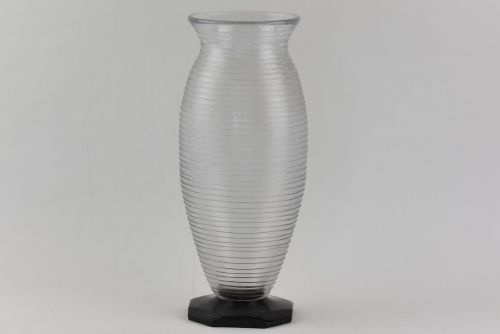
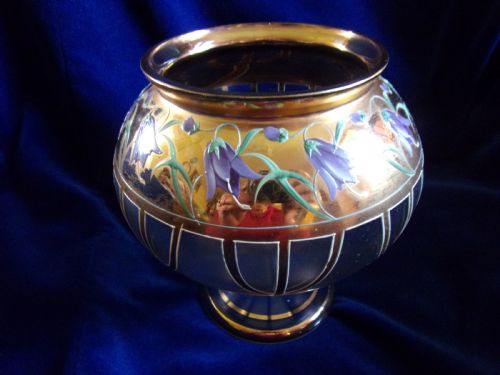
Glass vessels demonstrate complex manufacturing methods including cameo layering, acid etching, enamel decoration, and mould blowing. Makers combined layers of coloured glass or applied molten trails to the surface, seen in iridescent pieces and geometric Art Deco designs. Ceramic pieces from potteries such as Royal Doulton and Burmantoft's employ earthenware or stoneware bodies finished with painted glazes or hand-modelled details.
Several glass vases sport an applied glass snake winding up the neck, ensuring the flowers have company.
What Varies in Quality
Quality rests upon the execution of the surface design and the integrity of the material. In metalwork, deeply worked repoussé with crisp definition distinguishes superior pieces from flat, mechanically pressed items. Glass vessels show distinction in the depth of their acid etching, the richness of their colour saturation, and the precision of applied elements like snakes or handles.
The reputation of the workshop or designer plays a central part in setting examples apart. Pieces bearing clear signatures from established glassmakers, ceramic decorators, or metalwork studios demonstrate higher artistic ambition than anonymous factory production. The weight of the metal and the thickness of the glass also indicate substance and durability.
Burmantoft's Pottery·Charles Graffart for VSL·Karl Palda·Tamura Yukio·Royal Doulton·R Lalique·Schneider·Kralik
The Vintage Flower Vessel Glossary
- Repoussé
- A metalworking technique where the artisan hammers or pushes designs from the reverse side of a sheet of copper, brass, or silver to form a raised relief on the front. This method creates tactile, textured surfaces on vases and jardinieres.
- Cloisonné
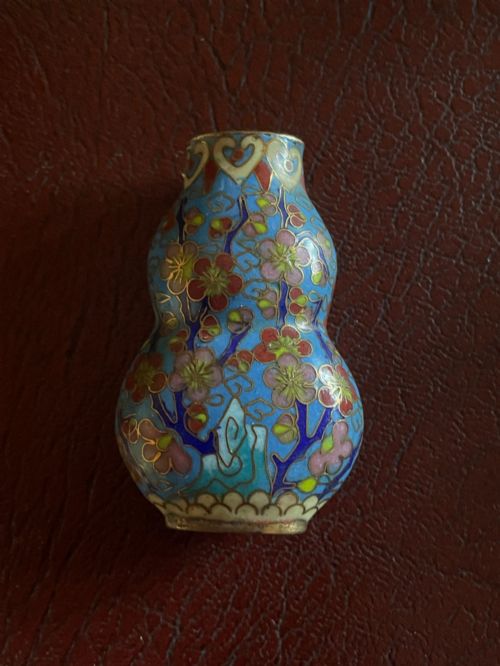
- An ancient enamel technique where thin metal wires are soldered to a metal base to create compartments, which are then filled with coloured paste and fired. Miniature vases and decorative pieces often employ this intricate method.
- Jardiniere
- A large ornamental pot or container, typically made of ceramic, brass, or copper, designed to hold a potted plant or floral arrangement. These vessels frequently sit on tables or directly on the floor.
- Cameo glass
- A luxury glass technique involving multiple layers of contrasting colours fused together, with portions carved away to reveal the design. French glassmakers utilised this method extensively during the early twentieth century.
Vintage Flower Vessel: Frequently Asked Questions
What is the difference between a vase and a jardiniere?
A vase generally holds cut flowers with narrow necks or upright bodies, whereas a jardiniere is a broader vessel meant to house potted plants or larger, multi-stemmed arrangements.
Jardinieres often feature twin handles and sit lower and wider than standard flower vases.
How do I identify an Art Nouveau vessel?
Art Nouveau pieces display flowing, organic lines inspired by natural forms, frequently incorporating motifs of flowers, insects, or whiplash curves.
Materials often include iridescent glass, hand-hammered copper, and cast brass with stylised botanical relief.
Can I use antique metal vessels for fresh water?
Many copper and brass vessels accommodate water safely, though older pieces may require a discreet glass or plastic liner to protect the interior metal.
Inspect the base for any historic solder repairs or perforation before filling.
What distinguishes Art Deco glass vessels?
Art Deco glass relies on bold geometric patterns, stylised symmetry, and strong colours like sapphire blue, orange, or deep amethyst.
Production methods frequently involved acid etching or heavy moulded relief rather than organic hand-painting.