






Art Deco Glass Urn
These art deco glass urn and vase forms bring striking geometric clarity and moulded relief to a room.
What these pieces are
An art deco glass urn or vase represents the geometric boldness and sculptural ambition of the interwar period, uniting decorative arts with functional display. Collectors encounter substantial pieces dating from the nineteen twenties and nineteen thirties, characterised by strong vertical lines and stylised motifs.
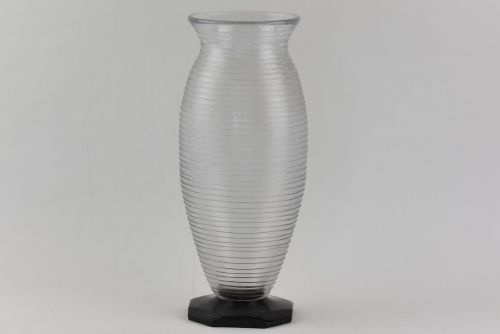
The evidence shows forms ranging from large blown vessels to moulded opalescent creations and enamel-etched geometric designs. Production centres on the definitive styles of the Art Deco movement, capturing the aesthetic spirit of nineteen twenty and nineteen thirty production.
How they were made
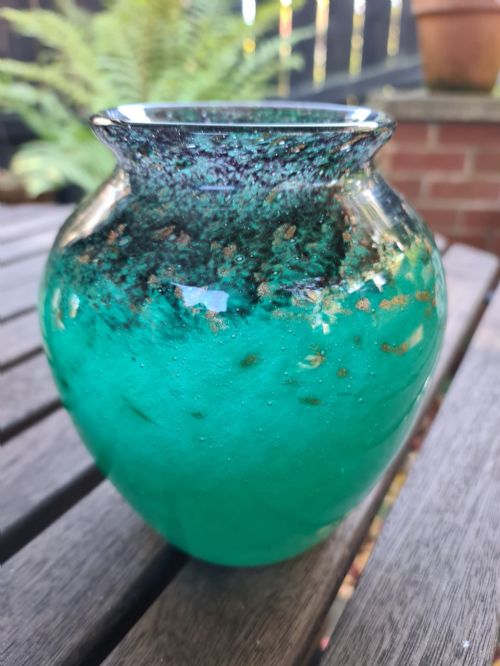
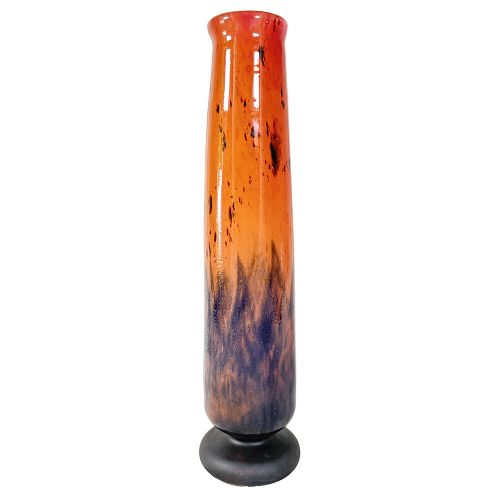
Makers utilised blown glass, powdered glass, and opalescent glass, shaping molten material into substantial decorative vessels. Skilled artisans applied surface treatments including enamel etching and silver mounts with guilloché enamel to achieve rich textural contrast.
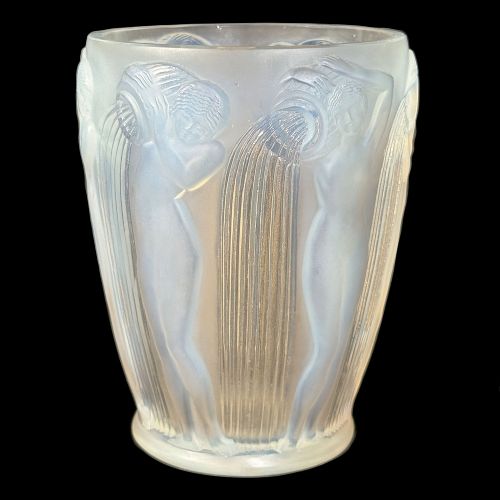
Techniques relied on precise mould-blowing and chemical manipulation of glass to create milky opalescence or deep coloration. Surface decoration was then hand-finished, ensuring that each vessel displayed distinct tactile qualities alongside its structural geometry.
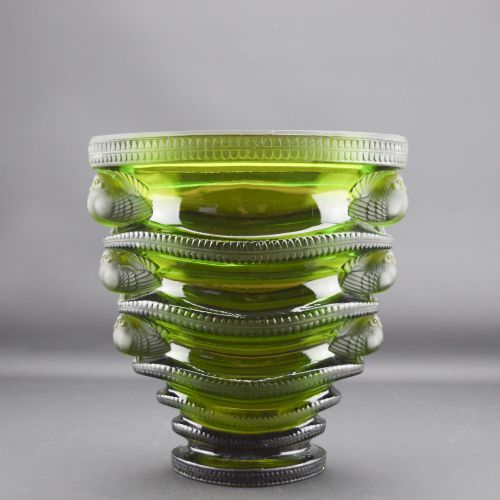
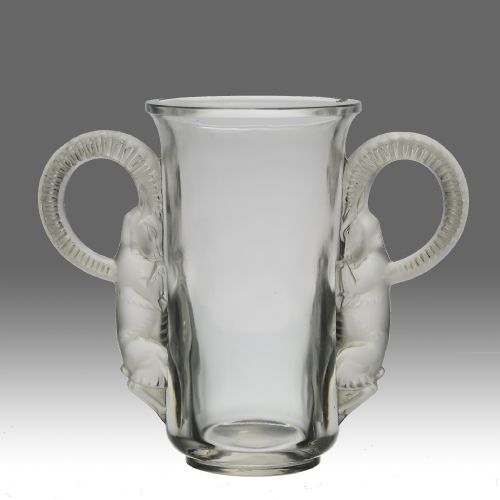
Rams emerge from the cool opalescent surface of one listed vessel, keeping a permanent, silent watch over the room.
What varies in quality
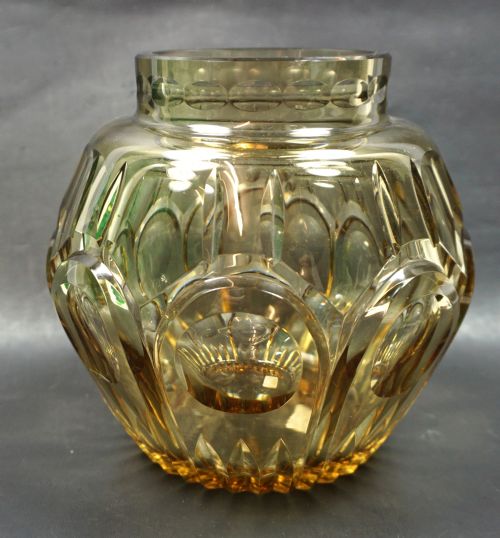
Quality rests in the crispness of the moulded relief and the depth achieved within opalescent or powdered glass. Superior examples display balanced proportions and sophisticated integration of metal mounts or enamel work without obscuring the fundamental glass body.
The distinction between standard production and masterworks lies in the refinement of the surface finish and the clarity of the etched geometric motifs. Finer pieces demonstrate meticulous control over colour transitions and the interaction of light through the glass.
Daum·R Lalique·Docker & Burn
The Art Deco Glass Urn Glossary
- Opalescent glass
- Glass that exhibits a milky, bluish lustre when viewed by reflected light and a warm amber tone by transmitted light. This optical effect enhances the sculptural relief of moulded designs.
- Guilloché enamel
- Decorative enamel applied over a mechanically engraved metal surface. It creates repetitive geometric patterns that show beneath translucent layers of colour.
- Blown glass
- Glass shaped by inflating molten metal on the end of a blowpipe. This foundational technique allows for organic vessel forms before any subsequent moulding or etching.
- Enamel etching
- The process of applying vitreous enamel to a glass surface and using acid or abrasion to create defined patterns. It results in permanent, tactile decoration.
Frequently Asked Questions
How do I clean my art deco glass vase?
Wash the vessel gently by hand using lukewarm water and mild soap, avoiding abrasive cloths that might scratch the surface.
Dry the glass immediately with a soft, lint-free cloth to prevent water spots and protect any delicate enamel or metal mounts.
Where should I display an opalescent glass urn?
Place the piece in a location with directional natural light to activate the milky, shifting tones characteristic of opalescent glass.
Ensure it rests on a stable, flat surface away from direct foot traffic to protect its substantial form.
What defines art deco glass style?
The style relies on symmetrical geometric patterns, stylised animal or human motifs, and a strong sense of industrial modernity.
Pieces from this era favour clean lines and architectural silhouettes over the flowing curves of earlier decorative movements.
How can I date these glass pieces?
Examine the stylistic markers, signature formats, and manufacturing techniques recorded from the nineteen twenties and nineteen thirties.
Compare the specific motifs and material combinations against documented examples from the same period to establish chronology.