
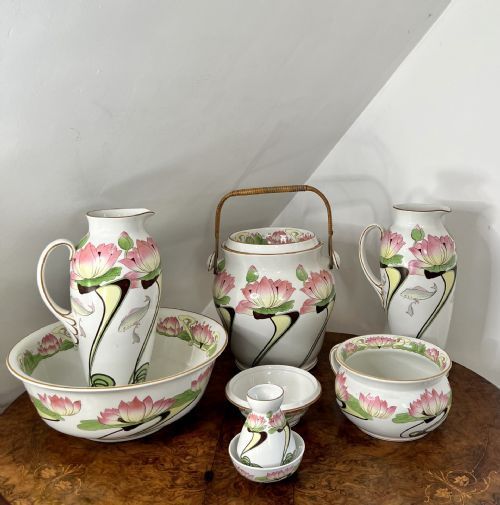


Vintage Floral Ceramic Jug
These vintage floral ceramic jug pieces bring hand-painted botanicals and robust earthenware forms directly into modern rooms.

Vintage Floral Ceramic Jug
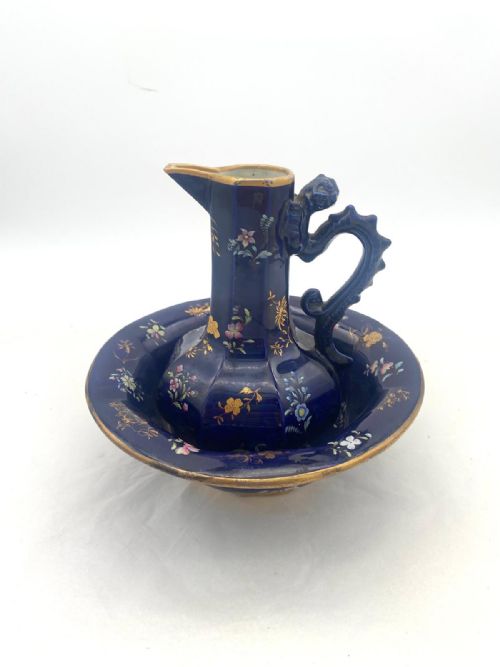
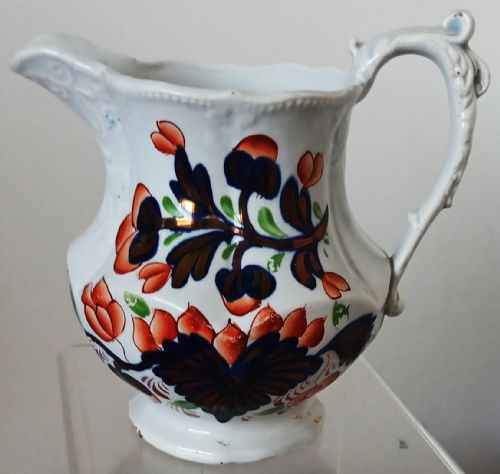
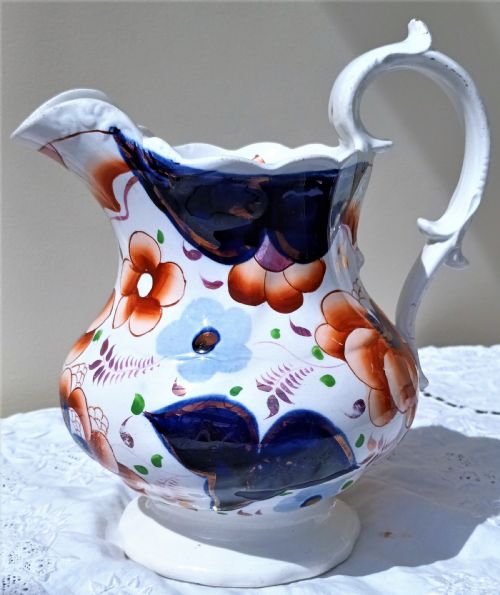
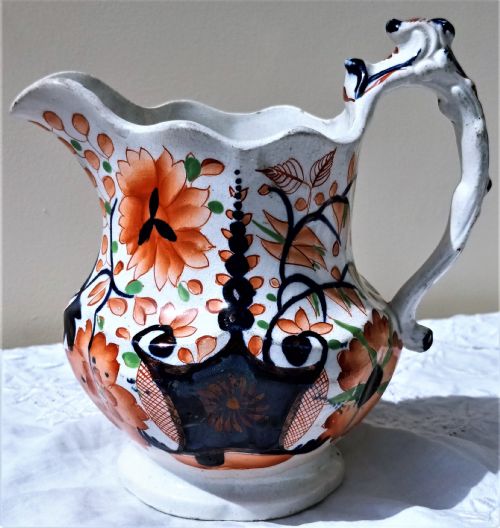
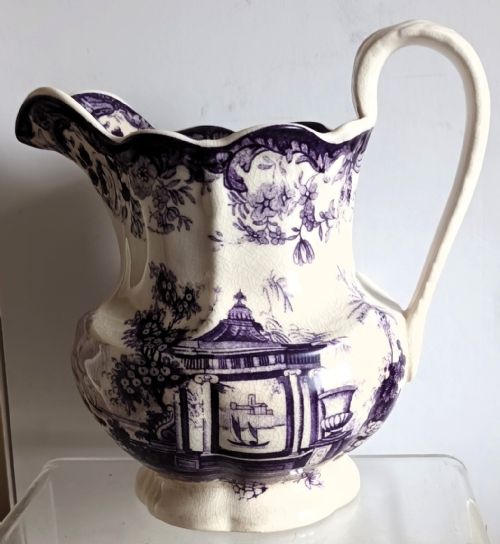
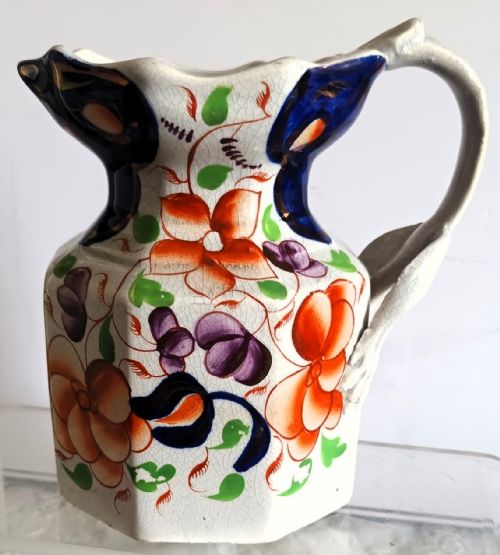
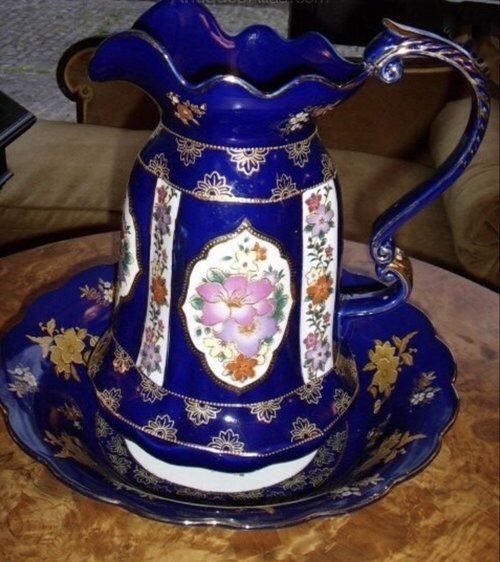
A vintage floral ceramic jug takes many forms across this selection, ranging from miniature creamers to large washstand pitchers and decorative ewers. Buyers exploring this phrase encounter distinct pieces spanning the eighteenth century through the mid-twentieth century, with Victorian Gaudy Welsh patterns and Edwardian bathroom sets appearing frequently.
Makers and potteries from the Georgian period onward utilised durable earthenware, porcelain, and pearlware to shape these vessels. Alongside traditional domestic pitchers, the selection includes related items decorated with flower motifs, such as transfer-printed ewers and painted wash sets.
Materials and construction
Potters built these vessels using ceramic bodies such as earthenware, ironstone, and porcelain, frequently applying tin glazes or clear lead finishes to seal the surface. Decoration relied on hand-painting, transfer printing in magenta or blue and white, and enamel detailing.
Moulding techniques varied from cabbage leaf reliefs to octagonal thrown bodies and mask heads. Gold leaf accents and delicate enamel colours completed the ornamentation on select porcelain and ironstone pieces.
A solitary sunflower studio pottery jug stands ready to pour sunshine.
Assessing craftsmanship
Quality rests in the crispness of the transfer printing or the confident brushwork of hand-painted floral designs. Pieces with clean glaze coverage and sharp moulded details demonstrate superior potting skill compared to softer, blurred examples.
The sophistication of the ceramic body and the complexity of the pattern define the upper tier of the range. Complete sets with matching bowls or marked studio pottery pieces show greater refinement than standard utilitarian jugs.
Masons Ironstone·Doulton Burslem·Royal Worcester·Sir Edmund Elton·New Hall Porcelain·Mark Jones And Sons
The Vintage Floral Ceramic Jug Glossary
- Earthenware
- A porous pottery body fired at lower temperatures, typically requiring a glaze to hold liquids.
- Pearlware
- A refined fine earthenware developed in the eighteenth century with a subtle blue-tinted glaze.
- Transfer printing
- A decoration method where a paper design transfers ink onto the ceramic surface before glazing and firing.
- Ewer
- A large jug with a flared spout and curved handle, traditionally used for washing alongside a basin.
- Gaudy Welsh
- A style of colourful pottery decorated with cobalt blue, copper lustre, and bright enamel flowers.
Vintage Floral Ceramic Jug: Frequently Asked Questions
How were these jugs originally used?
Many of these vessels served practical roles in domestic spaces, functioning as creamers on dining tables or holding water within large bedroom washstand sets.
Other examples were created primarily as decorative display pieces or ewers, designed to complement matching basins and bathroom accessories.
How do I care for antique ceramics?
Wash these pieces gently by hand using warm water and mild soap, avoiding modern dishwashers that can damage aged glazes and enamels.
Keep them away from rapid temperature changes and direct sunlight to protect the original colours and prevent stress on the ceramic body.
How can I tell the period?
Dating relies on stylistic clues, ceramic bodies like pearlware or ironstone, and specific manufacturing marks stamped on the base.
Eighteenth and nineteenth-century pieces often feature hand-applied handles and distinct transfer-printing techniques tied to documented potteries.
What styles are common here?
The selection encompasses Victorian, Edwardian, Art Nouveau, and Art Deco aesthetics alongside Georgian and mid-century examples.
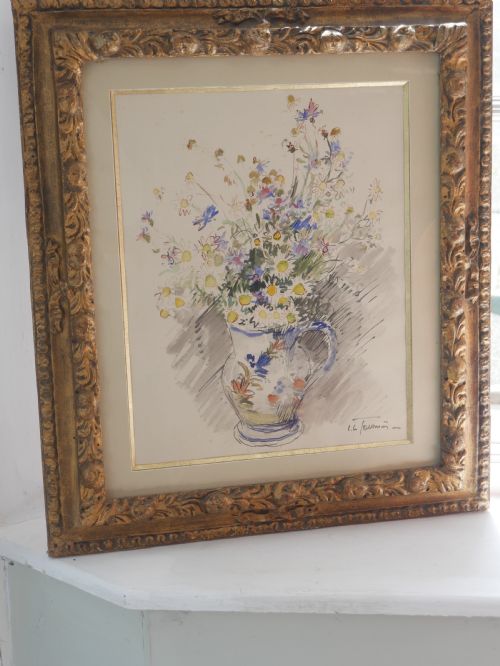
Floral motifs unite these diverse periods, appearing on everything from transfer-printed earthenware to studio pottery and painted still lifes.