



Antique Welsh Pottery Jug
These antique welsh pottery jug examples bring robust nineteenth-century character to a tabletop through bright earthenware and ironstone forms.

Antique Welsh Pottery Jug
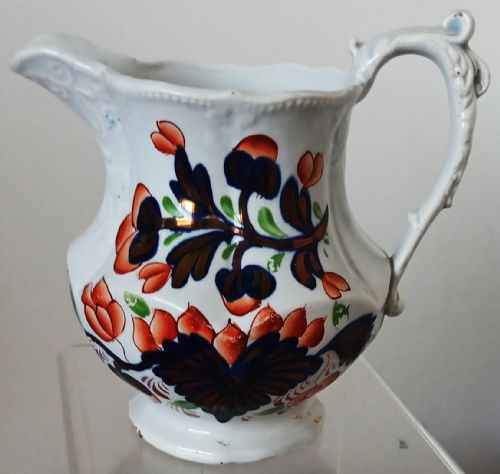
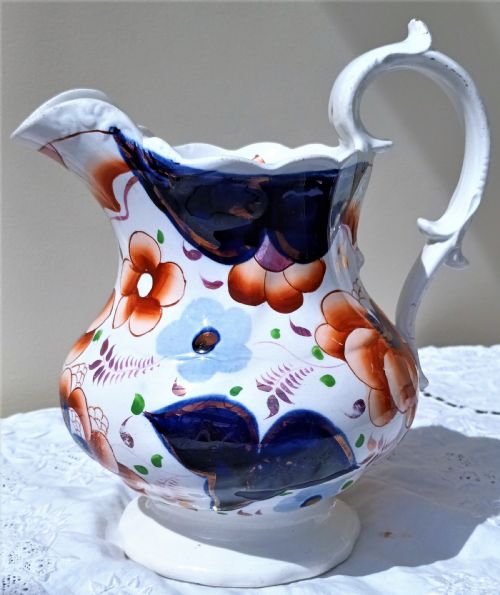
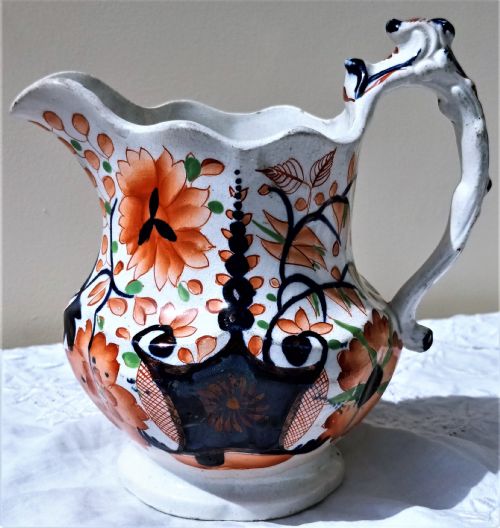
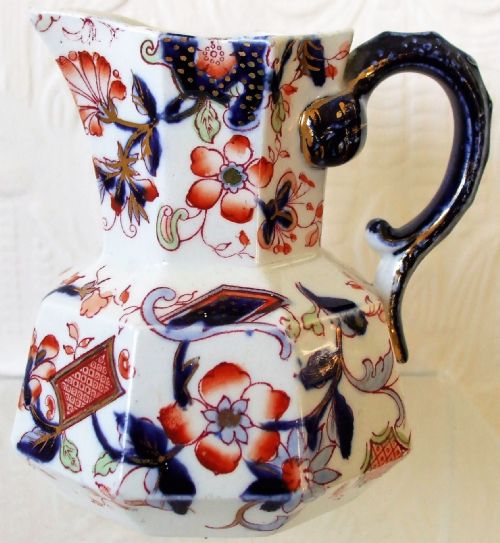
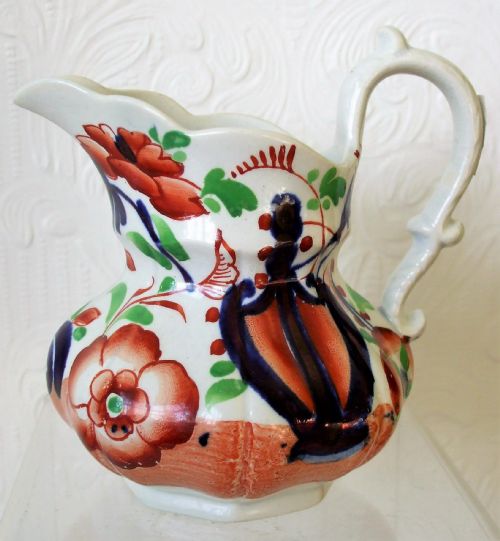
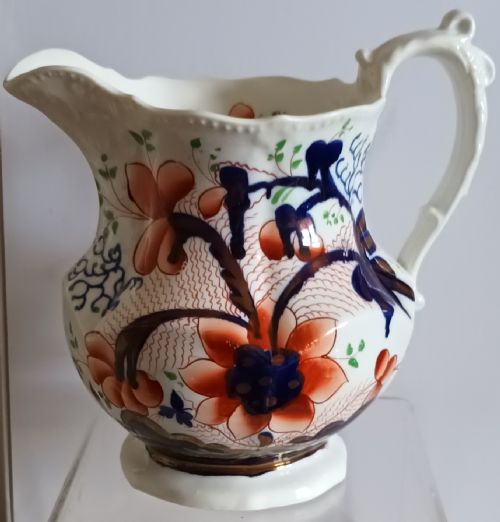
An antique welsh pottery jug is a nineteenth-century utilitarian vessel frequently finished with colourful patterns. Buyers searching for an antique welsh pottery jug will encounter robust earthenware and ironstone forms created during the Georgian and Victorian eras.
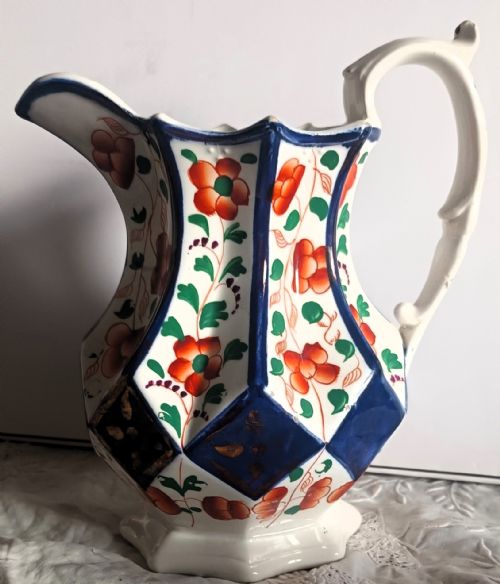
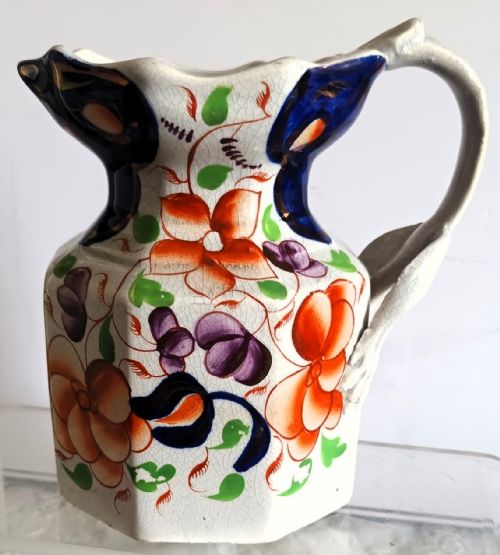
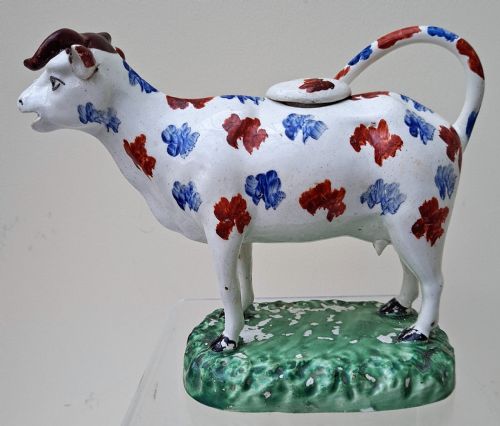
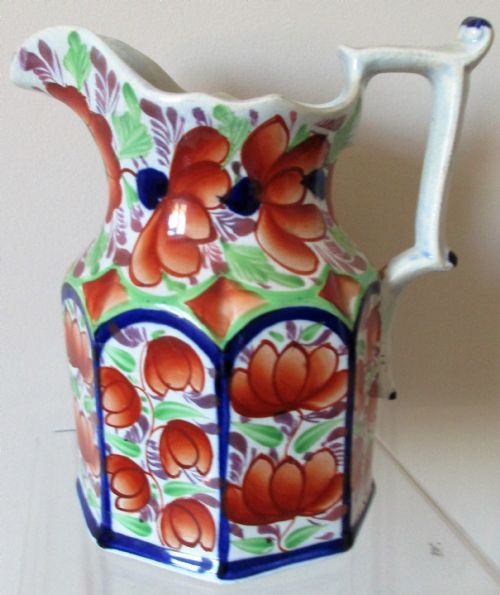
The selection here centres heavily on nineteenth-century Gaudy Welsh patterns, alongside functional dairy shapes like the pottery cow creamer. Pieces range from standard pitchers to distinct pouch jugs displaying traditional regional motifs.
Most specimens date from the Victorian period, reflecting the domestic pottery output of the nineteenth century. Collectors find these items valued for their direct connection to historical Welsh ceramic traditions.
Materials and construction methods
Potters built these vessels using earthenware and ironstone bodies shaped into jugs, pitchers, and creamers. The raw clay was formed and fired before receiving decorative treatment.
Surfaces were finished with applied glaze, paint, enamel, and copper lustre details. These protective coatings gave the ceramics their characteristic sheen and vibrant colour palette.
Assessing quality in regional ceramics
Quality rests upon the crispness of the painted patterns and the application of enamel and copper lustre. Stronger examples display clear, well-aligned motifs such as the Pagoda, Grape, or Bethesda designs.
The execution of the clay body and the smoothness of the glazed ceramic surface dictate the refinement of the piece. Well-balanced forms, particularly in dairy items like cow creamers, demonstrate superior moulding skill.
Keeling & Co.
The Antique Welsh Pottery Jug Glossary
- Earthenware
- Porous ceramic fired at lower temperatures, requiring a glaze to hold liquids. It forms the primary body for many nineteenth-century domestic vessels.
- Ironstone
- A durable type of heavy earthenware patented in the nineteenth century. It resists chipping better than standard pottery and provides a solid base for transfer printing and enamel.
- Copper Lustre
- A metallic glaze finish producing a reflective copper sheen. Potters applied this technique to highlight rims and decorative borders.
- Cow Creamer
- A ceramic container shaped like a bovine with an opening on the back and a mouth serving as the pouring spout. These whimsical dairy vessels were popular in Georgian and Victorian households.
- Gaudy Welsh
- A style of colourful pottery decorated with cobalt blue, iron red, and copper lustre. The patterns often utilise bold hand-painted motifs over transfer-printed outlines.
Antique Welsh Pottery Jug: Frequently Asked Questions
What periods do these jugs date from?
The pieces originate from the nineteenth century, encompassing both the Georgian and Victorian eras. This timeframe covers the primary production years for regional earthenware and ironstone pottery.
Most surviving examples reflect Victorian manufacture, whilst earlier items occasionally date to the Georgian period.
How were these jugs used originally?
These vessels served practical domestic purposes for pouring liquids such as milk, cream, or water at the table. Smaller versions functioned specifically as creamers for tea service.
Dairy forms like cow creamers combined utility with decorative display in nineteenth-century homes.
What materials make up these vessels?
The pieces consist mainly of earthenware and ironstone ceramic bodies. Potters finished these bases with glazes, paint, enamel, and copper lustre.
These materials provided both the structural durability needed for daily use and the colourful surface decoration characteristic of the style.
How do I identify Gaudy Welsh patterns?
Gaudy Welsh ceramics feature distinctive hand-painted colours like cobalt blue and iron red combined with copper lustre. Named patterns such as Pagoda, Grape, and Bethesda appear frequently across these listings.
The vibrant palette and metallic sheen make these nineteenth-century items visually distinct from plain white ironstone.