





Copper Lustre Pottery Pitcher
These copper lustre pottery pitcher examples combine metallic glazes with earthenware bodies, offering a distinct visual appeal for collectors.

Copper Lustre Pottery Pitcher
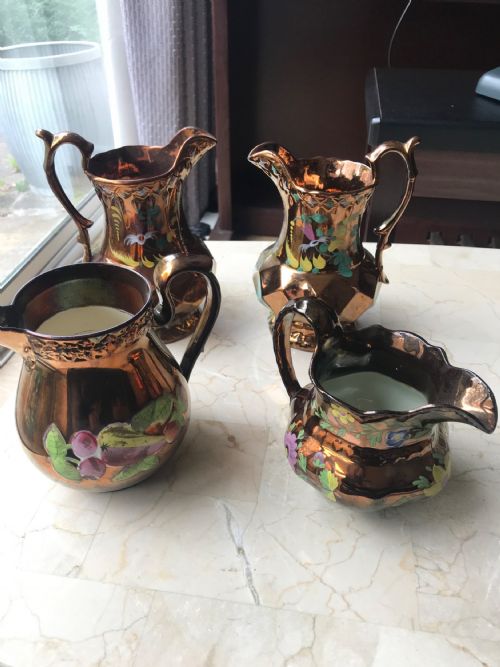
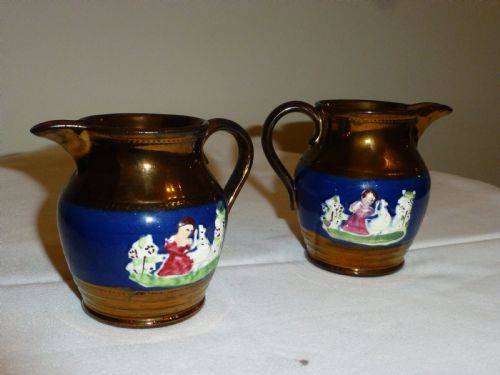
A copper lustre pottery pitcher represents a specific category of ceramic vessels produced primarily during the nineteenth century. These items frequently display metallic copper lustre glazes combined with hand-decorated motifs.
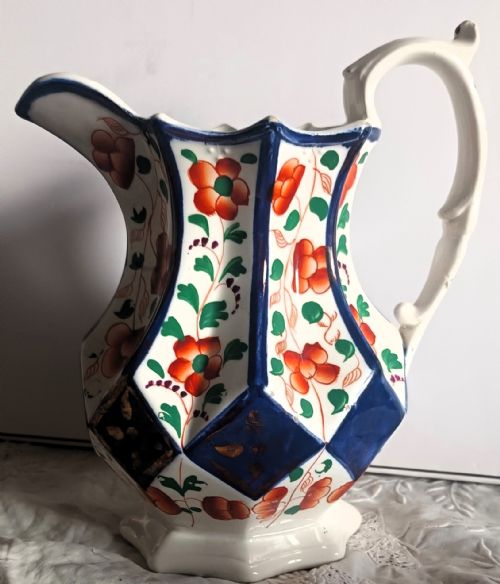
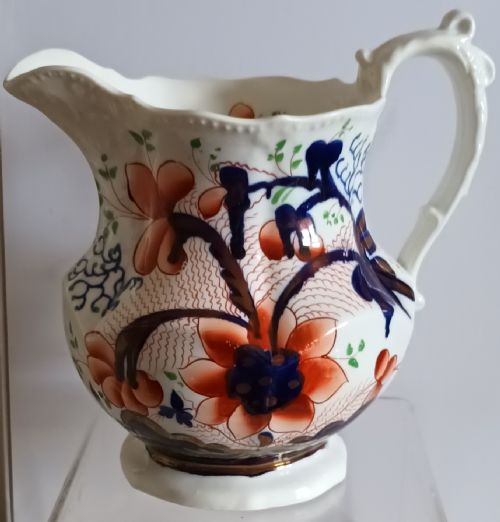
Most pieces seen here belong to the Victorian and Georgian periods, originating from Staffordshire potteries and Welsh makers. Jugs and pitchers form the core of this selection, often featuring named patterns such as Bethesda, Grape, and Harlech.
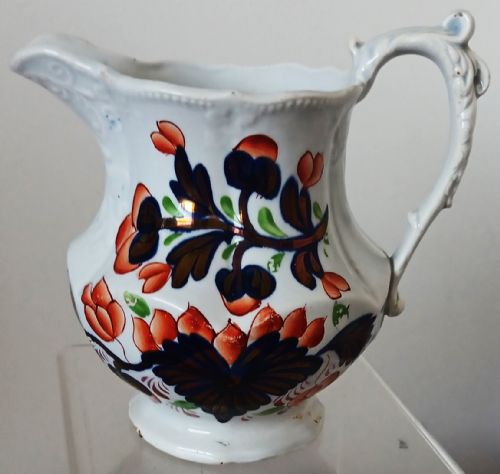
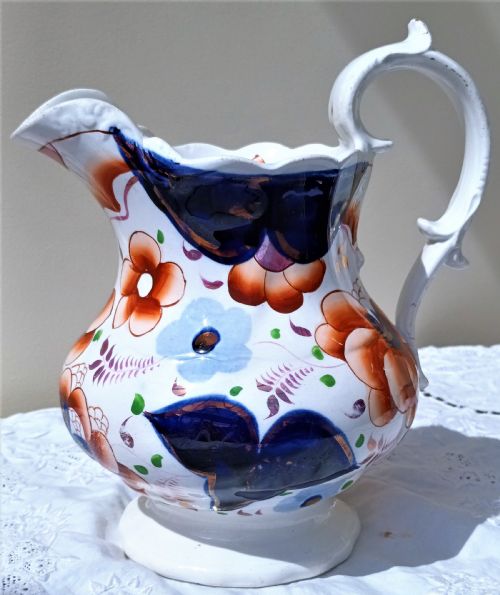
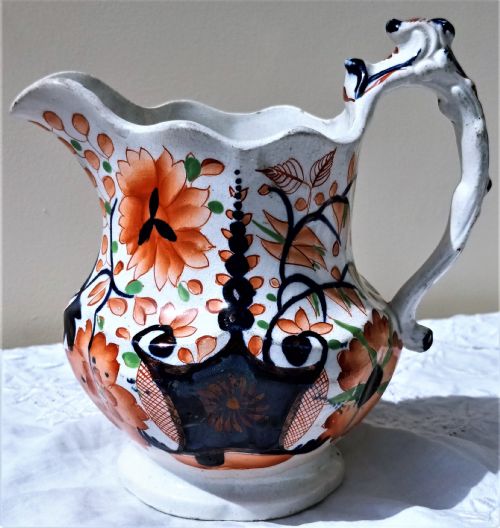
Buyers will encounter both standard milk and water jugs alongside smaller cream jugs. Staffordshire makers and Gaudy Welsh decorators account for the majority of these ceramic items.
Materials and construction
These vessels utilise earthenware and ironstone ceramic bodies as a base for the metallic finish. Potters applied copper lustre glaze to create the reflective surface characteristic of the style.
Makers decorated many of these ceramic jugs by hand, adding enamel details and botanical or patterned motifs over the glaze. Staffordshire and Livesley Powell workshops employed these established manufacturing techniques during the nineteenth century.
Copper Lustre Pottery Pitcher Retail Price Guide 2026
Typical asking prices for copper lustre pottery pitcher among the pieces listed under this phrase on Sellingantiques today, from the lower quarter to the upper quarter. They describe what is for sale here now, not the wider market.
Listings feature nineteenth-century earthenware and ironstone ceramics, incorporating Staffordshire and Gaudy Welsh styles.
Assessing quality and execution
The sophistication of the hand decoration separates standard production items from finer examples. Hand-painted fruit motifs and intricate botanical designs reflect greater artisanal skill than simpler geometric patterns.
The consistency and coverage of the copper lustre glaze influence the overall visual impact of each pitcher. Well-preserved enamel colours and robust ironstone or earthenware bodies indicate superior initial manufacture.
Livesley Powell Co
The Copper Lustre Pottery Pitcher Glossary
- Copper lustre glaze
- A metallic surface treatment applied to pottery that produces a reflective, copper-coloured sheen. This technique defines the visual character of nineteenth-century lustreware.
- Ironstone
- A durable type of heavy earthenware developed in the nineteenth century. It provided a strong body for jugs and pitchers.
- Gaudy Welsh
- A style of pottery decoration known for vibrant cobalt blue, copper lustre, and iron glaze highlights. It was produced largely for the Welsh market during the Victorian era.
- Staffordshire
- A region in England renowned for its extensive pottery and ceramic manufacturing. Many nineteenth-century jugs originated from this industrial area.
Copper Lustre Pottery Pitcher: Frequently Asked Questions
What periods do these pitchers come from?
The pieces originate primarily from the nineteenth century, spanning Georgian, early Victorian, and later Victorian periods.
Specific dates within the listings point to around eighteen fifty and eighteen ninety.
How were these jugs decorated?
Makers applied hand-decorated enamel details over copper lustre glazes on earthenware and ironstone bodies.
Common decorative themes include botanical patterns and named motifs like Bethesda, Grape, and Harlech.
Are these pitchers suitable for daily use?
These historical ceramics are generally collected for display rather than functional kitchen service.
Their age and delicate hand-painted enamel work make careful handling necessary.
What is Gaudy Welsh pottery?
Gaudy Welsh refers to a distinctive style of nineteenth-century ironstone and pottery featuring bold colours.
These pieces frequently combine cobalt blue and enamel patterns with copper lustre highlights.