

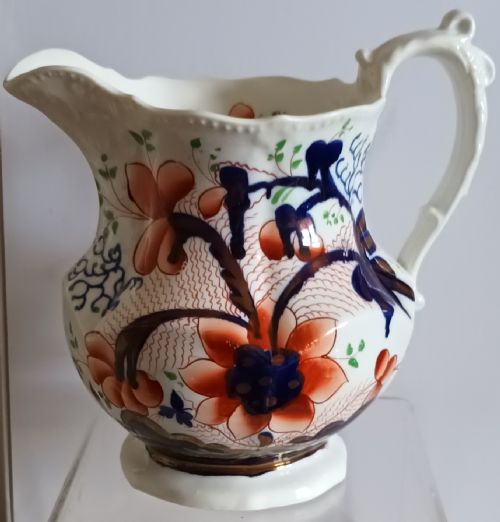


Gaudy Welsh Pottery Jug
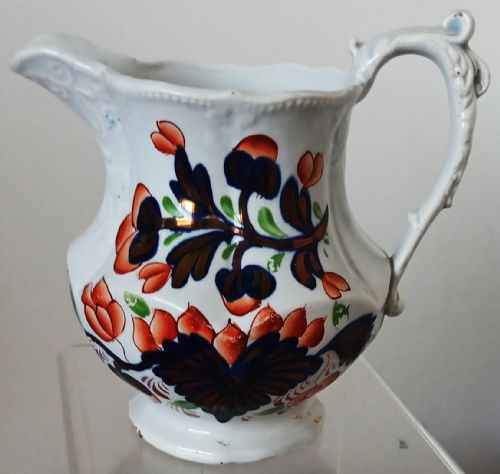
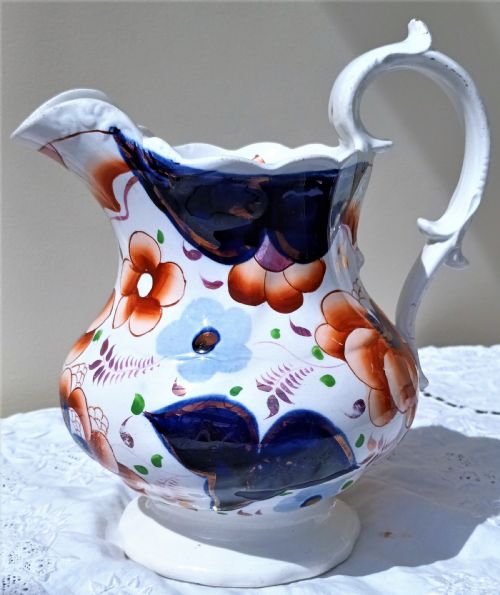
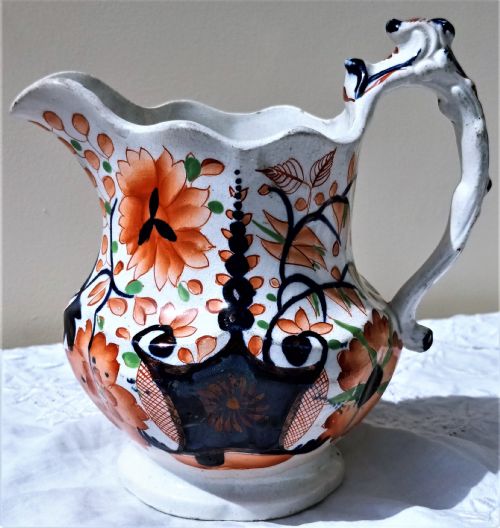
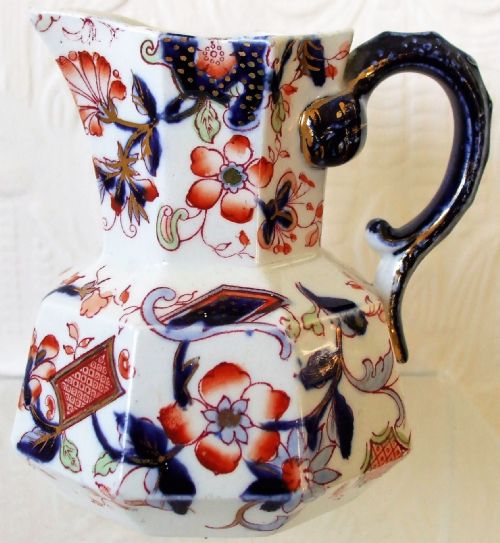
These gaudy welsh pottery jug examples bring vibrant nineteenth-century colour and metallic lustre to a room, offering striking decorative presence.

Gaudy Welsh Pottery Jug
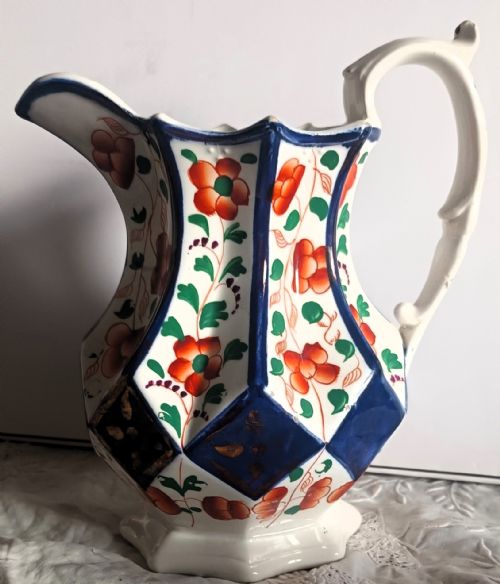
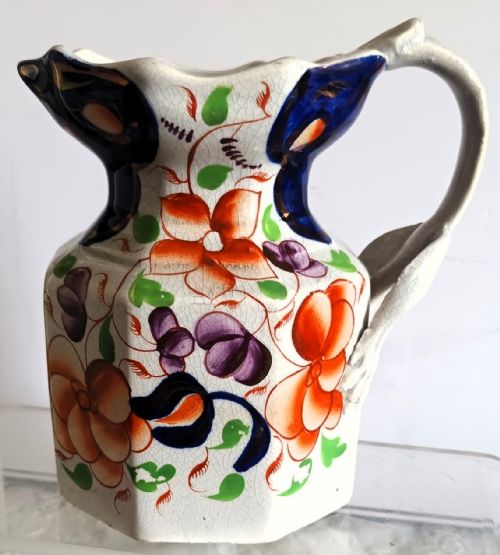
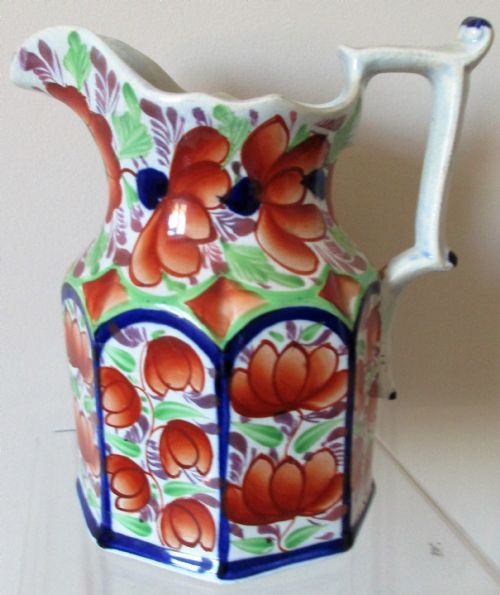
A gaudy welsh pottery jug represents a distinctive nineteenth-century ceramic tradition that collectors seek for its bold palette and folk art charm. These pieces emerge primarily from the Victorian and Georgian periods, showcasing named decorative patterns like Bethesda, Grape, Drape, Pagoda, Harlech, Gower, Gwent, Aberaeron, Conwy, and Barmouth.
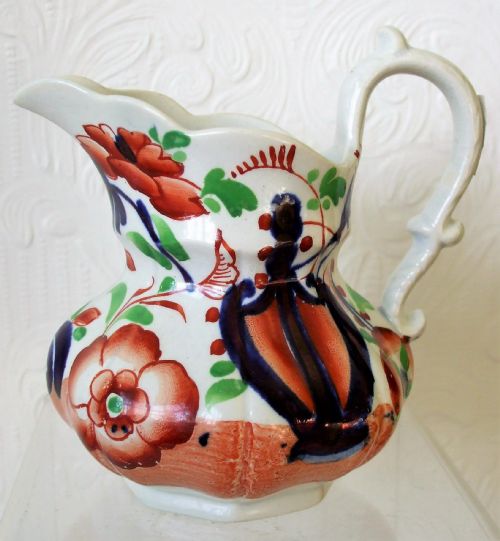
The objects appear predominantly as jugs and pitchers formed from earthenware, ironstone, glazed ceramic, and porcelain. Victorian examples form the bulk of what surfaces, spanning standard pitcher forms alongside specialised pouch jug variants.
Materials and construction
Makers shaped these vessels in earthenware, ironstone, and porcelain, applying a protective glaze over the body. Potters then added hand-painted enamel decoration and distinctive copper lustre highlights.
The surface design relies on vibrant enamel colours combined with metallic lustre application, creating the characteristic visual weight associated with the style. Glazed ceramic surfaces receive these pigmented and lustred motifs before final firing.
Named after Welsh destinations despite English manufacture, these jugs wear their geographical confusion with cheerful metallic pride.
Judging quality in the range
Variation in quality stems from the crispness of the painted patterns and the richness of the copper lustre application. Pieces with complex named motifs like Pagoda or Bethesda display varying degrees of hand-painted precision.
The depth of the glaze and the preservation of the vibrant enamel colours distinguish finer specimens from simpler examples. The crispness of form in pitcher shapes and pouch jugs also indicates the standard of the original workshop output.
Keeling And Co
The Gaudy Welsh Pottery Jug Glossary
- Copper Lustre
- A metallic glaze application that imparts a coppery sheen to ceramics. This technique provides the characteristic bright metallic accents seen on many nineteenth-century pieces.
- Ironstone
- A dense, durable type of earthenware developed in the nineteenth century. It serves as a sturdy body for many decorated jugs.
- Enamel
- Opaque glass-like paint applied over the glaze and fired at a lower temperature. It delivers the brilliant reds, blues, and greens found in the patterns.
- Pouch Jug
- A pitcher featuring a rounded, bulbous belly shaped like a pouch. This distinctive form appears among nineteenth-century pottery vessels.
- Glaze
- A glassy coating fused to the ceramic body through firing. It seals the earthenware or porcelain and provides a smooth surface for painted decoration.
Gaudy Welsh Pottery Jug: Frequently Asked Questions
What periods do these jugs date from?
The pieces originate primarily from the nineteenth century, spanning both Georgian and Victorian eras.
Most surviving examples date to the Victorian period, reflecting the peak era of production for these brightly decorated earthenwares.
What materials are these jugs made from?
Makers utilised earthenware, ironstone, glazed ceramic, and porcelain to form the body of each vessel.
Surface decoration relies on applied glaze, colourful enamel paints, and metallic copper lustre highlights.
How do pattern names help identify pieces?
Named patterns such as Pagoda, Harlech, Bethesda, and Gwent appear across the pieces and help classify specific regional designs.
These titles reflect the distinct decorative motifs applied by nineteenth-century makers to the ceramic surface.
What is a pouch jug?
A pouch jug is a pitcher variation featuring a distinctively rounded, bulbous body shape.
This specific form appears alongside standard jug designs within nineteenth-century pottery production.