



Victorian Gaudy Welsh Pitcher
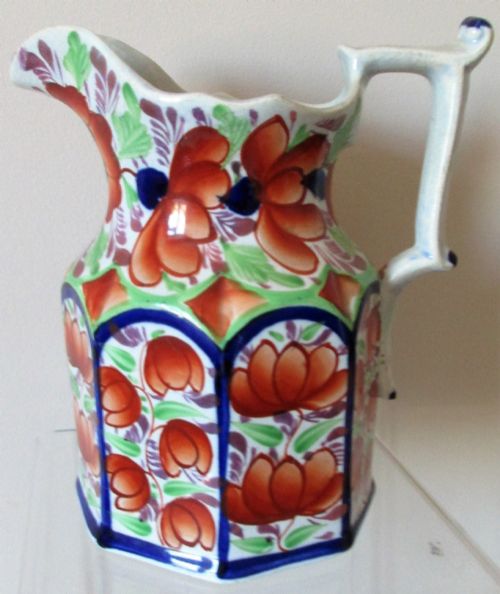
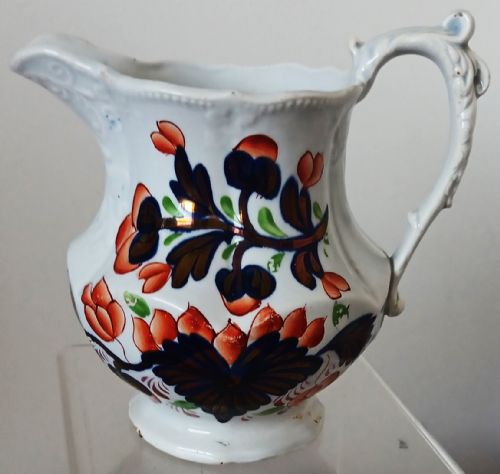
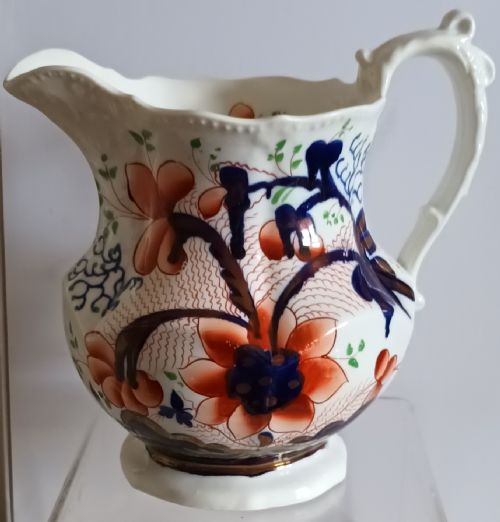
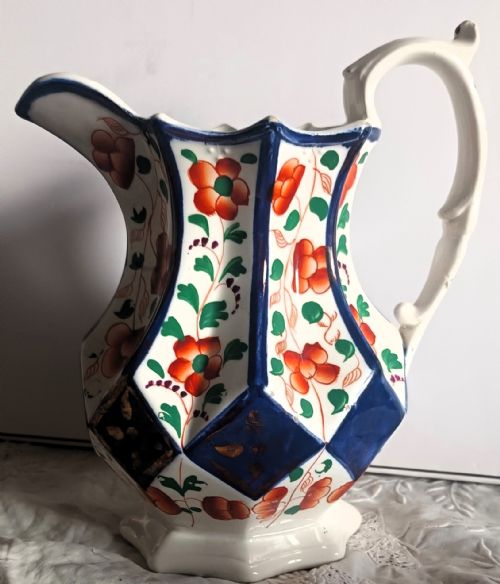
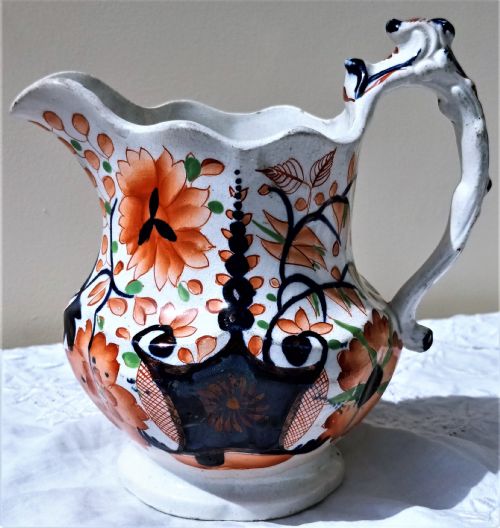
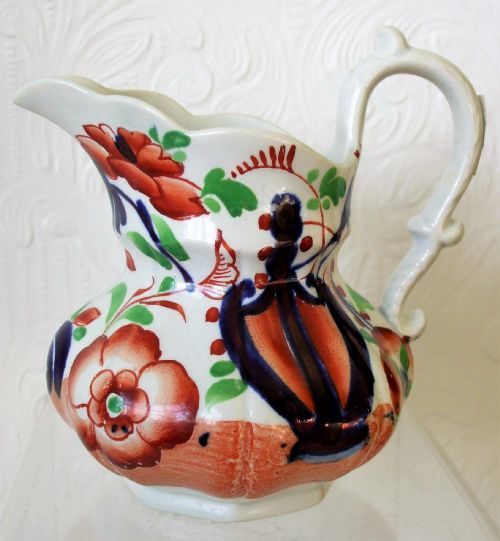
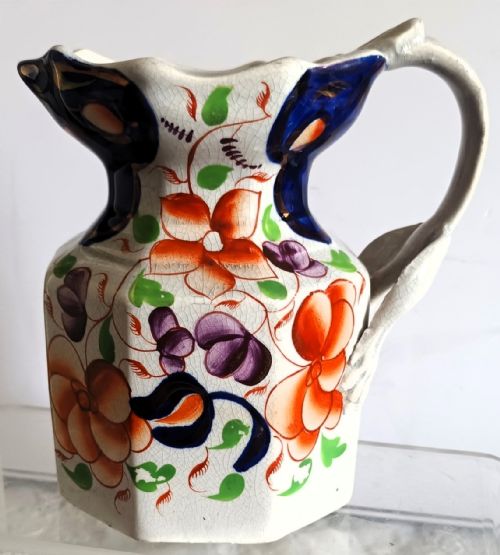
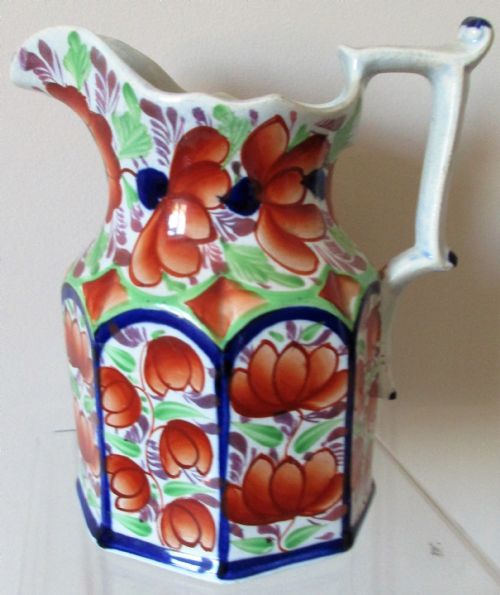
These robust victorian gaudy welsh pitcher examples bring vibrant nineteenth-century folk art colour to a room through bold enamel and copper lustre.

Victorian Gaudy Welsh Pitcher
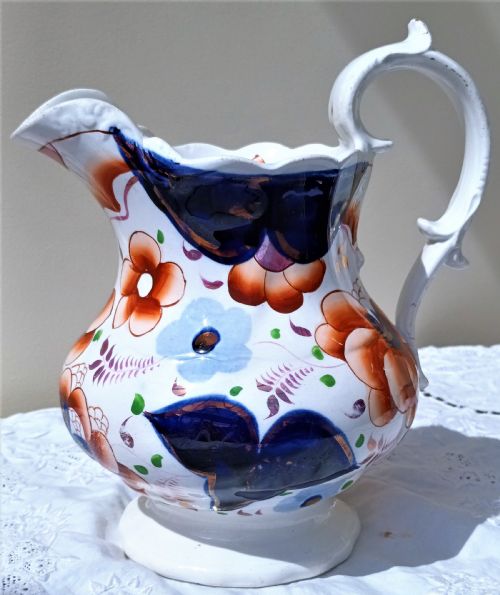
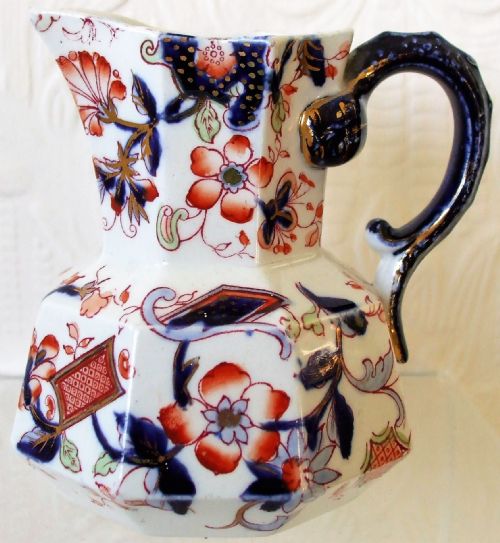
A victorian gaudy welsh pitcher represents nineteenth-century ceramic production adorned with striking hand-painted motifs. Buyers searching this phrase encounter nineteenth-century jugs featuring named patterns like Grape, Drape, Pagoda, Harlech, Gower, Gwent, Aberaeron and Conwy.
Most items meeting this search take the form of pottery jugs and pouch jugs belonging to the Victorian era. These vessels display distinctive regional folk art styling that stands out on a dresser or shelf.
How they were made
Potters shaped earthenware and glazed ceramic bodies before applying detailed enamel decoration by hand. Artisans utilised copper lustre and gilding to add metallic highlights that catch the light.
The combination of glazed ceramic surfaces with vibrant enamel pigments defines the physical construction of these nineteenth-century pieces. Firing techniques fixed the rich colours beneath a protective glaze layer.
Victorian Gaudy Welsh Pitcher Retail Price Guide 2026
Typical asking prices for victorian gaudy welsh pitcher among the pieces listed under this phrase on Sellingantiques today, from the lower quarter to the upper quarter. They describe what is for sale here now, not the wider market.
Listings feature nineteenth-century earthenware and glazed ceramic jugs decorated with enamel, copper lustre, and gilding in distinct Victorian folk art styles.
What varies in quality
The crispness and density of the hand-painted enamel decoration dictate the visual success of each vessel. Finer examples display precise execution in traditional patterns such as Pagoda or Grape.
Application of copper lustre and gilding shows distinct variation across individual nineteenth-century items. Strong contrast between the enamel pigments and the ceramic body separates the superior specimens from simpler production.
Keeling & Co.
The Victorian Gaudy Welsh Pitcher Glossary
- Copper lustre
- A metallic glaze finish imparting a warm, reflective sheen to ceramic surfaces. This technique adds characteristic brightness to nineteenth-century folk art pieces.
- Earthenware
- A porous type of pottery fired at lower temperatures, commonly used for domestic jugs. It forms the solid base body for heavy enamel decoration.
- Enamel
- Opaque glass-like paint applied over glaze to create colourful patterns. Artisans brush these bright pigments onto pottery before a final firing.
- Pouch jug
- A vessel featuring a rounded, bulbous belly shape distinct from standard straight-sided pitchers. This specific form provides extra volume for pouring liquids.
Victorian Gaudy Welsh Pitcher: Frequently Asked Questions
What is a victorian gaudy welsh pitcher?
A victorian gaudy welsh pitcher is a nineteenth-century ceramic jug decorated with bright enamel colours and copper lustre. These vessels showcase traditional folk art patterns typical of the Victorian period.
Such pieces combine practical utility with vibrant visual appeal. They were produced using earthenware or glazed ceramic materials.
How were these pitchers used?
These jugs served practical domestic functions for holding and pouring liquids in nineteenth-century homes. Their robust earthenware construction made them suitable for daily household tasks.
Over time, the role of these pitchers shifted from pantry utilities to decorative mantelpiece displays. Their bright patterns brought cheerful colour into everyday domestic spaces.
How do I identify patterns on them?
Nineteenth-century makers applied specific named designs such as Pagoda, Grape, and Harlech onto the ceramic body. Each pattern utilises distinct arrangements of hand-painted enamels and copper lustre.
Examining the motif details helps connect individual vessels to traditional folk art series. These patterns remain the primary method for distinguishing one jug type from another.
What materials make up these jugs?
These items are constructed from earthenware and glazed ceramic bodies. Artisans finished the pieces using enamel paints, gilding, and copper lustre.
The interaction between the smooth glaze and the metallic highlights creates the distinctive appearance. Every piece relies on these traditional nineteenth-century manufacturing components.