

Vintage Floral Area Rug
A vintage floral area rug anchors a room with botanical motifs woven centuries ago.
Vintage Floral Area Rug
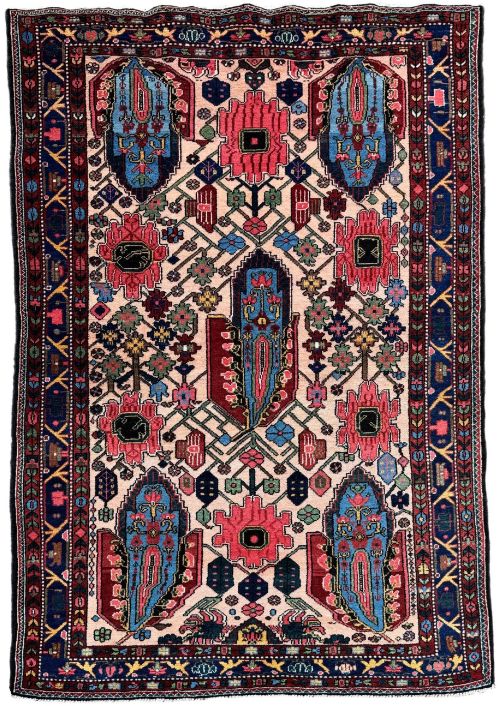
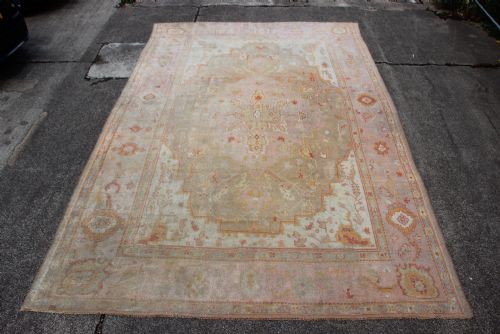
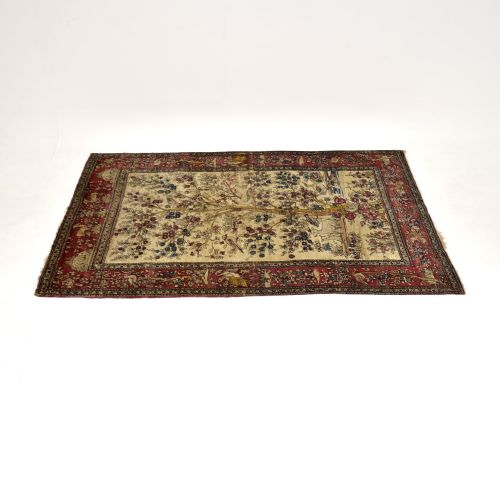
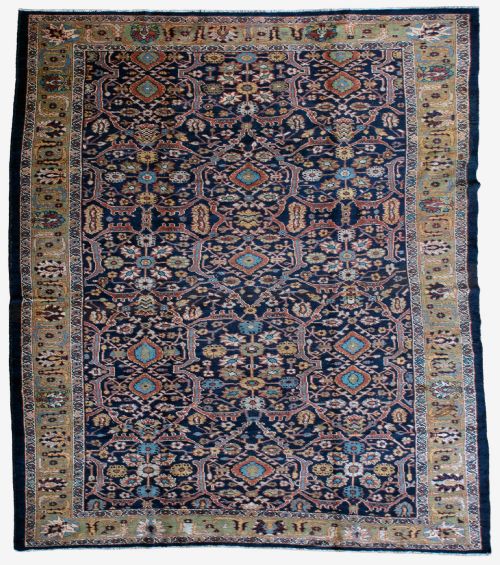
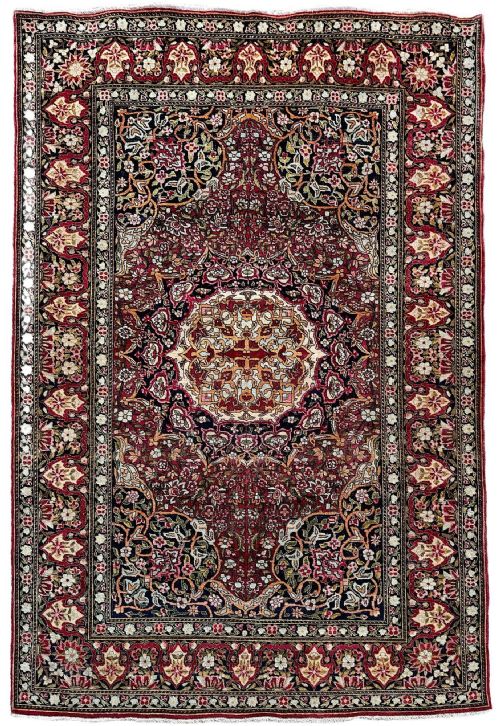
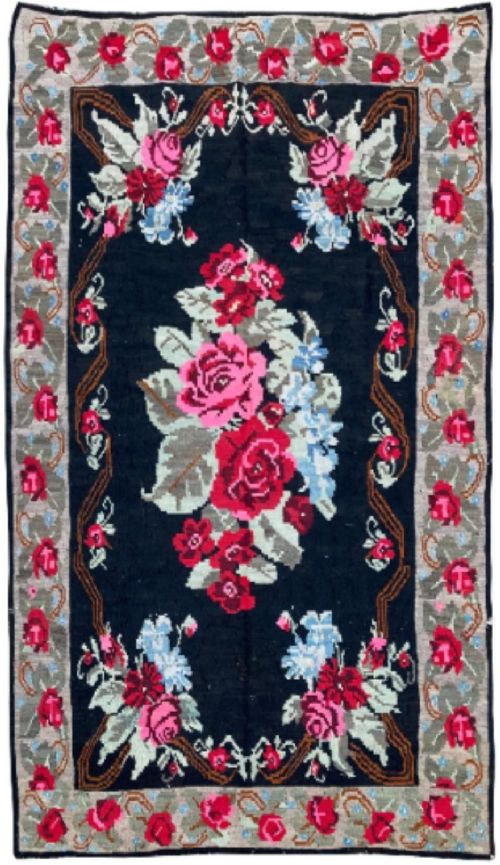
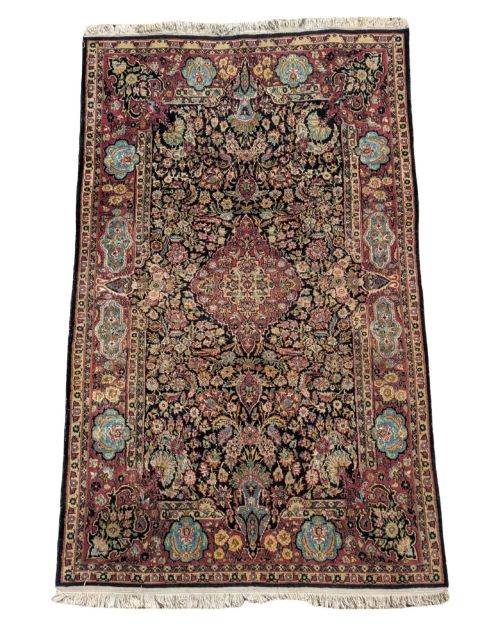
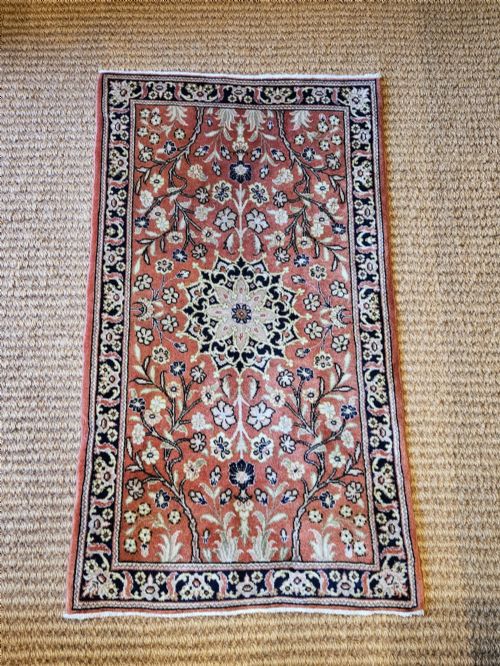
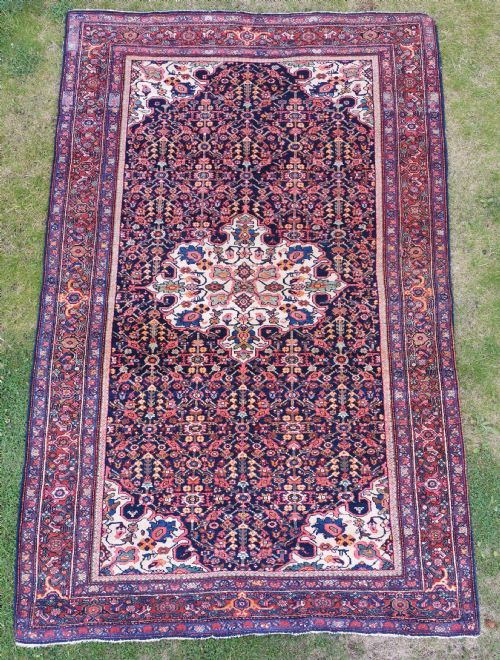
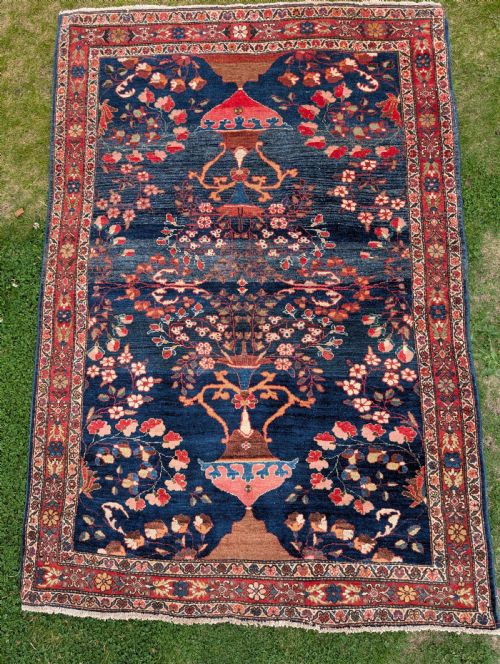
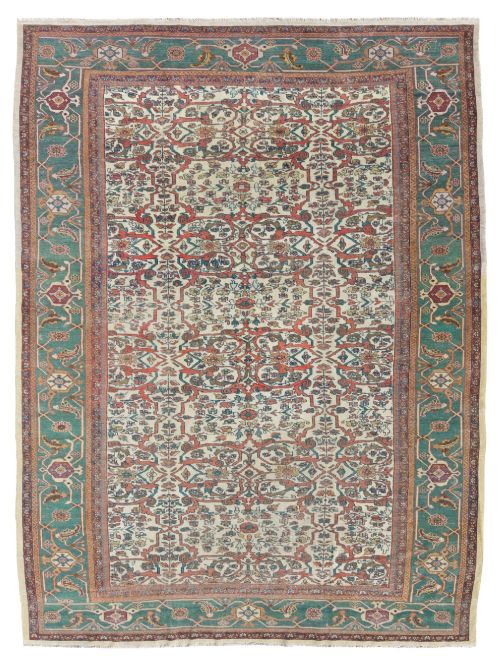
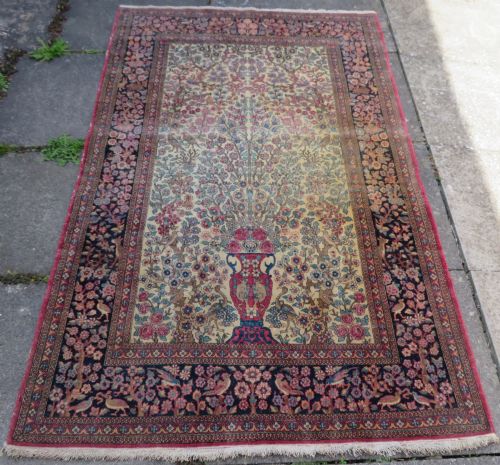
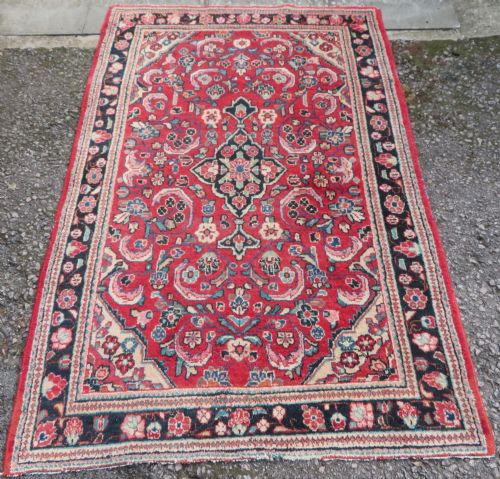
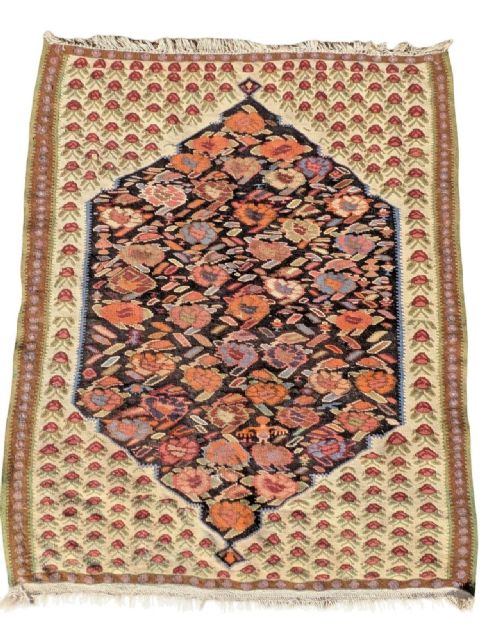
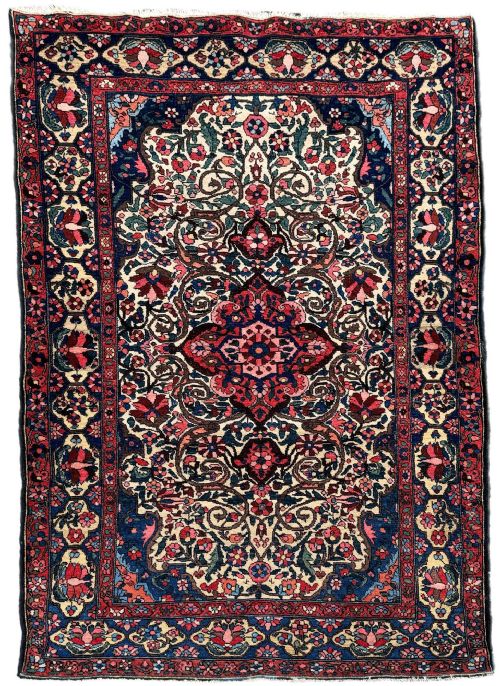
A vintage floral area rug brings traditional Persian, Caucasian, and Ottoman artistry directly onto the floor. Buyers searching for a vintage floral area rug encounter room-size carpets and smaller hearth rugs originating from workshops and villages across the nineteenth and early twentieth centuries.
The inventory on this page consists largely of woven carpets and rugs bearing botanical designs, floral lattices, and tree of life motifs. Pieces span several decades from the mid-nineteenth century through the nineteen-thirties, reflecting regional styles such as Heriz, Mahal, Isfahan, and Karabagh.
Materials and construction
Makers constructed these floor coverings primarily using wool, cotton, and silk. Wool provides the durable pile for most examples, whilst cotton often forms the stable foundation warps and wefts.
Certain finer carpets incorporate silk highlights to accentuate delicate botanical details within the design. Weavers knotted or flat-wove these natural fibres by hand on vertical or horizontal looms according to distinct regional traditions.
A weaver occasionally immortalised a local bird or a stray goat nestled quietly among the floral branches.
Evaluating quality and character
Knot density and the precision of the botanical drawing distinguish finer rugs from simpler village work. A tightly packed pile allows intricate floral patterns to remain crisp and well-defined.
The depth and harmony of natural dye colours also separate exceptional pieces from standard examples. Rich saturation and nuanced colour shifts across the wool surface indicate superior dyeing methods.
The Vintage Floral Area Rug Glossary
- Kilim
- A flat-woven carpet or rug produced without a pile. These pieces rely on interlocking weft threads to create flat geometric and floral patterns.
- Pile
- The upright cut or looped yarn forming the soft surface of a rug. This layer absorbs foot traffic and displays the woven design.
- Warp
- The vertical foundation threads stretched tightly on a loom before weaving begins. Weft threads pass horizontally through these structural cords.
- Weft
- The horizontal threads passed back and forth across the warp to hold the knots in place. Together with the warp, they form the sturdy backing of the textile.
Vintage Floral Area Rug: Frequently Asked Questions
How do I clean an antique rug?
Professional dusting and specialist low-moisture washing preserve the delicate wool and cotton fibres.
Avoid household detergents and harsh mechanical scrubbing to protect the historic dyes.
Where were these rugs made?
Weavers produced these textiles across various weaving centres in Persia, the Caucasus, and the Ottoman Empire.
Specific towns and regions developed distinct botanical motifs and colour palettes.
Are these rugs suitable for heavy traffic?
Wool rugs with a dense pile withstand normal daily walking in domestic settings.
Finer silk-highlighted or flat-woven kilim pieces benefit from placement in lower-traffic areas.
How can I tell the age of a rug?
Structural characteristics, regional knotting techniques, and traditional dye palettes provide clues to the period of manufacture.
Comparing the botanical design against documented examples from specific decades helps narrow down the origin.