


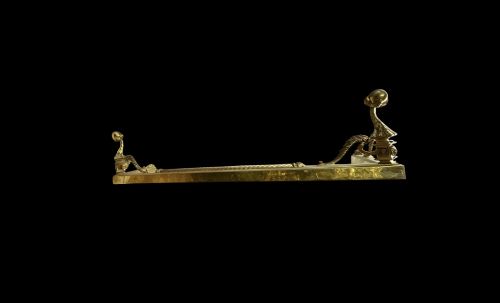

Vintage Fireplace Curb
A vintage fireplace curb grounds the hearth, protecting the room from stray embers while framing the fire with brass, copper or iron.
Vintage Fireplace Curb
A vintage fireplace curb, often referred to as a fire fender or kerb, sits on the hearth to contain ashes and stray embers from open fires. These pieces define the hearth area, turning a functional opening into a finished focal point in the room.
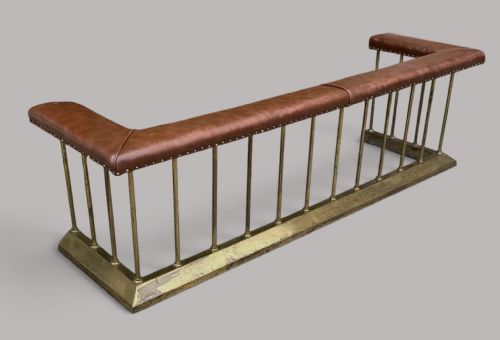
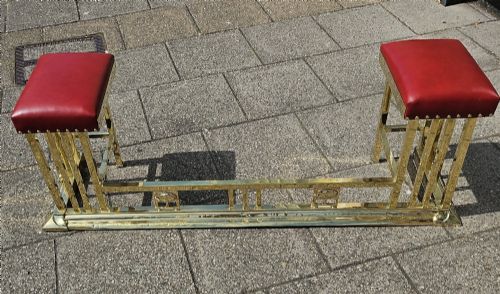
The selections available here lean heavily into Victorian and Edwardian examples, alongside early twentieth-century designs. You will encounter straightforward metal rails as well as elaborate club fenders fitted with upholstered seats.
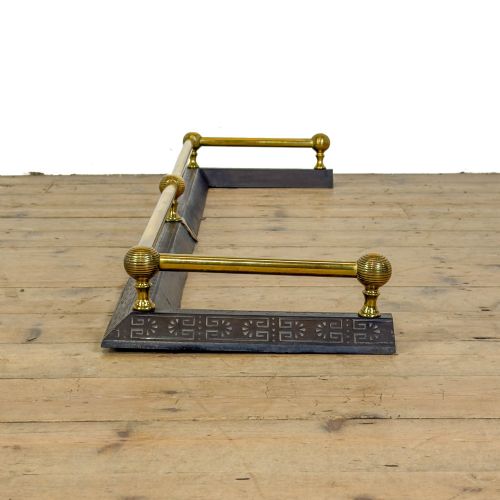
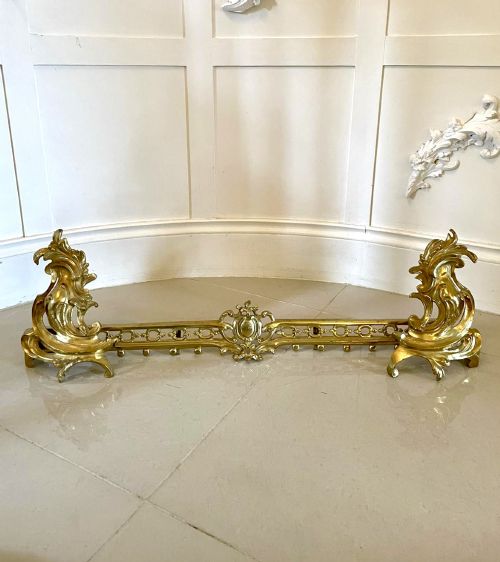
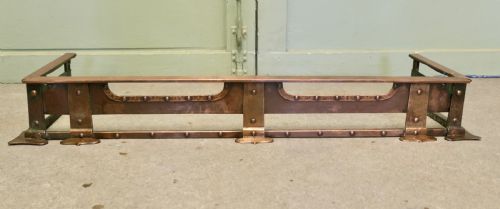
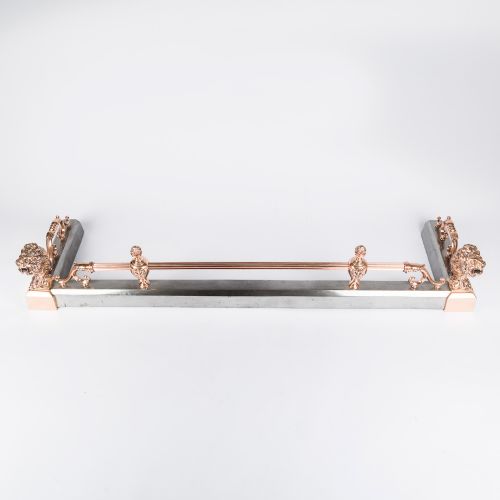
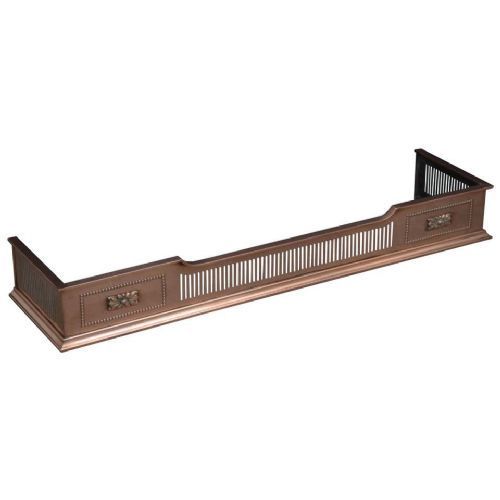
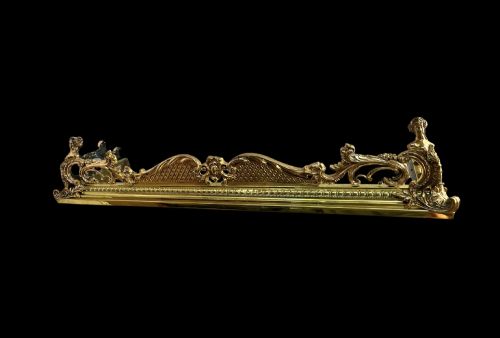
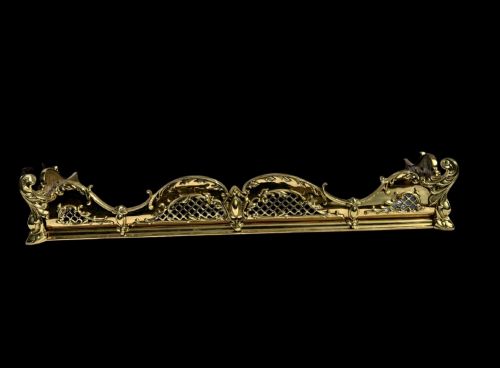
Forms range from simple extending brass rails to ornate French styles and robust Arts and Crafts copper surrounds. Each style reflects the domestic habits and decorative tastes of its period, from strict nineteenth-century formality to later organic motifs.
How they were made
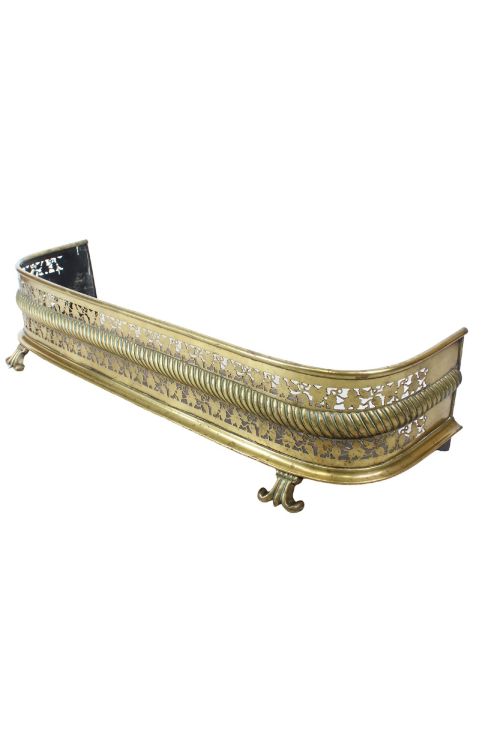
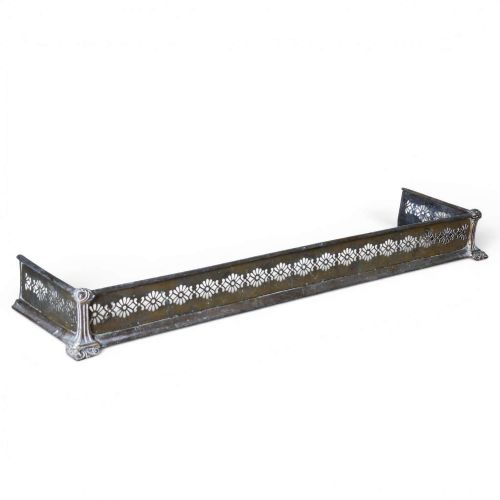
Metalworking techniques dictate the construction of these pieces, utilising brass, cast iron, steel, and copper. Makers shaped solid brass rods, pierced sheet metal with intricate patterns, and cast heavy iron components to withstand intense hearth heat.
Surface decoration often involved hand-beating copper, riveting plates, applying floral patera, or utilising leather upholstery for club fender seats. Gilded brass and bronze finishes added formal polish to hearths in grander reception rooms.
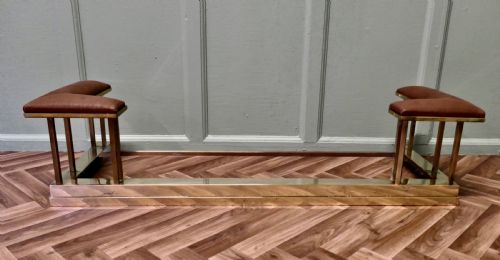
Mature tan leather seating on club fenders hints at countless winter evenings spent warming shins near nineteenth-century hearths.
What varies in quality
Substance and material thickness set the standard for these hearth guards, distinguishing heavy, durable pieces from lighter alternatives. A solid construction using substantial brass or cast iron ensures the frame holds its shape under daily use.
Detailing and finish define the upper tier of craftsmanship, evident in crisp piercing, secure riveting, and patinated leather upholstery. Well-executed decorative elements like flower patera and scrolled mounts show intentional design rather than mass production.
The Vintage Fireplace Curb Glossary
- Club fender
- A low-surround hearth guard featuring upholstered corner seats, popular in libraries and large sitting rooms. It allowed people to sit close to the fire while keeping sparks contained.
- Patera
- A circular decorative ornament resembling a flat disk, often carved or stamped with floral motifs. Makers applied these to brass and copper fenders to break up plain metal surfaces.
- Pierced brass
- Sheet brass cut through with decorative patterns to let light pass through and soften the heavy look of the metal. This technique appears frequently on Victorian hearth surrounds.
- Extending fender
- A telescopic design that adjusts in width to fit various fireplace openings. This practical feature allowed homeowners to move the guard between rooms or retain it when relocating.
Vintage Fireplace Curb: Frequently Asked Questions
What is a club fender?
A club fender is a low hearth surround featuring padded leather seats on either side. It brings seating directly to the fireplace while keeping the room safe from falling embers.
These pieces were common in large country houses and gentlemen's clubs, offering warmth and comfort during colder months.
How do I measure for a fender?
Measure the width and depth of your hearth stone to ensure the curb sits safely within the perimeter. Account for any protruding hearth edges or uneven masonry before selecting a size.
Extending models offer some flexibility if your fireplace opening falls between standard dimensions.
Can these fenders be adjusted?
Certain designs feature a telescopic mechanism that allows the metal frame to slide wider or narrower. This practical construction helped nineteenth-century households adapt furniture to different rooms.
Fixed-width curbs require exact measurements of your hearth space to guarantee a proper fit.
How do I clean antique brass?
Dust the metal regularly with a soft cloth to prevent soot and ash buildup from dulling the surface. Avoid harsh chemical polishes that strip away historic patination.
Gentle cleaning preserves the warm glow accumulated over decades of fireside use.