


Vintage Figure in Landscape
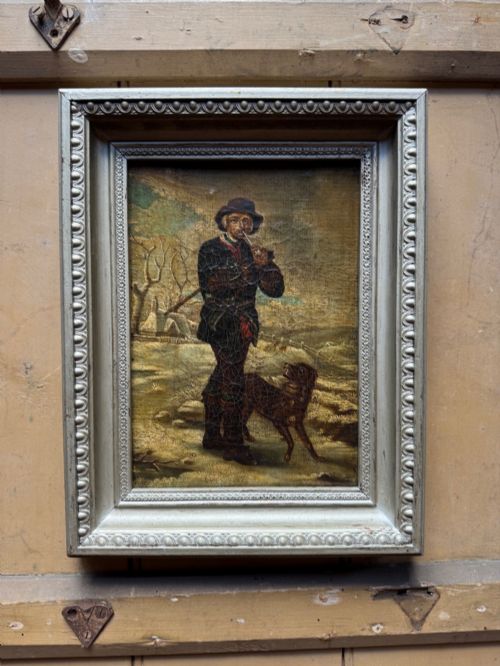
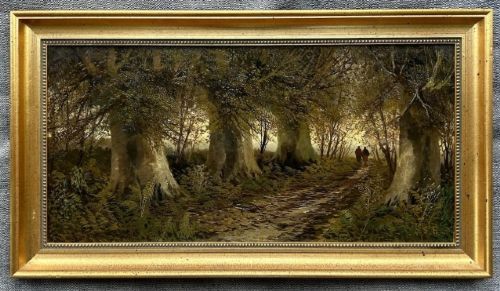
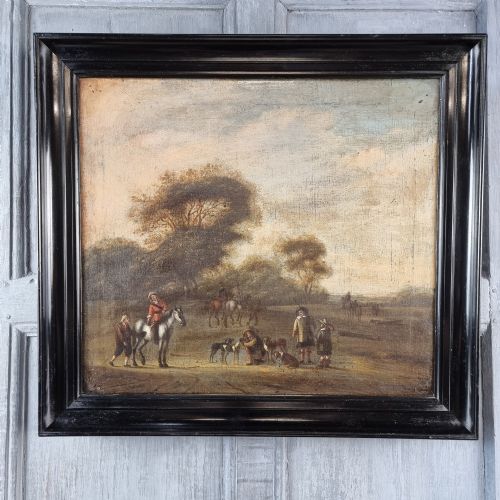
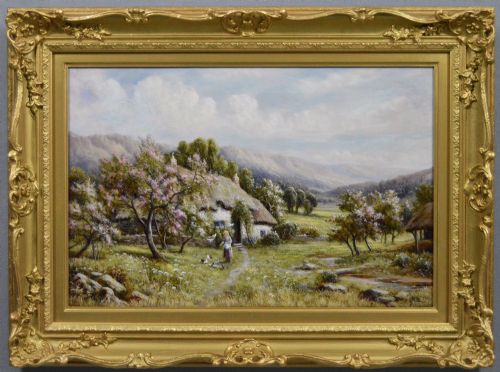
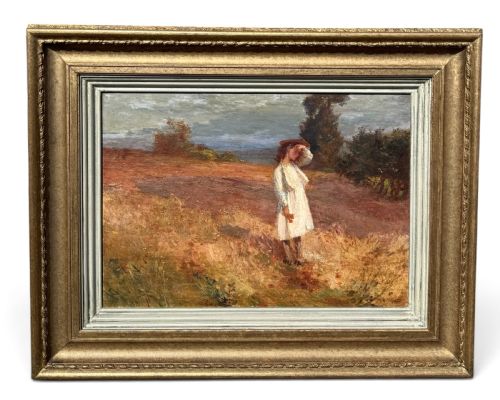
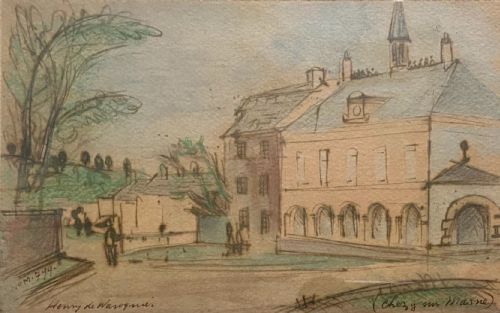
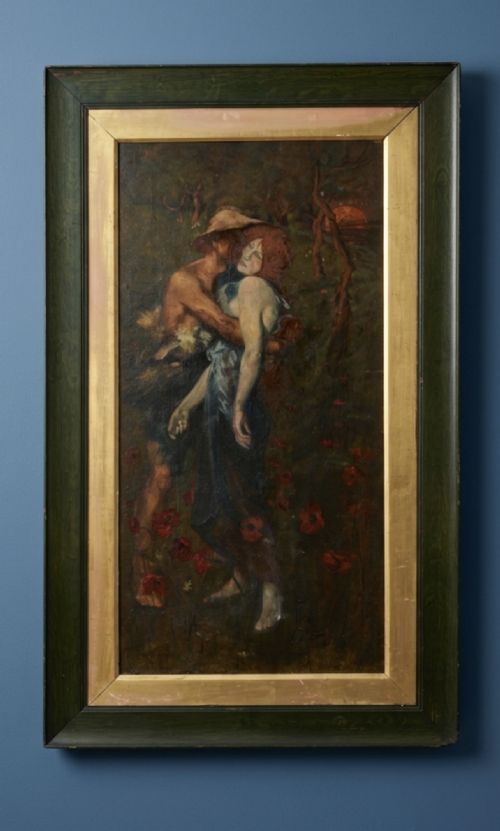
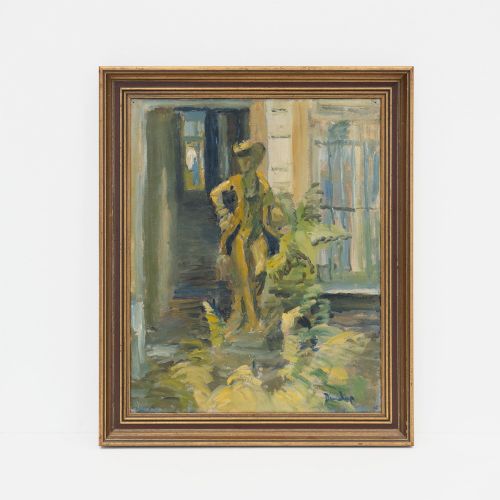
A vintage figure in landscape captures human presence within rural, coastal, and urban settings across centuries of painting.
Vintage Figure in Landscape
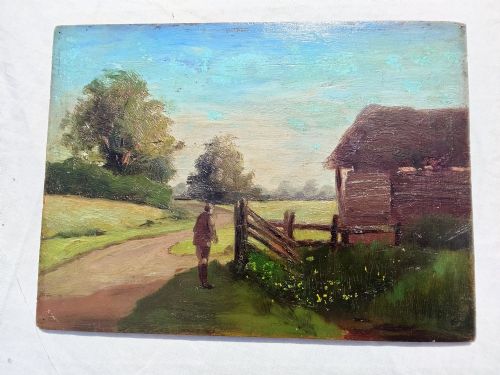
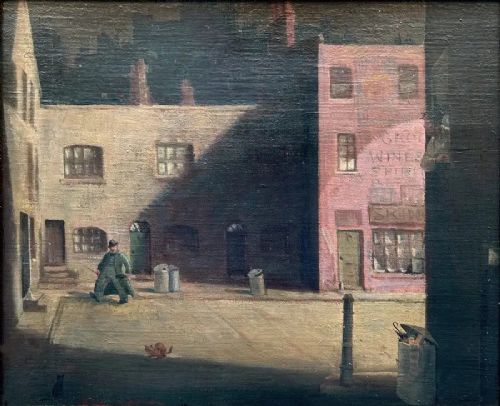
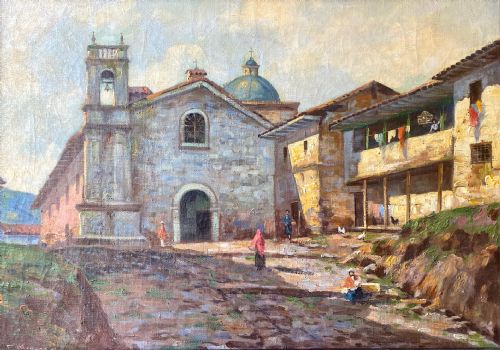
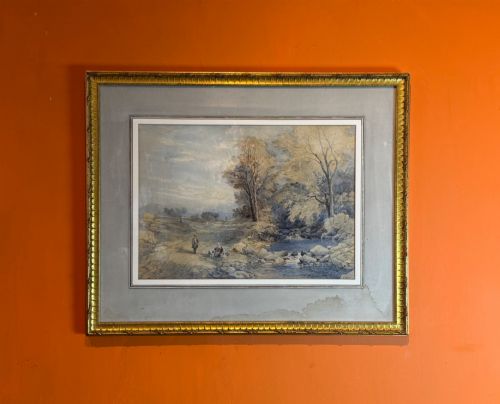
A vintage figure in landscape brings together painted human subjects and their surrounding scenery, ranging from coastal beaches and wooded slopes to rural lanes and city plazas. These works bridge portraiture and scenery, placing people into natural or built environments to tell a visual story.
The selections span from the nineteenth century through the mid-twentieth century, capturing shifts in artistic approach from Victorian realism to British, French, and mid-century impressionism. Buyers encounter diverse regional schools and varied interpretations of light and mood.
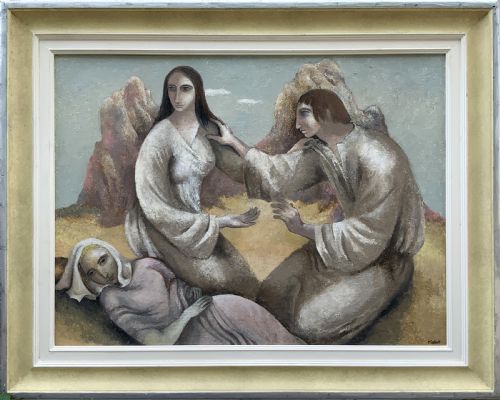
Common formats include oil paintings on canvas, panel, and wooden board, alongside watercolour and mixed media drawings on paper. Framed presentations often incorporate period gilt or giltwood surrounds that complement the artwork.
How they were made
Artists built compositions using oil paint on canvas or wooden board, applying pigments to capture the interplay of light and shadow across outdoor spaces. Watercolours on paper offered a more fluid medium for capturing lighter atmospheric effects in rural and coastal views.
Frames utilised carved wood and gilt finishes to house and protect the paintings, matching the aesthetic standards of their respective periods from the Victorian era onward.
Donkeys appear surprisingly often as faithful companions to travellers crossing paths and fords.
What varies in quality
Quality rests in the dexterity of the brushwork and the artist's ability to integrate human figures harmoniously into the surrounding topography or architecture. Stronger examples demonstrate confident handling of light, particularly in impressionist and realist compositions.
The preservation of the original canvas, board, or paper surface dictates the overall integrity of the piece. Surviving period frames also contribute to the completeness of the artwork.
Thomas W Lascelles·Robert John Hammond·David Roberts·Francisco Sancha·Christine Nesbit·Umberto Volpato·Henry de Waroquier·Florence Adelina Hess·Ronald Ossory Dunlop·Thomas Hicks·Margaret Maitland Howard·Henry John Yeend King·E A Minardo·John A Houston·Herbert Royle·George Turner·Thomas Rose Miles·Henry Charles Fox·Edward H Holder·Francis William Topham·Kershaw Schofield·Arthur Walker Redgate·Owen Bowen·Garnet Ruskin Wolseley·Charles Horwood
The Vintage Figure in Landscape Glossary
- Canvas
- A heavy woven fabric stretched across a wooden frame to serve as a foundation for oil painting. It provides a durable surface with distinct texture.
- Giltwood
- Wood carved and coated with a thin layer of gold leaf or gilt finish. This material is commonly found on period picture frames.
- Impressionism
- An art movement focusing on accurate depiction of light and its shifting qualities. Practitioners often used visible brushstrokes and open compositions.
- Watercolour
- A painting method in which the paints are made of pigments suspended in a water-based solution. Artists typically apply washes of colour onto paper.
Vintage Figure in Landscape: Frequently Asked Questions
What subjects appear in these scenes?
The works depict people engaged in everyday activities within natural and urban settings. Common subjects include travellers on coastal beaches, figures near cottages, labourers in rural lanes, and individuals resting in parks.
Artists integrated these human elements to establish scale, mood, and narrative context within the broader landscape or cityscape.
How do I date a painted landscape?
Dating relies on stylistic clues, framing materials, and recorded signatures or documentation associated with the artist. Victorian pieces often show formal realism, while later twentieth-century works lean towards impressionist or modernist brushwork.
Examining the reverse of the canvas or board frequently reveals historical inscriptions, artist stamps, or old gallery labels.
Where were these paintings created?
The inventory encompasses British, French, Italian, and Latin American origins, reflecting diverse regional artistic traditions. Painters recorded local topography, from English woodlands and Scottish moors to continental city streets and Spanish landscapes.
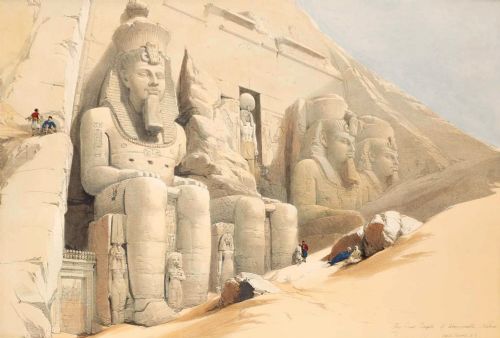
Travelling artists also captured foreign vistas, such as monumental structures along the Nile.
How should I display a vintage painting?
Select a wall space away from direct sunlight and excessive moisture to protect the pigments and canvas or paper support. Stable indoor humidity prevents warping in wooden panels and giltwood frames.
Ensure the hanging hardware matches the weight of the framed artwork and secures properly to the wall structure.