
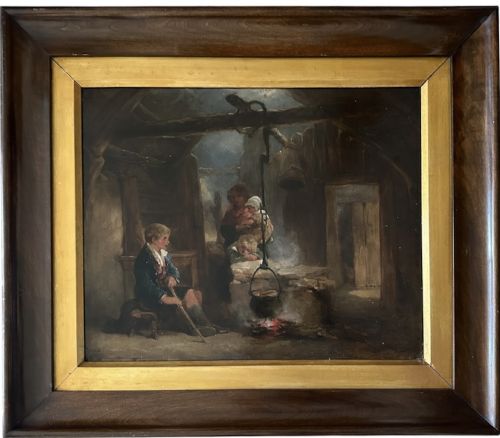
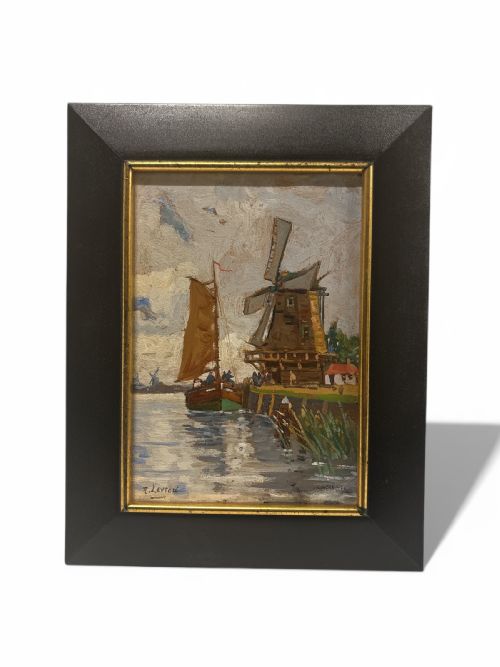
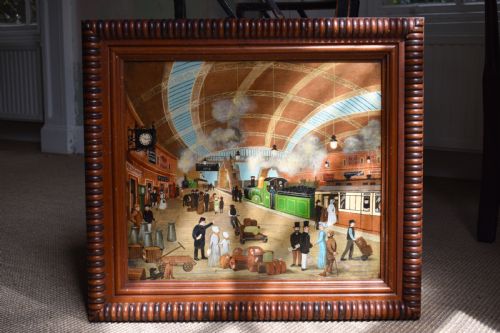
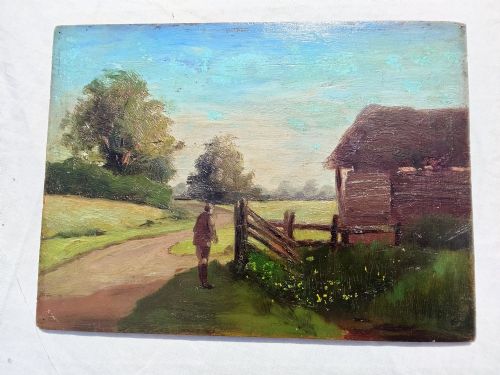
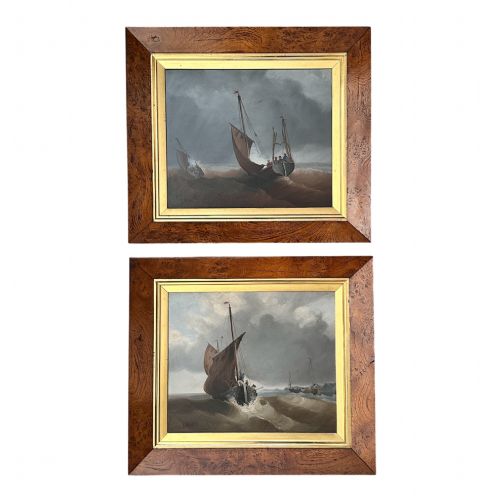
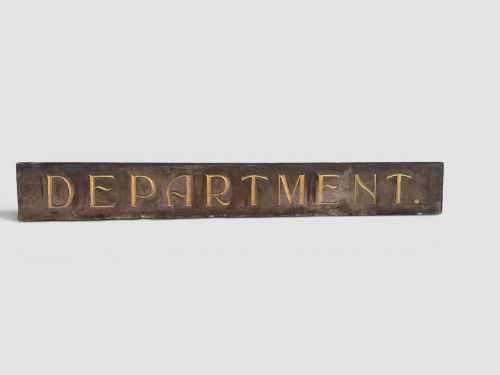
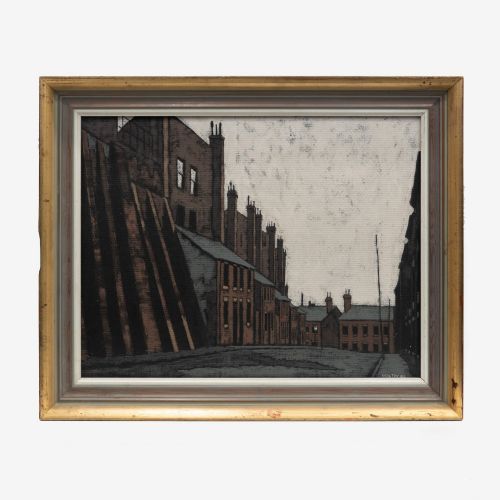
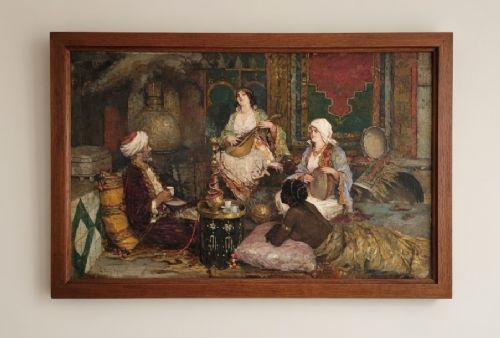


Brown Wood Board Painting
These brown wood board painting pieces bring together centuries of oils, panels, and signs that collectors seek for their rich textures and historic character.
Brown Wood Board Painting
A brown wood board painting brings together diverse works created directly on wooden panels, ranging from fine art landscapes and impressionist coastal scenes to utilitarian signage and theatrical dummy boards. When you search for brown wood board painting, you encounter everything from delicate nineteenth-century British school portraits to bold twentieth-century surrealist compositions.
Buyers frequently find maritime seascapes, railway station scenes, and naive art pieces that demonstrate how artists and signwriters utilised wood surfaces. Each item carries the distinct grain and weight of its original wooden panel.
How they were made
Makers applied oil paint directly to prepared wooden boards, panels, and repurposed signage blanks using traditional bristle brushes. The dense grain of the wood provided a rigid support that often required priming with gesso or a foundational layer of paint to ensure the oil adhered correctly over decades.
Signage and advertising boards relied on hand-lettering techniques and pictorial illustration, sometimes incorporating gold leaf or gilt details to catch the light. Dummy boards were cut from solid timber to shape, creating life-size silhouettes that fooled the eye from a distance.
Listings span from the eighteenth century through to the nineteen-sixties, uniting fine art oils with commercial signage.
What varies in quality
Quality rests upon the skill of the brushwork and the structural integrity of the wooden support itself. Finer works display confident handling of light and pigment, whereas utilitarian boards derive their appeal from authentic surface wear and robust carpentry.
The condition of the painted surface relative to the wood panel governs the overall integrity of the piece. Well-preserved paint layers without excessive flaking indicate careful historical storage, while stable aged patination adds depth to the material.
George Whitton Johnstone·R Leyton·John Moore of Ipswich·Stuart Walton·Gabriel Puig Roda·Phillip Krevoruck·Hans Temple
The Brown Wood Board Painting Glossary
- Oil on board
- A painting technique where oil paint is applied directly to a rigid wooden panel or board rather than stretched canvas.
- Dummy board
- A painted wooden figure cut out to life size, historically placed in rooms to surprise visitors or act as a silent companion.
- Gilt
- A thin application of gold leaf or gold paint used to highlight lettering, frames, or decorative elements on signs and panels.
- Naive art
- Artwork characterised by a childlike simplicity in perspective and detail, often produced by self-taught painters.
- Panel
- A flat piece of solid wood or timber composite used as a firm structural base for painting or signage.
Brown Wood Board Painting: Frequently Asked Questions
How do I clean a wooden board painting?
Dust the surface gently with a soft, dry brush to remove loose particles without disturbing the aged paint layer.
Avoid using liquid cleaners or household solvents, as these can soften historical oil paints and damage the exposed wood.
Are dummy boards heavy to hang?
Most dummy boards were designed to stand on the floor rather than hang on a wall, often featuring built-in wooden supports.
Heavier advertising and shop display boards require robust wall fixings due to the dense timber construction.
How do I date a painted wooden sign?
Examine the style of the lettering, the type of wood used, and the composition of the paint layers.
Wear patterns and underlying preparation methods also offer strong clues to the decade of manufacture.
Can these paintings be displayed in direct sunlight?
Direct sunlight causes oil paints to fade and accelerates the drying and splitting of old wooden panels.
Position these pieces away from south-facing windows and maintain stable room humidity to preserve the wood.