


Vintage Figurative Landscape Painting
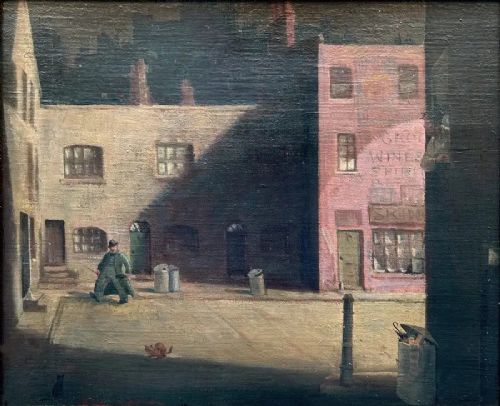
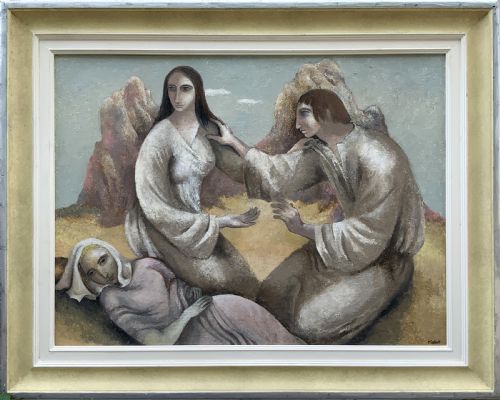
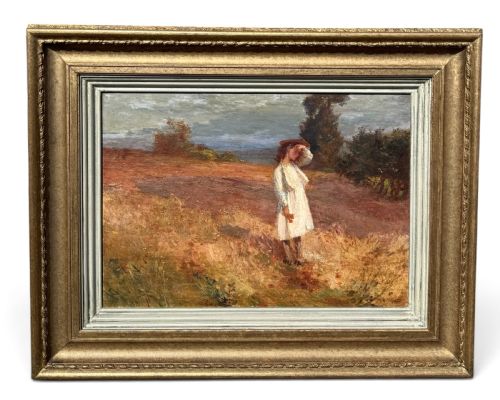
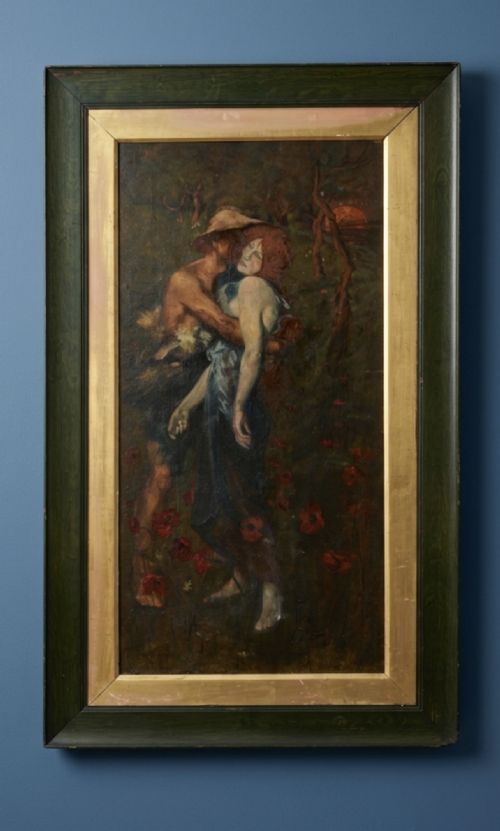
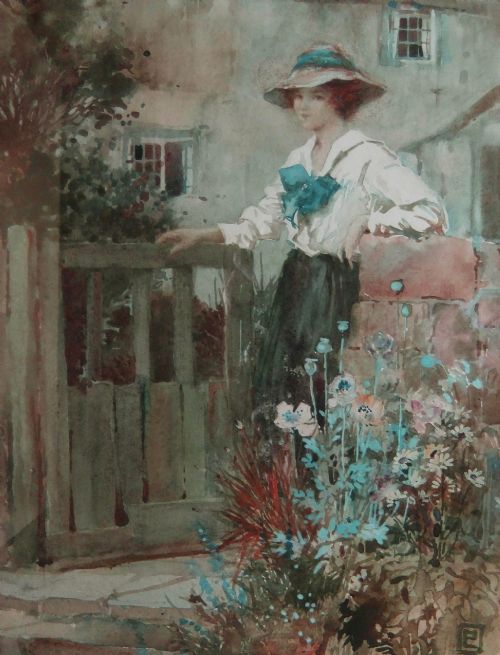
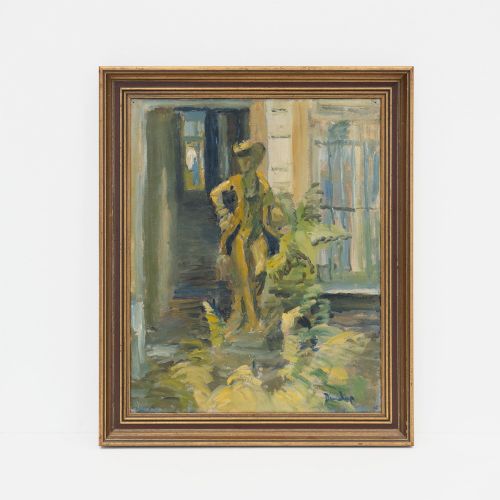
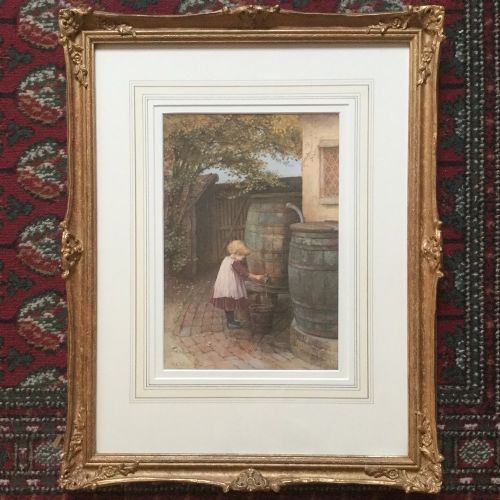
A vintage figurative landscape painting brings human presence directly into the open air, capturing a scene where figures and nature share the canvas.
Vintage Figurative Landscape Painting
A vintage figurative landscape painting combines scenery with people, placing human figures firmly within a rural, domestic, or coastal setting. These works span from the nineteenth century through the mid-twentieth century, capturing shifts in artistic approach from Victorian narrative scenes to mid-century impressionism.
The pieces on this page range from intimate oil sketches on canvas and board to watercolours and lithographs. Subjects vary widely from pastoral gatherings and garden workers to solitary figures by the coast or in woodland clearings.
Origins stretch across Britain, France, Italy, and the Netherlands, reflecting regional variations in light and brushwork. Buyers searching for a vintage figurative landscape painting will encounter works produced by both established artists and skilled regional painters of the period.
How They Were Made
Canvas and wood panels serve as the primary supports for these oil paintings, providing a stable surface for layered pigment. Artists applied oil paint with brushes and palette knives, occasionally building heavy impasto to create texture and depth within the foliage or figures.
Listings feature works spanning from the nineteenth century through the mid-twentieth century, utilising oil paint, watercolour, canvas, and wood.
What Varies in Quality
The handling of light and atmosphere separates accomplished works from ordinary output. Superior paintings demonstrate a confident command of colour and brushwork, where figures integrate naturally into the surrounding landscape rather than appearing isolated.
Condition and originality also determine the standing of a piece. Works retaining their untouched surface, stable support, and period framing hold greater integrity than those with extensive later restoration or replaced mounts.
Francisco Sancha·Christine Nesbit·Umberto Volpato·Percy Lancaster·Ronald Ossory Dunlop·Charles Edward Wilson·A McDonald·Margaret Maitland Howard·Raymond Moritz·Harry Freckleton·Gabriel Dauchot·John Sanderson Wells·Hendricus Joseph Dillens·Kershaw Schofield·Augustus Jules Bouvier·Jane Maria Bowkett·George Kilburne·Thomas Rose Miles·Karel Frans Philippeau·Irene Lagut·Donald Wood·Yves Brayer·Frederick Bartman·Markey Robinson·Charles McAuley
The Vintage Figurative Landscape Painting Glossary
- Impasto
- Paint applied thickly to a canvas or board, standing out in relief from the surface. This technique creates physical texture that catches the light and adds dimension to clothing or foliage.
- Genre painting
- Artwork depicting scenes from everyday life, often featuring ordinary people engaged in common activities. These compositions provide insight into social history and domestic routines.
- Gilt
- A thin layer of gold leaf or gold paint applied to wooden frames or decorative objects. It provides a reflective border that enhances the colours within the artwork.
- Mixed media
- An artwork created using a combination of different materials, such as watercolour and coloured pencil on paper. This approach allows artists to layer textures and fine details.
- Provenance
- The documented history of ownership surrounding an artwork. A traceable record helps confirm the origin and authenticity of a piece.
Vintage Figurative Landscape Painting: Frequently Asked Questions
What defines a figurative landscape?
A figurative landscape places human subjects as a central or integrated element within an outdoor setting. The composition balances the natural scenery with the actions or presence of the people.
Artists use this genre to tell a story or capture a mood, where the environment reflects or complements the figures within it.
How should I frame an older painting?
Selecting a frame depends on the period and style of the artwork. Traditional wood and gilt frames suit Victorian and Edwardian canvases, while simpler mouldings often complement mid-century pieces.
Preserving original framing maintains the historical context of the work, provided the structure remains stable and secure.
Where were these paintings produced?
The pieces originate from workshops and studios across Britain and continental Europe. French, Italian, Dutch, and British artists contributed to the styles seen here, ranging from traditional academic training to modernist movements.
Regional landscapes often reflect the distinct light and topography of the country where the artist worked.
How do I care for canvas paintings?
Canvas paintings require stable environmental conditions away from direct sunlight and excessive moisture. Dust should be removed gently from the surface using a soft, dry brush without applying pressure.
Avoiding extreme temperature fluctuations prevents the canvas and wooden stretcher from warping or cracking over time.