


Swept Frame Oil Painting
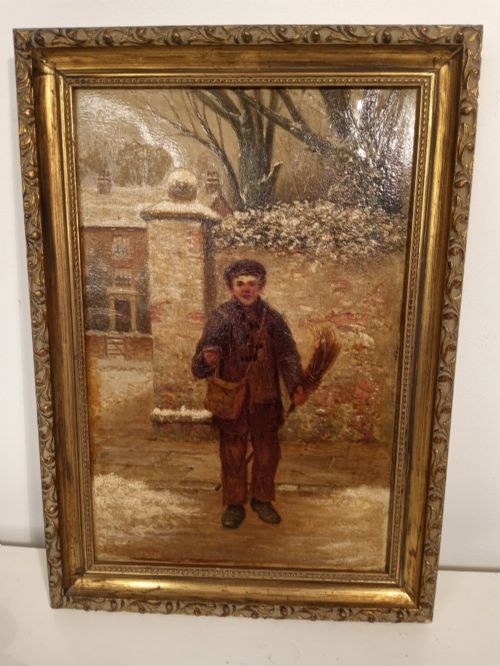
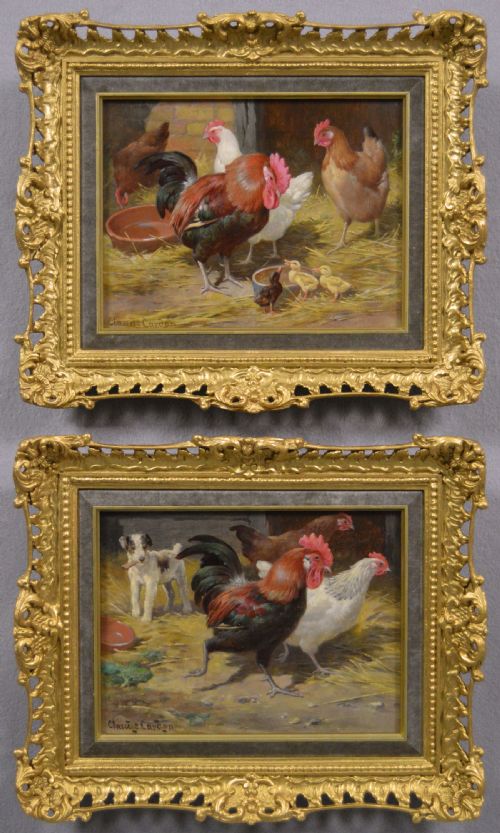
When you search for a swept frame oil painting, you are looking at canvases and panels united by deeply curved, ornate wooden surrounds.
Swept Frame Oil Painting
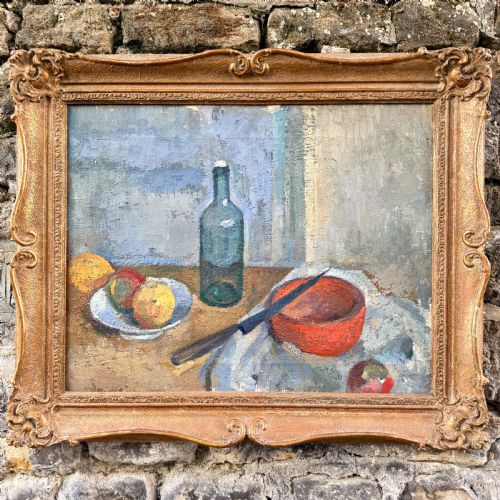
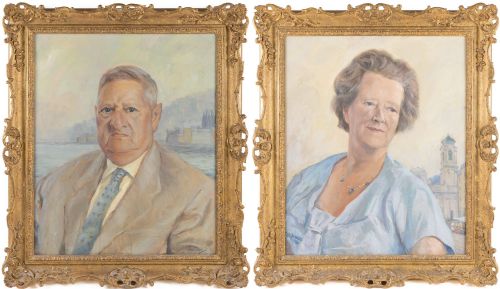
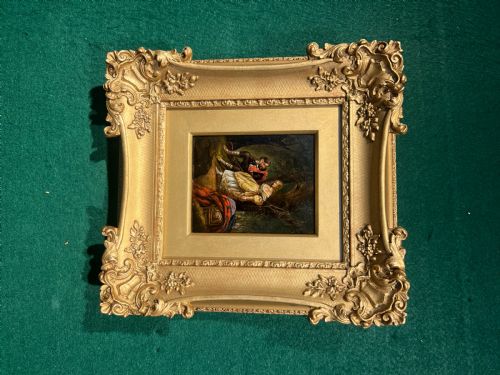
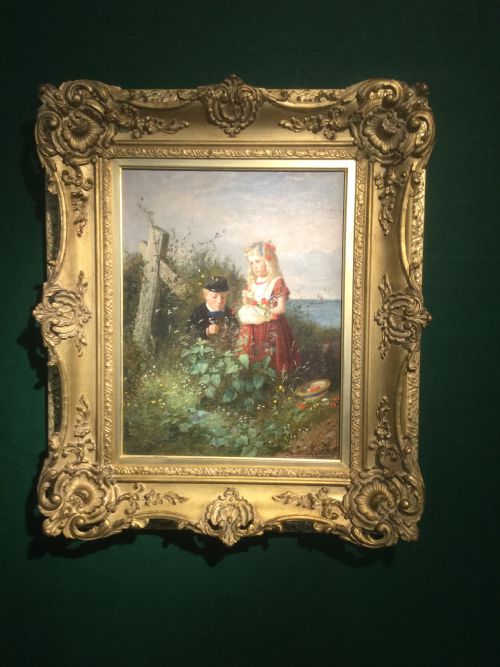
A swept frame oil painting combines canvas or panel artwork with an elaborately curved and moulded frame, often seen in Victorian, Georgian, and mid-century contexts. These pieces span landscape, portraiture, still life, and marine subjects, reflecting centuries of artistic output.
The most common examples on this page pair nineteenth-century or early twentieth-century oil paintings with decorative giltwood surrounds. Buyers find everything from intimate floral studies and rural farmyard scenes to large coastal harbours.
How They Were Made
The frames rely on a carved wooden base built up with layers of gesso to create their sweeping, undulating profiles. Artisans then applied gold leaf or gilt finishes over the moulded plaster relief to achieve a rich metallic sheen.
The artworks themselves utilise oil paint on supports of canvas, wood panel, or board. Pigments were layered to build depth in landscapes, portraits, and still lifes before being secured directly into the decorative housings.
Listings feature oil paintings on canvas, panel, and board, paired with gesso and giltwood swept frames spanning the Georgian to mid-century periods.
What Varies in Quality
The depth and intricacy of the moulding distinguish superior frames from simpler versions. Hand-carved wooden detailing and carefully burnished gold leaf exhibit a crispness that pressed composition ornaments lack.
In the paintings, quality rests on brushwork control, compositional balance, and pigment preservation. Works by listed artists or named schools show greater confidence in handling light and atmosphere.
Charles Hunt·Claude Cardon·Arthur Herbert Rigg·Percival Glenfern·J Barclay·William Miller Frazer·Emily Selinger·William Sidney Cooper·Harold Edward Conway·Ludwig Hermann·George Harrison·George Parson Norman·Owen Bowen·Kenneth Washburn·John Holland Snr·Edward Williams·Pieter Van Der Werff·Thomas Lawrence·Thomas Gainsborough·George Stubbs·Thomas Sully·Michael Scott·Jozsef Molnar·Robert Mann·Robert Dumont Smith
The Swept Frame Oil Painting Glossary
- Gesso
- A plaster mix applied to a wooden frame base to form a smooth surface for gilding. It allows craftsmen to model deep, curving ornamental patterns.
- Giltwood
- Wood that has been coated with thin sheets of gold leaf or metallic paint. This finish catches the light and adds warmth to the artwork.
- Oil on Canvas
- Pigments bound in drying oil and applied to a stretched woven fabric support. This combination dominates historical painting traditions.
- Rococo Revival
- A nineteenth-century design style marked by asymmetric C-scrolls, shell motifs, and exuberant curves. It heavily influenced the design of ornate picture frames.
- Still Life
- An artwork depicting inanimate subject matter, such as fruit, flowers, or household objects. These compositions focus on texture, light, and arrangement.
Swept Frame Oil Painting: Frequently Asked Questions
What is a swept frame?
A swept frame is a decorative picture mount featuring deep, curving profiles and ornate moulded corners. These surrounds often incorporate scrollwork and floral motifs.
They were designed to complement traditional oil paintings by adding visual depth and a sense of movement around the central image.
Are the frames original to the paintings?
Many pieces retain their original or period-appropriate housings, which were chosen to match the aesthetic of the artwork. Over time, collectors and dealers sometimes paired canvases with period surrounds that suited the style.
Checking the fit and the wear on the gilt surface helps determine the age relationship between the painting and its frame.
How do I care for giltwood frames?
Giltwood frames require gentle maintenance to preserve the delicate gold leaf and gesso layers. Dust them regularly with a soft, dry brush rather than liquid cleaners.
Keep the artwork away from direct sunlight and excessive humidity to prevent the wood from warping and the gesso from cracking.
What subjects appear in these paintings?
The selections span a wide variety of traditional genres including rural landscapes, marine scenes, and botanical studies. Artists frequently painted farm animals, coastal harbours, and domestic floral arrangements.
These diverse subjects reflect the popular tastes of the nineteenth and early twentieth centuries.