
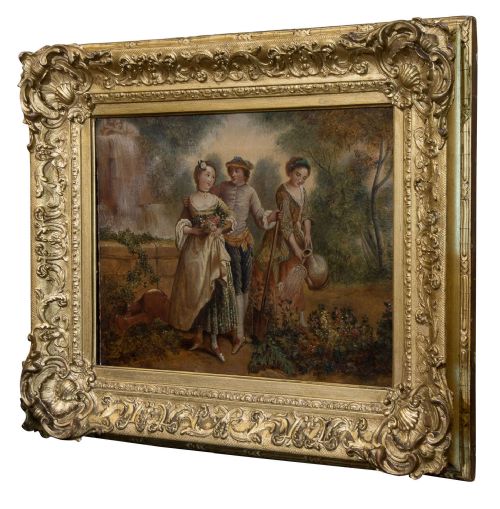


Antique Garden Oil Painting
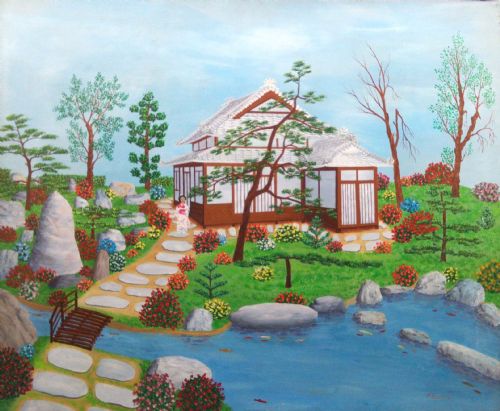
When you search for an antique garden oil painting, you discover centuries of captured sunlight, cultivated terraces, and quiet pastoral retreats.
Antique Garden Oil Painting
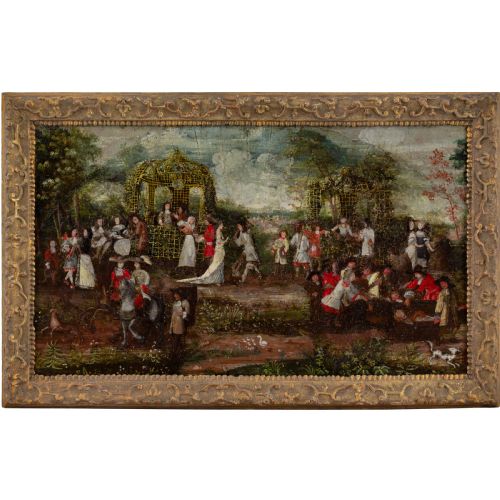
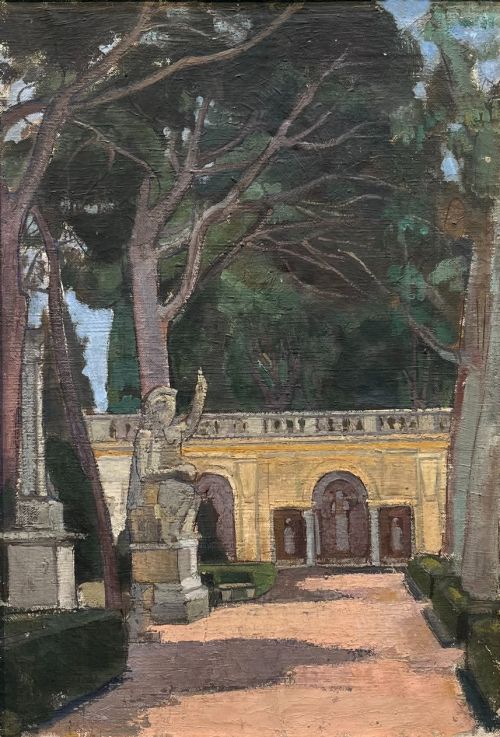
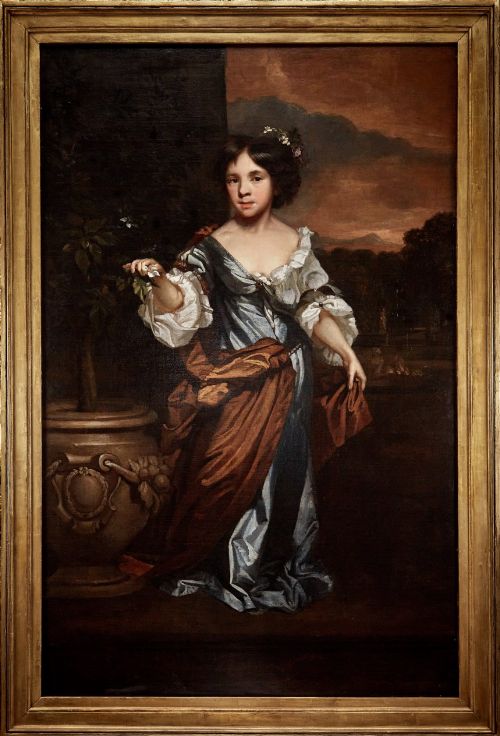
An antique garden oil painting captures cultivated landscapes, country house grounds, and floral enclosures across multiple centuries of artistic tradition. These works range from seventeenth-century aristocratic portraits set against manicured terraces to early twentieth-century impressionist studies of cottage flora.
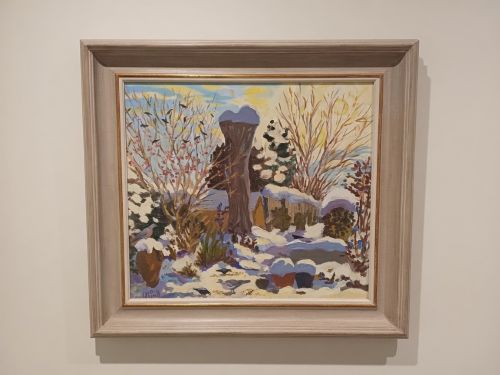
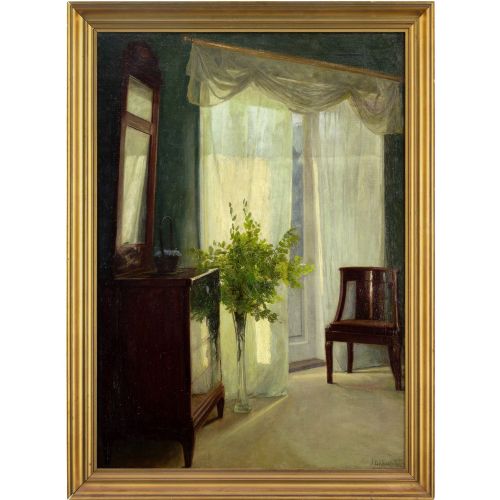
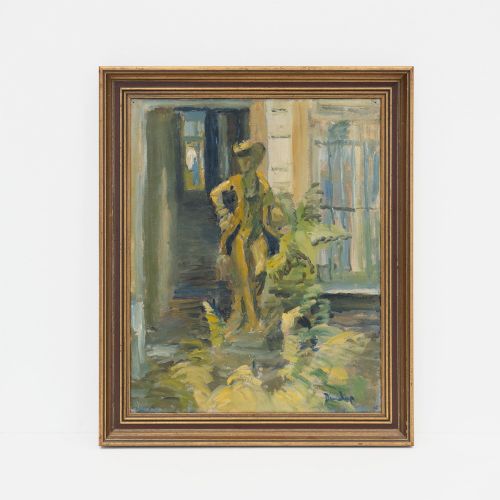
The versions most frequently met on this page date from the nineteenth and early twentieth centuries, reflecting a period of intense fascination with domestic horticulture and plein-air painting. Artists from British, French, and Scandinavian schools utilised the subject to explore shifting natural light upon lawns, borders, and garden architecture.
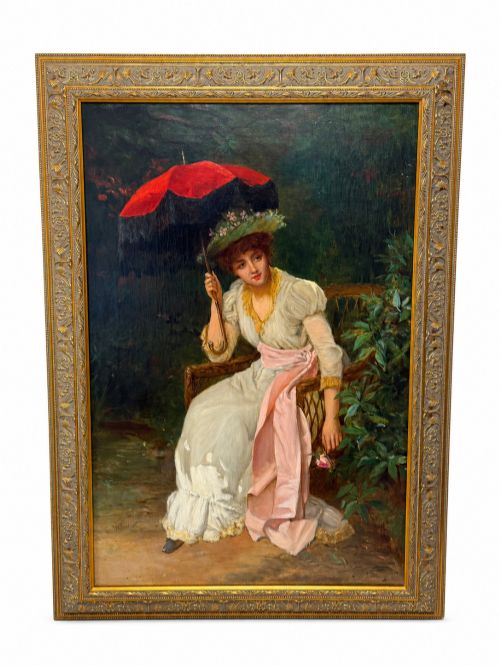
Beyond pure landscapes, many pieces incorporate figurative elements such as gardeners at work, ladies with parasols, or gentlemen gathered outside country houses. These narrative scenes anchor the natural setting in a specific social history.
How They Were Made
The foundation of these works relies principally upon oil paint applied to stretched canvas, though painters also utilised prepared wood panels and mahogany boards. This medium allowed artists to build rich textures and deep chromatic layers representing foliage, earth, and sky.
Frames play an integral structural and aesthetic role, with many period pieces housed in original giltwood or ornate carved wooden surrounds that complement the canvas. The preparation of the ground layer and the application of subsequent oil pigments determined the long-term stability and luminosity of the surface.
Several canvases faithfully record the stubborn presence of Victorian terriers standing resolutely amidst carefully tended herbaceous borders.
What Varies in Quality
The distinction between standard works and masterworks rests upon the artist's handling of light, atmosphere, and spatial depth within the garden setting. Superior pieces demonstrate confident brushwork that successfully renders the transient effects of sunlight on water lilies, stone urns, and herbaceous borders.
Provenance and documentation heavily influence the standing of a painting, particularly when associated with recognised regional groups such as the Staithes Group or documented continental schools. The preservation of the original paint surface and the integrity of the period frame further elevate the piece.
John Riley·John Closterman·Ernest Higgins Rigg·Kershaw Schofield·Charles E Cundall·Frank Moss Bennett·William Hatherell·Samuel Sidley·Paul Viry·Herbert Royle·John Emms·Johann Kerseboom·Walter Dendy Sadler·Edgar Bundy·Edmund Alphonse Andre·William Greaves·Ralph Hedley RBA·Fred Merriman·John F. Pasmore
The Antique Garden Oil Painting Glossary
- Canvas
- A heavy woven fabric stretched across a wooden frame to serve as the primary support for oil paintings. It provides a resilient and slightly textured surface for the artist's brush.
- Giltwood
- Wood that has been coated with a thin layer of gold leaf or gilt powder, commonly found on period frames. This ornate framing technique enhances the visual presentation of the artwork.
- Impressionism
- A nineteenth-century painting style characterised by relatively small, thin yet visible brush strokes and an emphasis on accurate depiction of light. Artists working in this manner frequently captured outdoor garden scenes.
- Panel
- A rigid support made of wood, such as mahogany, utilised by painters as an alternative to canvas. These flat surfaces offer a smooth foundation for detailed botanical and landscape work.
- Provenance
- The chronological documentation detailing the origin, history of ownership, and exhibition record of an artwork. A well-established provenance authenticates the piece and connects it to its historical context.
Antique Garden Oil Painting: Frequently Asked Questions
What periods do these paintings cover?
The available works span from the seventeenth century through the Victorian era and into the mid-twentieth century. Earlier examples often feature aristocratic figures in formal architectural gardens.
Later pieces lean towards impressionistic representations of country cottages, impressionist flower beds, and sunlit terraces. Each era brings distinct stylistic approaches to natural foliage and light.
How were these garden scenes used?
Historically, these oil paintings served as interior wall art designed to bring the tranquillity and colour of the outdoors into domestic reception rooms and country houses. They functioned as both decorative statements and personal reflections of the owner's appreciation for horticulture.
Many captured specific family estates, botanical specimens, or cherished rural landscapes. Today, they continue to serve as focal points in interior design schemes.
How do I live with an oil painting?
Living with these artworks involves placing them away from direct, harsh sunlight and maintaining stable indoor humidity to protect the canvas and wooden frame. Proper wall placement ensures the delicate oil pigments and giltwood surrounds remain preserved for decades.
Regular, gentle dusting with a soft, dry cloth keeps the surface clear without disturbing the paint layers. Allowing adequate breathing room around the frame enhances its visual impact in a modern or traditional interior.
How do I identify different painting schools?
Identifying specific schools requires examining the brushwork, colour palette, and subject matter in relation to known regional artistic movements. British Impressionism and the Staithes Group display distinct local light effects, whereas French works often emphasise atmospheric post-impressionist qualities.
Signatures, framing styles, and archival attribution further aid in categorizing whether a piece belongs to the Flemish Baroque, Victorian genre painting, or Scandinavian Realism traditions.