
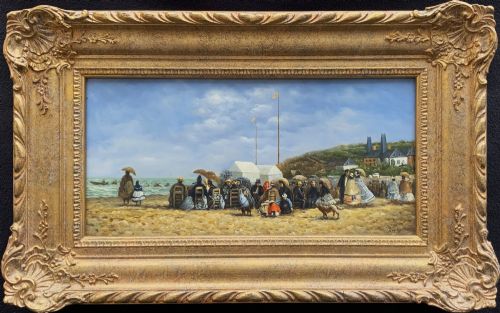


Victorian Oil Canvas Painting
These surviving works capture the rich visual culture of the era, offering collectors an authentic window into nineteenth-century life through vibrant pigment and woven support.
Victorian Oil Canvas Painting
A victorian oil canvas painting brings the aesthetic of the nineteenth century directly into modern spaces, capturing subjects ranging from sweeping rural landscapes to intimate domestic portraits. Buyers searching this phrase encounter historical artworks created primarily during the Victorian period and the broader nineteenth century, alongside occasional later interpretations.
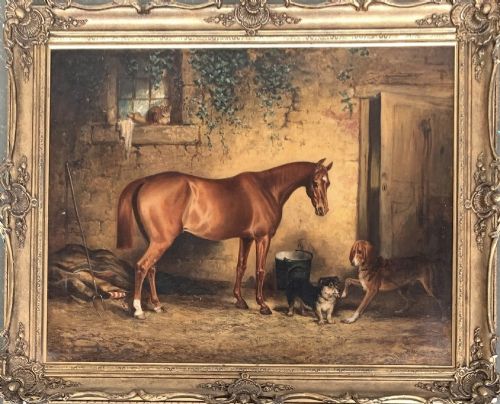
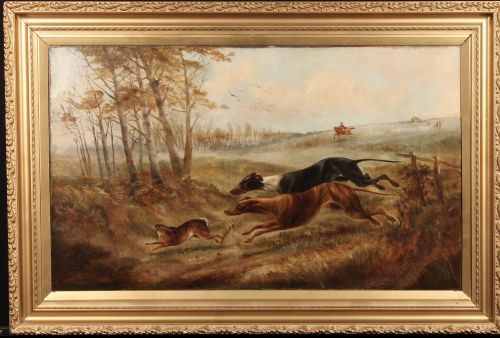
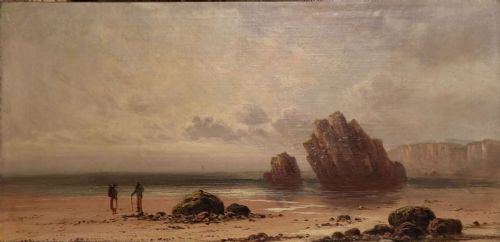
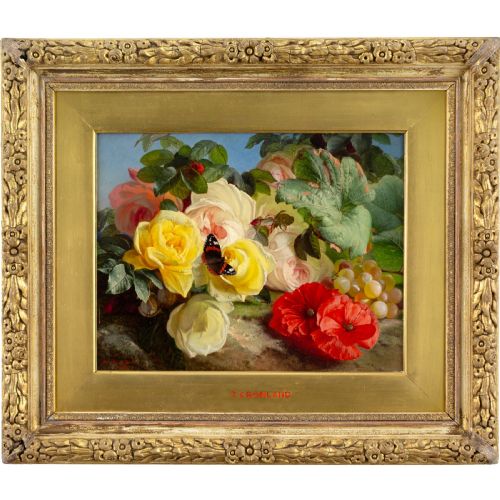
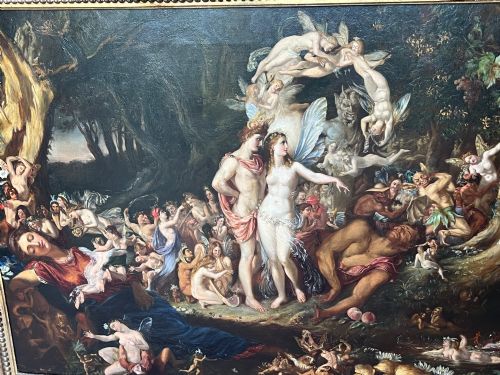
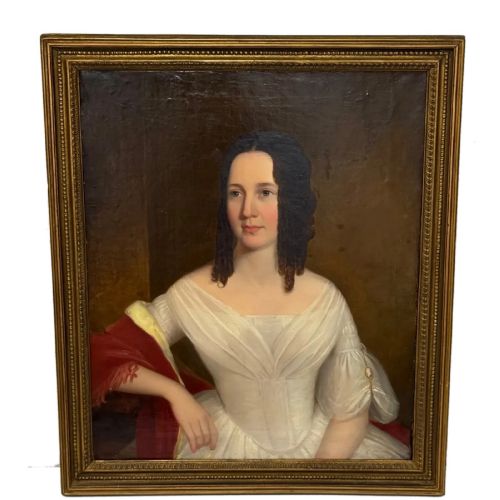
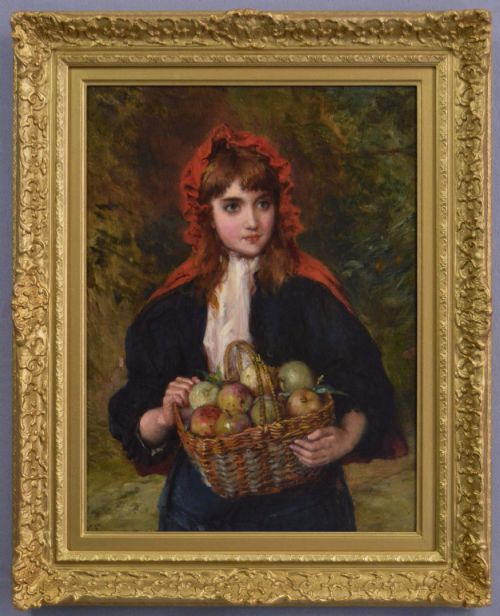
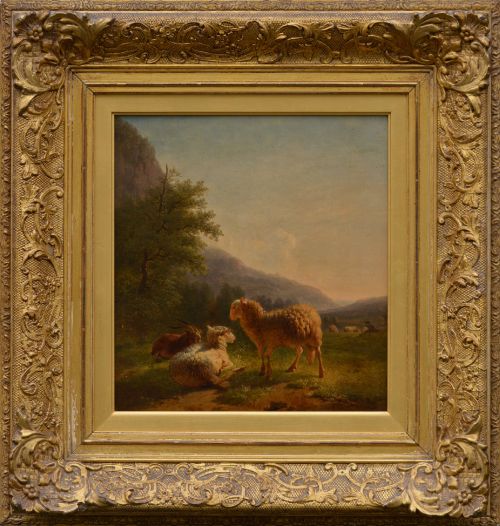
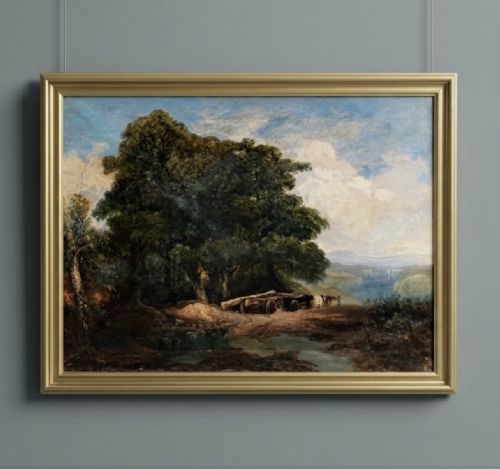
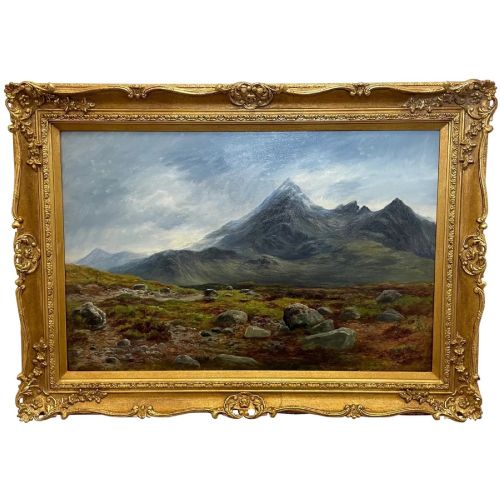
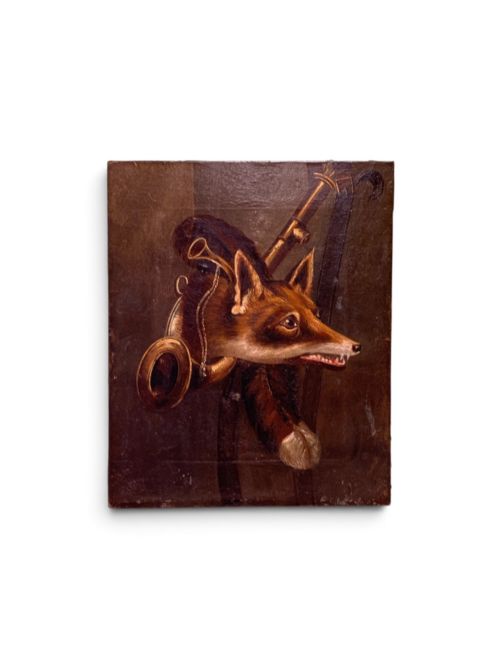
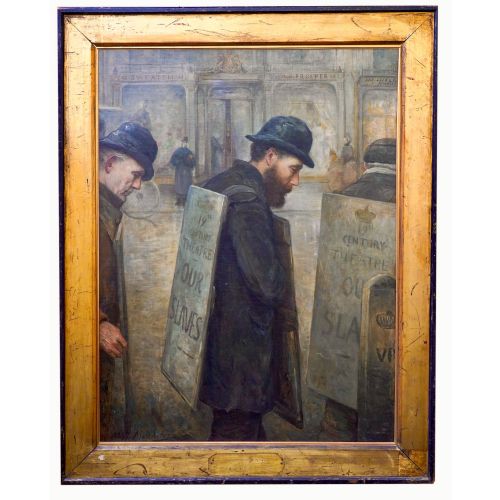
The selections available span diverse genres including pastoral scenes, maritime views, sporting art, animal studies, and formal portraiture of gentlemen and ladies. Canvases originate from British, French, and wider European schools, reflecting the varied tastes of past patrons and artists.
Most pieces date from the mid to late nineteenth century, housed in their original surrounds of wood, giltwood, or gesso. These works function as historical documents and decorative statements alike, preserving the precise brushwork and pigments of their makers.
How They Were Made
Painters applied oil paint formulated from ground pigments and drying oils directly onto woven canvas stretched over wooden frames, allowing for rich blending and textured depth. Artists utilised fine brushes to build up layers of translucent glazes and opaque highlights, creating luminosity in flesh tones, fabrics, and landscapes.
Surviving canvases often retain their period frames constructed from wood and embellished with moulded gesso, then gilded with gold leaf or metallic paint. Conservation efforts sometimes include relining or laying older canvas onto newer boards to stabilise fragile textiles.
Common material combinations recorded here include oil paint on woven canvas, supported by wooden stretchers and housed within ornate gesso frames.
What Varies in Quality
The standard of execution depends heavily upon the artist's anatomical precision, compositional balance, and ability to render light convincingly across different surfaces. Master works display confident brushwork and subtle tonal gradations, whereas simpler pieces from regional schools or anonymous followers can demonstrate rigid proportions or flat backgrounds.
The integrity of the original canvas and the preservation of the paint layer strongly influence the desirability of a piece. Works retaining their untouched surface texture, authentic period framing, and clear provenance stand apart from heavily restored or unstable examples.
William Oliver·Eugène Verboeckhoven·Richard Sebastian Bond·William Beattie-Brown·Felix Stone Moscheles·Valentine T Garland·John Maler Collier·Frederick Marriott·Arthur Wardle·John Horace Hooper·William McAlpine·Alfred Fontville de Breanski·Thomas Smythe·Albert Clark·Alfred Lyndon Grace·David Bates·Mark William Langlois·Samuel De Wilde·John Rose Miles·Vittorio Reggianini·Thomas W Lascelles·Henry Park·Walter Jackson·Clarence Roe·G E Boyes
The Victorian Oil Canvas Painting Glossary
- Canvas
- A heavy woven fabric, typically linen or cotton, stretched tightly across a wooden frame to serve as the foundation for oil painting. It provides a durable and slightly textured surface that holds layered pigment securely.
- Gesso
- A plaster mixture applied to wooden frames as a smooth base before gilding or painting. Artisans mould this material into ornate decorative reliefs surrounding historical artworks.
- Genre painting
- An artistic style depicting scenes from everyday life, ordinary people, and domestic interiors rather than grand historical or mythological subjects. These works offer intimate glimpses into past social customs.
- Giltwood
- Wood that has been coated with a thin layer of gold leaf or metallic powder. Frames finished in this manner add warmth and reflective brilliance to the surrounding artwork.
Victorian Oil Canvas Painting: Frequently Asked Questions
How do I care for a canvas painting?
Keep the artwork away from direct sunlight, high humidity, and rapid temperature fluctuations to prevent the canvas from sagging and the oil paint from cracking. Dust the surface very gently with a soft, dry brush without applying pressure.
Avoid using water, chemical cleaners, or damp cloths on the painted surface or the gilt frame. Professional conservators should handle any deep cleaning or structural repairs.
What subjects are common in these paintings?
Popular subjects include pastoral landscapes, coastal views, domestic animal portraits, sporting scenes, and formal likenesses of Victorian individuals. Artists frequently depicted daily rural life, maritime rescues, and quiet interior moments.
These themes reflect the aesthetic preferences of nineteenth-century patrons who valued both natural scenery and relatable human narratives.
How can I tell the age of the frame?
Period frames often feature hand-carved wooden corners, layered gesso moulding, and authentic gold leaf application that shows natural signs of ageing. Examining the back of the frame reveals old fixings, maker stamps, or historical exhibition labels.
Original frames fit the canvas precisely and share the same historical timeline as the painting itself, though many pieces were reframed later.
Were all these works painted in Britain?
While a significant portion originates from British schools and regional artists, the selection also includes French, Dutch, and Italian works. European artists contributed distinct landscape traditions, maritime studies, and genre scenes.
Trade and travel during the nineteenth century allowed artworks to move fluidly across borders, entering British collections both historically and in modern times.