


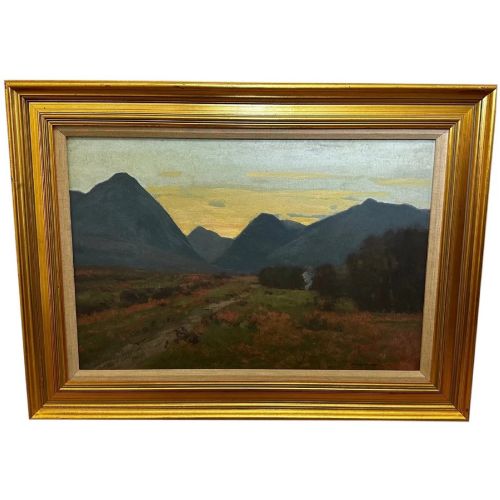
Traditional Landscape Canvas Painting
When you search for traditional landscape canvas painting, you encounter oil on canvas works spanning centuries of pastoral and coastal scenery.
Traditional Landscape Canvas Painting
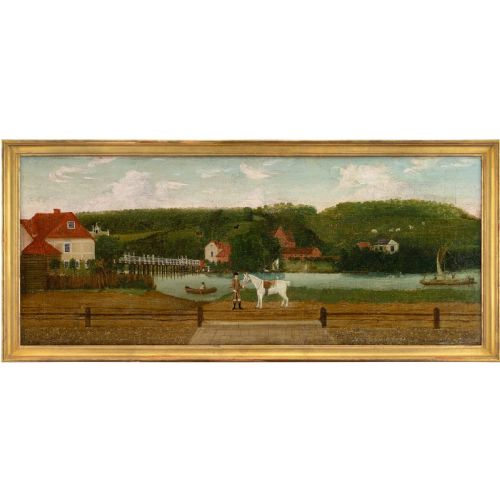
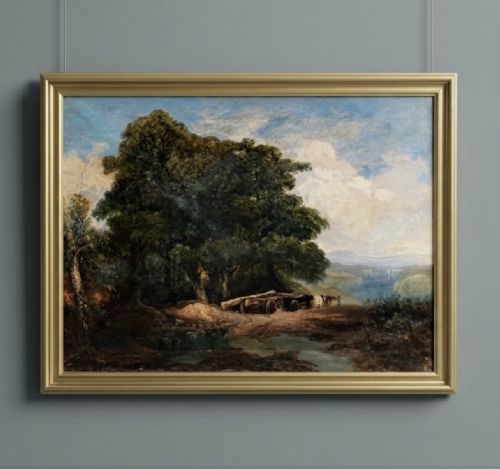
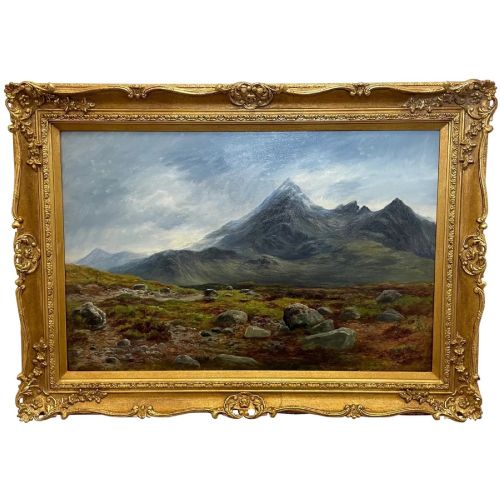
A traditional landscape canvas painting captures rural, woodland, river and pastoral scenes executed primarily in oil paint upon woven fabric supports. These works range from small intimate panels to large framed canvases intended for prominent wall display.
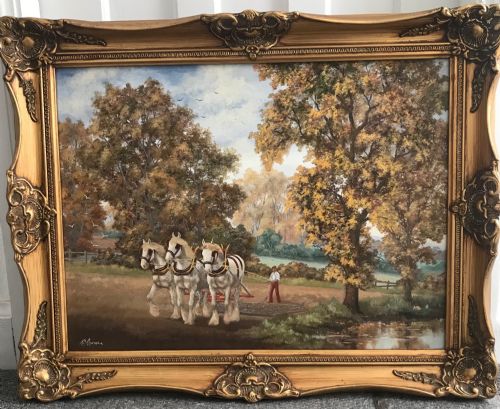
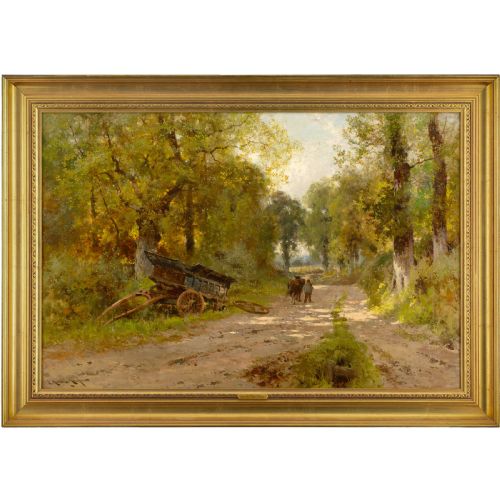
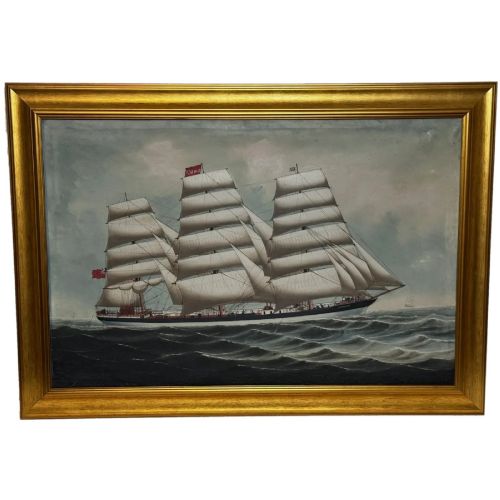
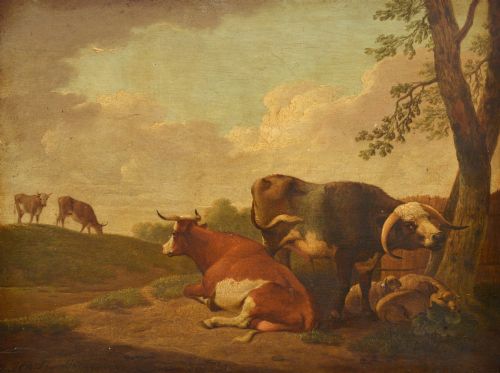
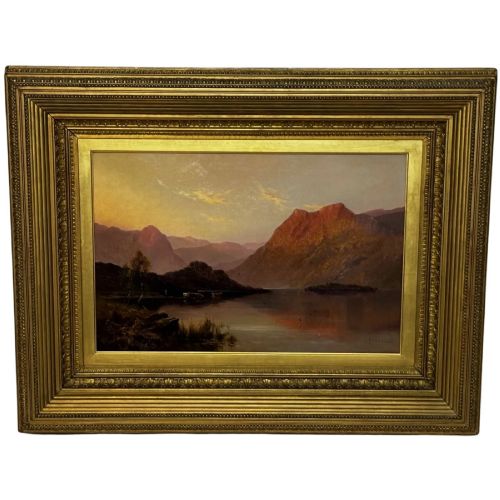
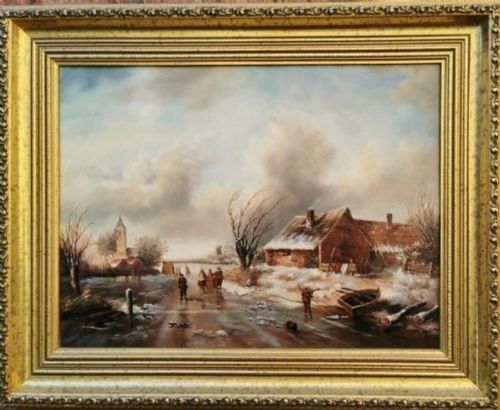
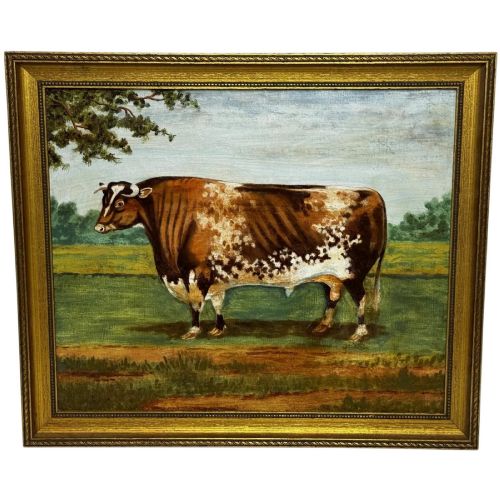
The selections on this page draw heavily from nineteenth-century British and European schools, featuring pastoral views, coastal marine scenes and rustic cottage settings. Victorian examples frequently incorporate livestock, figures and agricultural workers within expansive countryside vistas.
Earlier eighteenth-century compositions and later twentieth-century interpretations also appear, demonstrating enduring regional traditions in Dutch and British landscape art. Buyers meet both signed works by known nineteenth-century painters and accomplished pieces by regional schools.
Materials and construction
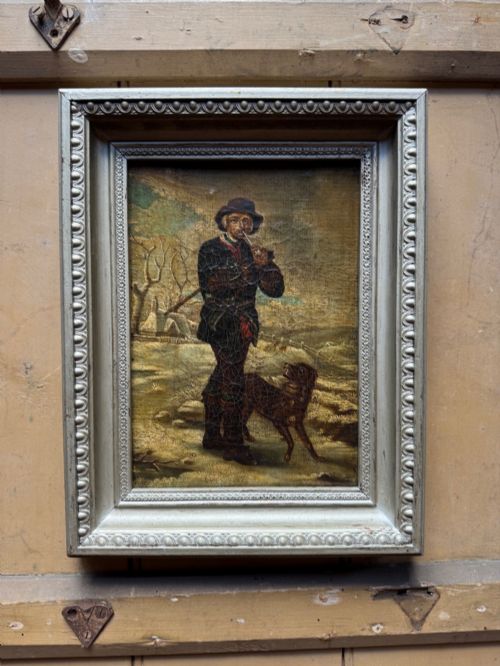
Makers applied oil paint directly onto stretched canvas supports, which were frequently mounted within wooden frames ornamented with gesso and giltwood details. The interplay of oil pigment allowed artists to build rich textures across foliage, water surfaces and skies.
Stretched canvas provided a durable and flexible ground that absorbed layers of oil paint while retaining tension across wooden stretcher frames over generations. Gilded frames enhanced the visual depth of the painted scenes through reflective decorative moulding.
Listings incorporate oil paint and canvas supported by wood, gesso and giltwood frames across multiple centuries.
Variations in quality
Quality rests upon the artist's handling of light, atmospheric perspective and anatomical precision within figures and livestock. Superior canvases demonstrate confident brushwork and balanced composition that draw the viewer purposefully into the painted distance.
The preservation of the original paint surface and the stability of the canvas support dictate the longevity and visual impact of the work. Period frames featuring undamaged gesso and giltwood mouldings also elevate the standing of an individual piece.
Richard Sebastian Bond·William Beattie-Brown·William H Myers·George Graham·John Horace Hooper·Hendrik Willem Schweickhardt·Alfred Fontville de Breanski Jr·George Houston·Thomas Barker of Bath·Thomas W Lascelles·David Bates·Robert John Hammond·Walter Heath Williams·Thomas Creswick·Thomas Sidney Cooper·Henry H Parker·Albert Rieger·William Watson Jnr
The Traditional Landscape Canvas Painting Glossary
- Oil on Canvas
- A traditional painting medium where coloured pigments suspended in drying oils are applied to a woven fabric support. This combination permits subtle blending and rich impasto textures.
- Gesso
- A plaster-like mixture applied to wooden frames as a smooth base before gilding. It provides the foundation for intricate decorative mouldings.
- Giltwood
- Wood carved and coated with gold leaf or metallic paint. It frames traditional artworks with reflective warmth.
- Pastoral
- A genre of art depicting rural life, shepherds, cattle and tranquil countryside settings. These scenes idealise the simplicity of agricultural existence.
- Impasto
- Paint applied thickly to a canvas so that standing ridges and brush marks remain visible. This technique adds tactile dimension to elements like water or foliage.
Traditional Landscape Canvas Painting: Frequently Asked Questions
What is a traditional landscape canvas painting?
These artworks are oil paintings on stretched canvas depicting rural scenery, rivers, woodlands and agricultural life. They celebrate natural vistas through historical artistic traditions.
Created across the eighteenth, nineteenth and twentieth centuries, these paintings record changing approaches to recording light, topography and rural labour.
How were these paintings displayed originally?
Owners housed these works within heavy wooden frames finished in giltwood and gesso, designed to project authority and taste within domestic reception rooms. Prominent placement above mantelpieces or in grand hallways was standard.
The framing isolated the painted landscape from surrounding interior decoration, focusing the eye entirely upon the illusion of distant fields and skies.
How do I live with an antique canvas?
Position your canvas away from direct sunlight and steady sources of artificial heat to protect the oil paint and canvas fibres from premature drying. Stable indoor humidity prevents warping in both the wooden stretcher and the decorative frame.
Dust the surface gently with a dry, soft brush and avoid chemical cleaning agents that might compromise historical pigments or varnishes.
How can I tell periods apart?
Eighteenth-century works often favour darker, more formulaic woodland compositions influenced by continental Dutch styles. Nineteenth-century Victorian examples display brighter palettes, atmospheric realism and detailed agricultural narratives.
Twentieth-century pieces introduce looser impressionistic brushwork or regional impressionism while retaining the traditional focus on natural topography.