




Vintage Female Figure
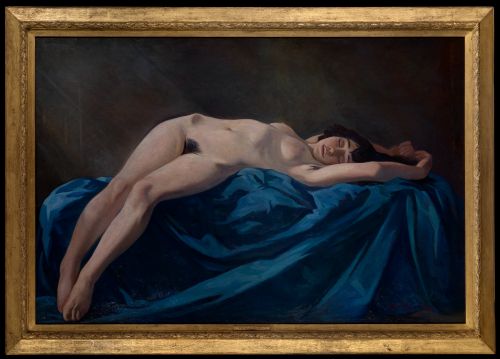
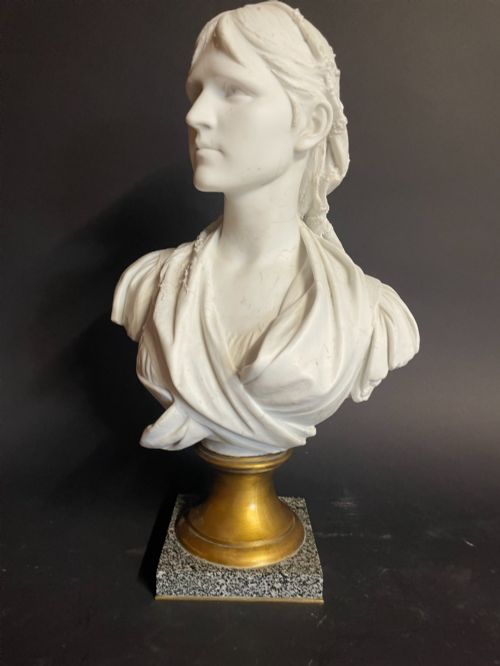
Vintage female figure works capture the human form through sculpture, paintings, and drawings spanning the nineteenth and twentieth centuries.
Vintage Female Figure
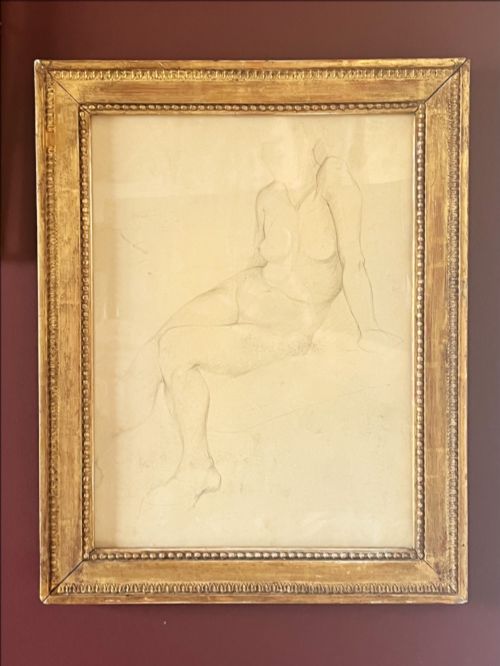
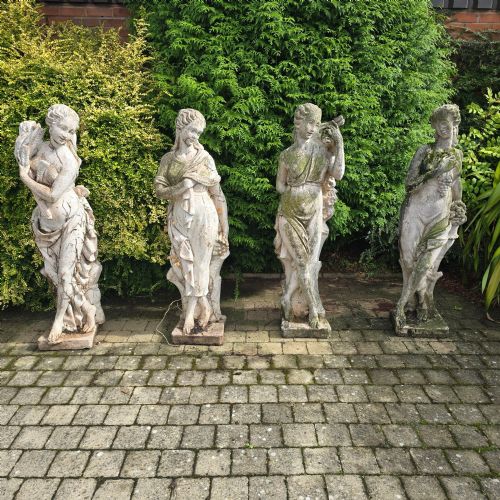
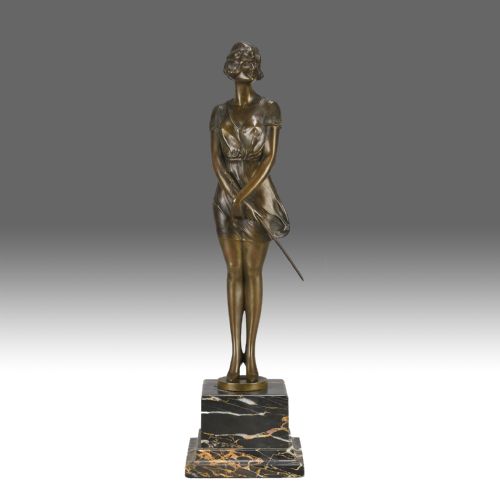
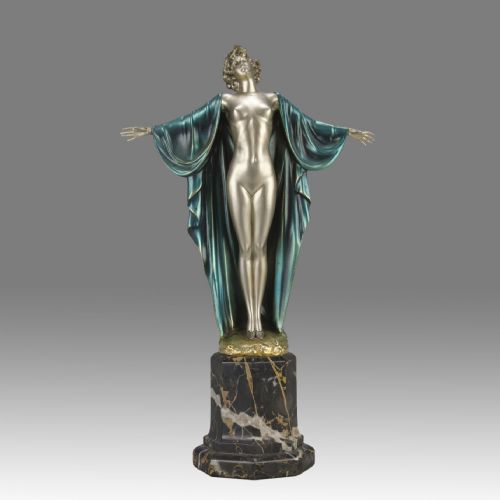
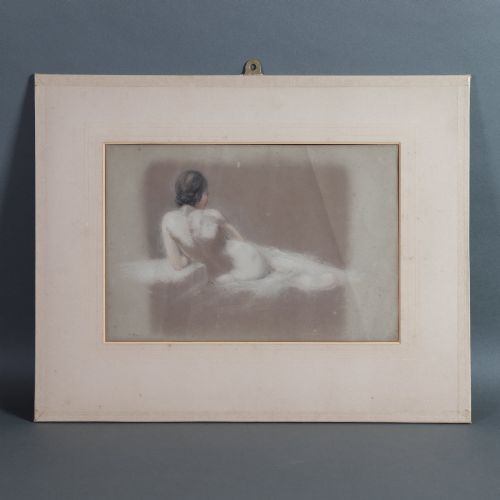
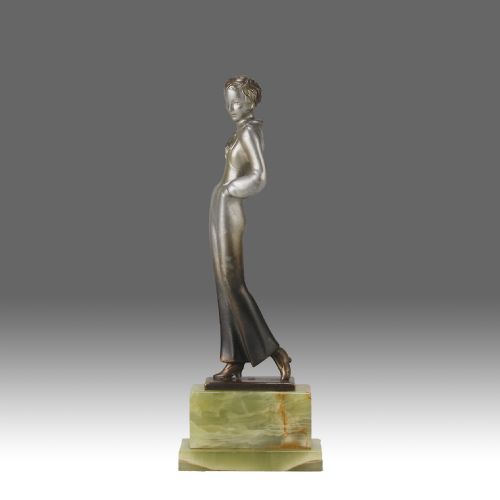
A vintage female figure typically takes the form of a bronze or spelter sculpture, a marble or alabaster bust, an oil painting, or a pencil life drawing. These works appear across periods from the nineteenth century through the 1960s, with a strong concentration of Art Deco pieces from the 1920s and 1930s.
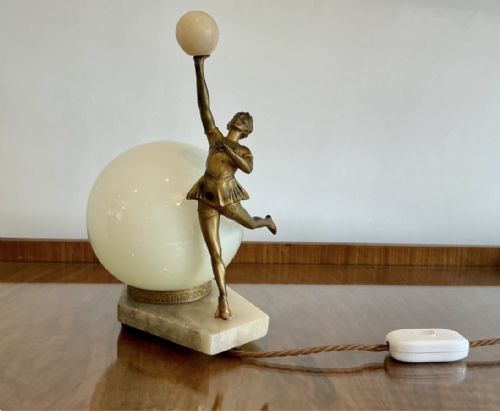
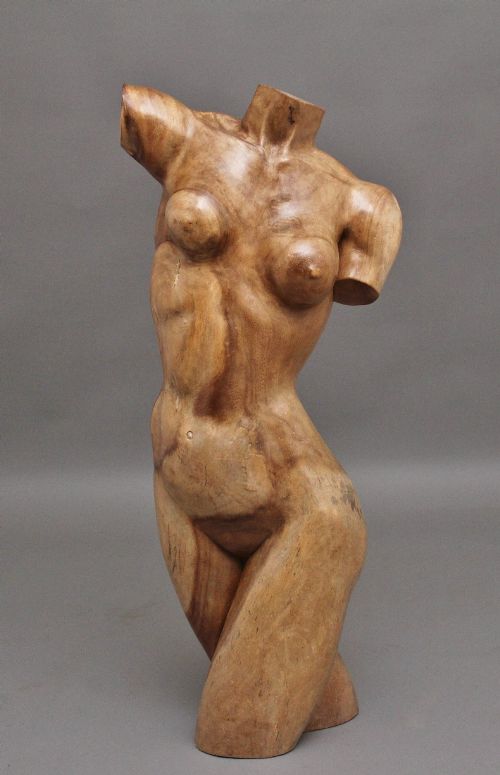
Buyers encounter everything from small dancer figurines and table lamps to life-sized carved torsos and framed canvas portraits. The selection bridges classical revival styles with modernist interpretations from British, French, Italian, and Austrian makers.
Materials and Technique
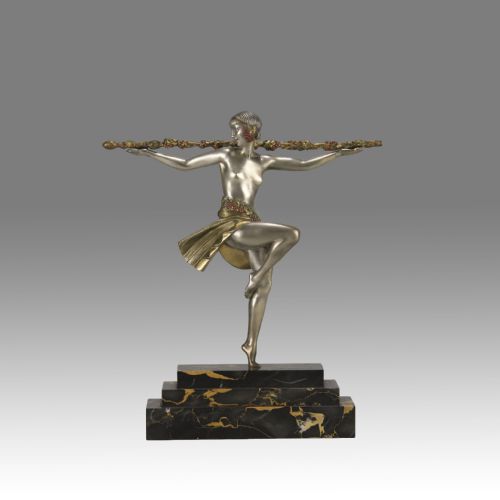
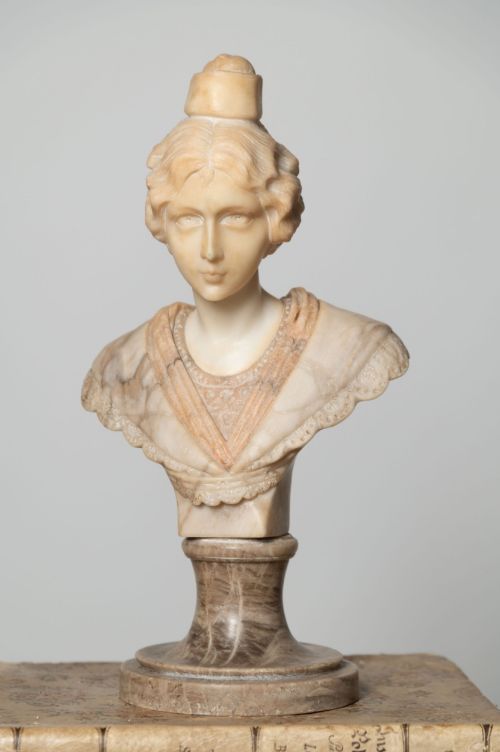
Sculptural works utilise metal casting techniques, employing bronze, cold-painted bronze, and spelter often mounted on marble or onyx bases. Artisans also carved directly into materials such as marble, alabaster, and wood to create busts and full figures.
Two-dimensional pieces rely on oil paints, pencil, and pastel on canvas, paper, or board. Etchings and mixed media studies demonstrate the diverse graphic techniques utilised during the early twentieth century.
Listings feature works spanning the 18th century, 19th century, Edwardian era, and the 1920s through the 1960s.
Quality and Execution
The distinction between tiers rests upon the precision of the casting or the hand of the artist in painted and drawn works. Finer bronzes display sharp chased details and delicate cold-painted polychromy, while lesser examples rely on base spelter with simpler surface finishes.
Original signed works by recognised sculptors and painters demonstrate superior anatomical rendering and compositional balance compared to unsigned commercial production pieces from the same periods.
Bruno Zach·Pierre le Faguays·Ferdinand Preiss·Josef Lorenzl·James Hadley
The Vintage Female Figure Glossary
- Cold-painted bronze
- A metal casting technique where paint is applied to the cold bronze surface rather than fired in a kiln. This finish requires careful preservation to prevent flaking over time.
- Spelter
- A zinc alloy frequently utilised as a less expensive alternative to bronze for decorative figurines during the Art Deco period. It often receives a bronze-like metallic coating.
- Life drawing
- An artwork created by observing a live nude model directly in the studio. These studies record immediate posture and gesture in pencil, charcoal, or pastel.
- Chasing
- The manual refinement of a metal casting using small punches and hammers to sharpen details and remove surface flaws. Skilled chasing elevates the sculptural quality of a bronze figure.
Vintage Female Figure: Frequently Asked Questions
How do I identify Art Deco bronzes?
Art Deco bronzes typically depict stylised dancers or female figures with sleek lines and dynamic postures. They frequently feature cold-painted surfaces and rest on heavy marble or onyx plinths.
Examination of the base often reveals signatures, foundry marks, or stamps associated with European workshops from the 1920s and 1930s.
Where were these alabaster busts made?
Alabaster busts and sculptures from this era were primarily carved in European workshops, notably in Italy and France. Artisans utilised local stone deposits to produce portrait studies for domestic interiors.
The Arts and Crafts movement also influenced British makers who worked with carved alabaster during the late nineteenth century.
How should I display a bronze figure?
Bronze figures require stable placement away from direct heat sources and high humidity to protect underlying metal and stone bases. A sturdy console table or dedicated cabinet provides adequate support for heavier sculptures.
Dusting with a soft, dry cloth maintains the surface patina without disturbing cold-painted finishes.
What is cold-painted bronze?
Cold-painting involves applying oil or enamel paints directly onto a finished bronze casting without heat-firing. This technique allowed makers to introduce vibrant polychrome details to garments and hair.
Because the paint sits on the metal surface, these pieces require gentle handling to preserve the original coloration.