

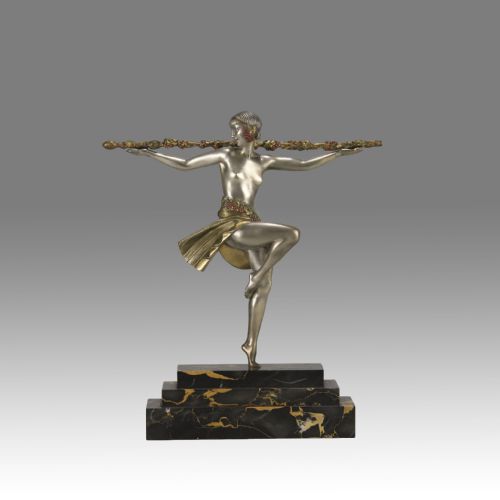
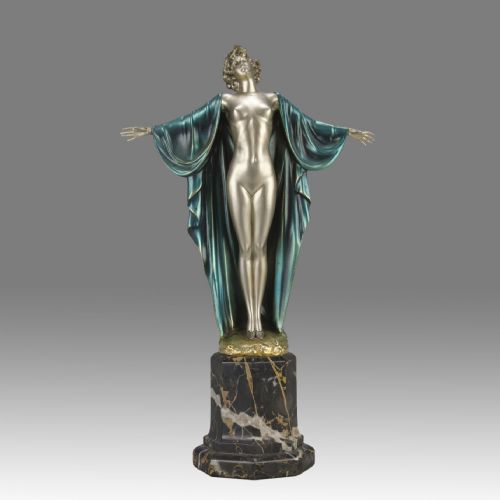

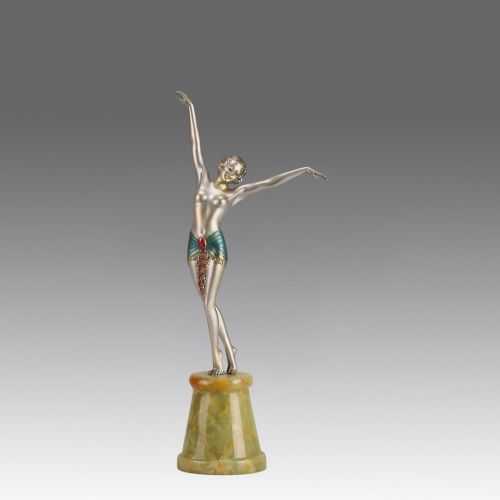

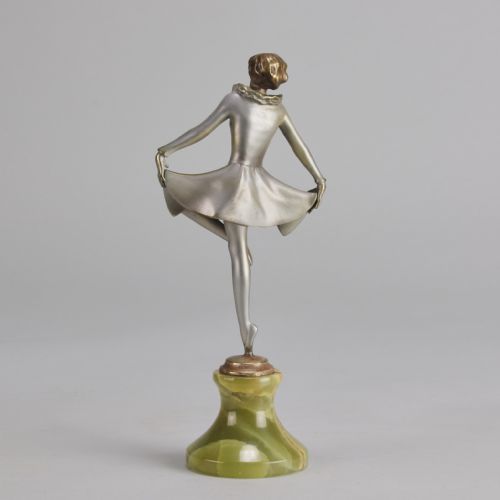



Silvered Bronzed Figure
These metal sculptures bring character to a room, combining metallic finishes with sculptural detail.
Silvered Bronzed Figure
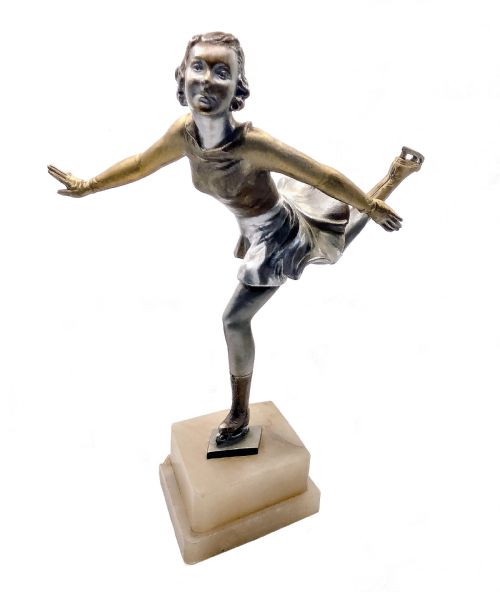
A silvered bronzed figure is a sculptural work cast in metal, often featuring a silvered or patinated surface treatment to accentuate the form. When searching for a silvered bronzed figure, collectors generally encounter works spanning the nineteenth and twentieth centuries, with a strong representation of Art Deco designs.
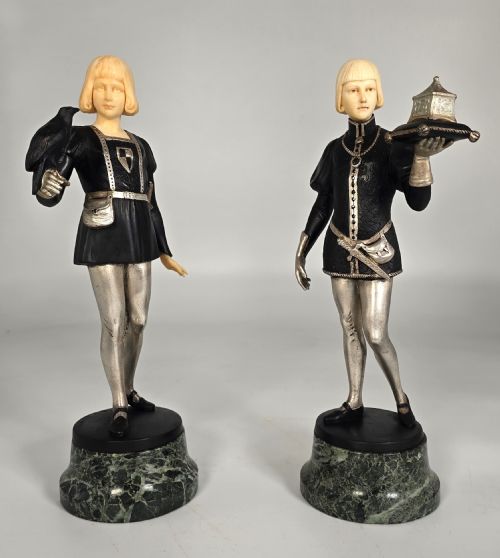
The objects take many forms, including dancers, animals, mythological subjects, and figural groups mounted on bases of marble or onyx. Pieces range from small desk statuettes to substantial centrepieces and sculptural lamps created by notable European artists and foundries.
Materials and construction
Makers utilised bronze, silvered bronze, and spelter as primary casting metals, frequently mounting the completed figures onto heavy bases of marble or onyx. Surfaces were often finished with cold painting, enamelling, or silvering to add colour and texture to the metallic form.
Casting techniques allowed for intricate detail in garments, hair, and facial expressions, particularly in works produced during the Art Deco period. Components such as ivory or glass were occasionally integrated into the metal sculptures to provide contrast.
Listings feature works spanning from pre-sixteenth century Javanese castings to Art Deco animalier sculptures and French table lamps.
Distinguishing quality in these sculptures
The integrity of the surface finish dictates value, as original cold painting or silvered patination requires careful preservation. The choice of base material, such as finely veined marble or onyx, also separates standard productions from more ambitious sculptural commissions.
Pierre le Faguays·Ferdinand Preiss·Josef Lorenzl·Demetre Chiparus·Claire Jeanne Roberte Colinet·Alexandre Kelety·Geo Maxim·Michel Decoux·Auguste Moreau
The Silvered Bronzed Figure Glossary
- Cold-painted bronze
- Bronze sculpture painted after casting using oil-based paints that are not kiln-fired. This technique was popular for adding vibrant colour to Austrian and Art Deco figures.
- Spelter
- A zinc alloy used as an economical alternative to bronze for sculptural castings. It is softer than bronze and frequently found in French figural pieces.
- Patination
- The chemical or natural coloration of a metal surface resulting from age or applied treatments. It enhances the depth and visual texture of a bronze sculpture.
- Chasing
- The manual refinement of a metal casting using small punches and hammers to sharpen details and remove surface imperfections. High-level chasing distinguishes master bronzes from basic foundry output.
- Animalier
- A nineteenth-century artistic style and genre focusing on the realistic depiction of animals, particularly in motion or combat. These sculptures are typically cast in bronze.
Silvered Bronzed Figure: Frequently Asked Questions
What is a silvered bronzed figure?
A silvered bronzed figure is a sculptural object cast in metal with a silvered or metallic surface treatment. These works range from small tabletop statuettes to large decorative centrepieces.
They frequently depict human dancers, animals, or figural groups created during the nineteenth and twentieth centuries. Many incorporate contrasting materials such as marble bases or cold-painted highlights.
How do I identify Art Deco figures?
Art Deco figures typically feature streamlined shapes, stylised clothing, and dynamic poses associated with the interwar period. Common subjects include dancers, athletes, and sleek animals.
These pieces often stand on geometric bases made of marble or onyx. Signatures of period makers are frequently cast directly into the metal or inscribed on the base.
What is the difference between bronze and spelter?
Bronze is a durable alloy of copper and tin that accepts fine detail and holds patination well over centuries. It represents the higher standard of sculptural casting.
Spelter is a zinc-based alloy that is softer and lighter than bronze. It was widely used for decorative figures and lamps, often finished with metallic paint to imitate bronze.
How should I display these sculptures?
These figures require stable placement on level surfaces away from direct sunlight and extreme humidity. Heavy marble-based sculptures need robust furniture capable of supporting their weight safely.
Gentle dusting with a soft, dry cloth is sufficient for routine maintenance. Avoid liquid cleaners or abrasive cloths that can damage delicate cold-painted or silvered surfaces.