


French Figural Statuette
A french figural statuette captures human character and classical form through European metalwork and porcelain.
French Figural Statuette
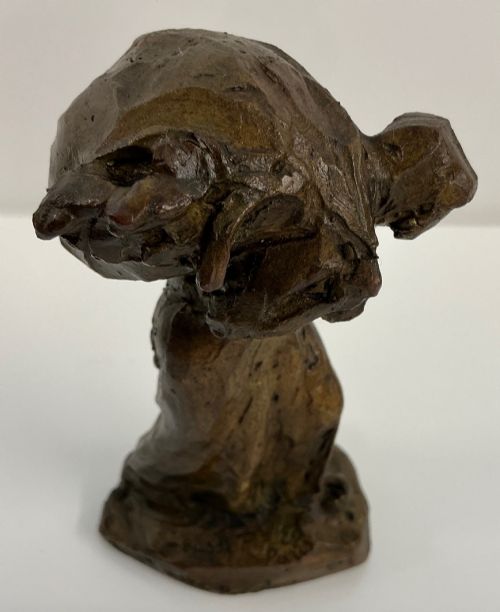
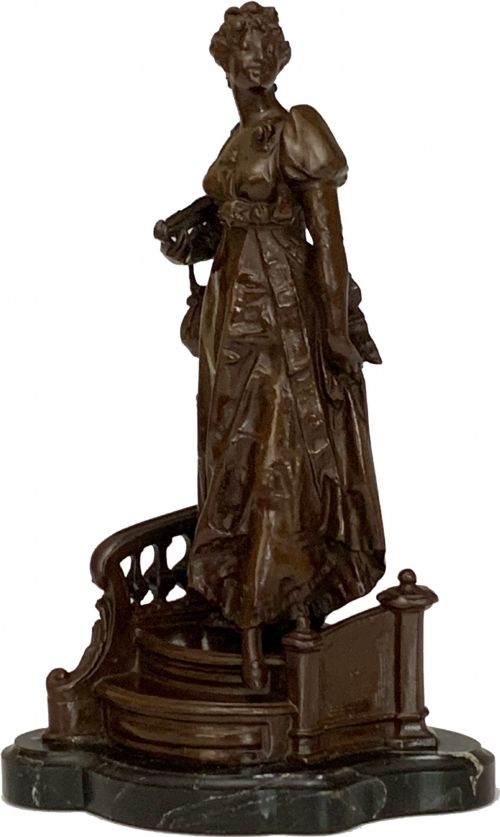
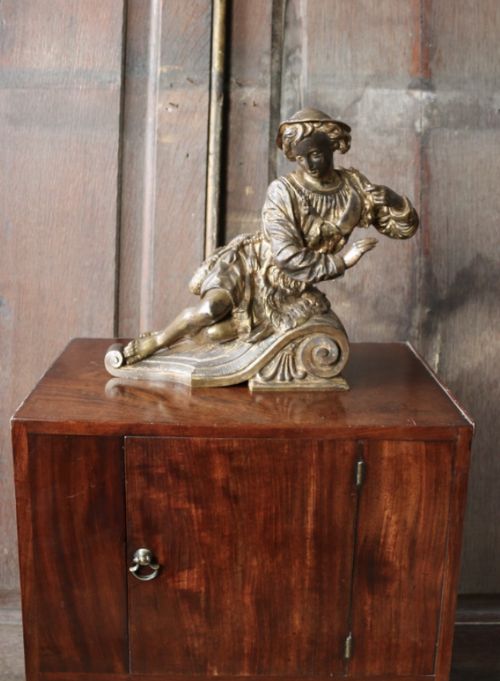
A french figural statuette represents human figures cast or modelled in bronze, spelter, porcelain, and terracotta. These pieces span periods from the eighteenth century through the art deco era, encompassing mantel clocks, lamps, and standalone sculptures.
Buyers will most frequently encounter nineteenth century bronze works alongside later spelter and porcelain examples. Subjects range from classical putti and mythological figures to elegant ladies and working children.
The assortment includes both signed foundry editions and unmarked decorative figures mounted on marble or onyx bases. Each piece reflects the dominant stylistic shifts of its period, moving from neoclassical and rococo to art nouveau and art deco.
Judging Quality
The clarity of the casting and the crispness of the chased detail distinguish finer works from standard commercial production. Foundry marks and artist signatures often indicate a higher standard of original execution.
The quality of the material finish, whether patinated bronze, gilt bronze, or hand-painted porcelain, determines the visual depth of the piece. Superior statuettes also feature more complex bases, utilising quality marble, onyx, or porcelain rather than basic timber or simple metal.
Listings feature works spanning the 18th century, 19th century, and early decades of the 20th century.
Jules Dalou·Georges Van Der Straeten·Emmanuel Villanis·Auguste Moreau·Louis Auguste Moreau
The French Figural Statuette Glossary
- Spelter
- A zinc alloy commonly utilised as a cheaper alternative to bronze for decorative figures, especially during the art deco period. It was often painted or given a bronze-like patina to simulate more expensive metalwork.
- Patinated Bronze
- A bronze sculpture treated with chemical solutions to produce a specific surface colour and tone. This finish protects the metal and highlights the sculptural details.
- Ormolu
- Gilded bronze ornamentation applied to furniture, clocks, and sculptural bases. The technique involves fusing a gold-mercury amalgam to a bronze base.
- Putto
- A plump, naked male child figure frequently depicted in classical and rococo art. These figures often appear in pairs or accompany larger sculptural compositions.
- Terracotta
- Fired unglazed clay used for sculptural models and finished figures. The material ranges in colour from pale buff to deep reddish-brown.
French Figural Statuette: Frequently Asked Questions
What is a french figural statuette?
A french figural statuette is a small-scale sculpture depicting a human or mythological figure, created in France across the eighteenth, nineteenth, and early twentieth centuries.
These pieces were produced in materials including bronze, spelter, porcelain, and terracotta as decorative ornaments for the home.
How do I identify the period?
The stylistic clues, materials, and mounting bases help distinguish nineteenth century works from later art nouveau and art deco pieces.
Signatures, foundry marks, and overall manufacturing techniques provide further confirmation of the date of creation.
Where were they displayed?
These statuettes were placed on mantelpieces, desks, and dedicated display tables within nineteenth and early twentieth century interiors.
Some examples were incorporated into functional items like clocks and table lamps.
How should I care for bronze?
Bronze figures require only occasional dusting with a soft, dry cloth to remove surface particles.
Harsh cleaning agents and polishes should be avoided to preserve the original patina.