
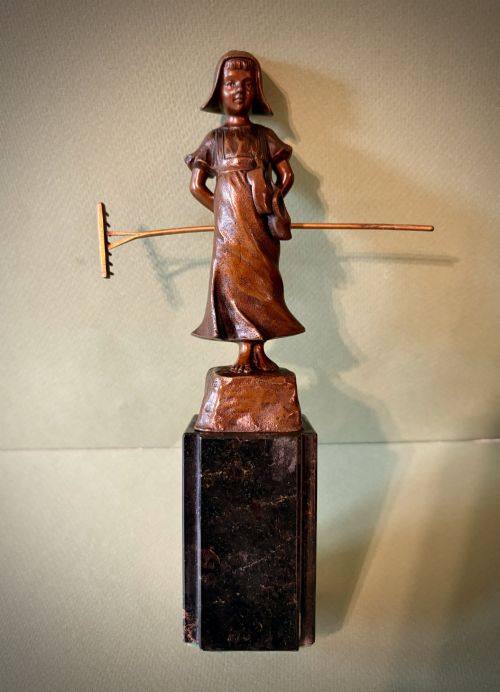
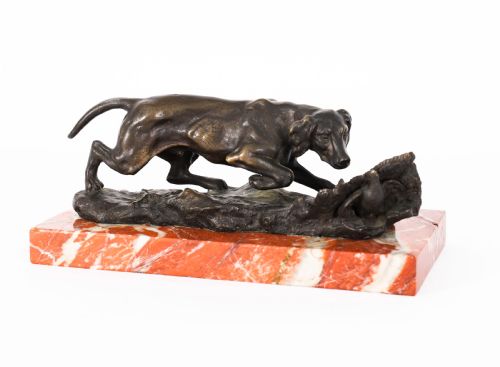
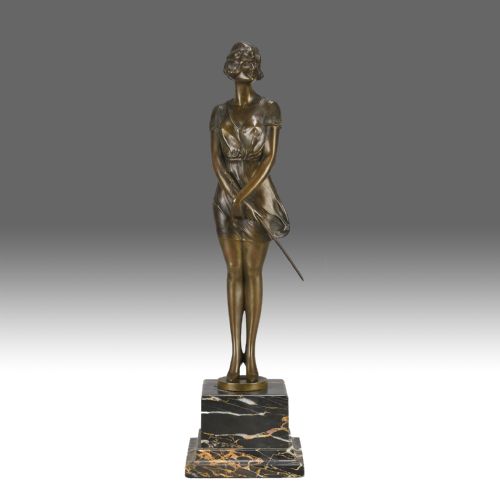
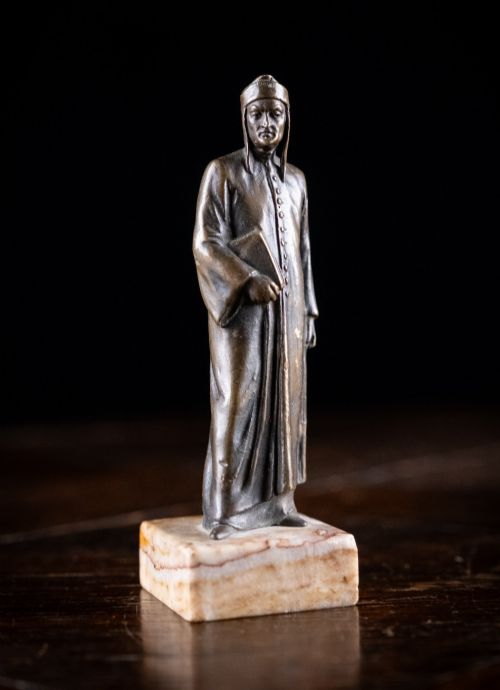
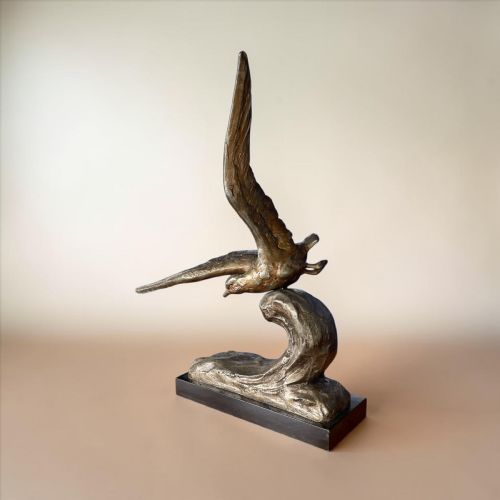
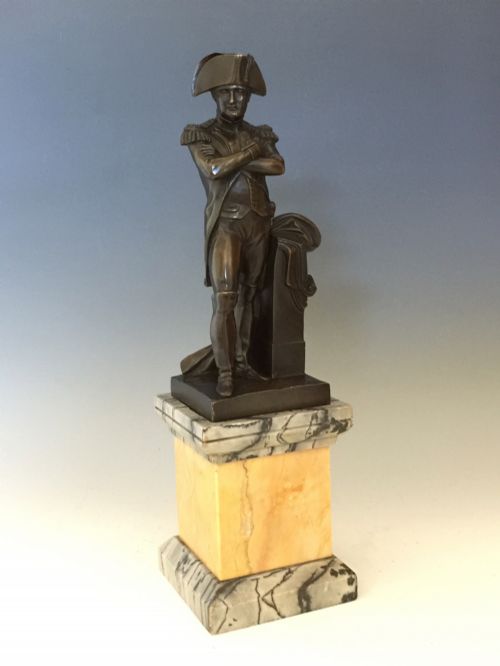
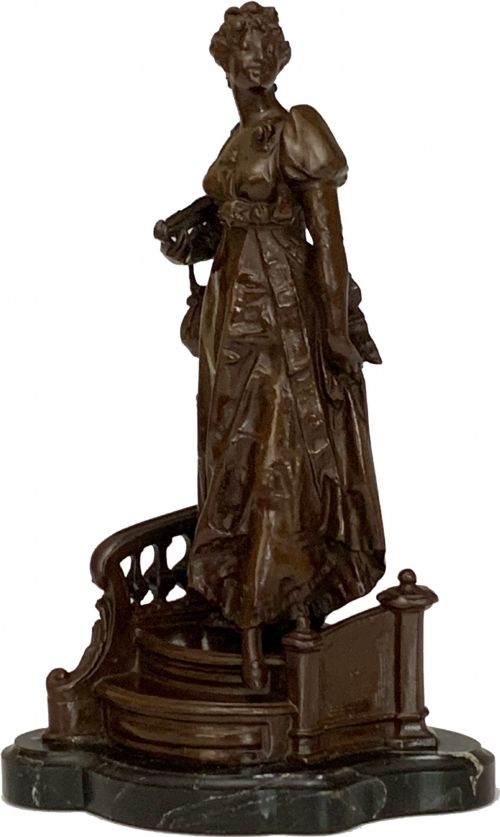

Marble Base Statuette
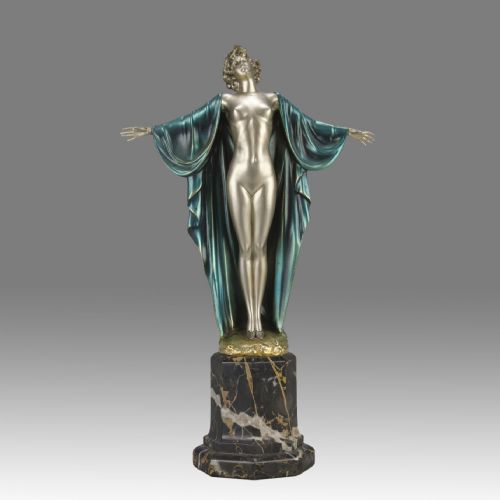
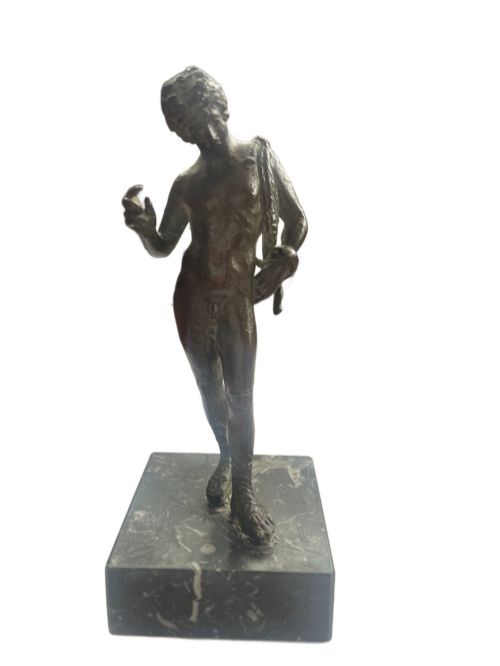
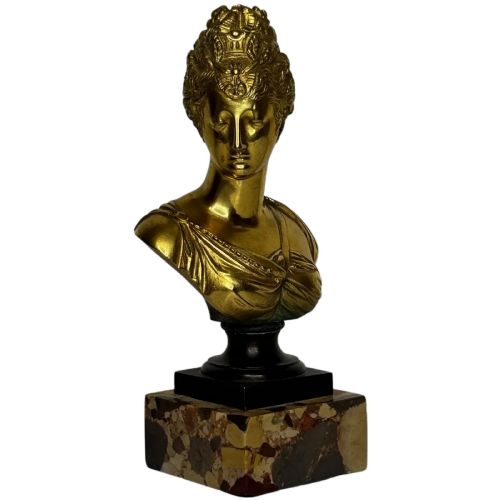
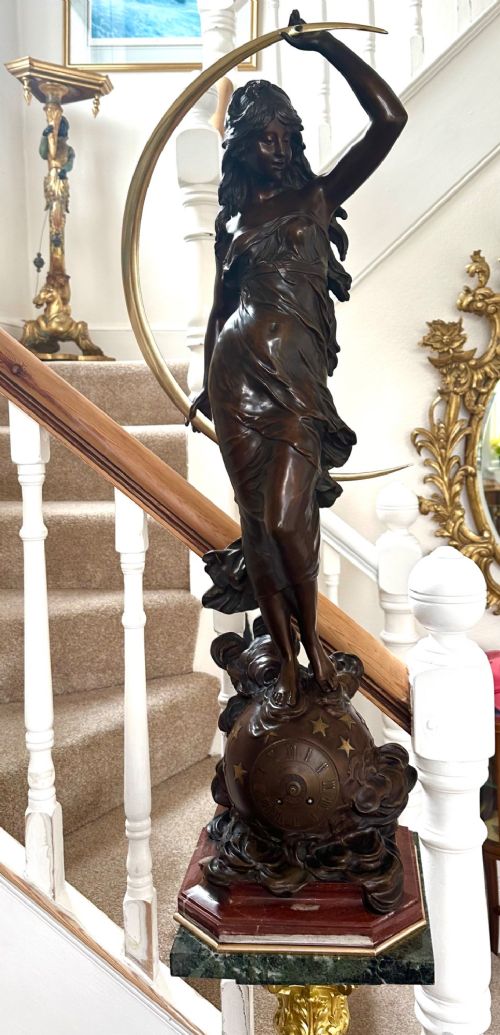
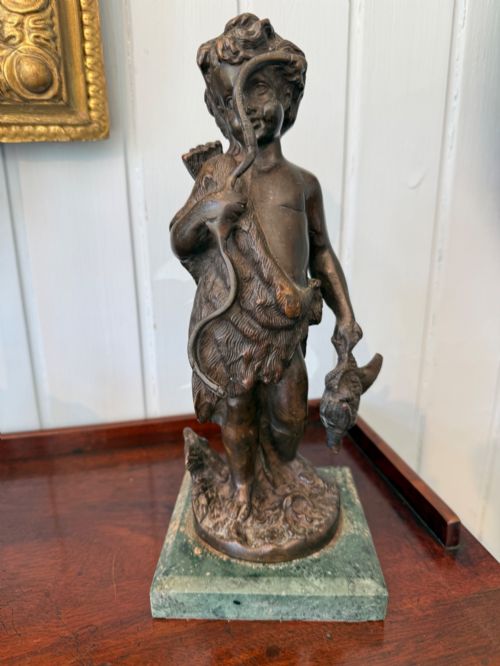
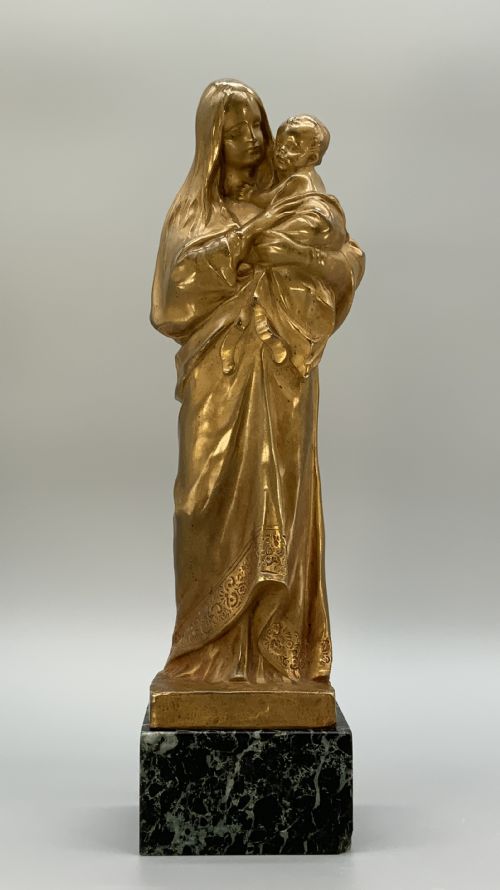
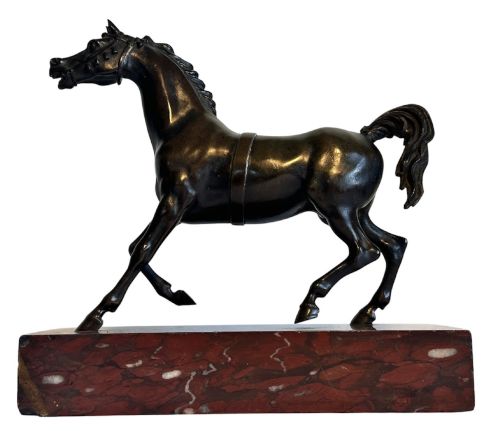
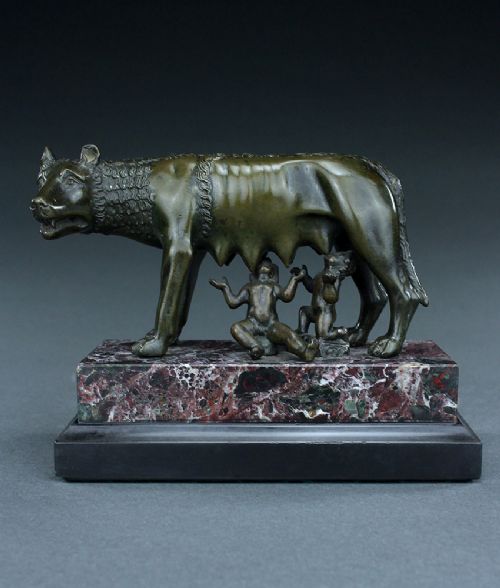
These marble base statuette examples combine cast metal figures with stone plinths, ranging from classical souvenir bronzes to modernist dancer studies.
Marble Base Statuette
A marble base statuette unites a metal sculptural subject with a heavy stone plinth, grounding the composition physically and visually. The selection here leans heavily towards nineteenth-century Grand Tour souvenirs and twentieth-century Art Deco dancer studies.
Subjects range from classical mythology and historical portraits to animalier studies and theatrical figures. The stone plinth often provides a contrasting backdrop of fossil, rosso levanto, or black marble beneath the bronze or gilt metal.
How they were made
Foundries cast the upper figures in bronze, gilt bronze, or silvered bronze, frequently employing cold-painting or patination for colour and detail. Ormolu and enamel occasionally add decorative highlights to the metalwork.
Artisans mounted these finished metal sculptures directly onto cut and polished stone bases, securing them with threaded pins or screws visible beneath the plinth.
Materials recorded across the selection include bronze, gilt bronze, silvered bronze, ormolu, onyx, enamel, and various decorative marbles.
What varies in quality
The crispness of the metal chasing and the depth of the patination dictate the visual success of the casting, distinguishing a sharp artisan reduction from a soft commercial copy. Better examples preserve fine facial expressions, drapery folds, and feather or fur textures without relying on thick, obscuring paint.
The choice and preparation of the stone plinth also separate tiers of production, with dense decorative marbles carrying more weight and presence than plain, unfigured slate or lesser stone.
Carl Kauba·Bruno Zach·Ferdinand Preiss·Hans Müller·Georges Van Der Straeten·Gotthilf Jaeger·Demetre Chiparus·Claire Jeanne Roberte Colinet
The Marble Base Statuette Glossary
- Grand Tour
- A nineteenth-century tradition of travelling through continental Europe, bringing home bronze antiquities and architectural models as souvenirs. These pieces usually replicate classical sculptures found in Italian museums.
- Animalier
- A nineteenth-century artistic focus on the realistic depiction of animals, often showing them in dynamic movement or natural behaviour. This genre produced many hound, horse, and bird studies mounted on stone plinths.
- Ormolu
- Gilded bronze produced by applying a mercury and gold amalgam to the metal surface and heating it. This technique creates a rich, durable golden finish found on decorative mounts and statuettes.
- Cold-painted bronze
- A method where paint is applied to a cold bronze casting without firing, characteristic of Austrian workshops from the late nineteenth and early twentieth centuries. The surface requires careful handling to prevent flaking.
- Patination
- The natural or chemical coloration of a metal surface over time or through treatment. Controlled patination highlights the contours and details of sculptural casts.
Marble Base Statuette: Frequently Asked Questions
What is a marble base statuette?
It is a small freestanding sculpture cast in metal, such as bronze or silvered bronze, and permanently mounted onto a shaped stone plinth. The stone adds physical stability and a distinct visual contrast to the metal figure above.
These pieces cover various eras, from classical nineteenth-century Italian souvenirs to sleek modernist figures from the nineteen-twenties and thirties.
How do I date a marble base statuette?
Dating relies on the sculptural style, the casting technique, and the type of marble used for the plinth. Art Deco pieces from the nineteen-twenties and thirties show geometric lines and stylised human forms, whereas nineteenth-century Grand Tour items draw on classical antiquity.
Foundry marks, artist signatures etched into the base, and the specific composition of the metal alloy also provide clues to the period of manufacture.
Were these figures made as pairs?
Some sculptural studies were indeed produced as matching pairs, particularly decorative birds, putti, or theatrical figures intended for symmetrical placement on a mantelpiece or sideboard.
Many other subjects, however, were cast as singular standalone works, such as individual dancers, historical portraits, or mythological animals.
How should I clean a bronze figure?
Maintenance requires only a gentle dusting with a soft, dry cloth to remove surface particles. Avoid chemical polishes, water, or abrasive cleaners, which can strip away the original patination or damage cold-painted surfaces.
Keeping the piece away from direct sunlight and high humidity helps preserve the stability of both the metal and the underlying stone mount.