


Vintage Fall Front Bureau
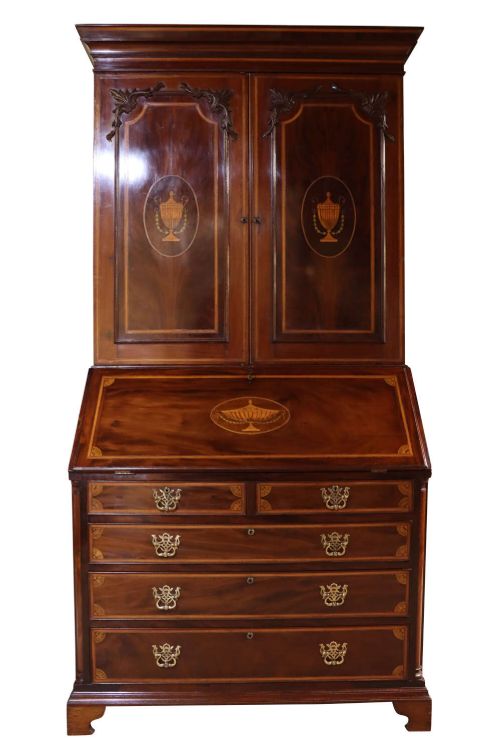
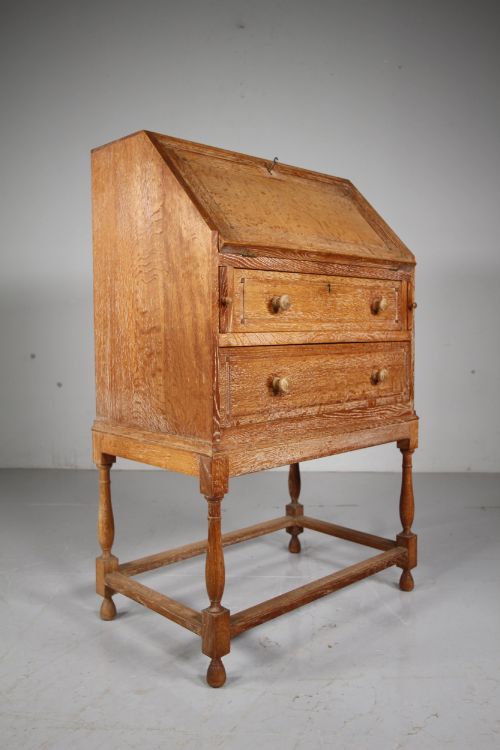
A vintage fall front bureau conceals a fitted writing compartment behind a hinged slope, offering practicality and traditional joinery for the modern home.
Vintage Fall Front Bureau
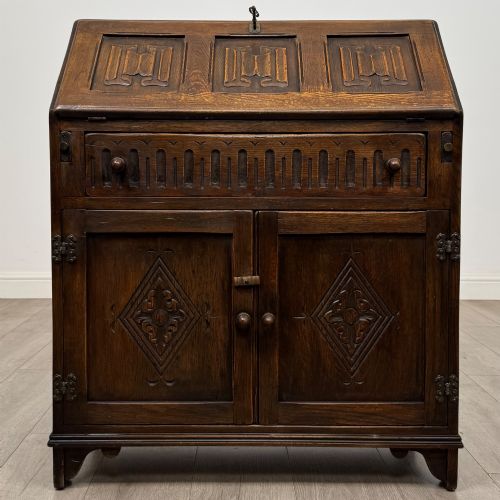
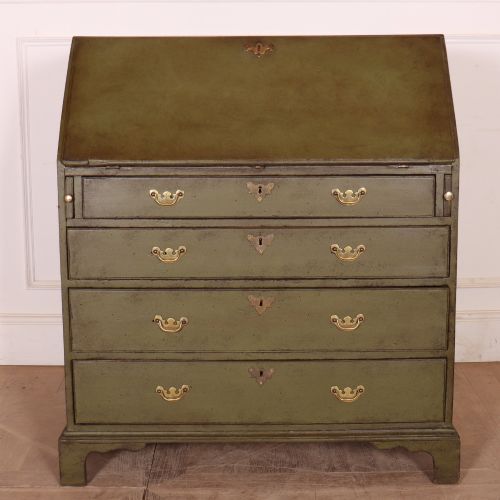
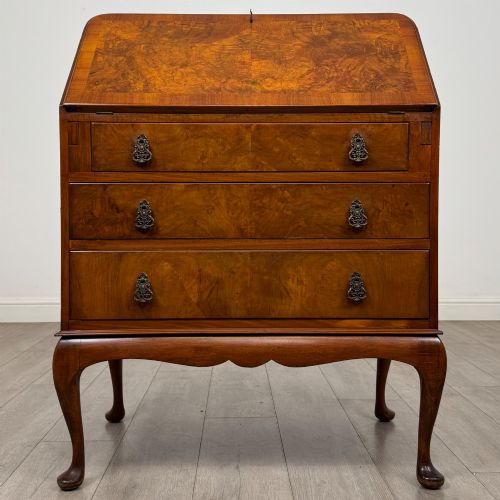
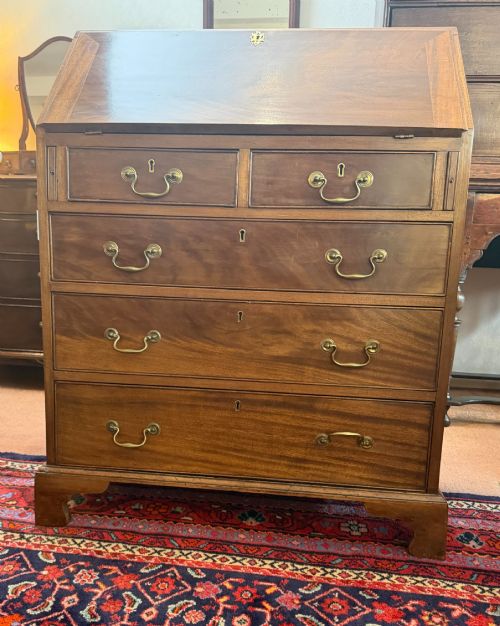
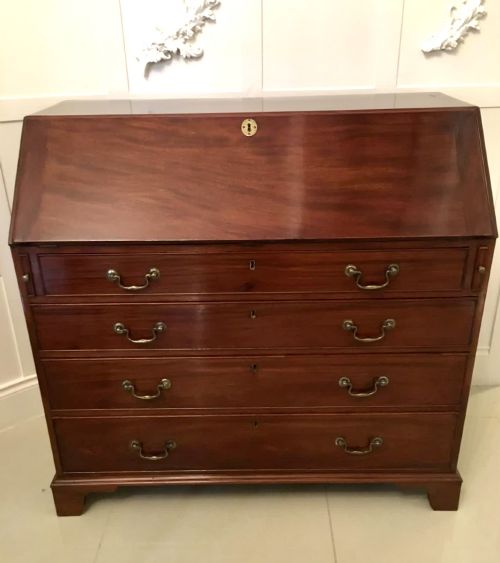
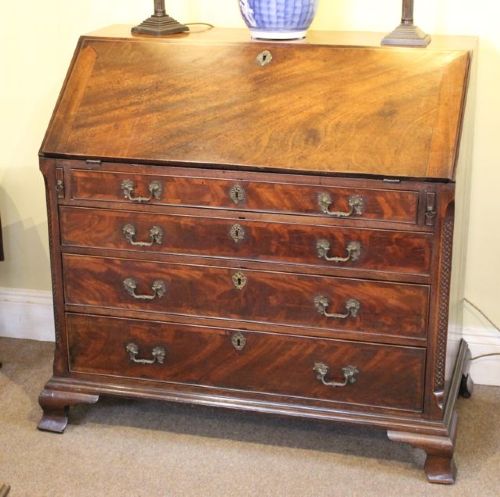
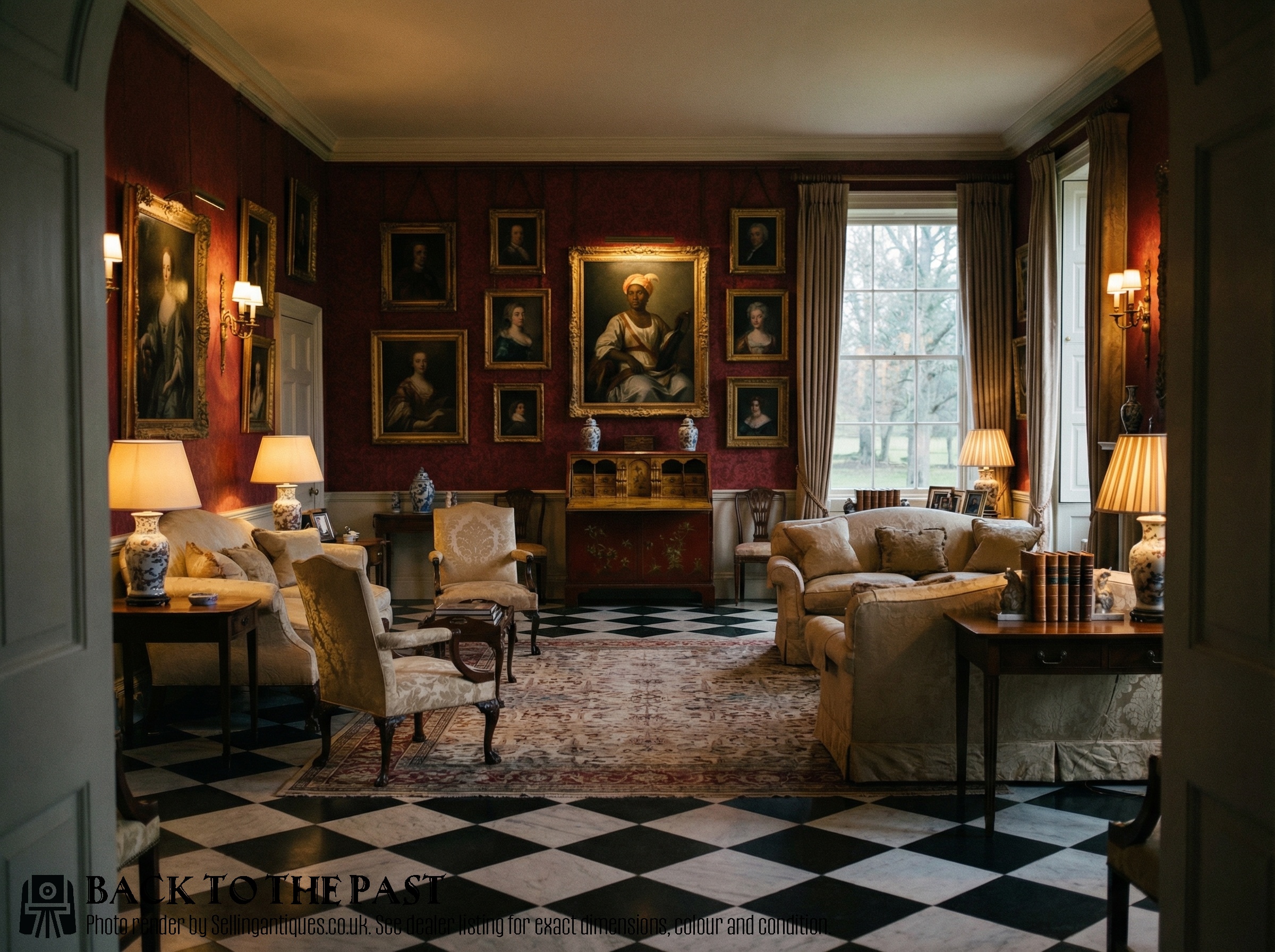
A vintage fall front bureau combines a compact writing surface with concealed internal compartments, enclosed securely when the hinged front closes upright. Buyers seeking this form encounter numerous variations spanning several centuries of craftsmanship.
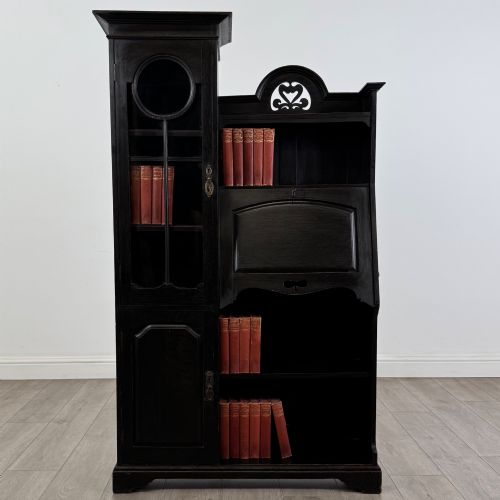
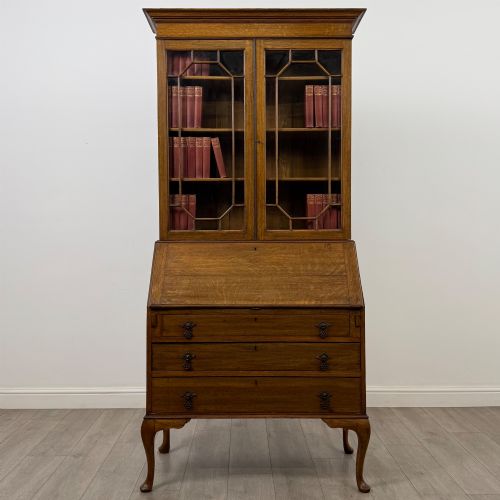
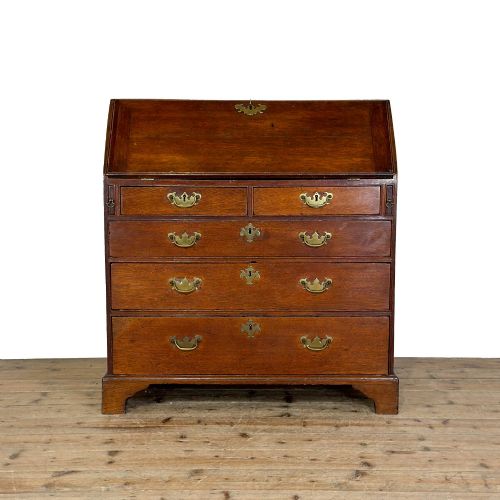
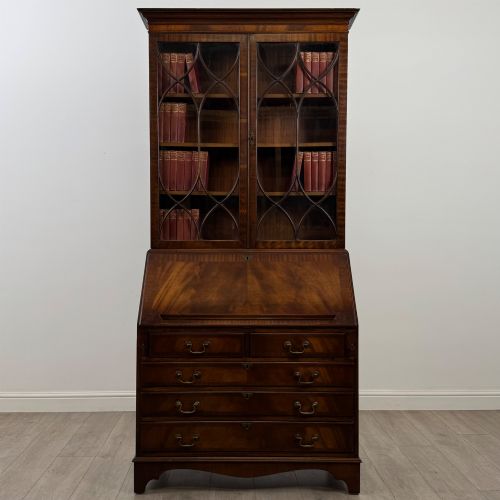
The selection ranges widely from substantial 18th Century oak and mahogany examples to lighter Edwardian interpretations in golden oak, walnut, and satinwood. Many pieces incorporate upper bookcase sections or display glazed shelving alongside the primary writing desk.
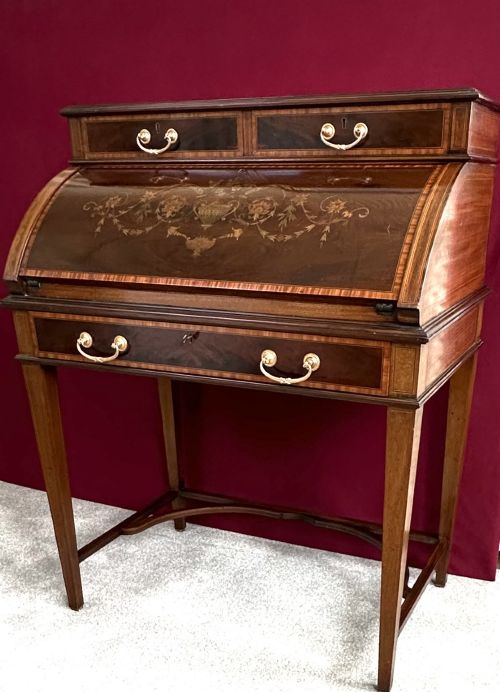
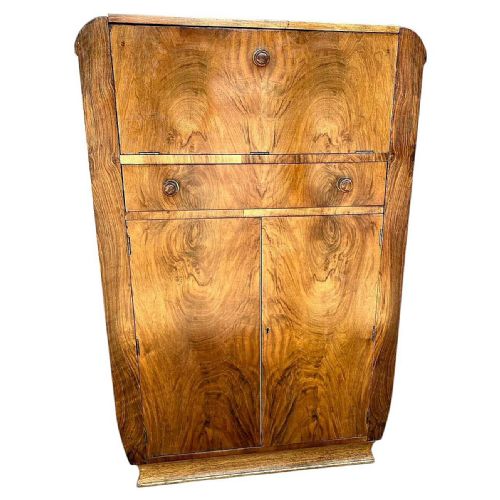
Period expressions also extend into Arts and Crafts movements, Art Deco designs from 1930, and continental styles including French Louis XV marquetry escritoires. This diversity ensures a suitable scale and aesthetic for almost any room configuration.
Materials and construction methods
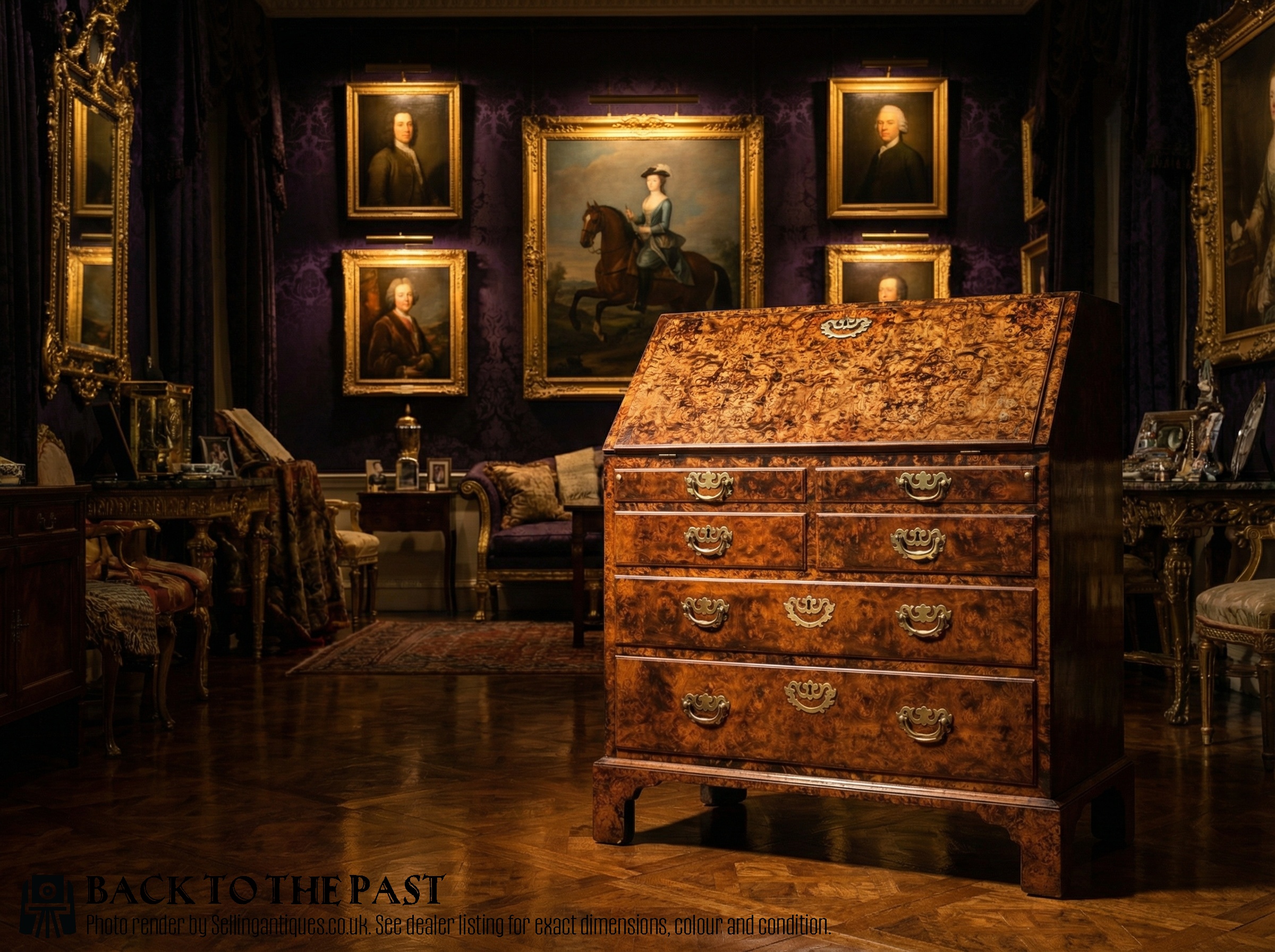
Makers relied heavily on robust timbers such as oak, mahogany, and walnut, often selecting burr walnut, burr elm, or figured veneers to add visual depth to the fall front panel. Satinwood stringing and brass hardware frequently accent the exterior surfaces.
Internal joinery typically involves pigeonholes, small drawers, and secret compartments arranged behind the drop-down writing slope. Structural integrity depends upon traditional dovetailing and precise framing suited to each stylistic period.
Vintage Fall Front Bureau Retail Price Guide 2026
Typical asking prices for vintage fall front bureau among the pieces listed under this phrase on Sellingantiques today, from the lower quarter to the upper quarter. They describe what is for sale here now, not the wider market.
Secret drawers within these desks invite endless game-playing, rewarding those who discover the hidden spring release behind the pigeonholes.
Distinguishing quality across examples
Superior execution relies upon the selection of richly figured timber veneers, careful grain matching across the fall front, and refined interior drawer configuration. Better examples exhibit crisp marquetry, subtle inlay work, and original brass fittings.
The sophistication of the internal stationery compartments and the precision of the hinges supporting the drop front separate standard utilitarian pieces from masterworks of cabinet making.
Heals of London·Arthur Basil Reynolds·Larkin·F.H. Marshall & Co Glasgow
The Vintage Fall Front Bureau Glossary
- Fall front
- A hinged writing flap that drops down to form a horizontal desk surface. When closed, it conceals the internal pigeonholes and small drawers.
- Escritoire
- A writing cabinet or desk, particularly one with a fall front or drop-down writing surface. The term often describes continental European pieces.
- Bureau bookcase
- A writing bureau combined with an upper shelving or cabinet section enclosed by doors. These units provide both workspace and display storage.
- Marquetry
- Decorative woodwork where pieces of veneer are fitted into a ground to form geometric or floral designs. This technique embellishes the exterior surfaces of finer cabinets.
- Secret drawers
- Hidden compartments built behind standard drawers or within the internal stationery fitting. These were designed for storing valuables or private papers.
Vintage Fall Front Bureau: Frequently Asked Questions
How do I use a fall front bureau as a desk?
Lower the hinged front panel so it rests horizontally, supported by the desk frame or pull-out lopers. This reveals the internal writing surface and stationery compartments for daily correspondence.
Ensure the supporting mechanisms take the weight of your arms while writing to protect the hinges and structural joints of the fall front.
What is the difference between a bureau and an escritoire?
A bureau traditionally refers to a desk with a sloping fall front, whereas an escritoire often denotes a more decorative continental writing cabinet with a vertical drop-front panel.
Both forms serve the same primary function of concealing a fitted writing interior when closed.
How do I care for walnut and mahogany veneers?
Keep wooden surfaces away from direct sunlight and heat sources to prevent the veneers from drying out or warping. Regular dusting with a soft, dry cloth preserves the polished finish.
Apply a quality beeswax periodically to nourish the timber and maintain the natural lustre of the grain.
How can I tell an 18th-century bureau from an Edwardian copy?
Examine the internal construction, timber density, and backboards for tool marks and signs of age consistent with earlier hand-working techniques. Eighteenth-century pieces typically feature solid oak or mahogany secondary woods and hand-cut dovetails.
Edwardian reproductions often display lighter construction methods and machine-sawn elements hidden within the secondary framing.