

Vintage Extending Table
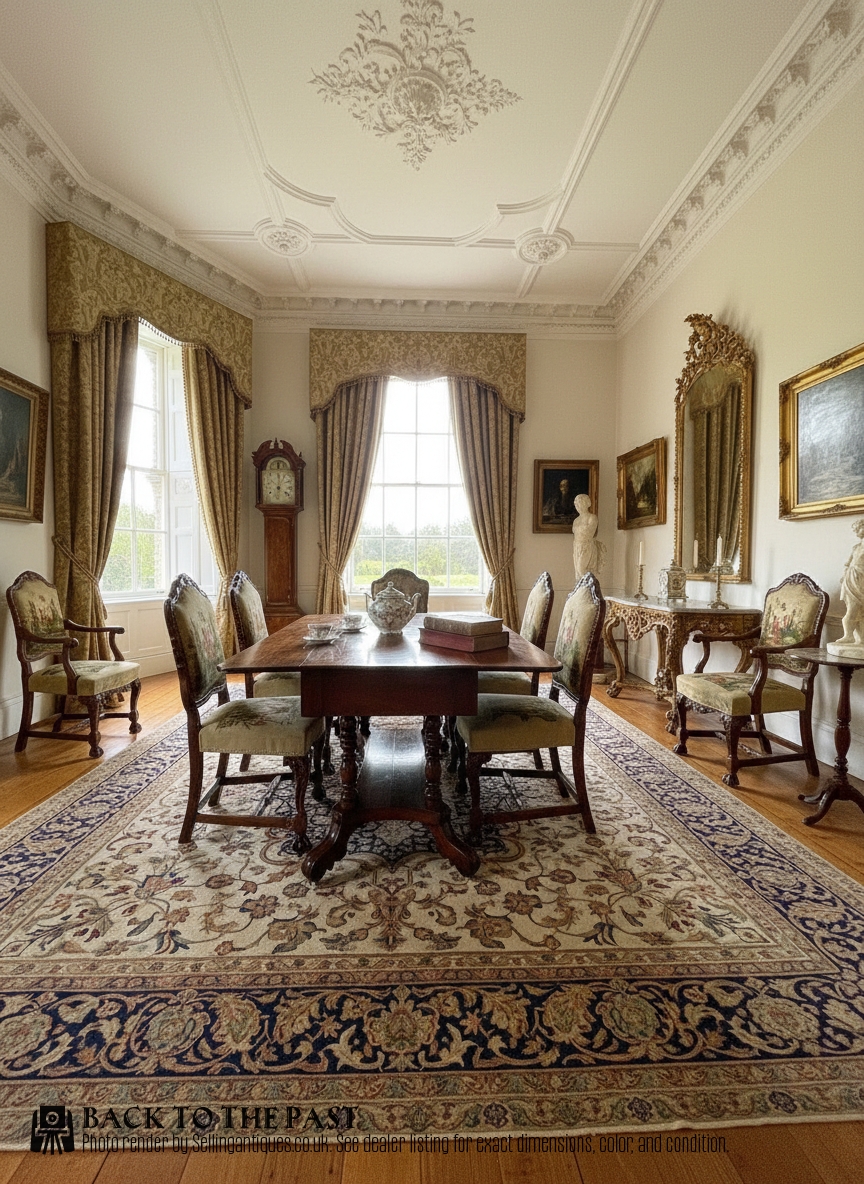
A vintage extending table offers adaptable scale for a dining room, shifting smoothly from daily meals to large gatherings.
Vintage Extending Table
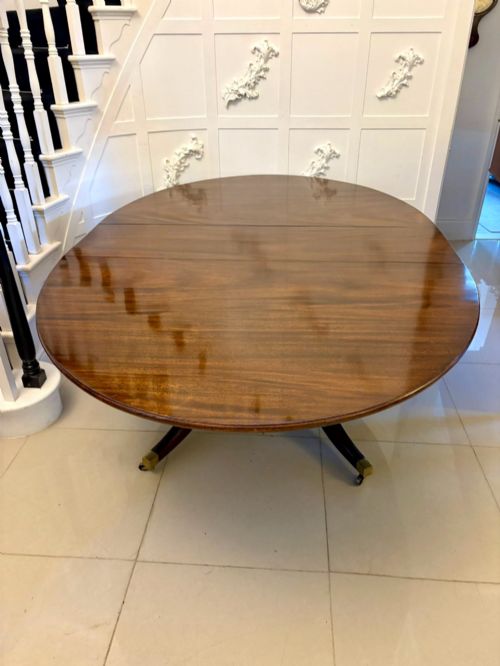
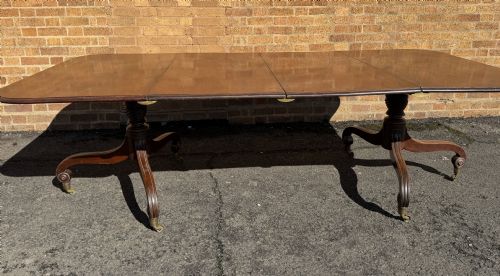
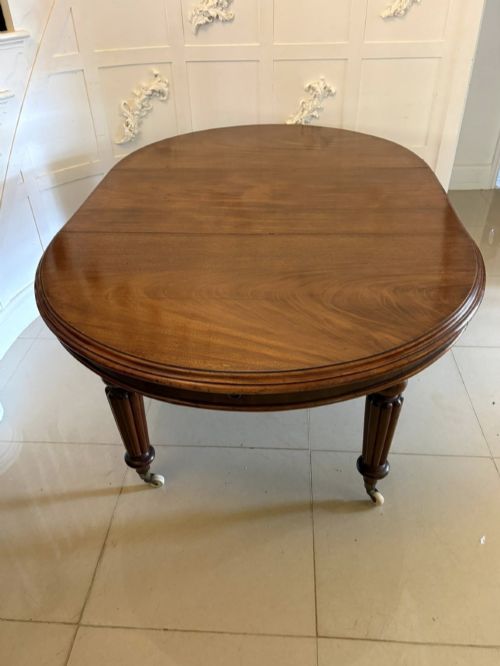
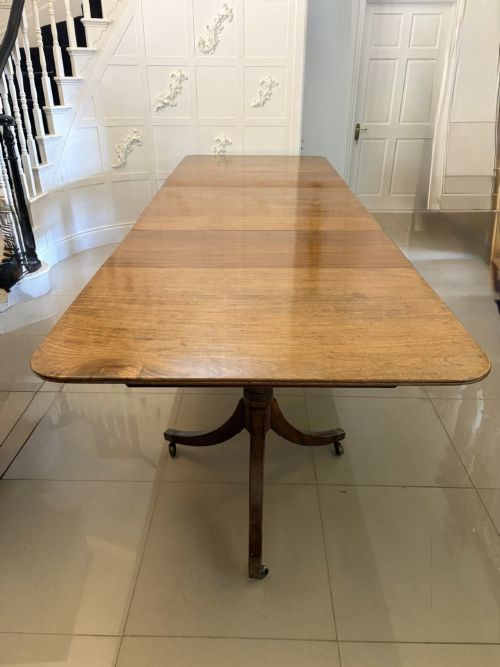
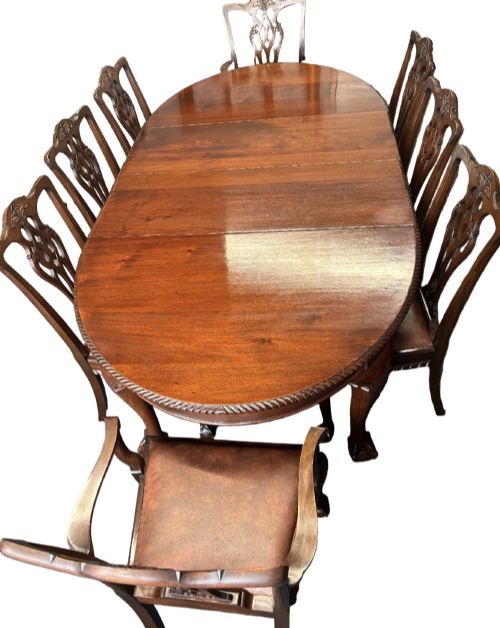
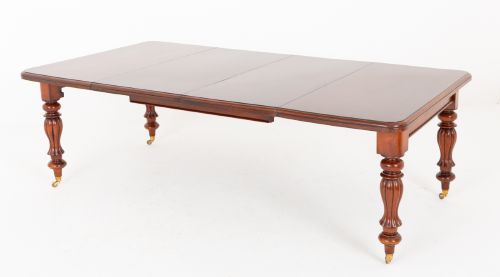
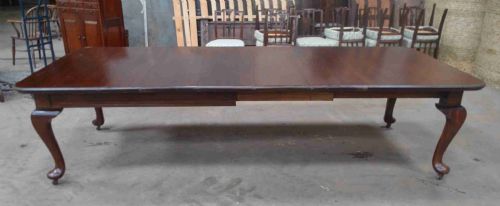
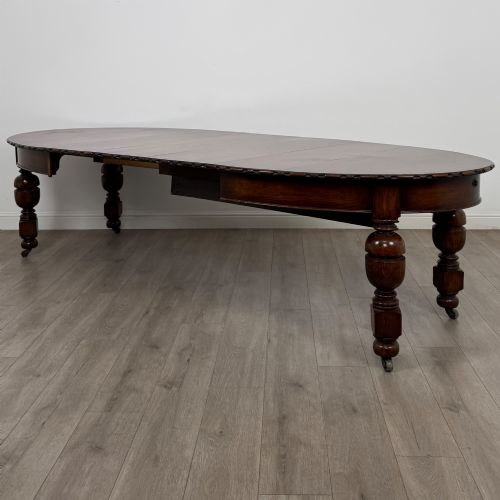
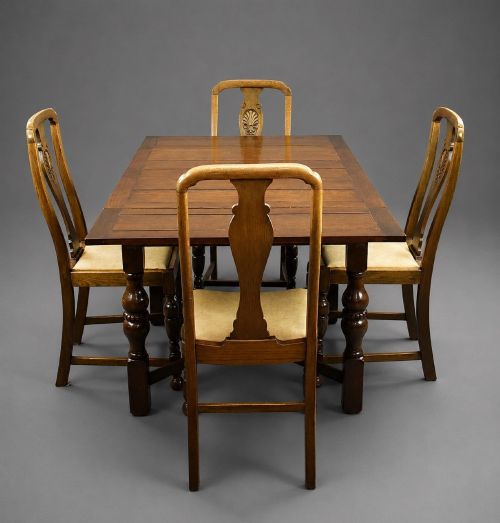
A vintage extending table bridges daily utility and formal hospitality through clever mechanisms that alter its length. Buyers seeking a vintage extending table most frequently encounter mahogany and oak pieces spanning the nineteenth and early twentieth centuries, from the Victorian, Edwardian, and Regency eras.
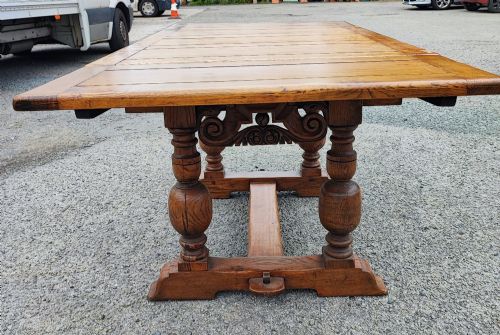
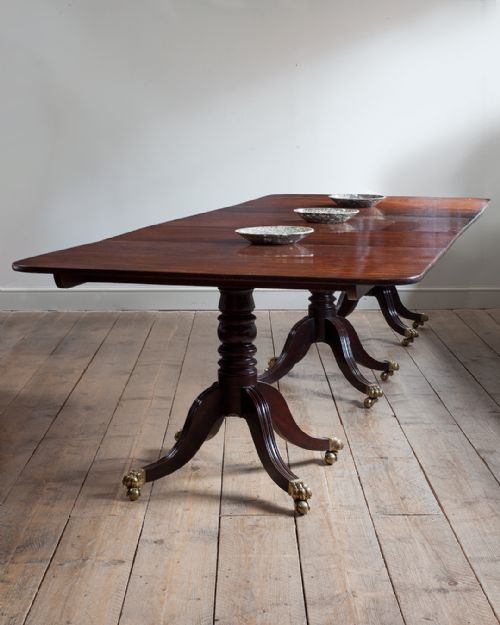
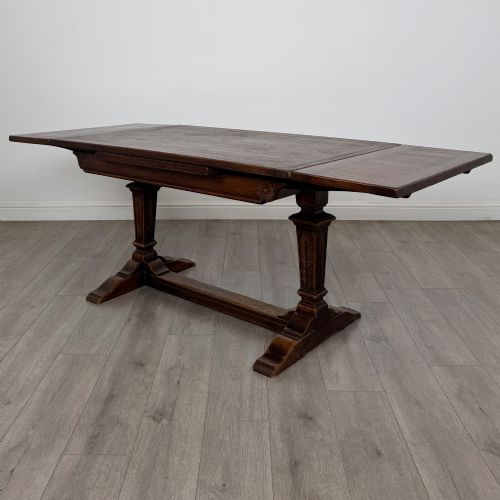
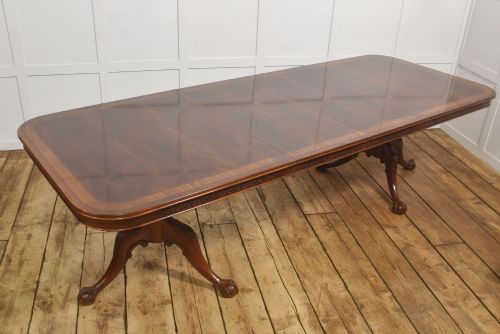
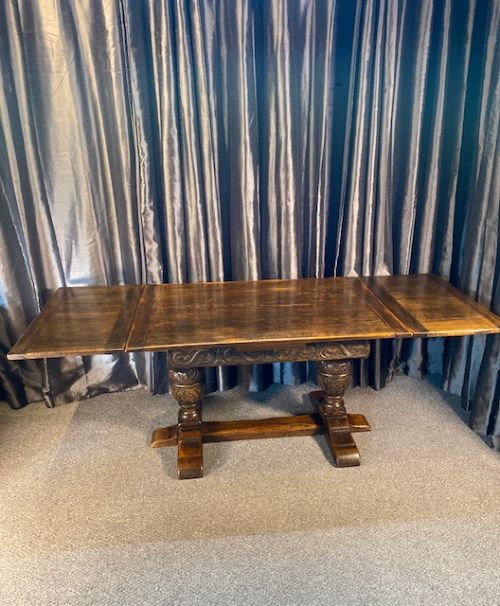
The selection ranges from twin and triple pedestal dining tables with removable leaves to draw leaf tables and wind out mechanisms. Forms stretch from compact refectory and farmhouse kitchen formats to grand twelve-seater models framed in revival styles like Chippendale, Jacobean, and Louis.
Makers utilised versatile D-end shapes, gateleg designs, and pedestal bases to maintain stability when fully extended. These tables served grand townhouses and country kitchens alike, adapting their footprints to the room as occasion demanded.
Materials and construction
Makers relied on solid timber and rich veneers, predominantly selecting dense mahogany, figured walnut, and sturdy oak for the main frames and tops. Brass castors, metal winding mechanisms, and ormolu mounts provided structural support and smooth operation for heavy leaves.
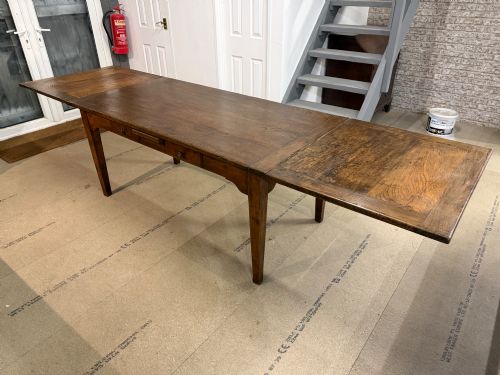
Cabinet makers joined timber using mortise and tenon joints for refectory styles, whilst pedestal dining tables utilised heavy pillar supports and reeded legs. Draw leaf tables incorporated sliding under-frames that allowed end leaves to tuck neatly beneath the main surface when not in use.
Vintage Extending Table Retail Price Guide 2026
Typical asking prices for vintage extending table among the pieces listed under this phrase on Sellingantiques today, from the lower quarter to the upper quarter. They describe what is for sale here now, not the wider market.
Scale and finish
Quality rests in the precision of the extension mechanism and the selection of timber figure, such as burr walnut or figured mahogany. Superior examples maintain rigidity across all leaves without sagging, operating smoothly on original brass wind out gears or well-fitted draw runners.
The finesse of hand-carved details, reeded legs, and inlaid borders distinguishes high workshop production from simpler provincial pieces. Timber seasoning and grain matching across added leaves dictate how harmoniously the surface ages together.
Maple and Co·Christofle
The Vintage Extending Table Glossary
- Draw leaf
- A table fitted with two sliding leaves stored underneath the main top, which pull out from each end to extend the surface. This mechanism allows rapid adjustment without removing loose boards.
- Wind out
- An extending table mechanism operated by a detachable crank handle that turns internal screws to part the table halves. This allows extra leaves to drop precisely into the centre.
- Pedestal table
- A table supported by one or more central columns rather than four corner legs, often dividing into multiple pillars for longer formats. This design maximises legroom for diners seated along the sides.
- D-end
- A dining table whose ends form semicircles, often created by splitting a console table or designing dedicated terminal sections. These sections detach or part to receive central leaves.
- Refectory table
- A long, narrow table traditionally used in communal dining halls, characterised by sturdy wooden legs joined by low stretchers. Oak versions frequently appear in rustic and farmhouse styles.
Vintage Extending Table: Frequently Asked Questions
How do wind out tables work?
Wind out tables rely on an internal rack and pinion gear system hidden beneath the aprons. Inserting a metal crank handle into the socket and turning it parts the table halves smoothly to accommodate extra leaves.
Once the leaves drop into place, reversing the handle draws the sections back together, locking the timber tightly in position for dining.
How do I care for mahogany tops?
Mahogany surfaces benefit from regular dusting with a soft, dry cloth and occasional treatment with quality beeswax to nourish the timber. Avoiding direct sunlight and heat sources prevents the wood from drying out or splitting.
Using felt mats beneath hot dishes and serving platters protects the polished finish from heat rings and moisture damage during meals.
Can I seat twelve people comfortably?
Tables designed with three pedestals or long refectory frames easily accommodate twelve guests when fully extended with multiple leaves. Examining the placement of legs and pedestals ensures chairs slide underneath without obstruction.
Checking the maximum extended length against room dimensions ensures adequate space for pulling chairs out and walking around the seated guests.