



Large Drop Leaf Dining Table
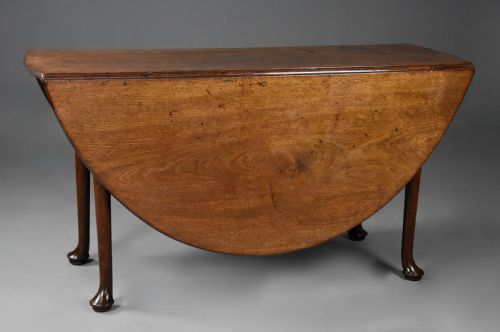
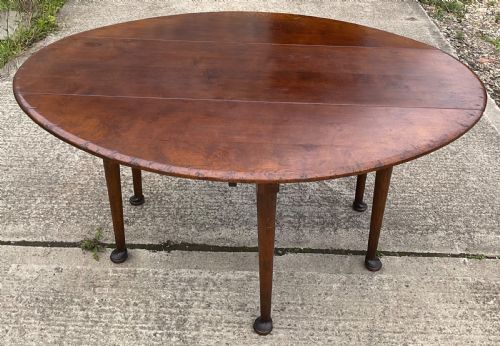
A large drop leaf dining table offers substantial hospitality by folding down compactly when not hosting large numbers.
Large Drop Leaf Dining Table
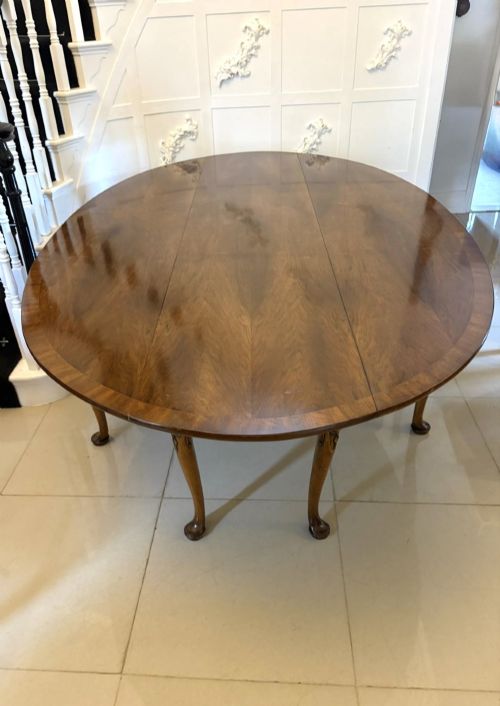
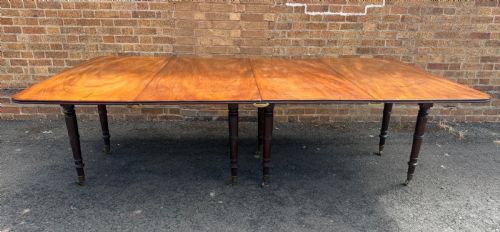
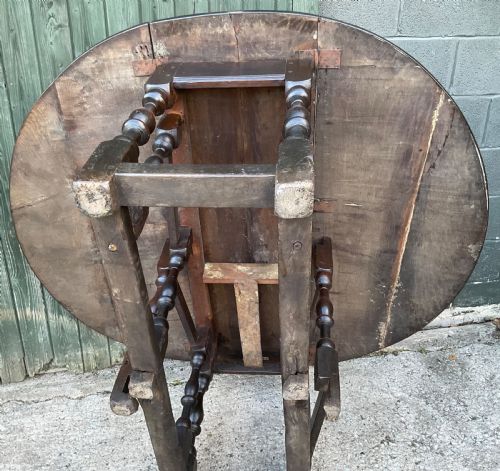
A large drop leaf dining table is designed to accommodate numerous guests through folding flaps supported by hinged legs or swinging gates.
The pieces seen here span from the seventeenth century through the twentieth century, encompassing Georgian, Regency, and Victorian periods.
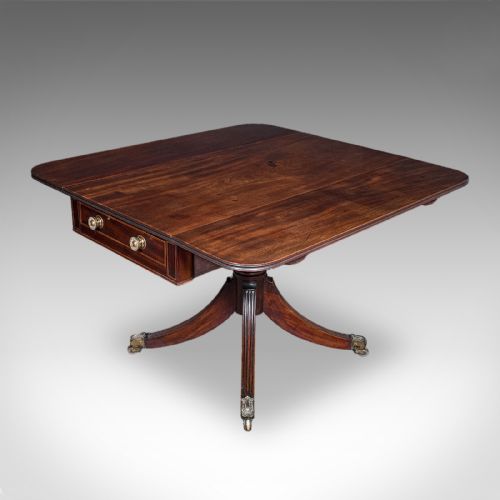
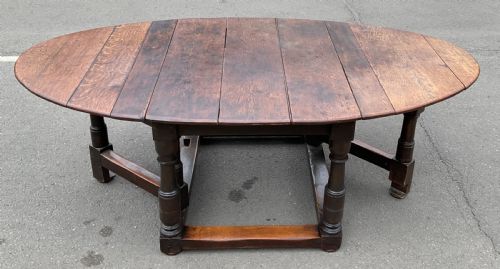
Oak and mahogany dominate the offerings, appearing frequently as gateleg, wake, or Pembroke forms designed for substantial dining spaces.
Distinguishing Quality
The standard of a large drop leaf dining table rests upon the integrity of its hinge mechanisms and the stability of the swing-out legs under load.
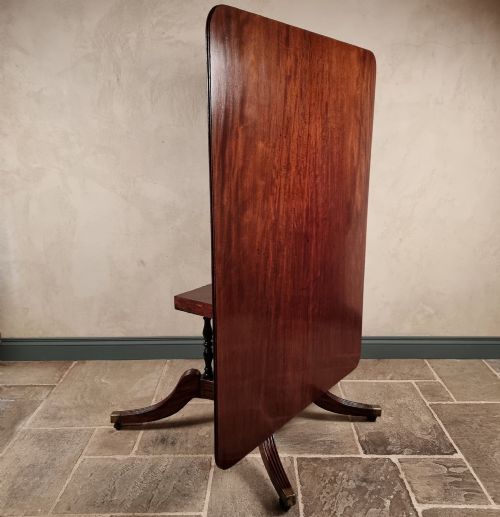
Timber selection dictates overall excellence, with figured mahogany grain, rich natural patination, and substantial solid oak scantlings marking superior examples.
Proportion and scale separate functional utility from refined craftsmanship, ensuring the table maintains balanced lines whether open or closed.
Listings feature oak, mahogany, walnut, and pine across seventeenth, eighteenth, and nineteenth-century periods.
The Large Drop Leaf Dining Table Glossary
- Gateleg table
- A table with hinged leaves supported by legs that swing outward like a gate. This construction provides robust support for large drop leaves.
- Wake table
- An exceptionally long drop leaf or gateleg table traditionally used for community gatherings and large feasts. These tables often seat eight to ten people or more.
- Pembroke table
- A small or medium rectangular table with two hinged drop leaves on opposing sides. They frequently feature one or two end drawers.
- Patina
- The surface sheen and soft texture developed by wood over centuries of use and polishing. It serves as a visual indicator of age and careful maintenance.
- Bobbin turned
- A style of furniture leg shaped on a lathe to resemble a series of wooden bobbins or spools end to end. This decorative turning appears frequently on seventeenth-century pieces.
Large Drop Leaf Dining Table: Frequently Asked Questions
How many people can sit at these tables?
Many of these pieces accommodate six to ten diners comfortably when fully opened. The folding leaves allow the furniture footprint to shrink significantly for daily living.
Larger wake and gateleg formats specifically cater to extended dining requirements without permanent spatial demands.
How do I care for antique wood leaves?
Apply beeswax regularly to nourish the timber and maintain a protective barrier against moisture. Avoid placing hot dishes directly onto the polished surface.
Keep the tables away from direct heat sources and sudden temperature shifts to prevent timber shrinkage and warping.
Are these tables sturdy enough for daily use?
Solid construction in dense hardwoods like oak and mahogany ensures robust stability for everyday meals. The swinging gate supports distribute weight evenly across the frame.
Care should be taken when raising or lowering heavy leaves to protect the pivot hinges from undue strain.
How do I distinguish oak from mahogany pieces?
Oak displays a prominent, open grain pattern with characteristic medullary rays visible across the timber surface. Early pieces in this material often date to the seventeenth and eighteenth centuries.
Mahogany presents a smoother, darker, and sometimes highly figured flame grain typical of Georgian and Regency craftsmanship.