



Traditional Oval Gateleg Table
A traditional oval gateleg table provides sturdy drop leaves supported by swing legs, offering flexible seating in dining rooms and living spaces.
Traditional Oval Gateleg Table
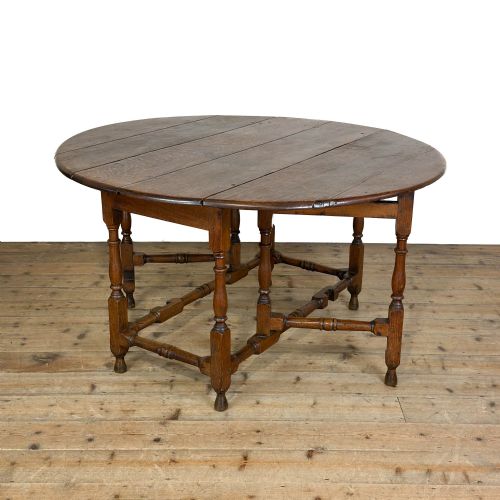
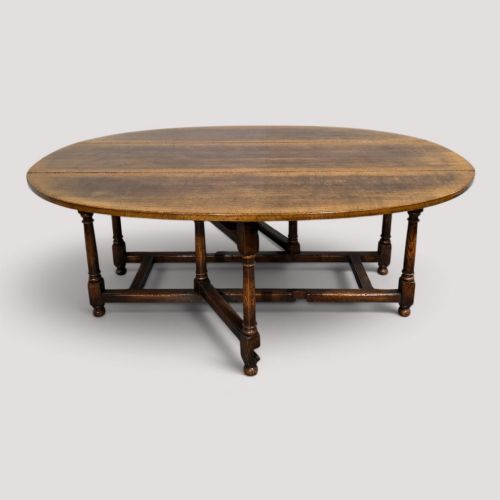
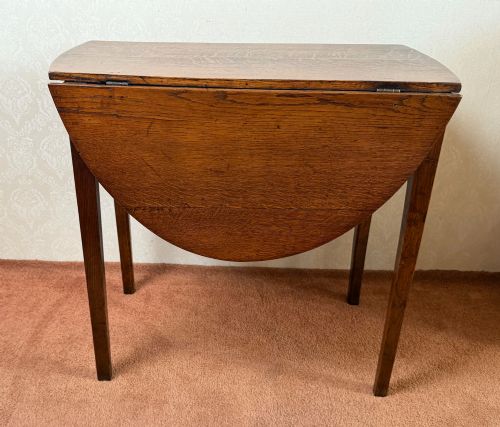
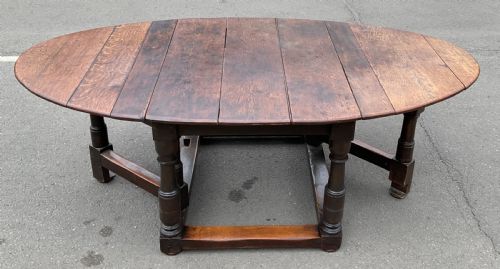
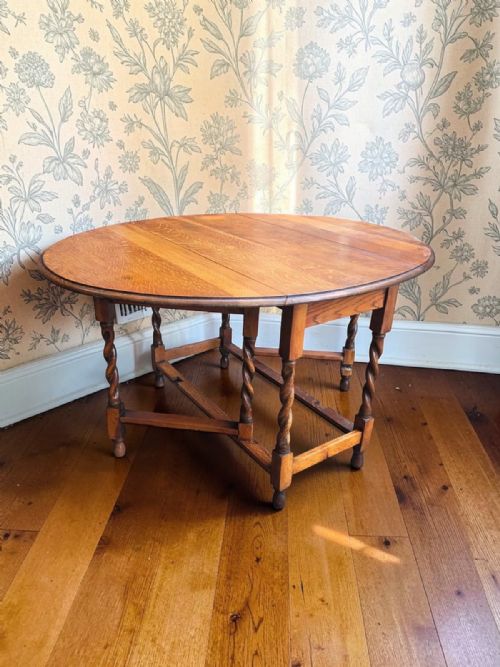
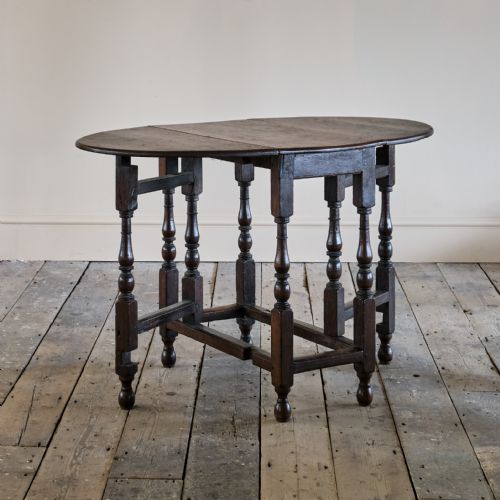
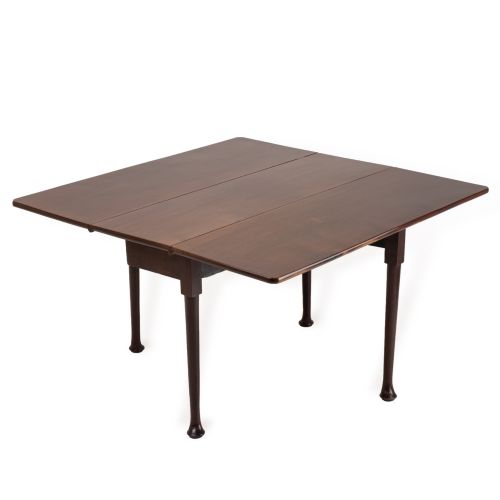
A traditional oval gateleg table is a functional piece featuring hinged drop leaves supported by pivoted legs that swing outwards. These tables appear primarily in oak and mahogany, spanning periods from the 17th century through the 19th century and into the 20th century.
The selections available here range from large dining tables designed to seat several people to smaller coffee and occasional tables. Early examples often showcase substantial timber construction, whilst later revivals adopt similar forms for domestic utility.
Materials and construction
Carpenters utilised solid oak and walnut for earlier pieces, employing sturdy timber framing to support heavy drop leaves. Mahogany became common in later periods, providing a finer grain for polished surfaces.
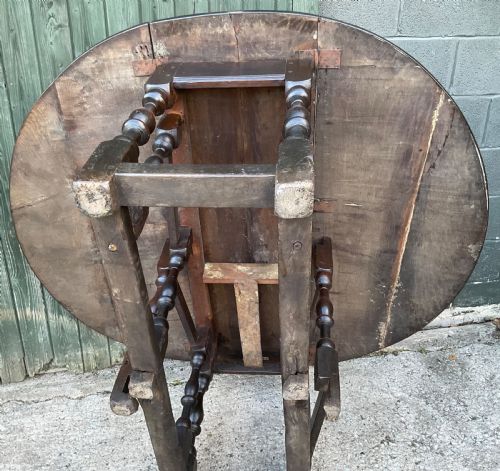
Turned wooden components such as barley twists and bobbin legs formed the structural supports, whilst iron or metal hinges secured the pivoting gateleg mechanism.
Traditional Oval Gateleg Table Retail Price Guide 2026
Typical asking prices for traditional oval gateleg table among the pieces listed under this phrase on Sellingantiques today, from the lower quarter to the upper quarter. They describe what is for sale here now, not the wider market.
Some dining tables hide enough folding mechanics underneath to rival a small timber gate, which keeps dinner guests entertained between courses.
Assessing quality and craftsmanship
Superior examples demonstrate careful selection of timber for the top and leaves, ensuring grain patterns align harmoniously when extended. The stability of the swing legs and the tightness of the joints determine how well the table bears weight over time.
Refined turning on the legs and the condition of the original timber surfaces distinguish finer period pieces from later revival items produced with simpler machinery.
The Traditional Oval Gateleg Table Glossary
- Gateleg table
- A table with hinged leaves supported by swing legs that pull out like gates. This design allows the table to fold down for compact storage or expand for dining.
- Drop leaf
- A hinged flap of wood attached to a fixed table top. Raising the leaf and extending the leg increases the usable surface area.
- Barley twist
- A spiral turning carved into furniture legs and stretchers. This decorative technique appears frequently on 17th century and revival pieces.
- Bobbin turning
- A form of lathe turning that produces a series of rounded spheres resembling bobbins. It provides distinct texture to structural supports.
Traditional Oval Gateleg Table: Frequently Asked Questions
How do I use a gateleg table daily?
Keep the leaves dropped against the sides to save floor space in smaller rooms. Simply lift the leaves and swing out the supporting legs whenever you need a larger surface for dining or work.
Ensure items placed near the edge of the drop leaves stay within reason of the supporting leg underneath. This prevents strain on the hinges during everyday use.
Will an oak gateleg table fit a modern dining room?
Many tables offer adjustable dimensions thanks to the folding leaves, making them adaptable to different room layouts. You can fold one or both sides down depending on how many people are sitting.
Measure your dining space with the leaves fully extended to ensure comfortable clearance around the chairs. Smaller versions function well as side tables when not in use for meals.
What is the difference between oak and mahogany versions?
Oak tables generally date from the 17th and 18th centuries or appear as Jacobean revivals, offering a heavy rustic grain. Mahogany versions typically emerge in the 19th and early 20th centuries with a smoother, darker finish.
Choose oak if you prefer an early English country aesthetic with visible grain texture. Select mahogany if you want a refined surface suitable for formal dining.