



Vintage Expressionist Oil Painting
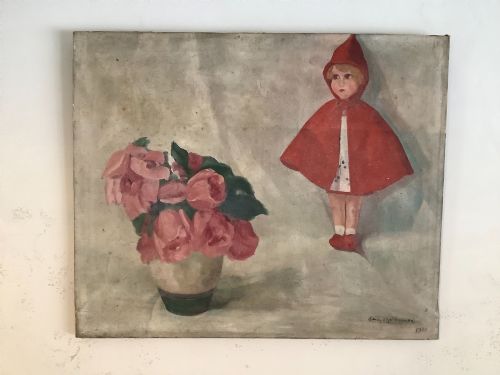
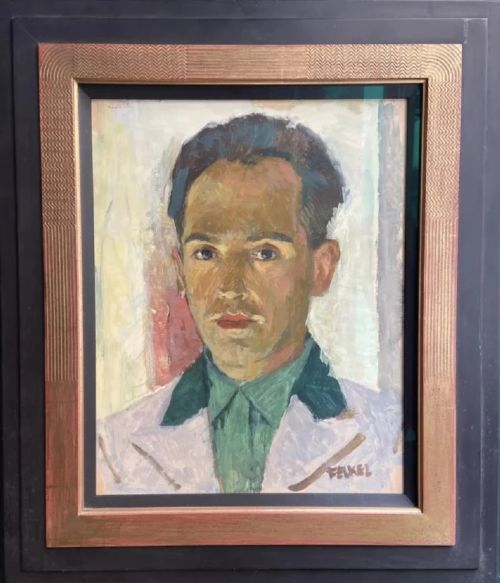
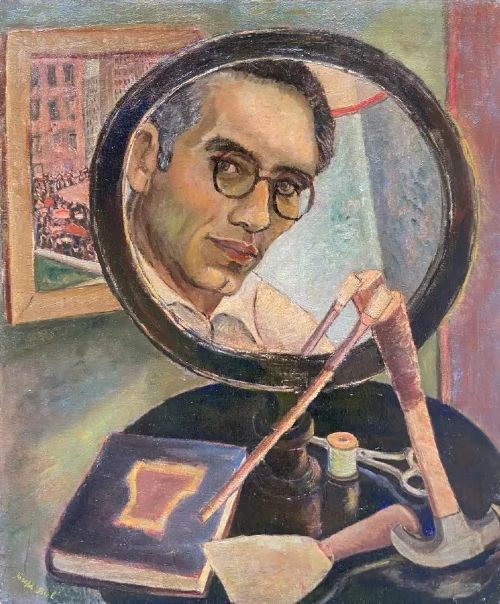
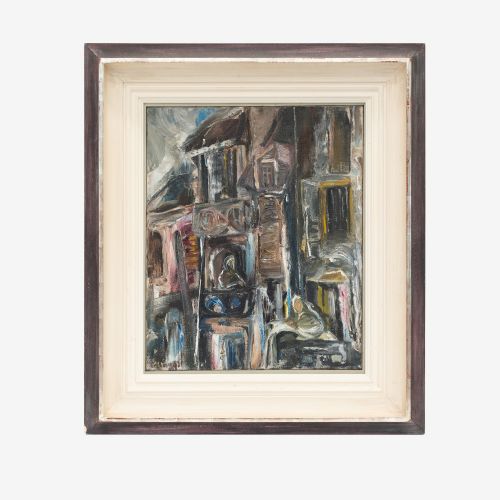
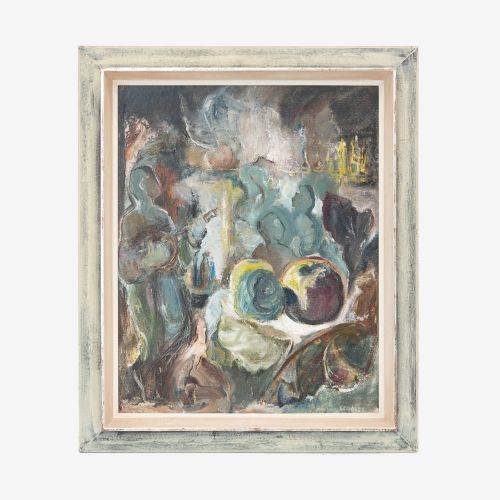
A vintage expressionist oil painting captures raw emotion through bold brushwork and striking colour, drawing the viewer straight into the artist's subjective experience of the world.
Vintage Expressionist Oil Painting
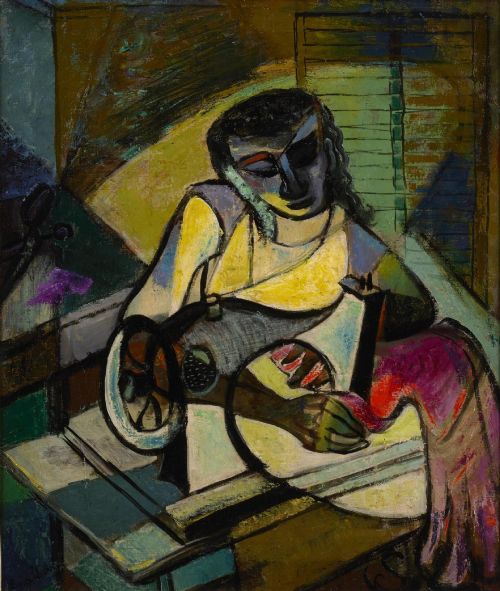
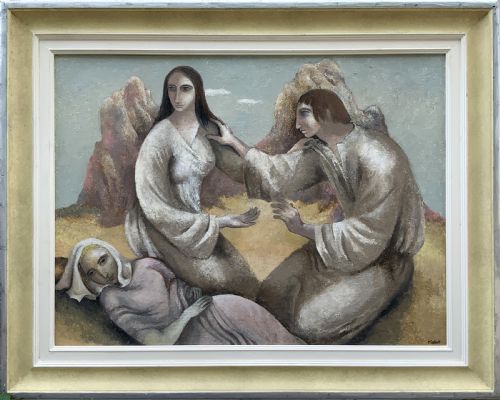
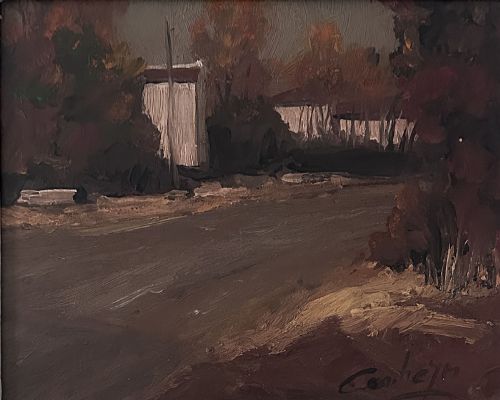
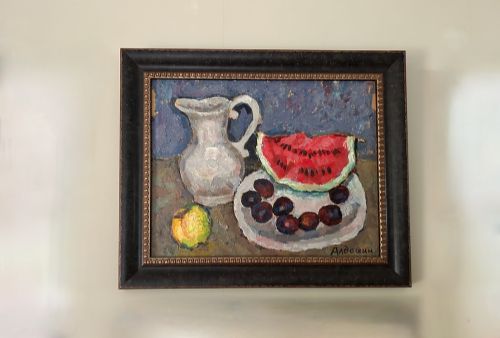
When you search for a vintage expressionist oil painting, you encounter works spanning from the nineteenth century through to the mid-twentieth century, including distinct post-impressionist and modernist tendencies. These pieces capture subjects as varied as cityscapes, intimate portraits, landscapes, and still lifes rendered through non-naturalistic colour palettes and distorted forms.
The versions most commonly met on this page date from the 1920s to the 1960s, reflecting mid-century modernism and European expressionist movements. Artists channelled psychological intensity and social commentary onto canvas and board, producing energetic depictions of everyday scenes and dramatic figure studies.
Subgenres represented in the selection range from French expressionist compositions and British modernism to naïve surrealism and fauve landscapes. Each piece carries the distinct hand of its maker, whether signed by listed European painters or expressed through anonymous mid-century works.
How they were made
These works rely primarily on oil paint applied to stretched canvas, wooden board, or traditional wood panels. The chemical stability and slow drying time of oil mediums allowed artists to manipulate paint layers over extended periods, achieving deep saturation and luminous colour blending.
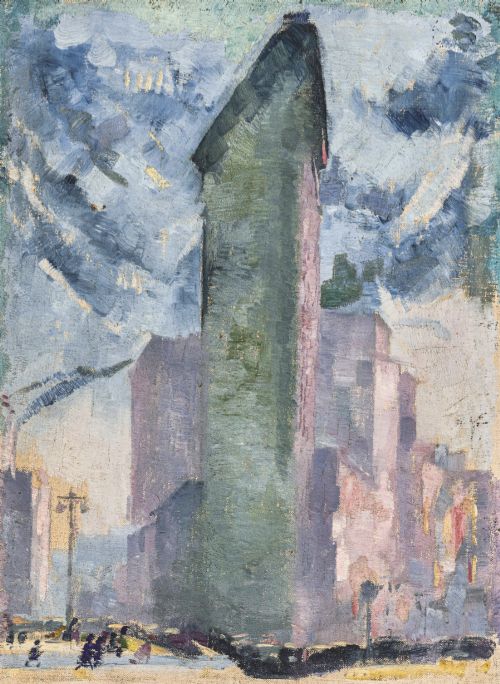
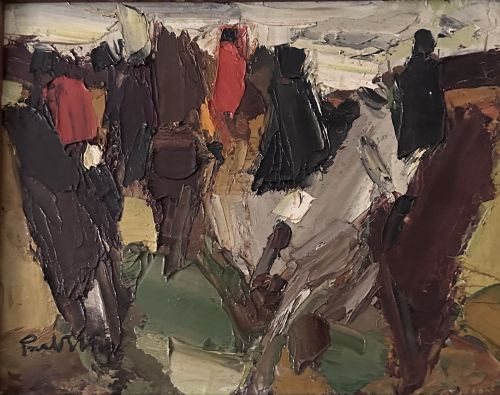
Techniques heavily feature impasto application, where thick dollops of oil paint build up physical texture on the surface of the work. Artists utilised palette knives alongside traditional bristle brushes to create energetic, raised ridges that catch natural light and accentuate the movement of the stroke.
An anonymous feline watches quietly from a canvas corner, proving that even intense avant-garde movements occasionally needed a cat.
What varies in quality
Quality rests in the conviction of the brushwork and the purposeful handling of pigment. Superior examples demonstrate a confident, cohesive rhythm where every stroke contributes to the emotional resonance of the composition, rather than relying on decorative repetition.
The relationship between negative space and dense impasto areas dictates the structural integrity of the surface. Stronger paintings maintain spatial tension and chromatic harmony across the entire picture plane, whereas lesser examples can feel disjointed or overly hesitant in their execution.
Carl Felkel·Joseph Biel·Alfred Wolmark·Lena Gurr·Christine Nesbit·Vladimir Aldoshin·Lilian Colbourn·Joan Gillchrest·Tony Giles·Hazel M Barnett·Gaetan Dumas·Gabriel Dauchot·Mercedes Legrand·Baruch Shalom Oskotsky·Hein Hoppmann·Leon Kossoff·William McCance·Peter Jackson·Jean Hippolyte Marchand
The Vintage Expressionist Oil Painting Glossary
- Impasto
- A technique where paint is laid onto a canvas in very thick layers, usually thick enough that the brush or painting-knife strokes are visible. This method adds tangible three-dimensional depth and texture to the surface of a vintage expressionist oil painting.
- Mid-Century Modern
- A design and art movement spanning roughly from the mid-1930s to the mid-1960s, characterised by a clean, modernist aesthetic and pared-back forms. In painting, it manifests as a departure from strict academic realism toward abstraction and expressive simplification.
- Fauvism
- An early twentieth-century style involving strong, non-naturalistic colours and fierce brushwork, pioneered by artists associated with the 'wild beasts'. Works from this tradition prioritise painterly qualities and emotional impact over representational accuracy.
- Post-Impressionism
- A predominantly French art movement that developed roughly between 1886 and 1905, extending impressionism while rejecting its limitations. Painters relied on symbolic colour use and heavier geometric structures to convey subjective visions.
- Canvas
- A heavy woven fabric used as a surface for oil paintings, typically stretched tightly over a wooden frame known as a stretcher. It provides a resilient, textured ground that responds dynamically to layered oil pigments.
Vintage Expressionist Oil Painting: Frequently Asked Questions
What is a vintage expressionist oil painting?
It is a work of fine art executed in oil paints during the twentieth century that prioritises emotional expression and psychological depth over realistic visual documentation. These pieces utilise distorted perspectives and bold colour choices to convey internal moods rather than literal appearances.
Such paintings often reflect the turbulent historical events and artistic revolutions of their respective decades, ranging from wartime witness pieces to vibrant post-war cityscapes and intimate figure studies.
How do I date an expressionist oil painting?
Dating involves examining the artist's signature, exhibition labels on the reverse, and stylistic markers specific to mid-century movements. The materials used, such as the specific weave of the canvas or the construction of the wooden frame, also offer reliable chronological clues.
Many works include direct inscriptions or dates written by the artist directly onto the canvas edge, stretcher bars, or backing boards during the creation process.
Where should I hang my painting?
Hang your artwork away from direct sunlight, high humidity areas, and sudden temperature fluctuations to protect the integrity of the canvas and oil pigments. Natural, indirect light highlights the heavy impasto textures and layered brushwork most effectively.
Ensure the wall can adequately support the weight of the framed canvas and that hanging hardware is securely anchored to prevent accidental damage.