



Vintage Ersari Rug
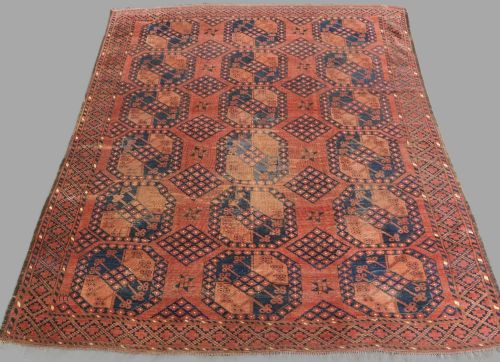
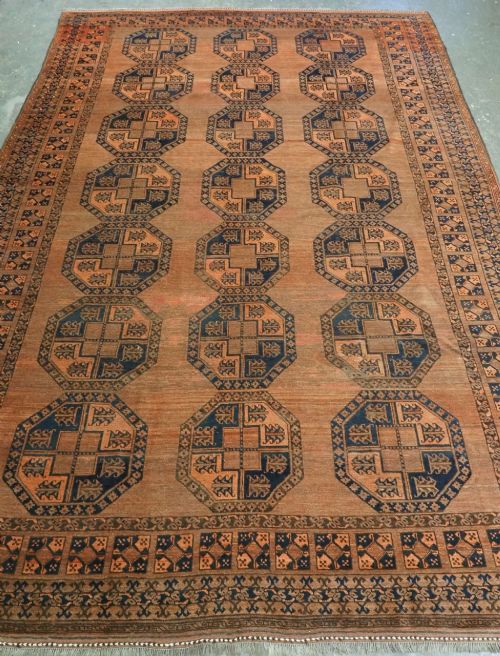
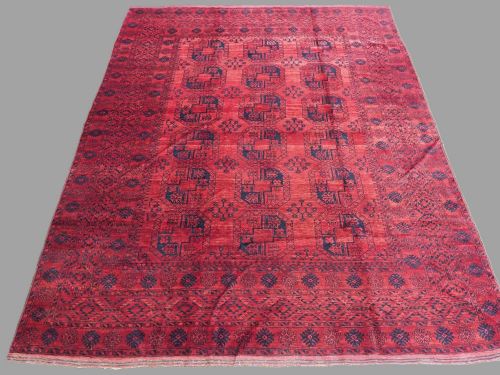
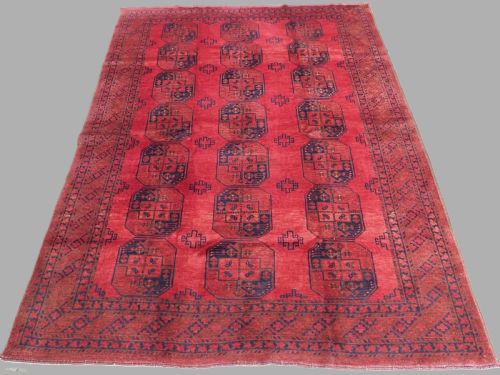
A vintage ersari rug brings Central Asian tribal warmth into a room through deep red and brown tones and traditional geometric motifs.
Vintage Ersari Rug
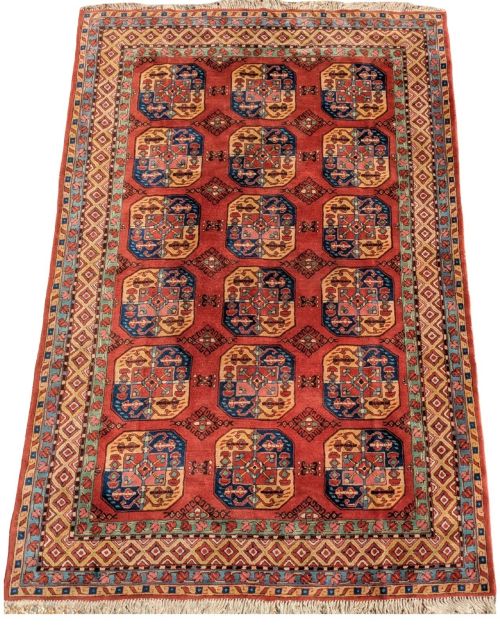
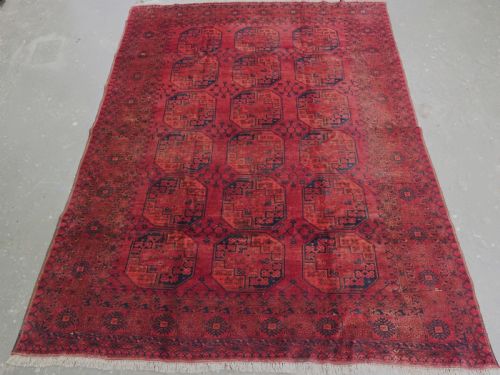
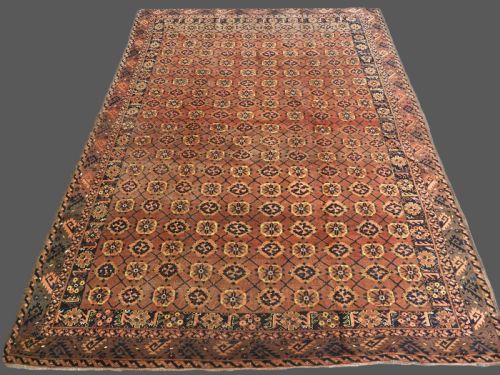
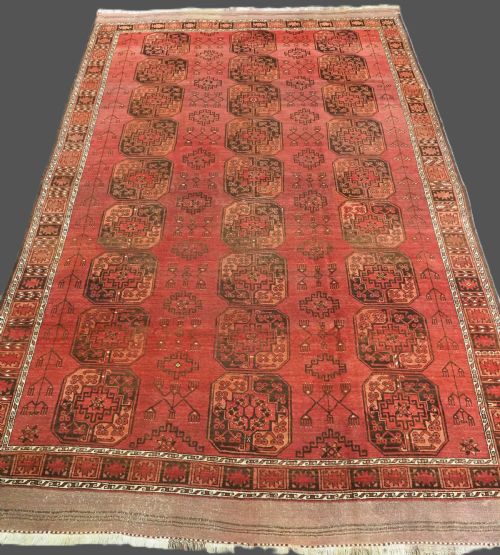
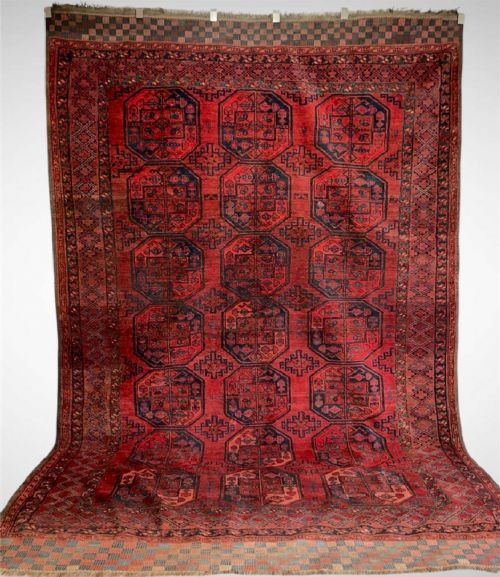
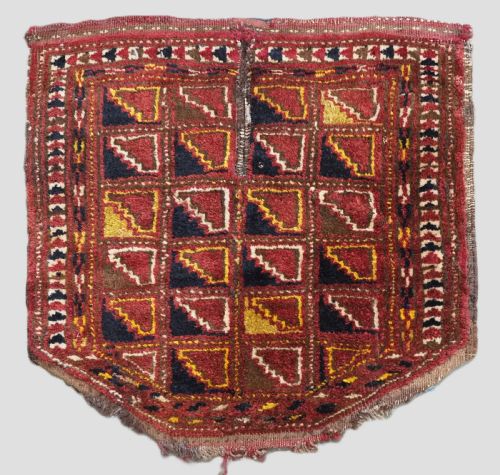
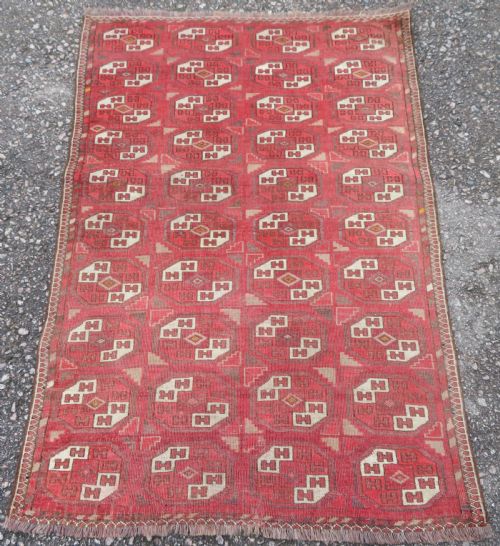
When searching for a vintage ersari rug, collectors encounter hand-woven tribal textiles originating primarily from the nineteenth and early twentieth centuries. These pieces represent the weaving traditions of the Ersari Turkmen and Afghan village communities, spanning formats from large country house carpets down to smaller utility bags.
Designs follow established tribal layouts, frequently incorporating traditional guls, chodor ertum motifs, and bespoke regional patterns. Each textile holds a distinct place in Central Asian tribal culture, serving both practical functions within nomadic dwellings and decorative roles in modern spaces.
How they were made
Weavers constructed these textiles using hand-spun wool foundations paired with cotton elements, dyed predominantly with natural colour sources. This combination yielded resilient floor coverings and domestic hangings designed to withstand heavy daily use in nomadic settings.
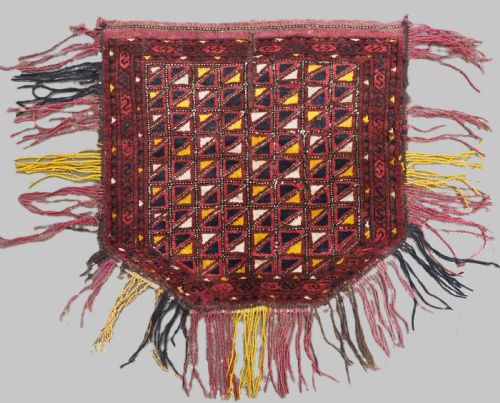
Dye palettes rely on warm red and soft brown tones achieved through traditional botanical and mineral colouration techniques. Artisans integrated wool pile securely onto sturdy warp and weft structures, occasionally incorporating details such as glass beads into specific utility items.
Vintage Ersari Rug Retail Price Guide 2026
Typical asking prices for vintage ersari rug among the pieces listed under this phrase on Sellingantiques today, from the lower quarter to the upper quarter. They describe what is for sale here now, not the wider market.
Some functional saddle covers and storage bags retain their original wool tassels, offering a direct tactile link to the animals that carried them across Central Asia.
What varies in quality
The distinction between standard examples and superior pieces rests upon the fineness of the knotting and the handling of the wool. Master weavers achieved greater density and clarity in geometric guls, resulting in sharper pattern definition across the main field.
Colour saturation and the preservation of natural dye variation set finer carpets apart from routine village output. Superior pieces retain deep, luminous red and brown shades that demonstrate depth and uniform wear across the pile.
The Vintage Ersari Rug Glossary
- Gul
- A primary medallion motif used in Turkmen tribal rug design. These repeating octagonal patterns identify the specific sub-tribe and weaving lineage of the textile.
- Torba
- A small hanging storage bag used within nomadic tents. Collectors prize these surviving faces for their concentrated tribal designs and nomadic utility.
- Kapunuk
- A tent door rug or portiere hanging placed around the entranceway of a yurt. These architectural textiles display specialised shapes tailored for specific interior frameworks.
- Ensi
- A cross-panelled rug designed specifically to hang over the doorway inside a Turkmen tent. The layout typically divides into four distinct quadrants framing central symbols.
- Beshir
- A regional style associated with Ersari weavers residing along the Amu Darya river valley. These pieces often incorporate more fluid floral elements alongside traditional geometric structures.
Vintage Ersari Rug: Frequently Asked Questions
How were these rugs used originally?
Nomadic families utilised these textiles both as floor coverings and as essential storage containers within traditional dwellings. Larger carpets warmed main living spaces, while smaller bags and covers stored household goods.
Door rugs and tent hangings served structural and decorative roles inside portable homes. Every woven piece fulfilled a practical daily requirement before entering the collector market.
How do I care for a vintage wool rug?
Protect the textile by vacuuming gently without a rotating brush roll to preserve the hand-spun wool pile. Professional cleaning suited for antique textiles maintains the integrity of natural dyes.
Keep the rug out of direct sunlight to prevent colour fading across red and brown tones. Using a suitable underlay prevents sliding and reduces friction against hard flooring.
How can I tell the age of an ersari piece?
Dating relies on examining structural characteristics, wool quality, and natural dye palettes found across nineteenth and early twentieth century examples. Structural wear patterns and the presence of hand-spun materials offer reliable indicators of production period.
Early pieces frequently display deeper saturated natural colours and finer tribal guls compared to later village output. Comparing design execution against documented tribal standards assists in narrowing down the decade of manufacture.
What is the difference between a main carpet and a torba?
Main carpets are large floor-scale textiles designed to cover significant areas within a dwelling. They feature extended fields of repeating guls and borders suited for central room placement.
Torbas are small utility bags created for domestic storage rather than floor use. These smaller formats concentrate complex tribal motifs into a compact format meant for hanging against tent walls.