




Vintage English Tea Plates
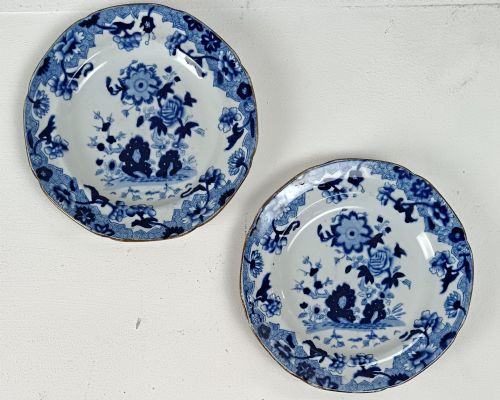
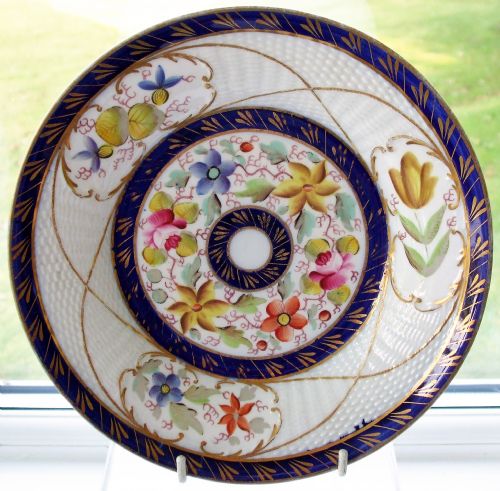
These vintage English tea plates are small ceramic dishes that bring genuine table tradition to afternoon tea.
Vintage English Tea Plates
When you search for vintage English tea plates, you find ceramic dishes made across the nineteenth and early twentieth centuries. The selection includes examples from the Georgian period through to the nineteen-thirties.
Ceramic plates appear alongside related tea service items such as cups, saucers, and sandwich plates. These pieces reflect the evolution of English dining habits across multiple decades.
Standard and execution
Quality depends on the crispness of the transfer print and the uniformity of the glaze. Better examples display careful attention to detail in the painted or gilded highlights.
The choice of body, whether refined porcelain or sturdy earthenware, influences the weight and delicacy of the plate. Finer pieces maintain a lighter profile while retaining structural integrity.
Early nineteenth-century potters occasionally experimented with stone compositions to make tea plates survive clumsy guests.
Spode·New Hall·Royal Worcester·Royal Doulton·Copeland Spode
The Vintage English Tea Plates Glossary
- Porcelain
- A hard, fine-grained white ceramic fired at high temperatures. It is known for its translucent quality and smooth finish.
- Earthenware
- A porous pottery body fired at lower temperatures. It requires a protective glaze to become completely watertight.
- Glaze
- A glassy coating fused to ceramic surfaces during firing. It provides colour, pattern, and impermeability to the finished piece.
- Gold Leaf
- Very thin sheets of beaten gold applied to ceramic details. It adds a metallic lustre to decorated borders and handles.
Vintage English Tea Plates: Frequently Asked Questions
How were tea plates used?
These plates served individual portions of bread, cake, or pastries during formal afternoon tea gatherings. They protected tablecloths and provided a convenient surface for guests.
Over time, their placement shifted from strict dining rituals to general household hospitality and display.
How do I date these plates?
Dating relies on maker marks, ceramic bodies, and stylistic details such as floral motifs or border patterns. Comparing the weight and glaze characteristics helps narrow down the production era.
Early nineteenth-century pieces often display hand-painted elements, whereas later twentieth-century items utilise more uniform transfer printing.
Are these plates suitable for daily use?
Most vintage tea plates remain durable enough for gentle everyday service. Hand washing protects the delicate glazes and any applied gold leaf from detergent damage.
Avoiding sudden temperature changes prevents thermal shock and preserves the underlying ceramic material.
What is the difference between porcelain and earthenware?
Porcelain is fired at higher temperatures until vitrified, resulting in a dense, non-porous material that often shows translucency. Earthenware remains more porous and requires a complete glaze layer for sealing.
Plates made from porcelain generally feel lighter and more refined than their earthenware counterparts.