

Vintage English Figurine
A vintage english figurine brings domestic history to life, capturing the character and dress of past decades in ceramic, bone china, and porcelain.
Vintage English Figurine
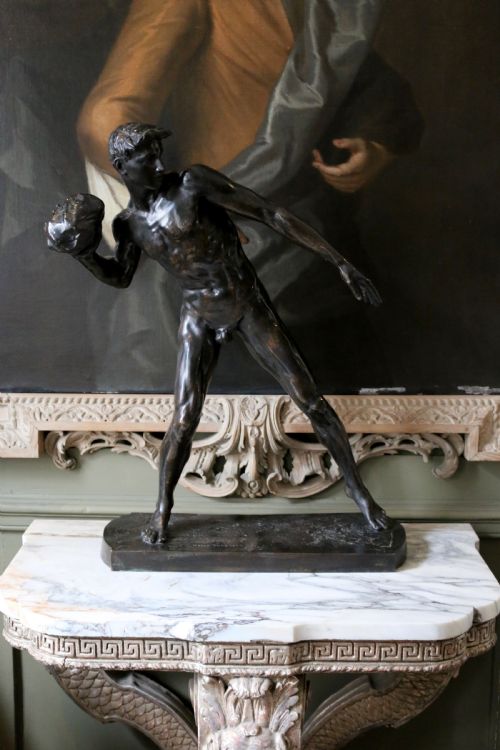
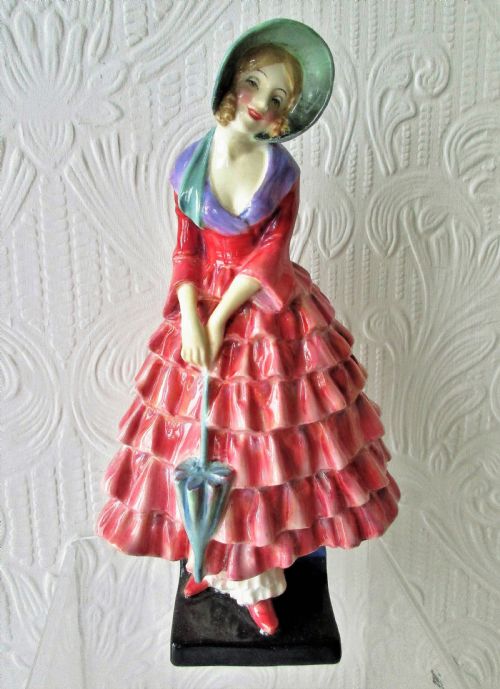
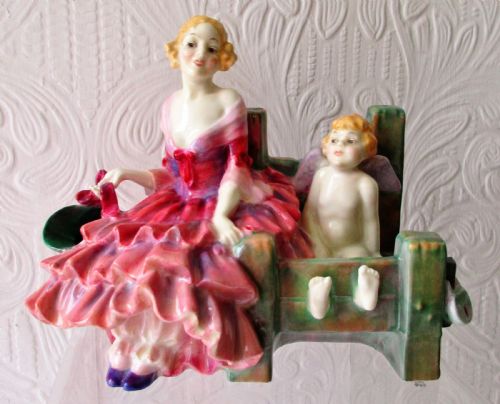
A vintage english figurine represents sculpted human figures, animals, and literary characters produced across workshops and potteries in England during the nineteenth and twentieth centuries. These ornaments served as mantelpiece decorations, tabletop displays, and fireside companions in British homes, reflecting contemporary tastes from the Victorian era through the mid-century period.
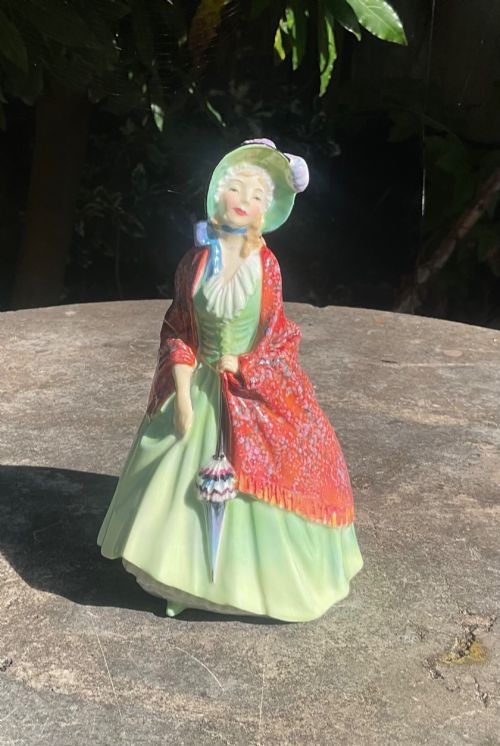
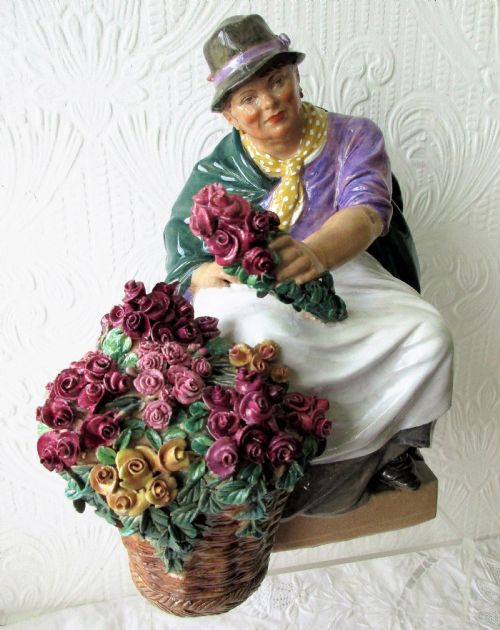
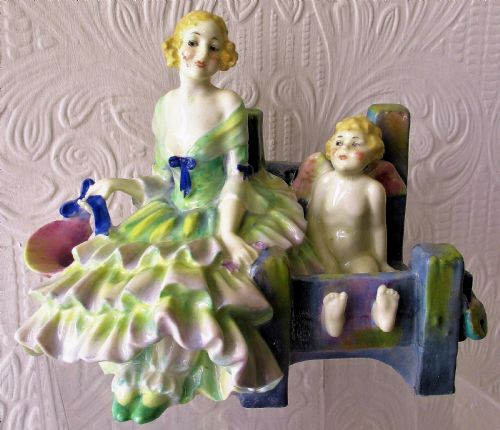
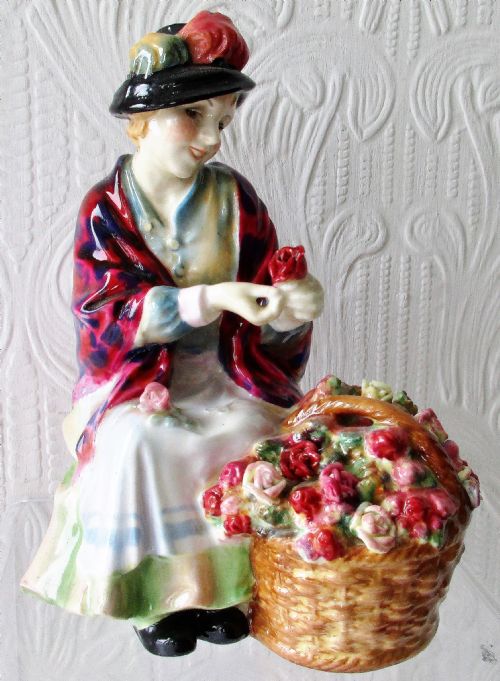
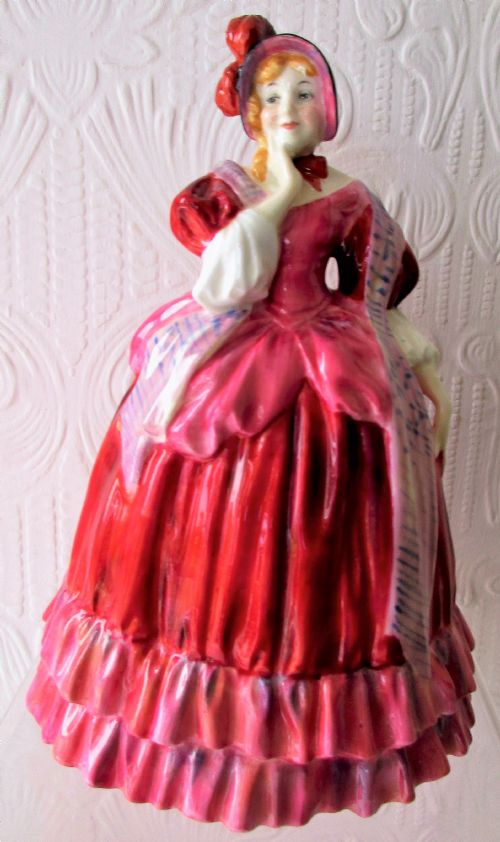
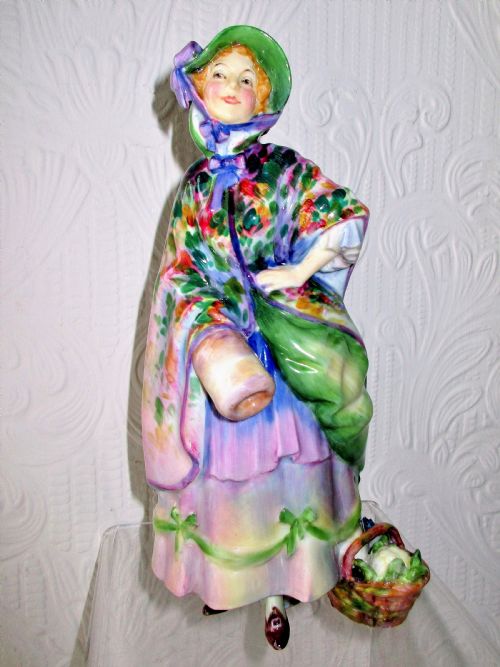
The selection on this page leans heavily toward twentieth-century porcelain character studies by major makers alongside nineteenth-century Staffordshire earthenware figures and animals. Buyers encounter everything from titled porcelain ladies and literary scenes to studio pottery figures and mantel ornaments.
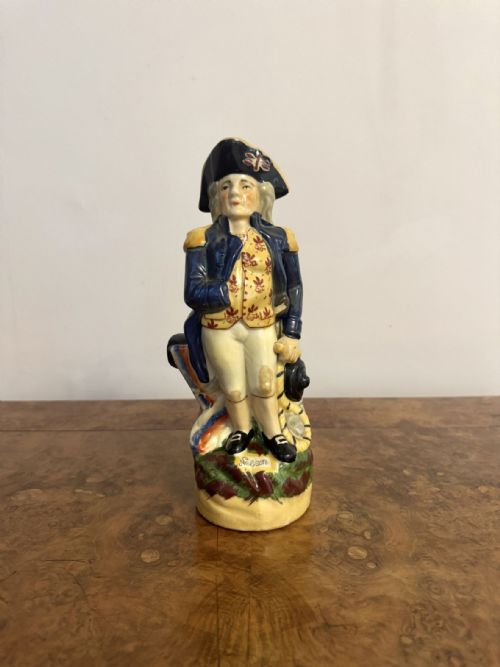
Forms extend beyond traditional people to include animal models, chimney ornaments, and Toby jugs. Each piece records the decorative preferences of its specific decade, whether the elaborate detail of the Victorian years or the cleaner lines of the Art Deco era.
How they were made
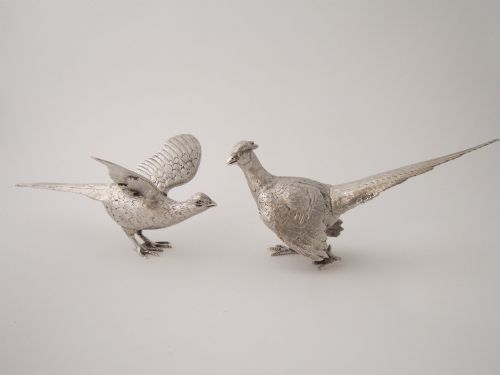
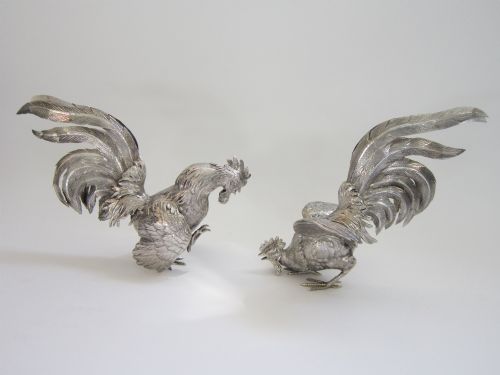
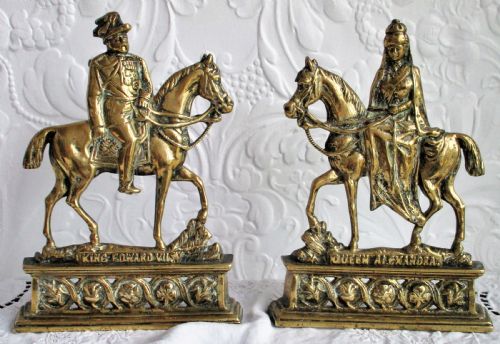
Glazing processes varied from clear glossy finishes to specialised studio pottery finishes, sealing the ceramic body and providing surface sheen. Certain metal models also appear in the record, cast in sterling silver or formed in brass for heavier decorative duties like bookends and mantel displays.
Listings span periods from Georgian and Victorian eras through 1930 and 1940 to mid-century modern designs.
What varies in quality
The reputation of the pottery or artist dictates distinction, with named studio artists and major factory output commanding greater artistic interest. The preservation of original glaze surfaces and the absence of overpainting distinguish superior survivals from heavily restored pieces.
Royal Doulton·Royal Worcester·Charles Vyse·Clarice Cliff·Derby
The Vintage English Figurine Glossary
- Bone china
- A type of porcelain incorporating bone ash, yielding a strong, milky-white body that allows for delicate modelling and thin walls.
- Earthenware
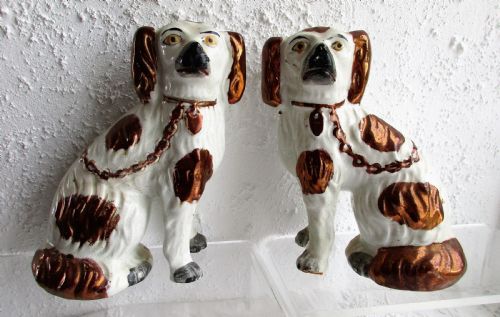
- A porous pottery body fired at lower temperatures, commonly used for nineteenth-century Staffordshire figures and animal models before glazing.
- Toby jug
- A pottery jug modelled in the form of a stout, cheerful person, usually wearing eighteenth-century attire and holding a mug or pipe.
- Staffordshire pottery
- Earthenware produced in the industrial area of Staffordshire, famous for spill vases, chimney ornaments, and portrait figures.
Vintage English Figurine: Frequently Asked Questions
What periods do these figurines cover?
The pieces span from the mid-eighteenth century through the Georgian and Victorian eras into the twentieth century, including Art Deco and mid-century modern designs.
Twentieth-century examples often feature detailed factory stamps and model numbers, while nineteenth-century pieces rely on style, weight, and potting characteristics to indicate age.
How were Staffordshire figures displayed?
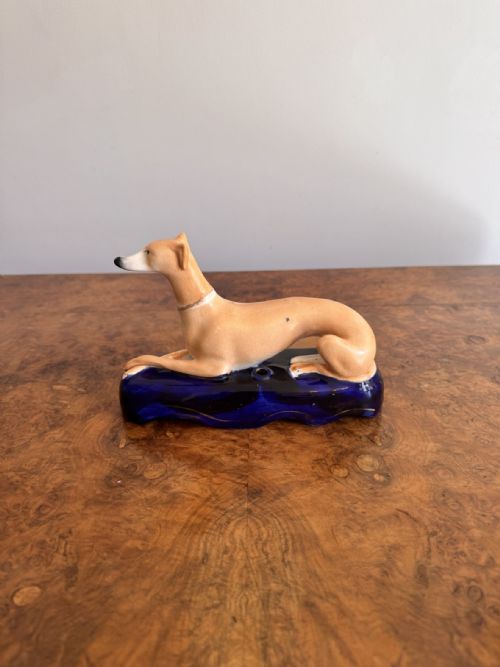
Staffordshire pottery figures and dogs were traditionally placed on mantelpieces, often arranged in pairs to flank a clock or mirror in Victorian living rooms.
These chimney ornaments added colour and a sense of respectability to domestic interiors before central heating changed fireplace use.
What is the difference between earthenware and porcelain?
Earthenware is a heavier, opaque ceramic body fired at lower temperatures, typical of nineteenth-century Staffordshire dogs and Toby jugs.
Porcelain and bone china are denser, vitrified materials fired at higher heats, allowing for translucent bodies and finer detail on twentieth-century figures.
How do I identify studio pottery figurines?
Studio pottery figurines, such as those by Charles Vyse, are typically marked with artist initials or studio stamps rather than mass-production factory marks.
They often reflect individual artistic vision and hand-modelling techniques distinct from standard factory output.