


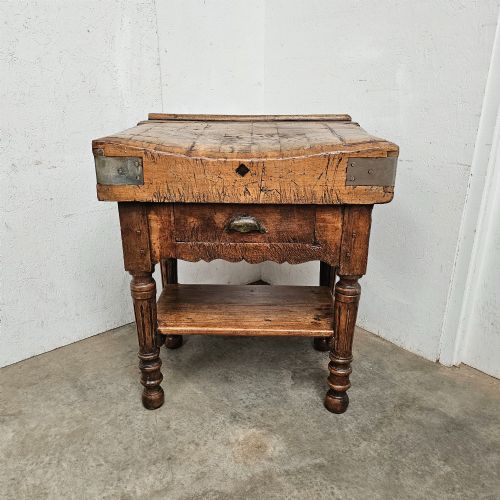
Vintage End Table
A vintage end table brings compact utility and period character to a room, serving beside a sofa or chair as a useful surface.
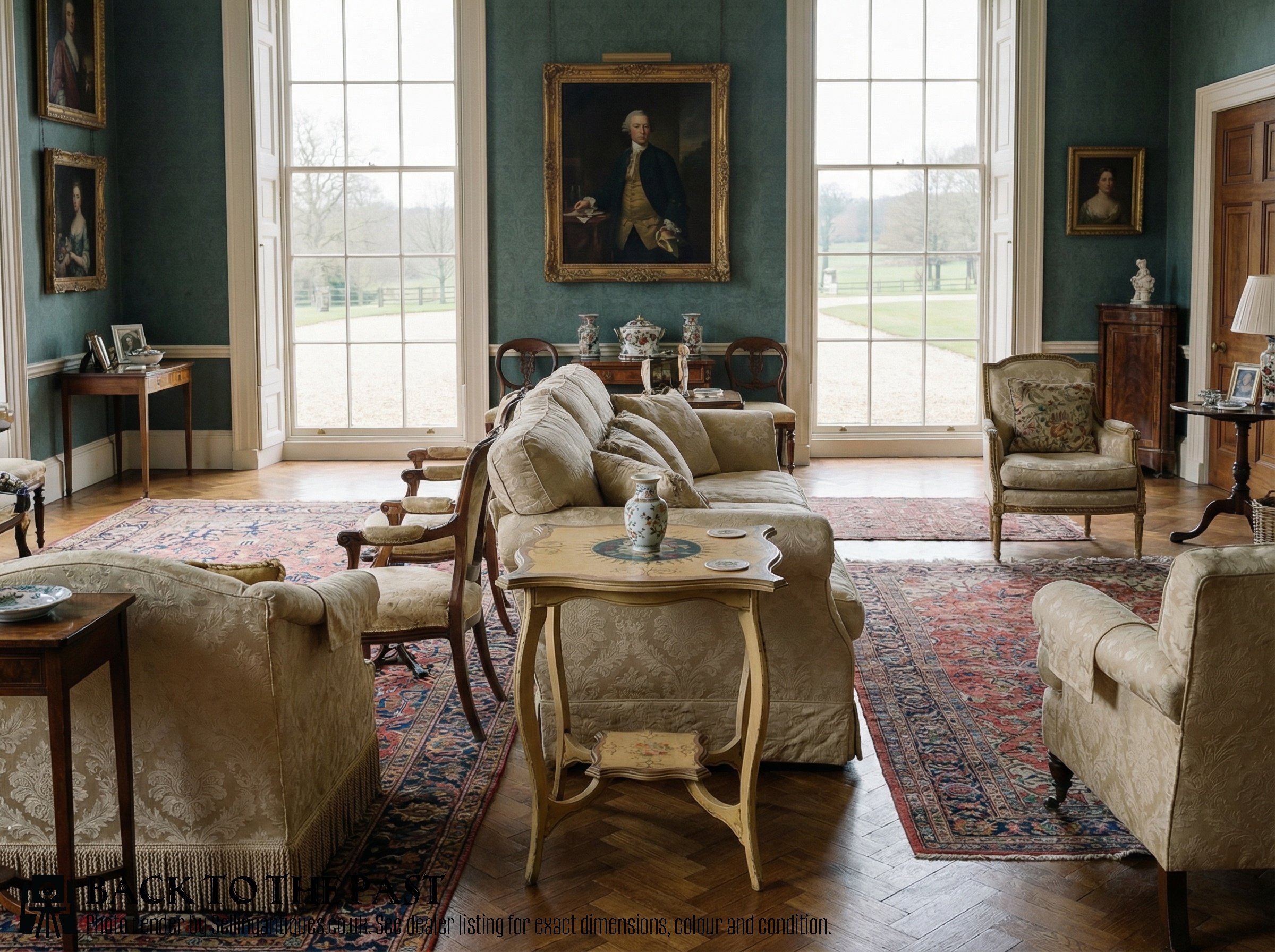
Vintage End Table
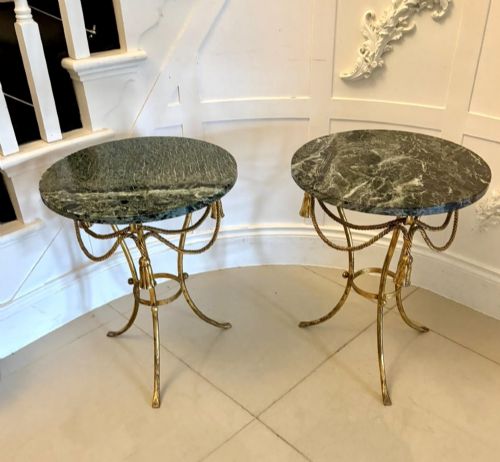
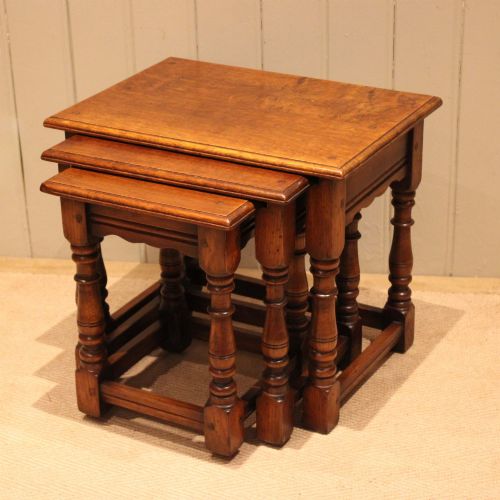
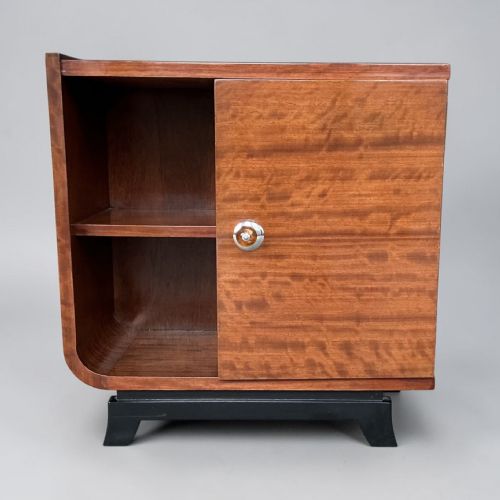
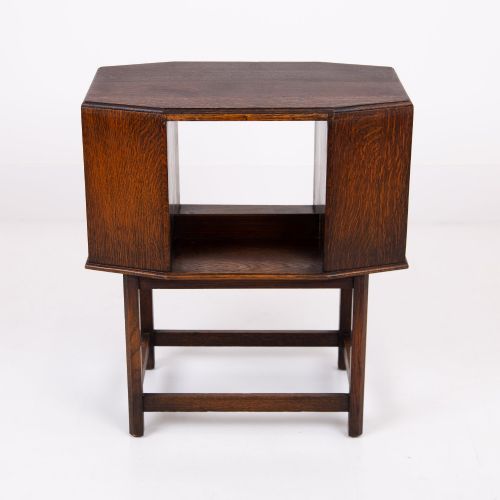
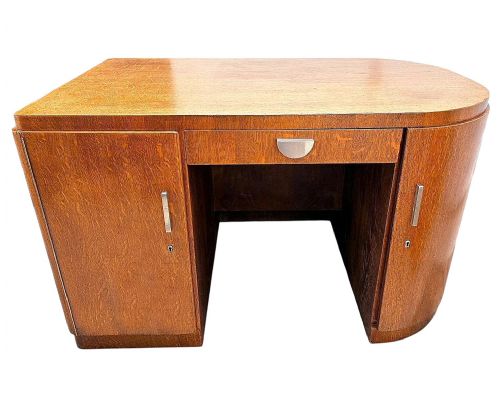
A vintage end table encompasses a variety of compact surfaces designed for placement beside seating, appearing frequently as side tables, occasional tables, lamp tables and nests of tables. The selection draws primarily from Edwardian, Victorian and 1930s Art Deco periods, reflecting changing domestic requirements across the nineteenth and twentieth centuries.
Buyers seeking a vintage end table will encounter diverse formats ranging from solid oak pieces with barley twist legs to figured walnut Art Deco designs and mahogany nests. These items function practically while anchoring a room's aesthetic through distinct period styles including Jacobean Revival and Arts and Crafts.
How they were made
Construction relies heavily on traditional timbers such as oak, mahogany, walnut and yew, often utilised in solid forms or as decorative veneers. Cabinetmakers employed techniques suited to each period, from carved oak frameworks in Edwardian examples to streamlined, figured walnut surfaces characteristic of 1930s modernist pieces.
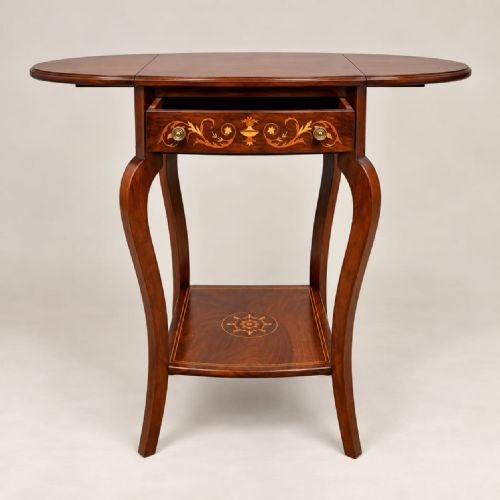
Secondary materials introduce textural contrast and specialised utility, including brass mountings, chrome elements, glass inserts and marble tops. These components are integrated into diverse structural forms, from drop-leaf mechanisms and multi-tiered shelving to nested sets.
Vintage End Table Retail Price Guide 2026
Typical asking prices for vintage end table among the pieces listed under this phrase on Sellingantiques today, from the lower quarter to the upper quarter. They describe what is for sale here now, not the wider market.
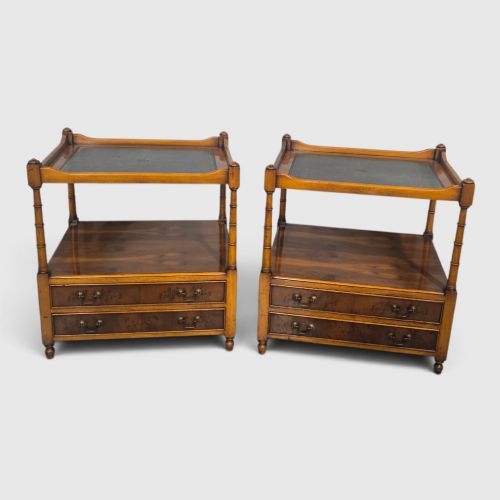
Bamboo occasional tables from the Victorian era bring an unexpected botanical charm to the traditional sitting room.
What varies in quality
Quality in these tables is determined by the selection of materials and the integrity of the construction, such as the choice between solid hardwoods and finely figured veneers. Pieces featuring superior timber selection, such as figured walnut or dense mahogany, demonstrate a higher grade of craftsmanship.
Refinement in decorative details, including carved ornamentation, gilded brass mounts and painted floral decoration on satinwood, separates standard utility items from exceptional examples. The structural cohesion of multi-part items, such as nests of tables or drop-leaf mechanisms, further defines the standard of manufacture.
The Vintage End Table Glossary
- Occasional table
- A small, portable table designed for intermittent use around a sitting room or bedroom. These pieces frequently appear in Victorian and Edwardian inventories.
- Nest of tables
- A set of graduated small tables that fit neatly beneath one another to save space. They are commonly found in mahogany and oak from the Edwardian era.
- Figured walnut
- Timber cut to reveal an intricate, decorative grain pattern often utilised on the surfaces of 1930s Art Deco furniture. It provides a striking visual contrast to plain woods.
- Barley twist
- A turned wooden furniture leg resembling the spiral twist of barley sugar. This decorative feature is characteristic of Edwardian oak tables.
Vintage End Table: Frequently Asked Questions
Where should I place a vintage end table?
These tables find a natural home beside a sofa, armchair or bed where a compact surface is required for lamps or books. Their modest scale allows them to fit easily into smaller spaces without dominating the room.
Matching the period of the table to existing furnishings helps integrate the piece smoothly into your interior layout. Consideration of height relative to your seating ensures practical daily use.
How do I identify an Edwardian end table?
Edwardian pieces often feature light oak or mahogany construction, sometimes incorporating barley twist legs or carved detailing. The influence of earlier revivals remains visible in these domestic items.
Examining the underside and drawer construction helps confirm the period manufacturing methods. Simple, functional lines paired with traditional timber define this era.
What is the difference between a side table and a lamp table?
Side tables generally offer a broader utility surface for general placement against walls or beside seating. Lamp tables are specifically proportioned to support lighting fixtures.
Both forms overlap significantly in historical furniture production, often categorised interchangeably depending on their dimensions. The tabletop area usually dictates the primary intended function.
How do I care for a wood veneer surface?
Veneered surfaces require gentle dusting with a soft, dry cloth to prevent accumulation of grit. Avoid placing them in direct sunlight or near heat sources to protect the thin wood layer.
Applying occasional appropriate furniture wax helps maintain the lustre of the timber. Moisture should be wiped away promptly to safeguard the underlying construction.