


Vintage Embroidered Stool
These vintage embroidered stool examples bring tactile historic needlework and rich timber frames straight to your fireside.
Vintage Embroidered Stool
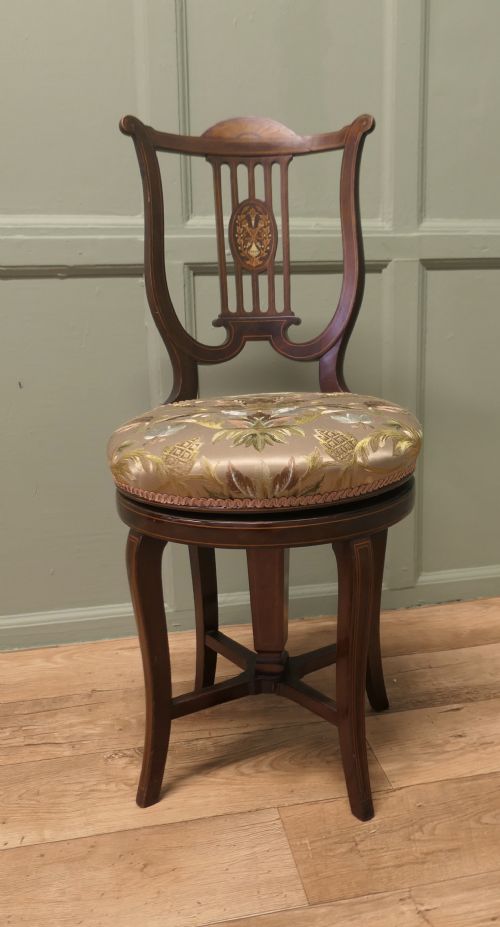
A vintage embroidered stool combines traditional textile artistry with sturdy wooden framing, serving both functional seating and decorative roles in a room. When exploring a vintage embroidered stool selection, buyers encounter formats ranging from compact dressing table seats to long ottomans and music chairs.
The pieces appearing on this page span the Victorian era, the nineteenth century, and into the early twentieth century, alongside earlier stylistic revivals. Walnut and mahogany frames dominate the offerings, paired with intricate wool needlework, tapestry, and velvet upholstery.
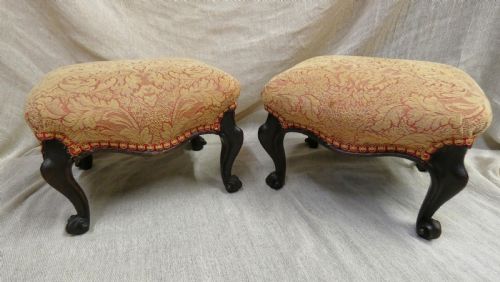
Most examples take the form of low footstools, dressing stools, or revolving music seats designed for domestic comfort. Their origins stretch across English and continental workshops, reflecting varied aesthetic movements from Queen Anne Revival to Louis XV styles.
How they were made
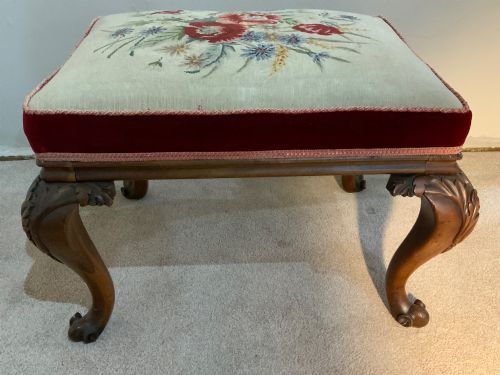
Makers constructed the structural frames of these stools using dense hardwoods such as mahogany, walnut, oak, and occasionally brass accents for support and decoration. Woodworkers shaped these timbers into cabriole legs, turned supports, and lyre backs depending on the prevailing style.
Upholsterers applied textile coverings directly over padded foundations, incorporating hand-stitched wool needlepoint and tapestry panels. These decorative fabric surfaces were secured to timber bases using traditional joining techniques to withstand daily domestic use.
Some music chairs actually revolve, allowing nineteenth-century musicians to spin in place while tuning their cellos.
What varies in quality
The distinction between standard domestic seating and superior examples lies in the tightness of the needlework stitch and the complexity of the wood carving. Tightly worked wool tapestry panels demonstrate greater time investment and material durability than simpler printed fabrics.
Frame construction also dictates the grade of the piece, with solid mahogany or walnut frames exhibiting finer joinery and more refined turned or carved legs than simpler utility timber builds.
The Vintage Embroidered Stool Glossary
- Needlepoint
- A type of canvas work embroidery stitched with wool or yarn to create dense, patterned textile surfaces. This technique forms the decorative top of many traditional stools.
- Tapestry
- A form of textile art woven on a loom or worked by hand to depict figurative or floral designs. It provides a durable and colourful upholstery cover for antique seating.
- Cabriole leg
- A furniture leg that curves outward at the knee and tapers inward toward the foot, inspired by animal limbs. This form is common in revival styles seen on this page.
- Ottoman
- A low, upholstered seat or footstool typically lacking arms or a backrest. It functions as a rest for the feet or as additional low seating.
Vintage Embroidered Stool: Frequently Asked Questions
How do I use a vintage stool today?
These pieces fit naturally beside armchairs as footrests or serve as low seating before a dressing table. Their compact size allows them to move easily between rooms.
They also add texture and historical character when placed beneath a console table or used as a decorative plant stand.
How do I care for antique needlework upholstery?
Protect delicate wool needlepoint from direct sunlight to prevent the coloured yarns from fading over time. Gentle vacuuming with a low suction attachment helps remove dust from the textile fibres.
Avoid harsh chemical cleaners on both the fabric and the timber frame to preserve the original finish.
How are different periods identified?
Cabinet makers used specific timber choices and joinery methods that evolved from the Georgian period through the Victorian era and into the early twentieth century. Examining the wood species and construction style helps narrow down the decade of manufacture.
Stylistic revivals like Queen Anne or Louis XV also indicate design influences from earlier centuries.
What is the difference between a footstool and an ottoman?
Footstools generally offer a smaller, more compact surface primarily intended for supporting feet while seated. Ottomans often provide a larger upholstered top and can function independently as low seats.
Both forms frequently feature decorative textile tops and solid wood frames.