




Vintage Dutch Earthenware
Vintage Dutch earthenware brings centuries of tin-glazed ceramic artistry into modern rooms through chargers, vases, and decorative tiles.
Vintage Dutch Earthenware
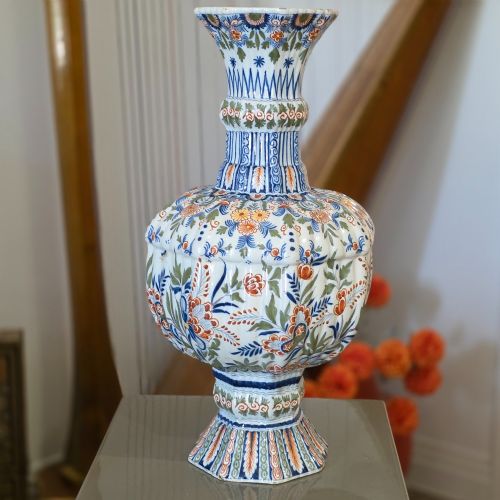
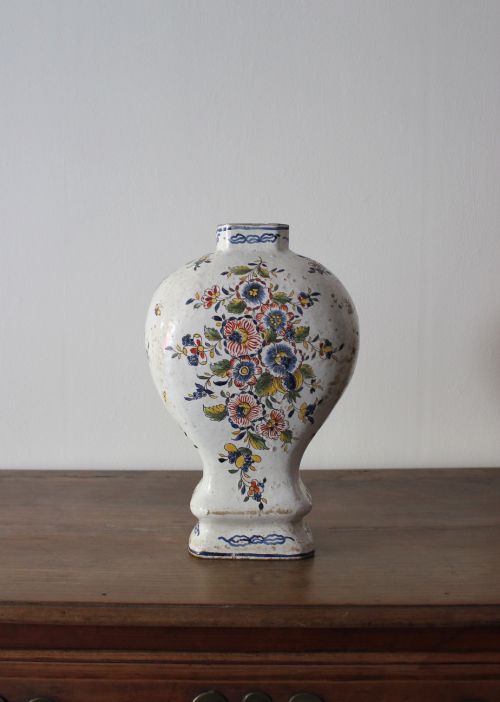
Vintage Dutch earthenware encompasses a diverse array of historic tin-glazed ceramic pieces originating from the Netherlands across several centuries. When exploring vintage Dutch earthenware, buyers most frequently encounter decorative plates, chargers, and blue and white vases dating from the seventeenth through the nineteenth centuries.
How these ceramics were made
Potters shaped local earthenware clay into vessels, chargers, and tiles before applying an opaque white tin glaze that provided a smooth canvas for painting. Artisans utilised cobalt pigment and manganese to hand-paint intricate designs directly onto the unfired glaze.
Grand feu techniques involved firing the painted tin-glaze at high temperatures to fuse the pigments into the surface, creating the characteristic glossy finish seen on these historic wares.
Listings feature earthenware pieces spanning from the seventeenth century through to the nineteenth century, utilising cobalt pigment, manganese, and brass.
What varies in quality
Quality in these ceramics rests upon the crispness of the hand-painted brushwork, the depth of the cobalt or manganese pigment, and the uniformity of the tin glaze. Pieces displaying finer detail in Chinoiserie motifs or bolder execution on large chargers stand apart from simpler production.
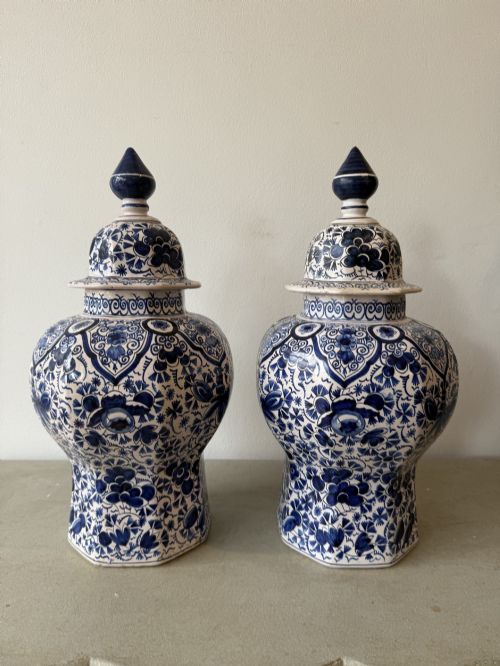
The sophistication of the form, whether a ribbed beaker vase or a finely modelled tobacco jar, influences the standing of an individual piece within the tradition.
The Vintage Dutch Earthenware Glossary
- Tin-Glazed Earthenware
- Pottery covered with a glaze containing tin oxide that fires to an opaque white surface. This technique forms the foundation of traditional Delftware production.
- Charger
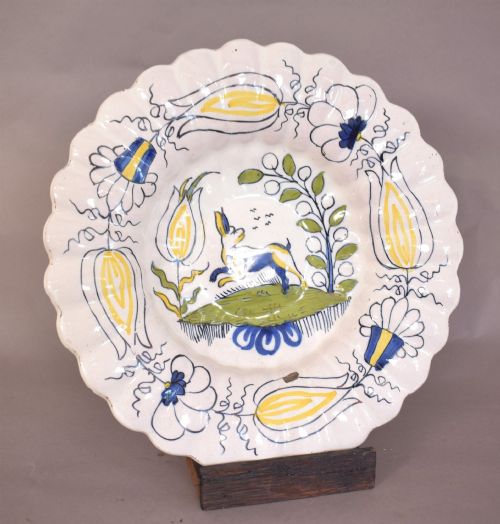
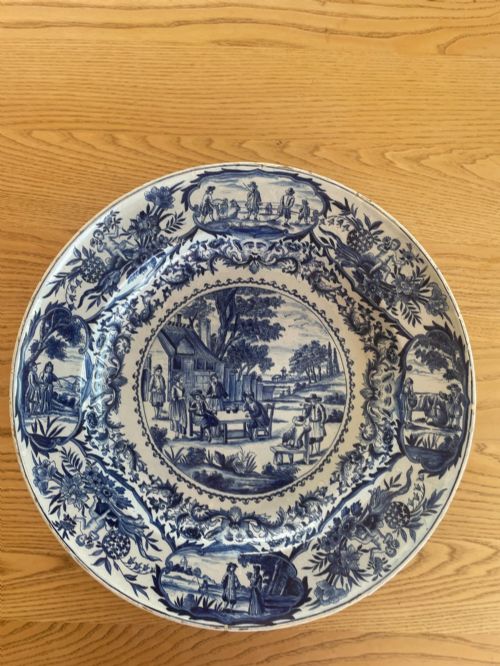
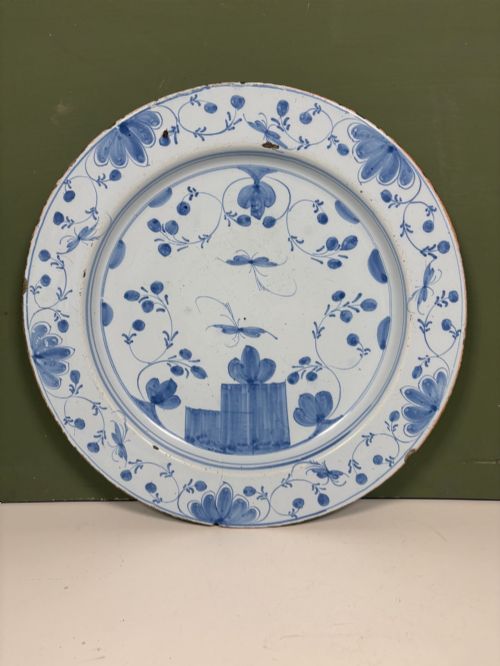
- A large decorative plate primarily intended for display on walls or sideboards rather than dining use. Eighteenth-century examples frequently feature hand-painted blue and white scenes.
- Chinoiserie
- European decorative style reflecting Chinese artistic influences, commonly seen in seventeenth and eighteenth-century blue and white ceramic patterns.
- Grand Feu
- Firing technique where tin-glazed pottery is subjected to high heat to fuse the metallic pigments into the glaze. This method produces rich colour depth and durability.
- Manganese
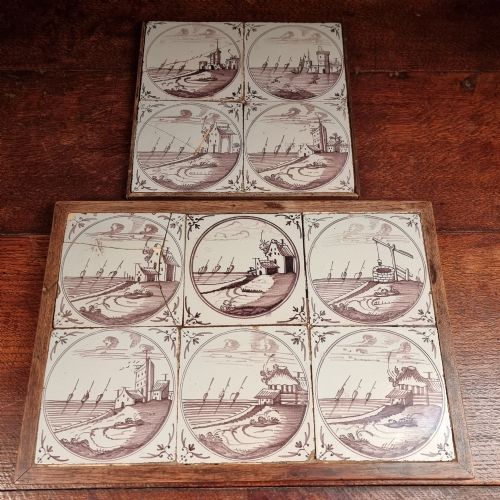
- A dark purple or brownish pigment utilised in place of cobalt for painting historic ceramics. Manganese tiles and chargers offer a distinct warm tone.
Vintage Dutch Earthenware: Frequently Asked Questions
How do I date a piece of Dutch earthenware?
Dating relies on examining the painting style, glaze characteristics, and form. Seventeenth and eighteenth-century pieces often display looser, more expressive brushwork in cobalt or manganese.
Later nineteenth-century examples tend to show tighter execution and different base properties. Comparing the tin glaze opacity helps distinguish periods.
What is the difference between a charger and a plate?
Chargers are significantly larger than standard dining plates and were made specifically for ornamental display on walls or furniture. They often feature more elaborate painted scenes.
Plates were typically smaller and sometimes formed part of larger domestic services, though many antique variants functioned decoratively.
How should I display Dutch tiles?
Historic tiles look best mounted individually in bespoke frames or set into panels as architectural accents. Keep them away from moisture and direct heat sources.
Ensure mounting methods avoid permanent damage to the edges of the earthenware body.
Can these vases hold water?
Many historic earthenware vessels have porous bodies or stable old hairlines from age, making them unsuited for holding fresh water. It is safer to use them strictly for dry display.
Inserting a small concealed glass liner can protect the interior if water is required.